Oral Cancer Treatment: How It Works, Results and What to Expect

Early-stage oral cancers can often be treated effectively with one main treatment, commonly surgery or radiation therapy. More advanced oral cancer may require combined treatment from head and neck surgeons, radiation oncologists, medical oncologists and rehabilitation specialists.
Key Takeaways
- Early-stage oral cancers can often be treated effectively with one main treatment, commonly surgery or radiation therapy.
- More advanced oral cancer may require combined treatment from head and neck surgeons, radiation oncologists, medical oncologists and rehabilitation specialists.
- Reconstructive surgery and rehabilitation can help restore speech, swallowing, appearance and nutrition after treatment.
- Recovery varies, but regular follow-up is essential because treatment effects and recurrence risk need ongoing monitoring.
- A mouth sore, lump, red or white patch, or swallowing difficulty lasting more than two weeks should be assessed by a clinician.
Oral cancer treatment is tailored to the tumor’s location, stage, type and the person’s overall health. It commonly combines surgery and radiation, with chemotherapy, targeted therapy or immunotherapy used in selected situations to control cancer and reduce the chance of recurrence.
Oral Cancer Treatment: How It Works
Oral cancer treatment aims to remove or destroy cancer cells, prevent the cancer from returning, and preserve important functions such as speaking, swallowing, breathing and chewing whenever possible. The best approach depends on where the cancer began, how large it is, whether it has reached nearby lymph nodes or other organs, and the person’s general health and treatment priorities.
Oral cancer includes cancers affecting the lips, tongue, floor of the mouth, inner cheeks, gums, hard palate and the area behind the wisdom teeth. Most are squamous cell carcinomas, which begin in the thin cells lining the mouth. Treatment planning is individualized and is usually discussed by a multidisciplinary head and neck cancer team.
For small cancers, surgery or radiation therapy alone may be sufficient. Larger tumors or cancers that have spread to neck lymph nodes often require more than one treatment. This may include surgery followed by radiation, or radiation given with chemotherapy. Targeted therapy and immunotherapy can be options for certain recurrent or metastatic cancers.
Who May Be a Candidate for Each Treatment?
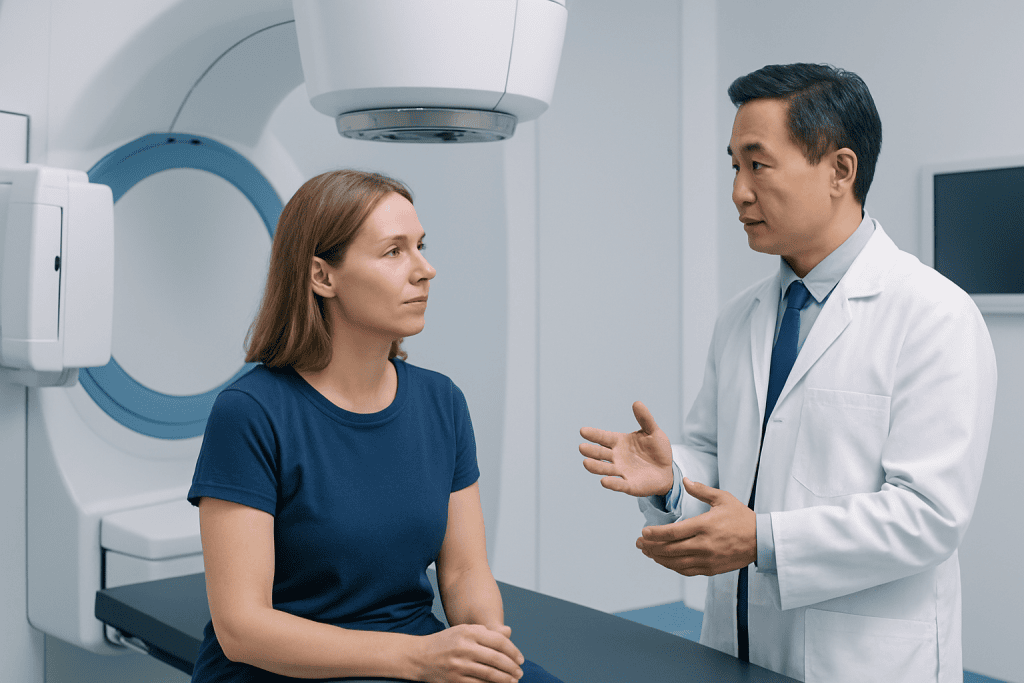
Most people with oral cancer are candidates for some form of treatment, but the recommended plan differs widely. A team considers the cancer stage, tumor depth, lymph node involvement, pathology results, previous treatment, dental health, nutritional status and conditions such as heart, kidney or lung disease. Personal goals also matter, particularly when treatment may affect speech or swallowing.
Surgery is often preferred when the tumor can be removed with a margin of healthy tissue while maintaining acceptable function. Radiation therapy may be used as a main treatment for some early cancers, after surgery to lower recurrence risk, or to relieve symptoms when cure is not possible. Chemotherapy is commonly combined with radiation for locally advanced disease rather than used alone.
Before treatment begins, patients may see a dentist, speech and swallowing therapist, dietitian and reconstructive surgeon. These assessments help identify existing dental problems, support nutrition, and plan for likely changes in mouth function. Stopping tobacco and limiting alcohol are important parts of care because they support healing and reduce the risk of another head and neck cancer.
What Happens During Oral Cancer Treatment?
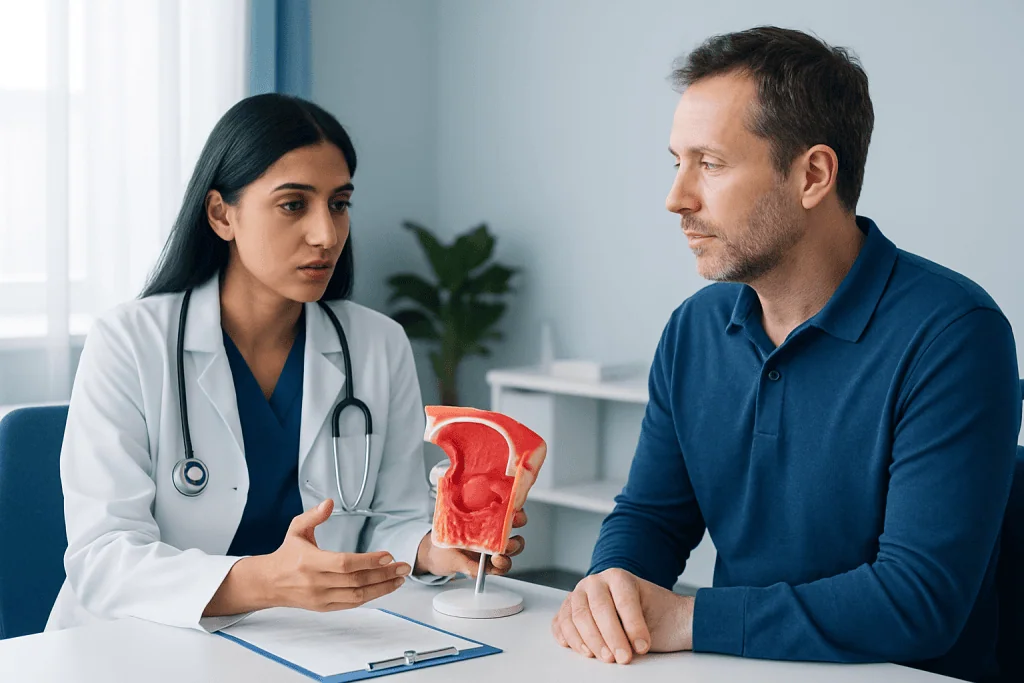
Assessment begins with a clinical examination and a biopsy, in which a small tissue sample is examined in a laboratory to confirm the diagnosis. Imaging tests such as CT, MRI, PET-CT or ultrasound may be used to define the tumor and check lymph nodes or distant spread. The cancer team then reviews the findings and explains the proposed sequence of treatment.
During surgery, the surgeon removes the tumor along with a small border of normal-looking tissue. Depending on the site and stage, the procedure may also include removal of lymph nodes in the neck. If a larger amount of tissue is removed, reconstructive surgery may use tissue from another part of the body to rebuild the mouth or jaw and support function and appearance.
External-beam radiation therapy uses precisely planned high-energy beams directed at the tumor area over multiple appointments. When chemotherapy is given with radiation, it makes cancer cells more sensitive to radiation in some cases. Drug treatment may be delivered intravenously or, for selected medicines and situations, taken by mouth; the specific medicine and schedule are determined by the oncology team.
Pathology findings after surgery can guide the next step. Features such as cancer close to a surgical edge, spread outside a lymph node, or multiple involved lymph nodes may lead the team to recommend postoperative radiation or combined chemoradiation. This approach is intended to treat microscopic cancer cells that cannot be seen on scans or during surgery.
Benefits, Risks and Side Effects
The central benefit of oral cancer treatment is the possibility of cure when cancer is localized or locally advanced. Even when cure is not achievable, treatment can slow cancer growth, reduce pain or bleeding, improve swallowing or breathing, and support quality of life. The likely benefit depends strongly on cancer stage, tumor biology and response to treatment.
Surgery may cause temporary or lasting changes in speech, swallowing, chewing, taste, sensation or appearance. Risks include bleeding, infection, wound-healing problems and effects related to anesthesia. Neck surgery can cause shoulder weakness, numbness or stiffness, although techniques are designed to preserve nerves and function when medically appropriate.
Radiation therapy can cause mouth soreness, dry mouth, altered taste, thick saliva, skin irritation, fatigue and difficulty swallowing. Some effects improve after treatment, while dry mouth, dental problems, jaw stiffness and swallowing changes can last longer. A dental assessment before radiation and ongoing oral care are especially important because irradiated jawbone and teeth require careful protection.
Chemotherapy, targeted medicines and immunotherapy each have different possible side effects. These can include fatigue, nausea, low blood counts, kidney effects, skin reactions, diarrhea or immune-related inflammation. The oncology team monitors treatment closely and can provide supportive care or adjust treatment if side effects become difficult.
Recovery Timeline and Rehabilitation
Recovery after oral cancer treatment is gradual and varies by the treatment type and extent of disease. After a smaller operation, many people return to usual activities within several weeks, although mouth discomfort and eating changes may persist longer. Recovery after extensive surgery and reconstruction often takes months and may include a period of tube feeding, wound care and structured therapy.
During radiation or chemoradiation, side effects commonly build over the course of treatment and can be most intense in the first weeks after it ends. Mouth soreness and swallowing difficulty may make eating challenging. A dietitian can recommend calorie- and protein-rich foods, texture changes and supplements when needed, while a swallowing therapist can teach exercises to maintain function.
Speech-language therapy, dental care, physical therapy and psychosocial support are important components of recovery. Regular jaw-opening exercises may help reduce stiffness, and careful oral hygiene can lower infection and dental risks. Patients should tell their team promptly about dehydration, uncontrolled pain, fever, an inability to swallow liquids, or rapid weight loss.
Follow-up appointments generally include mouth and neck examinations, review of symptoms and imaging when clinically indicated. Follow-up also addresses long-term effects, tobacco cessation, nutrition and emotional wellbeing. Acibadem International’s multidisciplinary specialists and JCI-accredited hospitals provide diagnosis and treatment planning for international patients with oral cancer.
How Quickly Does Oral Cancer Spread?
Oral cancer does not spread at the same speed in every person. Some tumors remain localized for a period, while others grow more quickly or spread early to lymph nodes in the neck. Growth can depend on the tumor’s location, depth of invasion, cell features, immune factors and whether the cancer has already entered lymphatic or blood vessels.
It is not possible to predict spread accurately from symptoms alone. A painless ulcer, lump or patch can still require prompt evaluation, especially if it has not healed within two weeks. Timely examination and biopsy are the reliable ways to identify cancer and determine how urgently treatment is needed.
When oral cancer is diagnosed, staging tests help show whether it has spread locally, to lymph nodes or to distant sites. This information guides treatment choices and gives a clearer picture of outlook than the visible appearance of the lesion alone.
What Is the Life Expectancy of Someone With Oral Cancer?
Life expectancy with oral cancer varies greatly and cannot be estimated reliably from a diagnosis alone. The most important influences include cancer stage, lymph node involvement, whether the cancer has spread elsewhere, tumor characteristics, response to treatment and overall health. Earlier-stage cancers generally have a more favorable outlook than cancers diagnosed after extensive spread.
Clinicians usually discuss prognosis using stage-specific outcome information and the person’s individual findings, rather than offering a single prediction. Population survival figures describe large groups and may not reflect one person’s treatment response, access to care, age or other health conditions.
Asking the cancer team about the stage, treatment aim and factors affecting prognosis can make these discussions more useful. Supportive and palliative care can be included at any stage to manage symptoms and maintain quality of life; it is not limited to end-of-life care.
Can You Fully Recover From Oral Cancer?
Yes, many people can be successfully treated for oral cancer, particularly when it is found before it has spread widely. Clinicians may use the term remission when there is no detectable cancer after treatment. Continued follow-up remains important because oral cancer can recur and because some people have a risk of developing a new cancer in the head and neck region.
Recovery has two parts: controlling the cancer and regaining day-to-day function. Some people return close to their previous eating, speaking and social routines, while others need longer-term support for dry mouth, swallowing, speech, dental care or appearance-related concerns. Reconstructive surgery and rehabilitation can make a meaningful difference.
Not smoking or using smokeless tobacco, avoiding betel quid, limiting alcohol and attending scheduled reviews all support long-term health. Patients should also maintain regular dental visits and report any new mouth change that lasts longer than two weeks.
How Long Does It Take for Oral Chemo to Work?
There is no single timeframe for oral chemotherapy to work because the medicines used, treatment goal and cancer behavior differ. Some systemic treatments are intended to enhance radiation therapy, while others are used to control recurrent or metastatic cancer. Doctors generally assess response through symptoms, physical examinations and imaging performed at planned intervals rather than day by day.
If an oral anticancer medicine is prescribed, it should be taken exactly as directed. The treatment team will explain how and when to take it, possible interactions, what to do if a dose is missed, and which symptoms need urgent advice. Patients should not stop or change cancer medication without speaking with their oncology team.
Improvement in pain, bleeding, eating or visible tumor size may occur at different times and does not always show the full response. If tests indicate that treatment is not controlling the cancer or side effects are unsafe, the oncology team may recommend a different approach.
When to Seek Medical Care
A dentist, primary care clinician, ear, nose and throat specialist, or oral and maxillofacial surgeon should assess a mouth symptom that lasts more than two weeks. This includes a sore that does not heal, a red or white patch, a lump, persistent mouth pain, unexplained bleeding, numbness, a loose tooth without a clear cause, difficulty chewing or swallowing, or a persistent change in voice.
Urgent medical advice is appropriate for trouble breathing, severe swelling, inability to swallow liquids, significant bleeding, dehydration, fever during cancer treatment, or sudden worsening of symptoms. These symptoms can have causes other than cancer, but prompt assessment is important.
People who use tobacco, drink alcohol heavily, have a previous head and neck cancer, or have persistent oral symptoms may benefit from earlier review. A qualified clinician can examine the area and arrange a biopsy or referral if needed.
Frequently asked questions
What is the main treatment for oral cancer?
Surgery is a common main treatment, especially for cancers that can be removed safely. Radiation therapy may be used instead of surgery for some early cancers or after surgery for higher-risk disease. More advanced cancer may need combined surgery, radiation and systemic treatment.
Is oral cancer treatment painful?
Treatment can cause discomfort, particularly after surgery or during radiation therapy, but pain management is an important part of care. The oncology team can provide medicines, mouth-care advice and nutritional support. Reporting pain early allows symptoms to be treated more effectively.
Will oral cancer treatment affect speech and swallowing?
It can, depending on the tumor site and treatment intensity. Surgery involving the tongue, floor of the mouth or jaw, as well as radiation, may affect speech and swallowing. Speech-language therapists and reconstructive specialists can help patients regain and maintain these functions.
Do all people with oral cancer need chemotherapy?
No. Chemotherapy is not required for every oral cancer. It is more often used with radiation for certain locally advanced cancers or as systemic treatment when cancer returns or spreads.
How often are follow-up visits needed after oral cancer treatment?
Follow-up is usually more frequent in the first years after treatment and becomes less frequent over time. The exact schedule depends on the cancer stage, treatment received and any ongoing side effects. Visits typically include an examination of the mouth and neck and may include imaging when needed.
Can oral cancer come back after treatment?
Yes, oral cancer can recur locally, in nearby lymph nodes or elsewhere in the body. Regular follow-up helps detect recurrence or a new head and neck cancer as early as possible. Avoiding tobacco and limiting alcohol are important steps that may reduce future risk.
References
- World Health Organization
- National Cancer Institute
- American Cancer Society
- National Comprehensive Cancer Network
- European Society for Medical Oncology
This article is for general information only and is not a substitute for professional medical advice. Please consult a qualified doctor about your individual situation.
Oncology care in Turkey — second opinion and treatment plan
JCI-accredited · board-certified surgeons · reply within 24h
Add us as a Preferred Source to see more of our trusted health content across Google Search, AI Overviews and Discover.