Organ: What Patients Need to Know

An organ is made of tissues that work together for a specific body function. Major organs belong to organ systems such as the heart, lungs, liver, kidneys, brain, and digestive organs.
Key Takeaways
- An organ is made of tissues that work together for a specific body function.
- Major organs belong to organ systems such as the heart, lungs, liver, kidneys, brain, and digestive organs.
- Symptoms affecting an organ vary widely depending on which part of the body is involved.
- Lifestyle habits, infections, inherited conditions, and aging can all affect organ health.
- Tests such as blood work, imaging, and biopsies may help diagnose organ disease.
- Persistent pain, trouble breathing, chest symptoms, yellowing of the skin, or sudden neurological changes need prompt medical care.
An organ is a group of different tissues that work together to perform a specific task in the body. Understanding how organs function can help patients recognize symptoms, support overall health, and know when medical evaluation may be needed.
Overview: what an organ is and why it matters
An organ is a structure in the body made of different types of tissues working together to carry out a specific job. Examples include the heart, lungs, liver, kidneys, stomach, skin, and brain. Each organ contributes to health in a distinct way, but no organ works alone. Instead, organs function as part of connected systems that support breathing, circulation, digestion, movement, hormone balance, immunity, and thinking.
For patients, the word “organ” often comes up when discussing symptoms, scans, surgery, or chronic disease. A problem in one organ can sometimes affect others. For example, heart disease may influence kidney function, and liver disease can change digestion, energy, and blood clotting. This is why doctors look at the whole person, not only one body part.
Understanding organs can make health information easier to follow. It can also help patients ask clearer questions during medical visits. Knowing which organ may be involved, what it normally does, and how problems are investigated can reduce uncertainty and support earlier care when symptoms appear.
How organs work together in the body
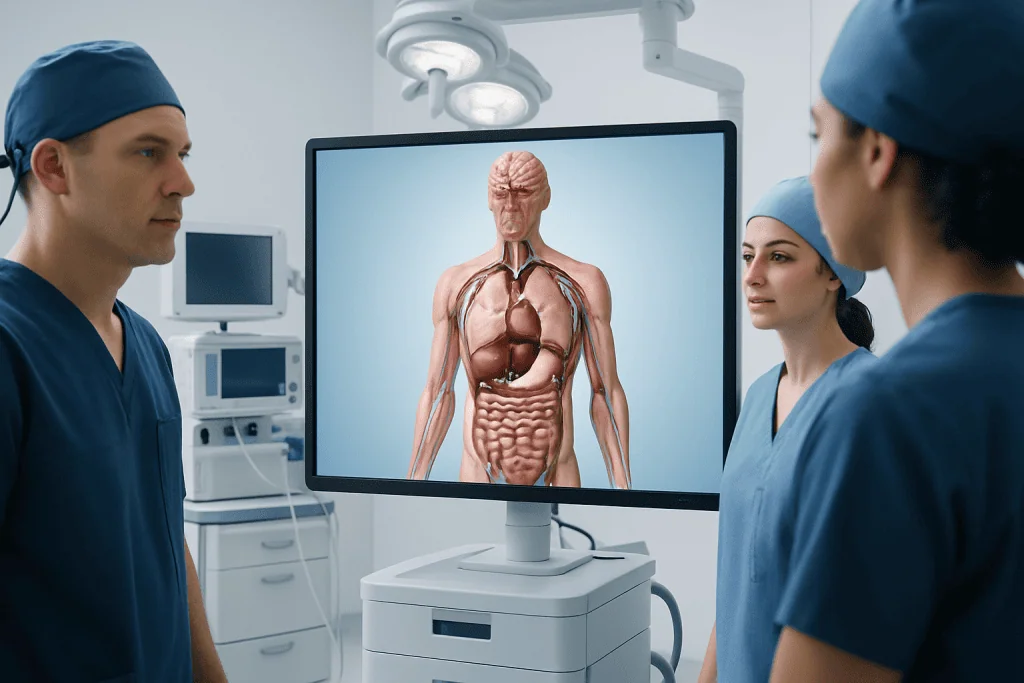
Organs are organized into body systems. The cardiovascular system includes the heart and blood vessels, which move oxygen and nutrients through the body. The respiratory system includes the lungs and airways, which bring in oxygen and remove carbon dioxide. The digestive system includes the stomach, intestines, liver, pancreas, and gallbladder, which break down food, absorb nutrients, and process waste.
Other important systems include the nervous system, centered around the brain, spinal cord, and nerves; the urinary system, including the kidneys and bladder; and the endocrine system, which uses glands and hormones to regulate growth, metabolism, and reproduction. The immune and lymphatic systems help defend the body against infection and help manage fluid balance.
Because these systems interact, symptoms can overlap. Shortness of breath may come from the lungs, heart, blood, or even anxiety. Abdominal pain can involve the stomach, liver, pancreas, intestines, or kidneys. This is one reason diagnosis may require careful history-taking, examination, and more than one test.
- The heart pumps blood.
- The lungs exchange oxygen and carbon dioxide.
- The liver processes nutrients and helps remove toxins.
- The kidneys filter blood and balance fluids and minerals.
- The brain coordinates movement, sensation, memory, and behavior.
Common signs that an organ may not be functioning well

Symptoms of organ problems depend on which organ is affected and how severe the issue is. Some symptoms are general, such as fatigue, weakness, unexplained weight changes, fever, loss of appetite, or swelling. These do not always point to one clear cause, but they can suggest that the body is under stress and should be assessed if they persist.
More specific symptoms can provide clues. Chest pain, palpitations, or breathlessness may suggest heart or lung involvement. Yellowing of the skin or eyes can point to liver or bile duct problems. Changes in urination, blood in the urine, or leg swelling may suggest kidney disease. Headaches, numbness, confusion, seizures, or sudden weakness may involve the brain or nervous system.
Digestive symptoms such as nausea, vomiting, persistent abdominal pain, altered bowel habits, bloating, or bleeding can relate to the stomach, intestines, pancreas, or liver. Skin changes may reflect a skin disorder, but they can also be linked to internal illness. Patients do not need to identify the exact organ themselves, but patterns and duration of symptoms are important to share with a doctor.
Some organ conditions are silent in the early stages. High blood pressure can damage the heart and kidneys over time without obvious symptoms. Fatty liver disease may be found only on tests. Routine checkups and preventive screening can therefore play an important role in protecting organ health.
What can affect organ health
Many factors can influence how well organs function. Infections, inflammation, inherited conditions, autoimmune disease, poor blood flow, injuries, tumors, and age-related wear can all damage organs. Lifestyle also matters. Smoking affects the lungs, heart, and blood vessels; excess alcohol can harm the liver and pancreas; and long-term poor nutrition may contribute to obesity, diabetes, and cardiovascular disease.
Common chronic conditions can place extra strain on several organs at once. Diabetes can affect the kidneys, eyes, nerves, heart, and blood vessels. High cholesterol can increase the risk of heart and vascular disease. Long-standing high blood pressure may lead to complications involving the heart, brain, and kidneys. In some people, untreated infection can also spread and interfere with organ function.
Medication use is another factor. Many medicines are safe when used as directed, but some can affect the liver, kidneys, stomach, or other organs, especially if taken incorrectly or combined with alcohol or certain supplements. Patients should tell their doctor about all prescription medicines, over-the-counter products, and herbal remedies they use.
Family history can also raise risk for certain disorders, including some cancers, polycystic kidney disease, liver disorders, or inherited heart conditions. In people with ongoing digestive complaints, doctors may also evaluate conditions such as Crohn’s disease when symptoms and examination findings fit.
How doctors diagnose organ problems
Diagnosis usually begins with a detailed medical history and physical examination. A doctor may ask when symptoms started, whether they are constant or intermittent, what makes them better or worse, and whether there is a relevant personal or family history. These details help guide the next step and avoid unnecessary testing.
Blood tests and urine tests are often used to assess organ function. Examples include kidney function tests, liver enzymes, blood sugar, thyroid hormone levels, inflammatory markers, and blood cell counts. Depending on the symptoms, doctors may also use electrocardiography, lung function tests, stool tests, or neurological examination.
Imaging plays an important role when structure needs to be assessed. Ultrasound can evaluate organs such as the liver, gallbladder, kidneys, thyroid, and reproductive organs. CT and MRI scans can help examine the chest, abdomen, brain, spine, and blood vessels. If a more detailed look is needed, doctors may recommend endoscopy for the digestive tract or colonoscopy to assess the large intestine when bowel symptoms, bleeding, or screening needs are present.
Sometimes a tissue sample is needed to confirm a diagnosis. This is called a biopsy. It can help determine whether inflammation, infection, scarring, or cancer is present. Not every organ problem requires invasive testing, but doctors may suggest it when the result is likely to change treatment decisions.
Treatment options depend on the organ and the cause
Treatment is guided by the affected organ, the underlying cause, and how advanced the condition is. In many cases, treatment starts with supportive care and lifestyle changes. This may include improving diet, stopping smoking, reducing alcohol, controlling weight, managing stress, and increasing physical activity when appropriate. Conditions such as high blood pressure, diabetes, and high cholesterol often need active management to protect organs from further damage.
Medicines may be used to reduce inflammation, treat infection, support hormone balance, control symptoms, improve blood flow, or help an organ work more efficiently. For example, some heart, lung, digestive, and endocrine conditions respond well to long-term medical treatment. Patients should follow treatment plans carefully and attend regular reviews so doctors can monitor both benefit and side effects.
Procedures or surgery may be recommended when medicines alone are not enough. Examples include draining a blockage, removing gallstones, treating tumors, repairing blood vessels, or operating on a damaged organ. For some advanced diseases, highly specialized care may be needed, including organ transplantation in selected cases where an organ has failed and other options are no longer effective.
When symptoms suggest a serious bowel, liver, kidney, heart, or neurological problem, coordinated care across specialties can be important. Near the end of the care pathway, international patients may choose centers such as Acibadem International, where multidisciplinary specialists in JCI-accredited hospitals evaluate and treat complex organ-related conditions.
Prevention and self-care for healthy organs
Many steps that support one organ also benefit the whole body. A balanced eating pattern, regular exercise, adequate sleep, stress management, and avoiding tobacco are among the most effective ways to maintain organ health. Staying well hydrated and limiting excess alcohol can also support the kidneys, liver, and general metabolism.
Preventive care matters. Routine blood pressure checks, blood sugar testing when appropriate, cholesterol screening, vaccination, and age-appropriate cancer screening can help detect health issues before they lead to organ damage. People with chronic conditions should keep regular follow-up appointments and take prescribed medicines as directed.
It is also sensible to be careful with self-medication. Repeated use of some pain relievers, supplements, or unregulated products can affect the liver, kidneys, or stomach. Any new or persistent symptom should be discussed with a qualified clinician rather than treated repeatedly at home without advice.
For people who already have an organ-related diagnosis, self-care means learning warning signs, understanding medicines, and knowing when monitoring is due. Written questions, symptom diaries, and home measurements such as blood pressure or blood glucose can help support safer long-term care.
When to seek medical care
Medical advice should be sought if symptoms are persistent, worsening, or unexplained. This includes ongoing pain, new swelling, repeated vomiting, changes in bowel or bladder habits, unexplained fatigue, jaundice, blood in urine or stool, or weight loss without trying. These symptoms do not always mean serious disease, but they deserve proper assessment.
Urgent medical care is needed for chest pain, sudden shortness of breath, fainting, severe allergic reactions, major bleeding, seizures, sudden weakness on one side, trouble speaking, or sudden confusion. These symptoms may indicate a problem involving the heart, lungs, brain, or blood vessels and should not be ignored. Symptoms suggestive of acute stroke or a major heart attack require immediate emergency evaluation.
Patients with known chronic organ disease should also contact their doctor if usual symptoms change, medicines cause side effects, or follow-up tests are overdue. Early review often makes treatment simpler and may reduce the risk of complications.
Frequently asked questions
What is an organ in the human body?
An organ is a body structure made of different tissues that work together to perform a specific function. Examples include the heart, liver, lungs, kidneys, brain, and skin.
How many organs are in the body?
There is no single number that all sources use, partly because some structures are counted differently. In general, the body contains many major and minor organs that work together in organ systems.
Can one organ problem affect other organs?
Yes. The organs are closely connected through blood flow, hormones, nerves, and metabolism. A disease in one organ, such as the heart, liver, or kidneys, can sometimes place stress on other parts of the body.
How do doctors know which organ is causing symptoms?
Doctors use the pattern of symptoms, a physical exam, and tests such as blood work, urine tests, and imaging. Sometimes endoscopy, heart tests, or a biopsy are also needed to identify the exact cause.
Can organs heal after damage?
Some organs can recover partially or even well if the cause is found early and treated. Recovery depends on the organ involved, the type of damage, how severe it is, and the person's overall health.
What is the best way to keep organs healthy?
Healthy habits protect many organs at once. These include not smoking, limiting alcohol, eating a balanced diet, staying active, managing blood pressure and blood sugar, sleeping well, and having regular checkups.
References
- World Health Organization
- MedlinePlus
- National Institutes of Health
- Centers for Disease Control and Prevention
- Mayo Clinic
This article is for general information only and is not a substitute for professional medical advice. Please consult a qualified doctor about your individual situation.
Persistent digestive symptoms? Get evaluated in Turkey
JCI-accredited · board-certified surgeons · reply within 24h
Add us as a Preferred Source to see more of our trusted health content across Google Search, AI Overviews and Discover.
Check your numbers in seconds
BMI, calories, due date, blood pressure and 30+ more clinical calculators — free, instant, doctor-reviewed ranges.