

Orthodontic Treatment: Braces, Clear Aligners, and Bite Correction
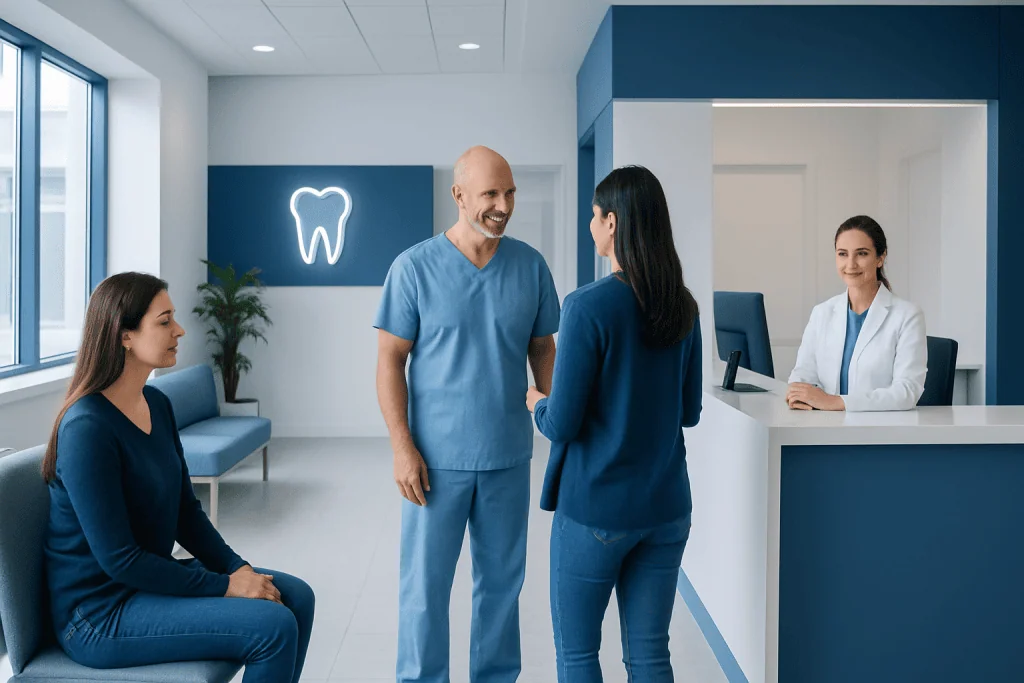
Orthodontic treatment can improve tooth alignment, bite function, oral hygiene, and smile appearance. Braces and clear aligners work differently, and the best option depends on the complexity of the case and patient cooperation.
Key Takeaways
- Orthodontic treatment can improve tooth alignment, bite function, oral hygiene, and smile appearance.
- Braces and clear aligners work differently, and the best option depends on the complexity of the case and patient cooperation.
- A full orthodontic assessment usually includes an oral examination, photographs, X-rays, and digital or physical models of the teeth.
- Treatment time varies widely and may include an active phase followed by long-term retainer use.
- Good brushing, flossing, regular dental checkups, and following the orthodontist's instructions are essential for safe results.
Orthodontic treatment helps align teeth and correct bite problems so the teeth, jaws, and smile work together more comfortably. Braces, clear aligners, and other orthodontic appliances can be used for children, teenagers, and adults depending on the diagnosis and treatment goals.
Overview
Orthodontic treatment is a branch of dentistry that focuses on guiding teeth and jaws into healthier positions. It is commonly associated with straightening crowded or spaced teeth, but its purpose is broader than appearance alone. A well-planned orthodontic treatment can improve how the upper and lower teeth meet, support comfortable chewing, make cleaning easier, and help reduce abnormal wear on teeth.
Orthodontic care may involve fixed braces, clear aligners, retainers, growth-guidance appliances, or other bite-correction devices. Treatment is tailored to the individual because every mouth has a different combination of tooth size, jaw shape, facial growth pattern, gum health, and lifestyle needs. Some people need minor tooth movement, while others need comprehensive correction of crowding, spacing, deep bite, open bite, crossbite, or overjet.
Children, teenagers, and adults can all benefit from orthodontic evaluation. In children, the orthodontist may monitor growth or intervene early if jaw development or tooth eruption needs guidance. In adults, treatment can often be successful as long as the teeth and supporting gums are healthy, although planning may need to consider existing fillings, crowns, implants, gum recession, or missing teeth.
Common Reasons for Orthodontic Treatment
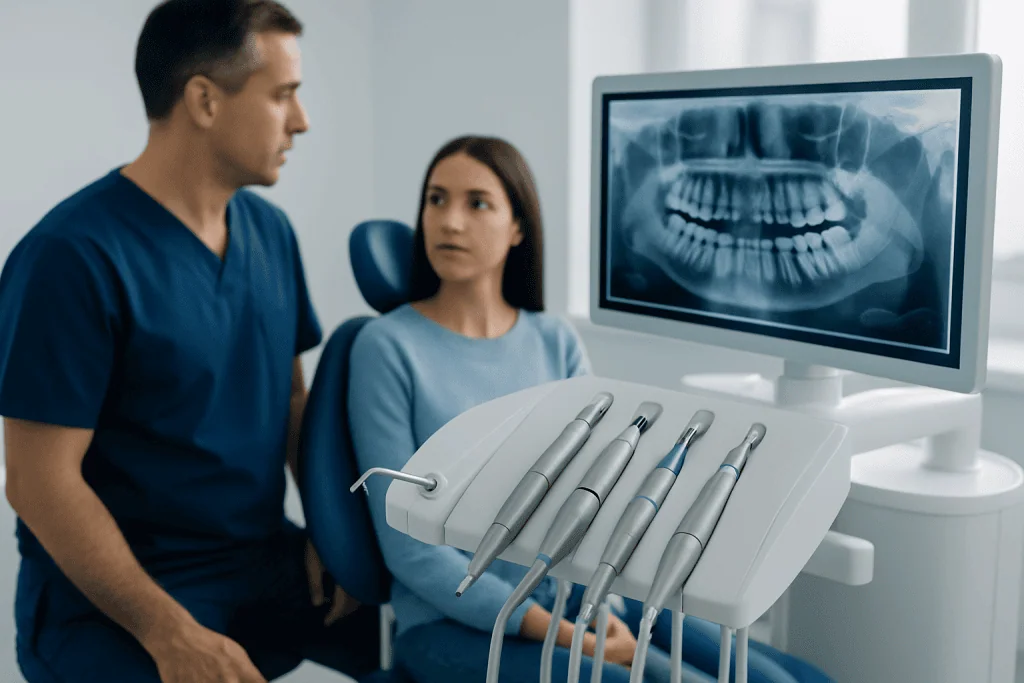
Many people seek orthodontic treatment because their teeth look crowded, rotated, or uneven. However, orthodontists also evaluate the bite, which describes how the upper and lower teeth come together. A bite problem, also called malocclusion, can affect chewing efficiency, speech in some cases, and the distribution of forces across teeth and jaw joints.
Common orthodontic concerns include crowded teeth, gaps between teeth, protruding upper front teeth, a deep bite where the upper front teeth cover too much of the lower teeth, an open bite where some teeth do not touch, and a crossbite where upper teeth sit inside lower teeth. Some patients also have underbite patterns, impacted teeth that cannot erupt normally, or shifting caused by missing teeth.
Signs that an orthodontic assessment may be useful include:
- Difficulty biting or chewing certain foods comfortably
- Teeth that overlap and are hard to clean
- Frequent cheek or lip biting due to tooth position
- Upper or lower teeth that do not meet evenly
- Visible changes in tooth alignment over time
- Concern about smile appearance or facial balance
Braces, Clear Aligners, and Other Appliances

Traditional braces use small brackets attached to the teeth and connected with orthodontic wires. The wires apply gentle, continuous forces that move teeth gradually. Braces can be made of metal or tooth-colored ceramic materials. Because they are fixed in place, they can be especially useful for complex movements, significant rotations, bite correction, or cases where consistent wear of removable appliances may be difficult.
Clear aligners are removable, transparent trays designed to move teeth step by step. Each set is worn for a prescribed period before changing to the next aligner. Aligners are popular because they are discreet and can be removed for eating, brushing, and flossing. They require excellent patient cooperation, since treatment progress depends on wearing them for the recommended daily hours. Aligners may not be the best option for every bite problem, but advances in digital planning have made them suitable for many mild to moderate cases and some complex cases under specialist supervision.
Other orthodontic appliances may be recommended depending on age and diagnosis. These can include palatal expanders to widen a narrow upper jaw in growing patients, space maintainers, functional appliances that influence jaw growth, elastics to improve the bite, or temporary anchorage devices used in selected cases to support specific tooth movements. Retainers are also a key part of care; they help maintain the new tooth positions after active treatment ends.
Diagnosis and Treatment Planning
A careful diagnosis is the foundation of safe orthodontic treatment. The orthodontist examines the teeth, gums, jaw relationship, facial proportions, and how the teeth contact during biting. The visit also includes a discussion of the patient’s concerns, oral hygiene habits, previous dental work, medical history, and expectations. For younger patients, growth and eruption patterns are an important part of the assessment.
Diagnostic records may include dental photographs, X-rays, and digital scans or impressions of the teeth. Panoramic X-rays can show tooth roots, developing teeth, missing teeth, impacted teeth, and bone levels. A cephalometric X-ray may be used to evaluate jaw relationships and facial growth patterns. Digital scans allow the orthodontist to study tooth positions and, in aligner cases, plan staged movements using specialized software.
After reviewing the findings, the orthodontist explains the treatment options, estimated treatment duration, possible limitations, and responsibilities during care. In some cases, orthodontic treatment is coordinated with other dental specialties, such as periodontics for gum health, prosthodontics for missing teeth or restorations, oral surgery for impacted teeth, or pediatric dentistry for children. A good treatment plan balances function, health, stability, and appearance.
What to Expect During Treatment
Orthodontic treatment usually begins with placement of braces or delivery of the first clear aligners. For braces, the brackets are bonded to the teeth and connected with wires. For aligners, the patient receives a series of trays and instructions on wear, insertion, removal, cleaning, and storage. Attachments, which are small tooth-colored shapes bonded to the teeth, may be used with aligners to help guide movements.
Patients should expect regular follow-up appointments. With braces, the orthodontist adjusts wires, checks tooth movement, and may provide elastics or other accessories. With aligners, appointments are used to monitor tracking, provide new aligners, and make refinements when necessary. Mild pressure or soreness is common after adjustments or when changing aligners, and it usually improves as the mouth adapts.
The length of orthodontic treatment varies depending on the complexity of the bite, the amount of tooth movement needed, growth factors, and how well the patient follows instructions. Simple cases may take a shorter time, while comprehensive bite correction can take longer. After active treatment, retainers are essential because teeth naturally tend to shift. Retainer wear is often long term, and the orthodontist will explain a schedule suited to the patient.
Benefits, Limitations, and Possible Risks
Orthodontic treatment can offer important benefits. Straighter teeth are often easier to brush and floss, which may support better oral hygiene. Bite correction can help distribute chewing forces more evenly and may reduce abnormal tooth wear in selected cases. Many patients also feel more confident about their smile, which can be a meaningful part of overall well-being.
Like any dental treatment, orthodontics has limitations and possible risks. Tooth movement depends on the health of the teeth, roots, bone, and gums. Poor oral hygiene during treatment can lead to plaque buildup, gum inflammation, tooth decay, or white spot lesions on the enamel. Some patients may experience root shortening, gum recession, or relapse of tooth positions after treatment, particularly if retainers are not worn as instructed.
Clear communication helps reduce risk. Patients should tell the orthodontist about discomfort that does not improve, broken brackets, lost aligners, loose appliances, or difficulty wearing elastics. People with gum disease, untreated cavities, or significant dental problems may need treatment from a general dentist or specialist before orthodontics begins. Regular dental cleanings remain important throughout orthodontic care.
Prevention, Self-care, and When to See an Orthodontist
Good daily care is essential during orthodontic treatment. Patients with braces should brush carefully around brackets and wires, use floss threaders or interdental brushes when recommended, and limit sticky or very hard foods that can damage appliances. Patients using clear aligners should remove them for eating and drinking anything other than water, clean the teeth before reinserting them, and keep aligners in their case when not in use.
Self-care also includes keeping appointments and following instructions about elastics, aligner wear, appliance care, and retainers. Skipping visits or not wearing appliances as prescribed can slow progress or affect the final result. A balanced diet, fluoride toothpaste, and regular checkups with a general dentist help protect teeth and gums during treatment.
An orthodontic consultation is appropriate when teeth are crowded, spaced, shifting, or when the bite feels uncomfortable or uneven. Children may benefit from an orthodontic evaluation once permanent teeth begin erupting, especially if there are concerns about jaw growth, crossbite, early or late tooth loss, or impacted teeth. Adults should seek assessment if they are interested in alignment, bite correction, or preparing the mouth for restorative dental work. Acibadem International’s multidisciplinary dental specialists and JCI-accredited hospitals diagnose and treat orthodontic and dental conditions for international patients, with care plans adapted to individual needs.
Frequently asked questions
What is the best age to start orthodontic treatment?
There is no single best age for everyone. Many children are first evaluated when permanent teeth begin to erupt, because early assessment can identify growth or eruption problems. Teenagers commonly start comprehensive treatment, and adults can also have orthodontic treatment if their teeth and gums are healthy.
Are clear aligners as effective as braces?
Clear aligners can be very effective for many alignment and bite problems, especially when worn exactly as instructed. Braces may be preferred for more complex tooth movements, severe rotations, or certain bite corrections. The orthodontist recommends the most suitable option after a full examination.
Does orthodontic treatment hurt?
Orthodontic treatment should not be severely painful, but mild pressure or tenderness is common after braces are adjusted or when a new aligner is started. This usually improves within a few days. Persistent pain, sores, or broken appliances should be reported to the orthodontic team.
How long does orthodontic treatment take?
Treatment time depends on the complexity of the case, the type of appliance, growth factors, and patient cooperation. Minor alignment may take less time, while comprehensive bite correction can take longer. The orthodontist can provide an estimated timeline after reviewing diagnostic records.
Can adults get braces or clear aligners?
Yes, adults can often have successful orthodontic treatment. The main requirements are healthy gums, stable bone support, and a treatment plan that considers existing dental work such as crowns, implants, or missing teeth. Adults may need coordinated care with other dental specialists.
Why are retainers needed after orthodontic treatment?
Teeth naturally tend to shift after braces or aligners are completed. Retainers help hold the teeth in their corrected positions while the surrounding tissues adapt. Long-term retainer use is commonly recommended to maintain the result.
References
- American Association of Orthodontists
- World Federation of Orthodontists
- American Dental Association
- European Federation of Orthodontic Specialists
- National Institute of Dental and Craniofacial Research
This article is for general information only and is not a substitute for professional medical advice. Please consult a qualified doctor about your individual situation.
Explore treatments in Turkey — costs, top hospitals & a free quote
JCI-accredited · board-certified surgeons · reply within 24h
Add us as a Preferred Source to see more of our trusted health content across Google Search, AI Overviews and Discover.

Dental & Oral Health
Full-scope dental care from implants and aesthetics to oral and maxillofacial surgery.
158 specialists in this unitRelated Treatments
More from the Health Library



Related Specialists

Assoc. Prof. Dr. Ferit Bayram
Oral & Dental Health
Dt. Alara Naz Kenir
Oral & Dental Health
Dt. Gonca Katmer
Oral & Dental HealthDt. Doğa Baysal
Oral & Dental Health