Orthopaedic Operations: Common Types and Why They’re Done

Orthopaedic operations include procedures for joints, fractures, ligaments, tendons, and the spine. Surgery is usually considered after symptoms, function, imaging, and response to non-surgical treatment are carefully reviewed.
Key Takeaways
- Orthopaedic operations include procedures for joints, fractures, ligaments, tendons, and the spine.
- Surgery is usually considered after symptoms, function, imaging, and response to non-surgical treatment are carefully reviewed.
- Common operations include joint replacement, arthroscopy, fracture fixation, spinal procedures, and soft tissue repair.
- Recovery varies by procedure, but rehabilitation and physiotherapy are often important parts of healing.
- The best operation depends on the exact diagnosis, age, activity level, general health, and personal goals.
Orthopaedic operations are procedures used to treat problems affecting bones, joints, muscles, ligaments, tendons, and the spine. They may help relieve pain, improve movement, repair injuries, and restore function when non-surgical care is not enough.
Overview of Orthopaedic Operations
Orthopaedic operations are surgical procedures that treat conditions involving the musculoskeletal system. This system includes bones, joints, cartilage, muscles, ligaments, tendons, and the spine. The goal of surgery may be to relieve pain, correct deformity, repair damaged tissue, stabilize an injury, or help a person return to normal daily activities.
Not every orthopaedic problem requires surgery. In many cases, doctors first recommend treatments such as rest, physiotherapy, medicines, braces, injections, activity changes, or weight management. Surgery is generally considered when symptoms continue, function becomes limited, or imaging shows a problem that is unlikely to improve without an operation.
Orthopaedic operations range from minimally invasive procedures, such as arthroscopy, to larger operations such as joint replacement or spinal surgery. The exact procedure depends on the body part involved, the underlying diagnosis, the severity of symptoms, and the person’s age, lifestyle, and overall health.
Common Types of Orthopaedic Surgery
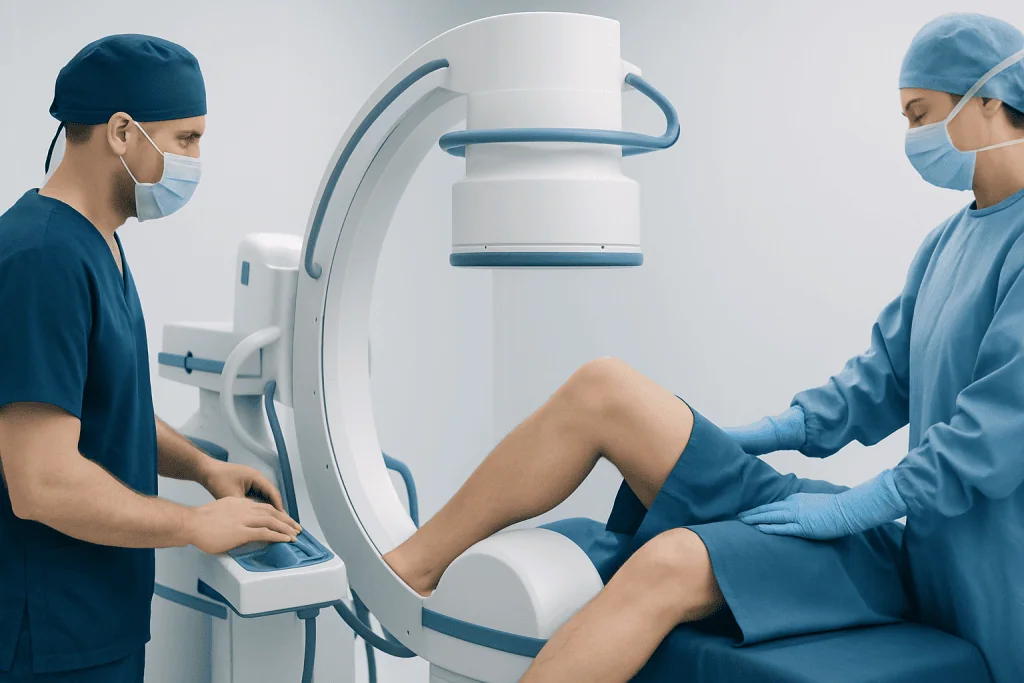
There are many types of orthopaedic operations, and each is designed to solve a specific structural problem. Some procedures repair injured tissues, while others replace worn or damaged joints. The most common categories include fracture surgery, arthroscopy, ligament and tendon repair, joint replacement, and selected spine operations.
Fracture surgery is performed when a broken bone is unstable, displaced, involves a joint, or is unlikely to heal properly with casting alone. Surgeons may use plates, screws, rods, or pins to hold the bone in the correct position while it heals. This is often called internal fixation.
Arthroscopy is a minimally invasive technique in which a small camera and instruments are inserted through tiny incisions into a joint. It is commonly used for the knee, shoulder, ankle, hip, or wrist. Arthroscopy can help diagnose and treat problems such as cartilage damage, torn meniscus, inflamed tissue, or loose fragments inside the joint. In some situations, this may be part of a broader plan for orthopedic rehabilitation.
Joint replacement surgery is often used when arthritis or severe joint damage causes ongoing pain and stiffness. In these operations, damaged joint surfaces are replaced with artificial components. The most familiar examples are knee replacement and hip replacement, though shoulder and other joint replacements may also be performed.
Why These Operations Are Done
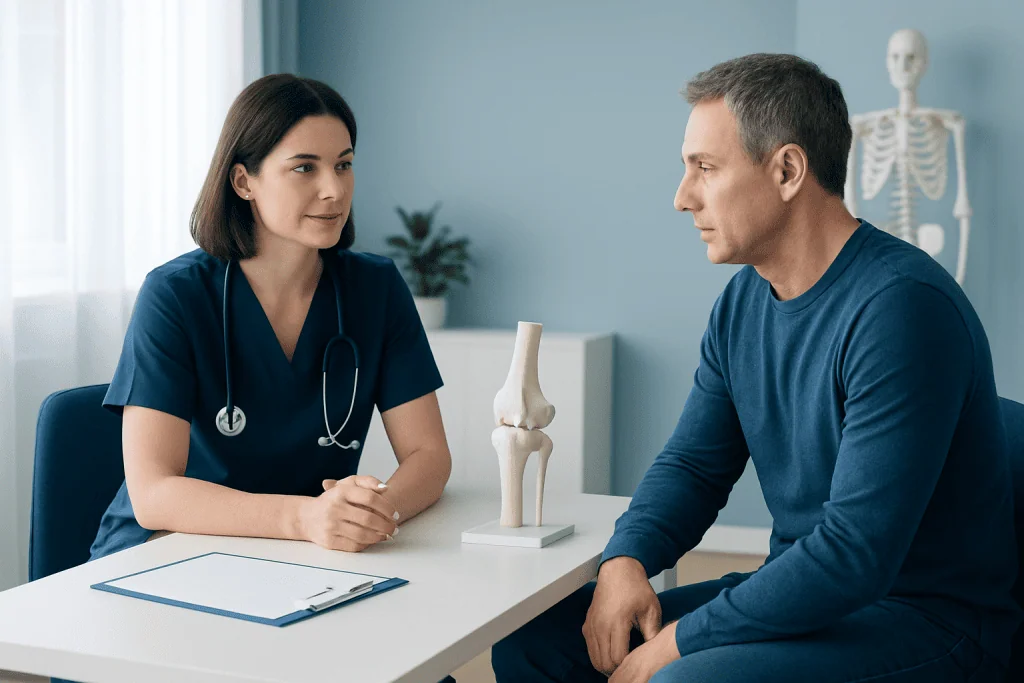
Orthopaedic operations are done for several main reasons: to reduce pain, improve movement, restore stability, correct structural damage, and help protect long-term function. For some people, surgery makes it easier to walk, climb stairs, work, exercise, or sleep more comfortably. For others, it helps repair an injury before it causes lasting weakness or joint damage.
Arthritis is one of the most common reasons for surgery, especially in the hips and knees. Conditions such as osteoarthritis can gradually wear away cartilage, leading to pain, stiffness, swelling, and reduced mobility. When symptoms become severe and non-surgical measures no longer provide enough relief, joint replacement may be recommended. This may apply to conditions like osteoarthritis.
Sports injuries and traumatic injuries are also frequent reasons for orthopaedic operations. Torn ligaments, tendon ruptures, cartilage injuries, and complex fractures may need surgical repair to restore strength and joint stability. In the spine, surgery may be considered when there is persistent nerve compression, spinal instability, or symptoms that significantly affect quality of life, such as those related to herniated disc in selected cases.
Symptoms and Conditions That May Lead to Surgery
Doctors usually do not recommend surgery based on imaging alone. They look at symptoms, physical examination findings, the effect on daily activities, and the expected benefits of treatment. Common symptoms that may lead to orthopaedic evaluation include ongoing joint pain, swelling, stiffness, locking, clicking, weakness, deformity, numbness, or difficulty walking.
Some conditions develop slowly over time, while others happen suddenly after an accident or sports injury. Degenerative conditions may include osteoarthritis, rotator cuff tears, spinal stenosis, or tendon wear. Acute injuries may include fractures, dislocations, ligament tears, or tendon ruptures. In children and older adults, the causes and treatment goals may be different, so age is also an important part of decision-making.
Orthopaedic operations may be considered for conditions such as:
- Advanced arthritis causing severe pain and reduced mobility
- Broken bones that are displaced, unstable, or involve the joint
- Torn ligaments such as the anterior cruciate ligament (ACL)
- Meniscus tears or cartilage injuries causing locking or persistent pain
- Rotator cuff tears affecting shoulder strength and movement
- Spinal disc problems, instability, or nerve compression not improving with conservative care
How Doctors Decide Which Operation Is Needed
Choosing the right orthopaedic operation begins with an accurate diagnosis. The doctor usually asks about symptoms, previous injuries, medical history, activity level, and treatment already tried. A physical examination helps assess pain points, swelling, range of motion, muscle strength, balance, joint stability, and nerve function.
Imaging tests often guide the decision. X-rays are useful for bones, alignment, arthritis, and many fractures. MRI can show ligaments, tendons, cartilage, discs, and other soft tissues. CT scans may help with complex fractures or detailed bone anatomy. Ultrasound may be used in some tendon or soft tissue problems. Sometimes blood tests are also ordered to rule out infection, inflammation, or other medical causes of symptoms.
Surgery is recommended only after weighing expected benefits and possible risks. The surgeon considers whether the problem can be managed safely without an operation, how likely symptoms are to improve, and what kind of recovery is required. Shared decision-making is important, and patients are encouraged to ask about alternatives, likely results, rehabilitation needs, and when they can expect to return to normal activities.
Treatment Options, Recovery, and Rehabilitation
Orthopaedic treatment often follows a stepwise approach. Non-surgical care may include pain-relieving medicines, anti-inflammatory treatment, physiotherapy, exercise modification, splints or braces, injections, and lifestyle measures. When these approaches do not provide adequate relief, surgery may be the next step.
Recovery depends on the type of operation, the body area involved, and the person’s general health. Some minimally invasive procedures allow a relatively quick return home and faster early movement. Larger procedures, such as joint replacement or major fracture repair, may require a longer healing period and a more structured rehabilitation plan. Temporary swelling, stiffness, and activity restrictions are common during early recovery.
Rehabilitation is often one of the most important parts of successful treatment. Guided exercise can help improve range of motion, rebuild strength, restore balance, and reduce the risk of stiffness or re-injury. Some patients may benefit from a supervised program after procedures such as ACL surgery or joint replacement. Near the end of the care pathway, Acibadem International’s multidisciplinary specialists in JCI-accredited hospitals diagnose and treat orthopaedic conditions for international patients.
As with any surgery, there are potential risks, including infection, bleeding, blood clots, stiffness, implant-related problems, delayed healing, or persistent symptoms. However, careful planning, appropriate patient selection, and adherence to rehabilitation advice help improve outcomes. The surgical team will explain the specific risks and expected recovery for each procedure.
Prevention, Self-care, and When to See a Doctor
Not all orthopaedic problems can be prevented, but healthy habits can lower the risk of injury and joint damage. Regular strength and flexibility exercises support the muscles around joints. Good technique during sports, proper footwear, maintaining a healthy weight, and avoiding overuse can also protect the bones and soft tissues.
Early self-care after a mild injury may include rest, limiting painful activity, applying ice, elevating the affected area, and seeking guidance about safe movement. Still, persistent pain should not be ignored. Continuing to play sports or work through significant pain can sometimes worsen tissue damage and make recovery more difficult.
A person should see a doctor if pain lasts more than a few days, if there is major swelling, obvious deformity, inability to bear weight, weakness, repeated joint instability, numbness, fever with joint pain, or loss of bladder or bowel control with back symptoms. These signs do not always mean surgery is needed, but they do require timely medical assessment. Prompt evaluation helps identify whether the condition can be managed conservatively or whether an orthopaedic operation should be considered.
Frequently asked questions
What are orthopaedic operations?
Orthopaedic operations are procedures used to treat problems affecting bones, joints, ligaments, tendons, muscles, and the spine. They may repair injuries, correct deformities, stabilize fractures, or replace damaged joints.
What is the most common reason for orthopaedic surgery?
Common reasons include arthritis, fractures, sports injuries, tendon tears, and spinal problems. In many adults, severe joint pain and loss of mobility from arthritis are among the leading reasons surgery is considered.
Are all orthopaedic operations major surgery?
No. Some procedures are minimally invasive, such as arthroscopy, and may involve smaller incisions and shorter recovery times. Others, such as joint replacement or complex fracture repair, are more extensive and need a longer rehabilitation period.
How do doctors know if surgery is necessary?
Doctors look at symptoms, physical examination findings, imaging results, and how much the condition affects daily life. Surgery is usually recommended when non-surgical treatment has not helped enough or when the injury or condition is unlikely to heal properly without an operation.
How long does recovery take after orthopaedic surgery?
Recovery varies widely depending on the type of operation, age, general health, and rehabilitation plan. Some people recover in weeks, while others may need several months to regain strength and function.
Will physiotherapy be needed after surgery?
In many cases, yes. Physiotherapy can help reduce stiffness, improve movement, rebuild strength, and support a safer return to daily activities, work, or sports.
References
- American Academy of Orthopaedic Surgeons
- National Institute of Arthritis and Musculoskeletal and Skin Diseases
- National Health Service
- OrthoInfo
- MedlinePlus
This article is for general information only and is not a substitute for professional medical advice. Please consult a qualified doctor about your individual situation.
Joint and spine care in Turkey — expert assessment & treatment
JCI-accredited · board-certified surgeons · reply within 24h
Add us as a Preferred Source to see more of our trusted health content across Google Search, AI Overviews and Discover.

Orthopedics & Spine
Care for bones, joints and the musculoskeletal system, including joint replacement, sports injuries and trauma.
125 specialists in this unitMore from the Health Library



Related Specialists
Dr. Abdullah Özel
Pediatric Surgery
Dr. Ersen Hürmüzlü
Infectious Diseases & Clinical Microbiology
Dr. Gülistan Yeşilyurt
Emergency Service
Prof. Dr. Gökhan Demir
Medical Oncology