Orthopedic Surgery: What Happens Before, During, and After

Orthopedic surgery is used when symptoms, injury, or loss of function do not improve enough with non-surgical care. Preparation often includes medical evaluation, imaging, medication review, and planning for rehabilitation at home.
Key Takeaways
- Orthopedic surgery is used when symptoms, injury, or loss of function do not improve enough with non-surgical care.
- Preparation often includes medical evaluation, imaging, medication review, and planning for rehabilitation at home.
- The exact procedure depends on the affected bone, joint, or soft tissue, but patient safety and pain control are central throughout.
- Recovery may involve wound care, pain management, physical therapy, and gradual return to normal activities.
- Following the surgeon’s instructions closely can support healing and help reduce complications.
Orthopedic surgery includes procedures that treat problems affecting bones, joints, ligaments, tendons, and muscles. Understanding what happens before, during, and after surgery can help patients feel more prepared and take an active role in recovery.
Overview of Orthopedic Surgery
Orthopedic surgery is a broad field of medicine focused on diagnosing and treating conditions of the musculoskeletal system. This includes bones, joints, cartilage, ligaments, tendons, muscles, and related nerves. Surgery may be recommended for injuries, long-term wear and tear, structural problems, or conditions that cause pain and limit movement.
Not every orthopedic problem requires an operation. Many people improve with rest, medicines, physical therapy, injections, activity changes, or supportive devices such as braces. Surgery is usually considered when symptoms continue, daily function is reduced, or there is damage that is unlikely to heal well without an operation.
Orthopedic procedures range from minimally invasive techniques to more complex operations. Examples include fracture repair, ligament reconstruction, tendon repair, arthroscopy, spine procedures, and joint replacement. In some cases, surgery aims to relieve pain; in others, the goal is to restore stability, alignment, strength, or mobility.
Because every patient is different, treatment planning is individualized. The type of surgery chosen depends on the diagnosis, age, activity level, overall health, imaging results, and personal goals. A clear discussion with the orthopedic team helps patients understand the expected benefits, possible risks, and likely recovery path.
When Orthopedic Surgery May Be Recommended
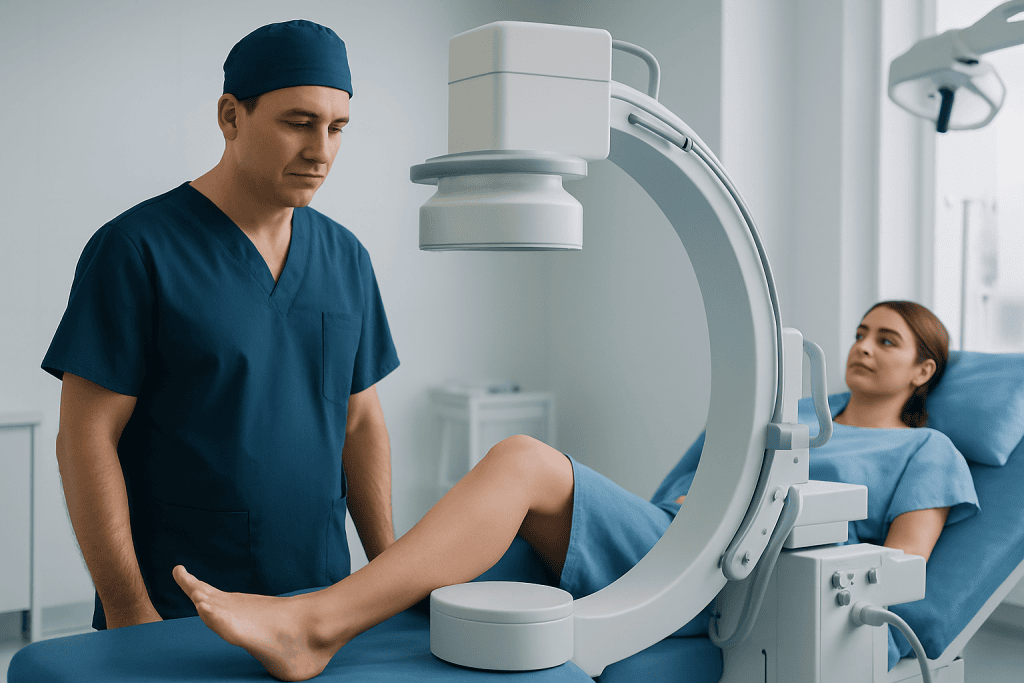
Doctors may recommend orthopedic surgery when a bone, joint, or soft tissue problem is causing persistent pain, stiffness, weakness, instability, or reduced ability to work, walk, sleep, or perform daily tasks. Surgery can also be necessary after sudden injuries such as fractures, dislocations, or torn ligaments, especially when normal alignment or function needs to be restored.
Common conditions that may lead to surgery include severe arthritis, sports injuries, broken bones, herniated discs, spinal compression, tendon tears, and deformities affecting movement. Some people are offered surgery after conservative treatments have been tried for weeks or months without enough relief. Others need earlier surgery because of the nature of the injury or the risk of long-term disability.
Examples of orthopedic operations include knee replacement for advanced joint damage, hip replacement when hip pain and stiffness limit daily life, and robotic-assisted knee replacement in selected patients when precise implant positioning is part of the surgical plan. Conditions such as osteoarthritis and scoliosis may also be managed surgically in certain cases after specialist assessment.
The decision to proceed with surgery is usually shared between the patient and the orthopedic specialist. The team will consider expected improvements in pain and function, the time needed for recovery, the chances of success, and whether non-surgical options remain reasonable. This balanced approach helps ensure that surgery is offered at the right time and for the right reasons.
What Happens Before Orthopedic Surgery

Preparation begins with a detailed consultation. The surgeon reviews symptoms, medical history, previous treatments, current medicines, allergies, and lifestyle factors such as smoking or physical activity. A physical examination and imaging tests, such as X-rays, MRI, CT scans, or ultrasound, help confirm the diagnosis and guide the surgical plan.
Patients often have a preoperative assessment to check general health and readiness for anesthesia. This may include blood tests, heart tests when needed, and review of chronic conditions such as diabetes, high blood pressure, or lung disease. If a person takes blood thinners or certain supplements, the medical team may advise temporary changes before surgery.
Good preparation also includes practical planning at home. Patients may need help with transport, dressing, bathing, meal preparation, or stairs after the operation. For some procedures, the doctor may recommend starting exercises in advance to strengthen nearby muscles and improve recovery. Learning how to use crutches, a walker, or a brace beforehand can also make the first days after surgery easier.
Before the operation, patients are usually told when to stop eating and drinking, which medicines to take on the day of surgery, and what to bring to the hospital. It is helpful to ask questions about pain control, hospital stay, rehabilitation, expected activity restrictions, and warning signs to watch for after discharge. Feeling informed can reduce uncertainty and improve confidence.
What Happens During the Procedure
The details of surgery vary widely, but a few steps are common. On the day of the procedure, the healthcare team confirms the patient’s identity, reviews the planned operation, and marks the correct surgical site when appropriate. An anesthesiologist or anesthesia team discusses whether the surgery will use general anesthesia, regional anesthesia, spinal anesthesia, or sedation, depending on the procedure and the patient’s health.
Once in the operating room, monitoring equipment checks heart rate, blood pressure, breathing, and oxygen levels throughout the procedure. The surgical area is cleaned carefully to reduce infection risk, and sterile techniques are used at all times. The surgeon then performs the operation using the planned approach, which may be open surgery or a smaller-incision method such as arthroscopy.
During orthopedic surgery, the surgeon may repair tissues, realign bones, stabilize fractures with plates, screws, rods, or pins, remove damaged tissue, or replace a worn joint with an artificial implant. In some cases, image guidance or specialized technology helps support precision. Safety, accurate technique, and protection of nearby nerves and blood vessels are key priorities throughout the operation.
After the procedure is completed, the incision is closed and dressed. The patient is then moved to a recovery area where nurses and doctors monitor comfort, breathing, circulation, and the early effects of anesthesia. Some orthopedic surgeries are done as day procedures, while others require one or more nights in the hospital.
Recovery After Orthopedic Surgery
Recovery starts immediately after surgery. In the early hours, the team focuses on pain control, nausea prevention, safe movement, and monitoring for any immediate concerns. Depending on the procedure, patients may be encouraged to begin gentle movement soon after surgery, as early mobilization can support circulation, reduce stiffness, and promote confidence.
Most patients receive instructions on caring for the wound, showering, bandage changes, and keeping the surgical area clean and dry. Swelling, bruising, and some discomfort are common in the first days or weeks, but these usually improve gradually. Rest, elevation, ice when advised, and prescribed pain relief can help manage symptoms during this period.
Rehabilitation is often a major part of orthopedic recovery. Physical therapy may help restore range of motion, build strength, improve balance, and retrain walking or function. Some procedures also require braces, slings, splints, or temporary limits on weight-bearing. Following these instructions carefully is important because tissues need time to heal in the correct position.
Recovery time varies depending on the type of operation, the body part involved, overall health, and how closely rehabilitation plans are followed. A simple arthroscopic procedure may allow a quicker return to routine activities, while major joint or spine surgery can take months of structured recovery. Regular follow-up visits allow the surgeon to check healing and adjust the plan as needed.
Risks, Possible Complications, and How They Are Reduced
Like all operations, orthopedic surgery carries some risks. These may include infection, bleeding, blood clots, delayed healing, stiffness, nerve or blood vessel injury, continued pain, or reactions related to anesthesia. In procedures involving implants, there can also be a risk of loosening, wear, dislocation, or the need for revision surgery over time.
It is important to remember that risk does not mean a complication will happen. Surgeons reduce these risks through careful planning, sterile technique, modern anesthesia practices, medication review, and monitoring before, during, and after surgery. Patients also play an important role by sharing complete medical information and following instructions about fasting, medicines, movement, and wound care.
Some factors can increase the chance of complications, including smoking, uncontrolled diabetes, obesity, poor circulation, low physical fitness, or certain immune conditions. Addressing modifiable risks before surgery may improve healing. For example, stopping smoking, controlling blood sugar, optimizing nutrition, and building strength can all support a smoother recovery.
Patients should contact their doctor promptly if they notice increasing redness, warmth, drainage from the wound, fever, severe calf pain or swelling, chest pain, shortness of breath, or sudden worsening of pain or function. Early medical review can help identify and treat complications quickly.
Self-care, Rehabilitation, and Returning to Daily Life
Successful recovery is not only about the operation itself. Daily self-care after orthopedic surgery can have a strong effect on comfort and function. This includes taking medicines as directed, protecting the surgical area, doing home exercises correctly, staying hydrated, eating balanced meals, and getting enough sleep to support tissue repair.
Rehabilitation goals usually progress step by step. At first, the focus may be on reducing swelling and pain while safely standing, walking, or moving the joint. Later, therapy often shifts toward improving strength, flexibility, endurance, and confidence in daily tasks. Returning too quickly to sport, heavy lifting, or driving can delay recovery, so timing should follow professional advice.
Emotional adjustment is also part of healing. Some people feel impatient, tired, or discouraged during recovery, especially after major surgery. Setting realistic milestones and understanding that progress may be gradual can help. Family support, clear communication with the care team, and adherence to follow-up appointments are valuable throughout the process.
Near the end of the recovery journey, many patients want guidance about work, travel, exercise, and long-term joint or bone protection. The orthopedic team can recommend safe ways to return to normal life and help reduce the risk of re-injury. For international patients, Acibadem International’s multidisciplinary specialists and JCI-accredited hospitals diagnose and treat orthopedic conditions and support surgical aftercare planning when needed.
When to See a Doctor
A person should consider seeing an orthopedic specialist if bone, joint, back, or muscle symptoms are persistent, worsening, or interfering with normal life. Warning signs include ongoing pain, repeated swelling, instability, locking of a joint, limited movement, difficulty walking, or weakness after an injury. Early assessment can help clarify whether non-surgical treatment is enough or whether further investigation is needed.
Immediate medical attention is important after a serious injury that may involve a fracture, dislocation, severe deformity, inability to bear weight, numbness, loss of circulation, or sudden loss of function. These problems may require urgent treatment to protect the affected limb or joint and improve the chance of good recovery.
Patients who are already scheduled for surgery should contact their healthcare team if they develop a new illness, fever, skin infection near the surgical area, or a change in medication before the operation. After surgery, they should not hesitate to report concerning symptoms or questions about healing, mobility, or pain control.
Orthopedic surgery can be highly effective when it is carefully selected, well planned, and followed by appropriate rehabilitation. A qualified doctor can explain the options clearly and help patients choose a path that matches their diagnosis, goals, and overall health.
Frequently asked questions
What is orthopedic surgery used for?
Orthopedic surgery is used to treat problems involving bones, joints, muscles, tendons, ligaments, and the spine. It may help relieve pain, repair injuries, correct deformities, or improve movement and function when non-surgical treatment is not enough.
Does every orthopedic condition need surgery?
No, many orthopedic conditions improve with rest, medicines, physical therapy, injections, or lifestyle changes. Surgery is usually considered when symptoms persist, function is limited, or the condition is unlikely to heal properly without an operation.
How long does recovery from orthopedic surgery take?
Recovery time depends on the type of procedure, the body area involved, and the patient’s general health. Some minor procedures may allow recovery within weeks, while larger operations such as joint replacement or spine surgery can require months of rehabilitation.
Will physical therapy be needed after orthopedic surgery?
Physical therapy is commonly recommended after many orthopedic procedures. It can help restore movement, strength, balance, and safe function, and it often plays a key role in achieving the best possible recovery.
What are the main risks of orthopedic surgery?
Possible risks include infection, bleeding, blood clots, stiffness, delayed healing, and anesthesia-related complications. The exact risks vary by procedure, but careful preparation, experienced surgical care, and following postoperative instructions help reduce them.
How should a patient prepare for orthopedic surgery?
Preparation may include medical tests, imaging, medication review, and practical planning for help at home after surgery. Patients should also ask about fasting, wound care, activity restrictions, and rehabilitation so they know what to expect.
When should someone call the doctor after surgery?
A doctor should be contacted if there is increasing redness, swelling, drainage, fever, worsening pain, calf swelling, chest pain, or shortness of breath. Prompt advice is also important if there are concerns about the wound, mobility, or medicines.
References
- American Academy of Orthopaedic Surgeons
- National Institute of Arthritis and Musculoskeletal and Skin Diseases
- National Health Service
- OrthoInfo
- World Health Organization
This article is for general information only and is not a substitute for professional medical advice. Please consult a qualified doctor about your individual situation.
Joint and spine care in Turkey — expert assessment & treatment
JCI-accredited · board-certified surgeons · reply within 24h
Add us as a Preferred Source to see more of our trusted health content across Google Search, AI Overviews and Discover.
Check your numbers in seconds
BMI, calories, due date, blood pressure and 30+ more clinical calculators — free, instant, doctor-reviewed ranges.

Orthopedics & Spine
Care for bones, joints and the musculoskeletal system, including joint replacement, sports injuries and trauma.
125 specialists in this unit