Orthopedics: Conditions, Treatments, and Specialists

Orthopedics covers the diagnosis and treatment of musculoskeletal conditions affecting bones, joints, muscles, tendons, and ligaments. Common orthopedic problems include fractures, arthritis, back pain, sports injuries, and joint wear-and-tear.
Key Takeaways
- Orthopedics covers the diagnosis and treatment of musculoskeletal conditions affecting bones, joints, muscles, tendons, and ligaments.
- Common orthopedic problems include fractures, arthritis, back pain, sports injuries, and joint wear-and-tear.
- Treatment may include exercise therapy, medicines, braces, injections, or surgery depending on the condition and severity.
- Early assessment can improve pain control, mobility, and long-term joint and bone health.
- Orthopedic specialists often work with radiologists, physiotherapists, pain specialists, and rehabilitation teams.
Orthopedics is the medical specialty that cares for bones, joints, muscles, tendons, and ligaments. It helps people with injuries, arthritis, spine problems, sports injuries, and other conditions that affect movement, comfort, and daily function.
Overview of Orthopedics
Orthopedics is the branch of medicine that focuses on the musculoskeletal system. This includes bones, joints, cartilage, muscles, tendons, ligaments, and related nerves that support movement and stability. Orthopedic care aims to reduce pain, restore function, improve mobility, and help people return to daily activities as safely as possible.
Orthopedic specialists, often called orthopedic surgeons or orthopedists, treat both acute injuries and long-term conditions. Some people need care after a sudden fracture or sports injury, while others seek help for arthritis, chronic back pain, or gradual joint damage. Not all orthopedic care involves surgery. In many cases, non-surgical treatment is effective and is usually considered first when appropriate.
Orthopedics also includes prevention, rehabilitation, and long-term management. A person may benefit from advice on posture, exercise, bone strength, weight management, and injury prevention. Because musculoskeletal health affects independence and quality of life, orthopedic care can be important at every age, from childhood growth problems to age-related joint degeneration.
Common Conditions Seen in Orthopedics
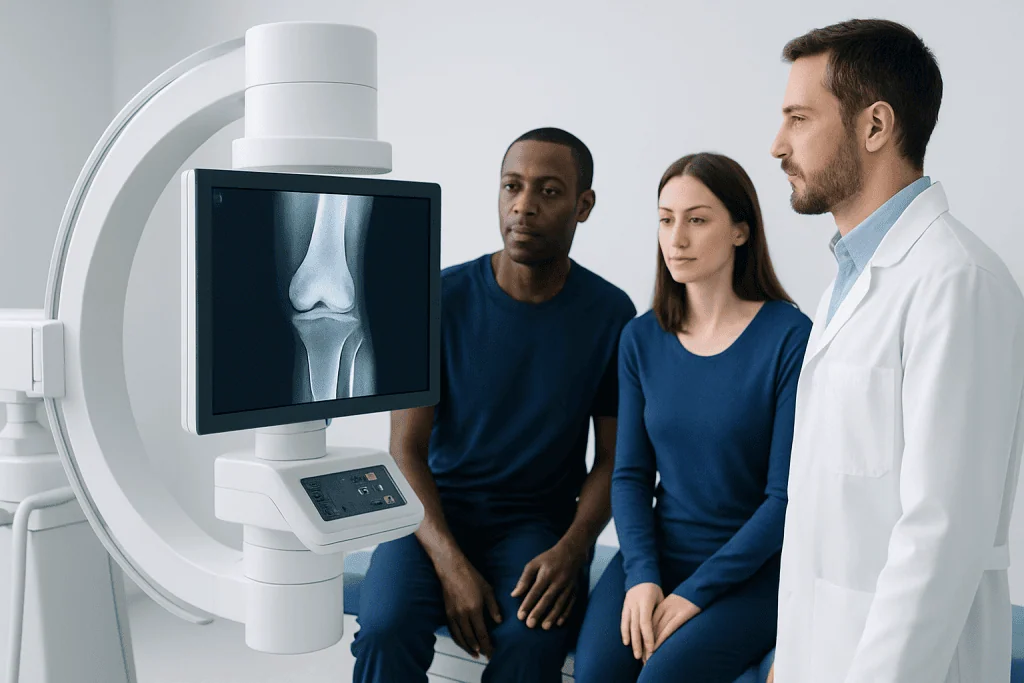
Orthopedic specialists manage a wide range of conditions. Some affect the bones directly, such as fractures, osteoporosis-related injuries, and deformities. Others involve joints and surrounding tissues, including osteoarthritis, rheumatoid arthritis-related joint damage, bursitis, tendonitis, and ligament injuries. The spine is also part of orthopedic practice, especially when back or neck problems affect movement and comfort.
Sports and overuse injuries are another major area of orthopedics. These may include sprains, strains, meniscus tears, rotator cuff injuries, shin splints, and stress fractures. Repetitive movements at work or during exercise can gradually irritate tendons and joints, leading to pain and reduced performance over time.
Common orthopedic conditions include:
- Fractures and dislocations
- Osteoarthritis and joint degeneration
- Back pain, neck pain, and some spine disorders
- Ligament, tendon, and muscle injuries
- Sports injuries
- Carpal tunnel syndrome and other nerve compression problems
- Hip, knee, shoulder, foot, and ankle disorders
- Bone infections or some musculoskeletal tumors, usually in coordination with other specialists
Some conditions develop suddenly after trauma, while others progress slowly over months or years. Persistent pain, stiffness, swelling, weakness, or difficulty walking, lifting, or using a limb may all be signs that orthopedic assessment is needed.
Symptoms That May Suggest an Orthopedic Problem
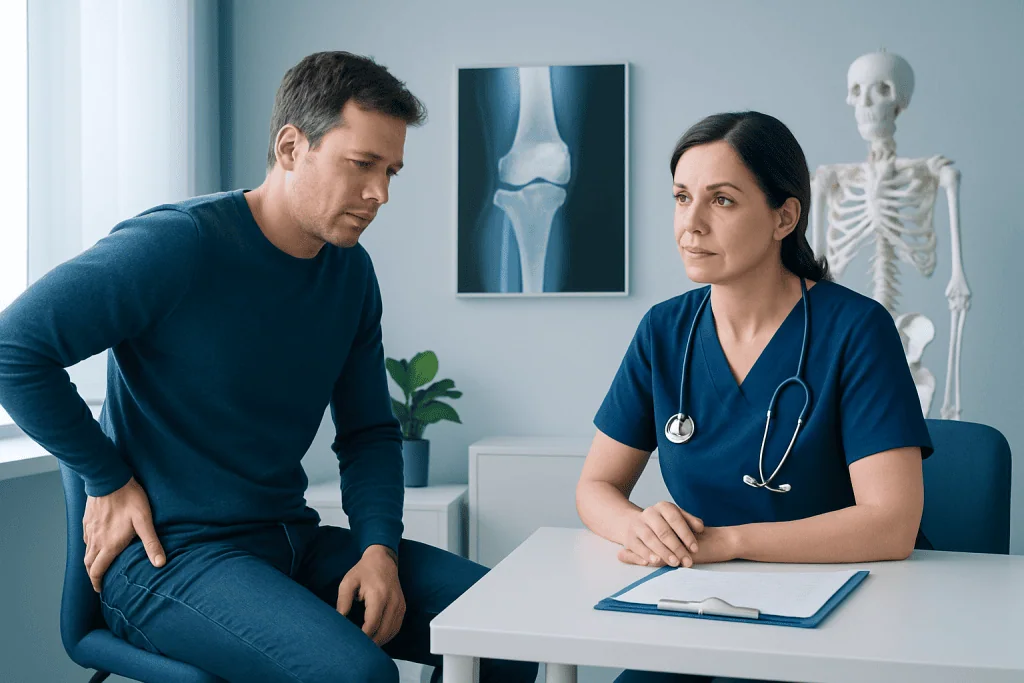
Orthopedic symptoms vary depending on the area involved, but they often affect comfort and movement. Pain is the most common symptom. It may be sharp after an injury, dull and aching with overuse, or worse with activity in conditions such as arthritis. Some people notice morning stiffness, swelling around a joint, or pain that interrupts sleep.
Reduced function is another important sign. A person may have trouble walking, climbing stairs, gripping objects, bending, reaching overhead, or standing for long periods. Instability, catching, clicking, or locking in a joint can point to ligament, cartilage, or meniscus problems. Muscle weakness or loss of balance can also increase the risk of falls and further injury.
Symptoms that can occur with orthopedic conditions include:
- Persistent or recurring joint, bone, or muscle pain
- Swelling, warmth, or tenderness
- Stiffness or reduced range of motion
- Numbness or tingling, especially if nerves are affected
- Visible deformity after an injury
- Difficulty bearing weight or using an arm or leg normally
- Back or neck pain that limits daily activity
While some mild aches improve with rest, symptoms that are severe, ongoing, or getting worse should be assessed by a qualified doctor. Early evaluation may help prevent complications and support faster recovery.
Causes and Risk Factors
Orthopedic conditions can result from injury, aging, inflammation, repetitive strain, or underlying disease. Falls, traffic accidents, and sports injuries are common causes of sudden bone and joint damage. In contrast, wear-and-tear conditions like osteoarthritis usually develop gradually as joint cartilage becomes thinner over time.
Age is an important risk factor, but it is not the only one. Excess body weight can increase strain on the hips, knees, feet, and lower back. Poor posture, physically demanding work, and repetitive motions may contribute to tendon and joint problems. Reduced muscle strength and low activity levels can also affect joint support and balance.
Other factors that may increase risk include:
- Previous fractures or joint injuries
- Family history of certain bone or joint disorders
- Inflammatory diseases such as rheumatoid arthritis
- Low bone density or osteoporosis
- Poor training technique in sports
- Inadequate footwear or unsafe movement patterns
- Smoking, which can impair bone and tissue healing
Sometimes orthopedic symptoms are linked to another health problem rather than a primary bone or joint disorder. For example, a person with pain from osteoarthritis may need long-term joint care, while someone with severe back or leg symptoms could require further evaluation to identify the exact source of pain.
How Orthopedic Conditions Are Diagnosed
Diagnosis usually begins with a medical history and physical examination. The doctor asks about the location of symptoms, when they started, what makes them better or worse, and whether there was an injury. Daily activities, work demands, sports participation, and past medical history can all help guide the assessment.
During the examination, the specialist checks posture, walking pattern, range of motion, swelling, tenderness, joint stability, and muscle strength. Certain movements or clinical tests may help identify whether the problem is related to a tendon, ligament, cartilage, bone, or nerve. A careful assessment is especially important because pain may be felt in one area while the underlying problem starts elsewhere.
Imaging and other tests are often used to confirm a diagnosis or assess severity. These may include X-rays for bones and joint alignment, ultrasound for some soft-tissue problems, and MRI for ligaments, cartilage, discs, or complex joint injuries. Blood tests may be useful when inflammatory or infectious conditions are suspected. In some cases, orthopedic teams work closely with rehabilitation and imaging specialists to build an accurate treatment plan.
Orthopedic Treatment Options
Treatment depends on the diagnosis, symptom severity, age, activity level, and overall health of the patient. Many orthopedic problems improve with conservative care. This may include rest, activity modification, physiotherapy, supportive braces, pain-relieving medicines, or anti-inflammatory treatment. Rehabilitation exercises are often central to recovery because they help improve strength, flexibility, balance, and joint stability.
For some conditions, image-guided or clinic-based procedures may be considered. These can include joint aspiration, therapeutic injections, or immobilization with a cast or splint. When pain or loss of function continues despite non-surgical care, surgery may be recommended. Procedures vary widely, from fracture repair and tendon reconstruction to minimally invasive arthroscopy and joint replacement.
Examples of orthopedic interventions may include knee replacement for severe joint degeneration, hip replacement for advanced hip damage, or spine surgery when selected spine conditions cause significant symptoms and do not improve with conservative treatment. Some patients may also benefit from physical therapy and rehabilitation before or after procedures to support recovery and long-term function.
The best treatment plan is individualized. A specialist will balance expected benefits, risks, recovery time, and lifestyle needs. Shared decision-making helps patients understand their options and choose an approach that fits their goals and daily life.
Prevention, Self-care, and Recovery
Good musculoskeletal health often depends on daily habits. Regular physical activity helps keep muscles strong, joints mobile, and bones healthier. Low-impact exercise such as walking, swimming, cycling, and guided strengthening work can support the joints without placing too much stress on them. Flexibility and balance training may also reduce the risk of falls and injury.
Weight management can be particularly helpful for people with knee, hip, foot, or back symptoms because excess weight increases mechanical strain on these areas. Proper footwear, safe lifting technique, ergonomic workstations, and gradual training progression are also practical ways to protect the body. For athletes, warm-up routines and correct form can lower the risk of overuse and acute injury.
Recovery after an orthopedic injury or procedure usually requires patience and consistency. Following medical advice, attending rehabilitation sessions, and returning to activity step by step can improve outcomes. Self-care does not replace professional evaluation, but it can support healing and long-term joint protection when combined with an appropriate treatment plan.
When to See an Orthopedic Specialist
A person should consider orthopedic evaluation if pain, swelling, stiffness, or weakness does not improve with simple measures such as rest and activity modification. Ongoing symptoms that interfere with walking, work, sleep, sports, or self-care deserve medical attention. It is also wise to seek assessment when symptoms return repeatedly or seem to be gradually worsening.
Urgent care is important after a significant injury, especially if there is severe pain, obvious deformity, inability to bear weight, major swelling, or loss of function. Numbness, tingling, sudden weakness, or signs of infection such as fever with a hot, swollen joint should also be assessed promptly. These symptoms do not always mean a serious problem, but they should not be ignored.
Orthopedic care often works best as part of a multidisciplinary plan. Specialists may coordinate with radiology, pain management, rheumatology, neurology, and rehabilitation teams as needed. Near the end of the care pathway, some international patients choose centers such as Acibadem International, where multidisciplinary specialists in JCI-accredited hospitals diagnose and treat orthopedic conditions with individualized planning.
Frequently asked questions
What does orthopedics treat?
Orthopedics treats conditions affecting bones, joints, muscles, tendons, ligaments, and related structures. This includes fractures, arthritis, sports injuries, back pain, joint problems, and mobility disorders.
Do all orthopedic problems need surgery?
No, many orthopedic conditions improve with non-surgical treatment. Physiotherapy, exercise, rest, braces, medicines, and lifestyle changes are often effective, and surgery is usually considered only when needed.
When should someone see an orthopedic specialist?
An orthopedic specialist should be considered when pain, swelling, stiffness, or weakness persists, returns often, or limits daily activities. Immediate assessment is important after major injuries or if a limb cannot be used normally.
How are orthopedic conditions diagnosed?
Diagnosis usually involves a medical history, physical examination, and sometimes imaging such as X-rays, ultrasound, or MRI. Additional tests may be used if inflammation, infection, or another underlying condition is suspected.
Can exercise help orthopedic conditions?
Yes, the right kind of exercise can improve strength, flexibility, balance, and joint support. However, exercise should match the condition, and a doctor or physiotherapist can help guide a safe plan.
What is the difference between acute and chronic orthopedic problems?
Acute orthopedic problems start suddenly, often after an injury such as a fall or sports accident. Chronic problems develop gradually over time, such as osteoarthritis or long-term tendon irritation.
References
- World Health Organization
- American Academy of Orthopaedic Surgeons
- National Institute of Arthritis and Musculoskeletal and Skin Diseases
- National Health Service
- Centers for Disease Control and Prevention
This article is for general information only and is not a substitute for professional medical advice. Please consult a qualified doctor about your individual situation.
Joint and spine care in Turkey — expert assessment & treatment
JCI-accredited · board-certified surgeons · reply within 24h
Add us as a Preferred Source to see more of our trusted health content across Google Search, AI Overviews and Discover.

Orthopedics & Spine
Care for bones, joints and the musculoskeletal system, including joint replacement, sports injuries and trauma.
125 specialists in this unitMore from the Health Library



Related Specialists

Prof. Dr. Mehmet Veli Karaaltın
Aesthetic Plastic & Reconstructive Surgery
Ody. Eda Yüksel
Audiology
Assoc. Prof. Dr. Cem Köz
Cardiology
Dr. Ahmet Fırat Küçükköse
Inpatient Clinic Physicians Clinical Service