Orthostatic Hypotension: What Patients Need to Know

Orthostatic hypotension means blood pressure falls after standing, often causing lightheadedness or unsteadiness. Common triggers include dehydration, certain medications, prolonged bed rest, and problems affecting the nervous system or heart.
Key Takeaways
- Orthostatic hypotension means blood pressure falls after standing, often causing lightheadedness or unsteadiness.
- Common triggers include dehydration, certain medications, prolonged bed rest, and problems affecting the nervous system or heart.
- Diagnosis usually involves blood pressure measurements taken while lying down and standing, plus tests to look for the cause.
- Treatment may include adjusting medications, improving hydration, using compression garments, and treating an underlying condition.
- People should seek medical care promptly if symptoms are frequent, severe, or linked with fainting, chest pain, or shortness of breath.
Orthostatic hypotension is a sudden drop in blood pressure that happens when a person stands up from sitting or lying down. It can cause dizziness, blurred vision, weakness, or fainting, and it is often manageable once the underlying cause is identified.
Overview
Orthostatic hypotension is a drop in blood pressure that occurs when a person stands up. This change can reduce blood flow to the brain for a short time, leading to symptoms such as dizziness, blurred vision, weakness, or even fainting. Many people describe it as feeling lightheaded for a few seconds after getting out of bed or rising from a chair.
The condition is also called postural hypotension. It is not a disease by itself, but rather a sign that the body is having difficulty adjusting blood pressure quickly enough during position changes. In some people, this happens only occasionally, while in others it can become frequent and interfere with daily activities, balance, and confidence when walking.
Orthostatic hypotension becomes more common with age, but it can affect adults of any age depending on health conditions, hydration status, and medication use. Because the causes are varied, proper evaluation matters. Some cases are mild and improve with simple self-care, while others reflect an underlying heart, nerve, hormone, or circulation problem that needs treatment.
How It Feels and Why Symptoms Happen
When a healthy person stands, gravity causes some blood to shift into the legs and lower body. The nervous system and blood vessels normally respond quickly by tightening blood vessels and increasing heart rate just enough to keep blood flowing to the brain. In orthostatic hypotension, that response is delayed or inadequate, so blood pressure falls too much for a brief period.
Symptoms may come on within seconds to a few minutes of standing. They can vary from mild to severe and may be worse in the morning, after a hot shower, after meals, during illness, or after standing for a long time. Some people notice symptoms only occasionally, while others have them every day.
- Dizziness or lightheadedness
- Blurred or dim vision
- Weakness or fatigue
- Feeling unsteady or as if the legs may give way
- Nausea
- Trouble concentrating
- Fainting or near-fainting
Repeated episodes can increase the risk of falls and injury, especially in older adults. Even when fainting does not occur, frequent symptoms deserve attention because they may reduce quality of life and can signal an underlying medical issue.
Causes and Risk Factors

Orthostatic hypotension has many possible causes. One of the most common is dehydration, which reduces the amount of circulating blood. This may happen with vomiting, diarrhea, fever, poor fluid intake, or excessive sweating. Blood loss, anemia, and prolonged bed rest can also make the body less able to maintain blood pressure when standing.
Medications are another major reason. Drugs used for high blood pressure, heart disease, depression, anxiety, Parkinson’s disease, prostate symptoms, or fluid retention may lower blood pressure or affect the body’s normal compensation. Alcohol can also worsen symptoms. A doctor may review all prescription medicines, over-the-counter products, and supplements to see whether they are contributing.
Some people develop orthostatic hypotension because of conditions that affect the nervous system or hormone balance. These include diabetes-related nerve damage, Parkinsonian disorders, adrenal problems, and other causes of autonomic dysfunction. Depending on a person’s symptoms and history, a clinician may also consider related cardiovascular or neurologic conditions such as arrhythmia or Parkinson’s disease.
Risk tends to be higher in older adults, people with chronic illness, and anyone taking several medications at the same time. Hot weather, large meals, prolonged standing, and rapid position changes can trigger symptoms even in people who do not notice them every day.
How Doctors Diagnose Orthostatic Hypotension
Diagnosis begins with a careful history. The doctor will ask when symptoms occur, how long they last, whether fainting happens, and what medications or illnesses may be involved. It is helpful for patients to mention triggers such as standing quickly, eating, dehydration, heat exposure, or recent illness.
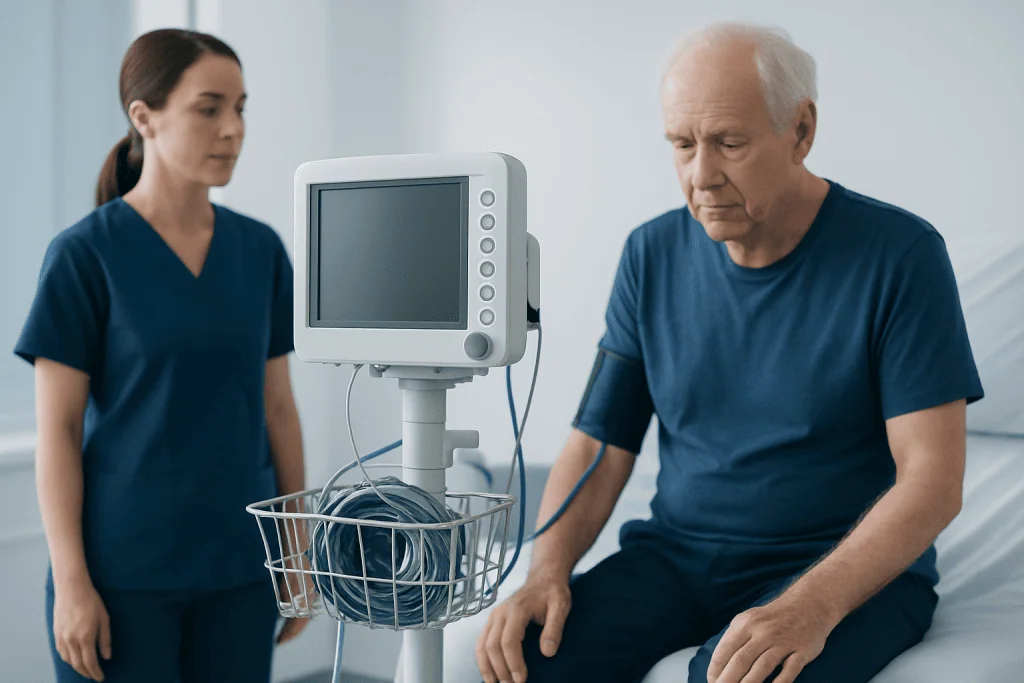
A physical exam usually includes blood pressure and pulse measurements while lying down, sitting, and standing. This helps confirm whether blood pressure is dropping after a change in position. The clinician may repeat the measurements at specific time intervals to understand how the body responds over several minutes.
Additional tests may be needed to find the cause. Depending on the situation, these can include blood tests for anemia, dehydration, blood sugar, or hormone problems; heart rhythm testing; or a more detailed evaluation of the autonomic nervous system. In some cases, doctors may recommend a tilt-table assessment or cardiac evaluation such as a cardiology check-up when symptoms suggest a heart-related contributor.
The main goal is not just to confirm orthostatic hypotension, but to understand why it is happening. That allows treatment to be directed at the real cause rather than only the symptoms.
Treatment Options
Treatment depends on the severity of symptoms and the underlying cause. If dehydration is responsible, increasing fluids and correcting the cause of fluid loss may be enough. When medication side effects are suspected, a doctor may adjust the dose, timing, or type of medicine. Patients should not stop prescribed treatment on their own, especially medicines for blood pressure or heart conditions.
Non-drug strategies are often very helpful. These may include standing up slowly, raising the head of the bed slightly, avoiding long periods of standing, eating smaller meals, and wearing compression stockings or an abdominal binder if recommended. For some people, increasing salt intake may help, but this should only be done under medical guidance because it is not appropriate for everyone, especially those with heart or kidney disease.
If symptoms remain significant, medications may be used to help the body maintain blood pressure on standing. The best choice depends on age, other illnesses, and how often symptoms happen. Doctors also treat related conditions that may be making the problem worse, such as diabetes, anemia, or heart rhythm disorders. If there is concern about an underlying circulation or heart problem, further evaluation may include ECG testing or Holter monitoring.
For people with complex or persistent symptoms, care may involve more than one specialty. Near the end of the diagnostic pathway, some international patients choose centers such as Acibadem International, where multidisciplinary specialists in JCI-accredited hospitals assess and treat conditions related to dizziness, blood pressure instability, and autonomic symptoms.
Everyday Self-care and Prevention
Many people can reduce episodes by making small, consistent changes in daily habits. The first step is understanding personal triggers. A symptom diary can help identify whether episodes happen after missed meals, poor fluid intake, heat exposure, prolonged standing, or certain medications.
Helpful self-care steps often include drinking fluids regularly, especially during hot weather or illness, and getting up gradually from bed or a chair. Some people feel better if they sit on the edge of the bed for a minute before standing. Gentle leg movements before standing may also help blood return to the heart more effectively.
- Rise slowly from lying or sitting positions
- Stay well hydrated unless a doctor has advised fluid restriction
- Avoid very hot baths, hot environments, and long periods of standing
- Eat smaller, more frequent meals if symptoms occur after eating
- Use support stockings or other devices only if advised by a clinician
- Review medications regularly with a doctor or pharmacist
Safety matters as much as symptom control. If fainting or severe dizziness has happened before, a person may need to sit down immediately when symptoms begin, avoid climbing ladders, and take extra care in the bathroom or on stairs. Families and caregivers can also help by recognizing warning signs and reducing fall hazards at home.
When to Seek Medical Care
Occasional brief lightheadedness can happen for simple reasons, such as standing up too fast or not drinking enough water. However, repeated symptoms should be discussed with a healthcare professional, especially if they interfere with walking, work, exercise, or daily routines. Medical review is also important when symptoms start after a new medicine or after a change in treatment.
Prompt medical care is needed if orthostatic symptoms lead to fainting, falls, injury, chest pain, shortness of breath, severe headache, confusion, or a racing or irregular heartbeat. These features may point to a more serious cause that needs urgent attention. Older adults and people with heart disease, diabetes, or neurologic conditions should be especially cautious.
It is also wise to seek evaluation if symptoms are becoming more frequent, lasting longer, or occurring together with weight loss, weakness, numbness, or signs of infection. A timely assessment can often identify a treatable cause and reduce the risk of complications such as injury from falls.
Frequently asked questions
Is orthostatic hypotension the same as low blood pressure?
Not exactly. Orthostatic hypotension refers specifically to a drop in blood pressure that happens after standing up. A person can have normal blood pressure while sitting or lying down and still experience orthostatic hypotension.
Can dehydration cause orthostatic hypotension?
Yes. Dehydration is one of the most common causes because it lowers blood volume and makes it harder for the body to keep blood pressure stable when standing. Replacing fluids may help, but persistent symptoms should still be discussed with a doctor.
Which medications can make orthostatic hypotension worse?
Several types can contribute, including medicines for high blood pressure, fluid tablets, some antidepressants, drugs for Parkinson's disease, and certain medicines used for prostate symptoms. A doctor or pharmacist can review a person’s medication list and look for possible contributors.
Is orthostatic hypotension dangerous?
It is often manageable, but it should not be ignored. The main risks are fainting, falls, and injury, and in some cases it can reflect an underlying problem involving the heart, nervous system, or hormone balance.
How is orthostatic hypotension treated?
Treatment depends on the cause. It may include drinking more fluids, changing how a person stands up, adjusting medications, using compression garments, and treating related medical conditions. Some people also need prescription medicine to support blood pressure when standing.
Can orthostatic hypotension go away on its own?
Sometimes it improves quickly when the trigger is temporary, such as dehydration, fever, or a medication effect. If it keeps happening, returns often, or leads to fainting, a medical evaluation is important to identify the reason.
References
- American Heart Association
- National Heart, Lung, and Blood Institute
- National Institute of Neurological Disorders and Stroke
- National Institute on Aging
- Mayo Clinic
This article is for general information only and is not a substitute for professional medical advice. Please consult a qualified doctor about your individual situation.
Explore treatments in Turkey — costs, top hospitals & a free quote
JCI-accredited · board-certified surgeons · reply within 24h
Add us as a Preferred Source to see more of our trusted health content across Google Search, AI Overviews and Discover.
Check your numbers in seconds
BMI, calories, due date, blood pressure and 30+ more clinical calculators — free, instant, doctor-reviewed ranges.

More from the Health Library



Related Specialists

Dr. Ceyhun Başoğlu
Physical Medicine & Rehabilitation
Assoc. Prof. Dr. Hatice Gamze Demirdağ
Dermatology
Dr. Burak Tanır
Gynecology & Obstetrics
Prof. Dr. Çiğdem Kalaycık
Otorhinolaryngology