

Orthotists Prosthetists: An Evidence-Based Guide for Patients
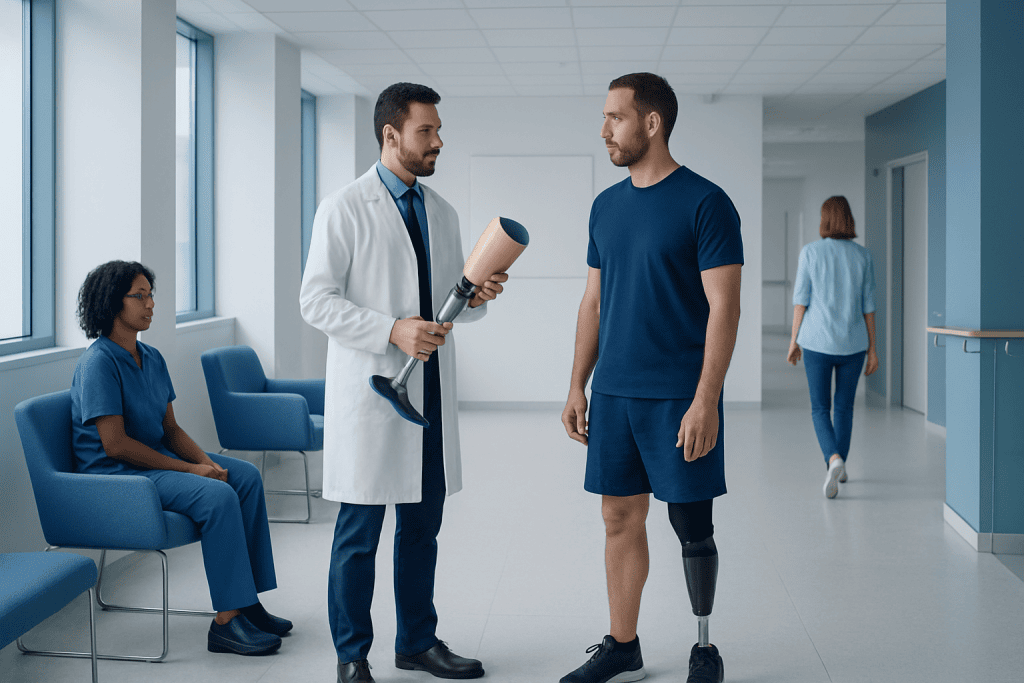
Orthotists make and fit braces and supports, while prosthetists make and fit artificial limbs. These specialists are part of a wider rehabilitation team and tailor devices to each patient’s body, goals, and health needs.
Key Takeaways
- Orthotists make and fit braces and supports, while prosthetists make and fit artificial limbs.
- These specialists are part of a wider rehabilitation team and tailor devices to each patient’s body, goals, and health needs.
- A well-fitted orthosis or prosthesis can improve mobility, balance, pain control, and daily function.
- Assessment, fitting, training, and follow-up adjustments are all important parts of care.
- Patients should seek medical review if a device causes pain, skin injury, poor fit, or sudden changes in walking or balance.
Orthotists prosthetists are healthcare professionals who assess movement and function, then design and fit custom braces, supports, or artificial limbs to help patients move more safely and comfortably. They work closely with doctors, surgeons, physical therapists, and rehabilitation teams to support recovery, independence, and long-term quality of life.
Overview: what orthotists prosthetists do
Orthotists prosthetists are allied health professionals who evaluate a patient’s physical needs and provide external devices that support movement and function. An orthotist focuses on orthoses, such as braces, splints, or supportive footwear modifications that help align, protect, or stabilize part of the body. A prosthetist focuses on prostheses, which are artificial limbs used after limb loss or limb difference.
In practice, the roles often overlap, and many professionals are trained in both areas. Their work is not limited to supplying a device. They assess posture, muscle strength, joint motion, skin condition, pain, walking pattern, balance, and daily activities. Based on this evaluation, they recommend the most appropriate design, materials, and fit for the individual patient.
Orthotists prosthetists commonly care for people recovering from injury or surgery, children with developmental conditions, adults with nerve or muscle disorders, and people living with limb loss. They may support patients with arthritis, stroke, spinal problems, diabetes-related foot issues, or complex orthopedic needs. Their goal is practical and patient-centered: to improve safety, comfort, independence, and participation in daily life.
Orthotist vs prosthetist: understanding the difference
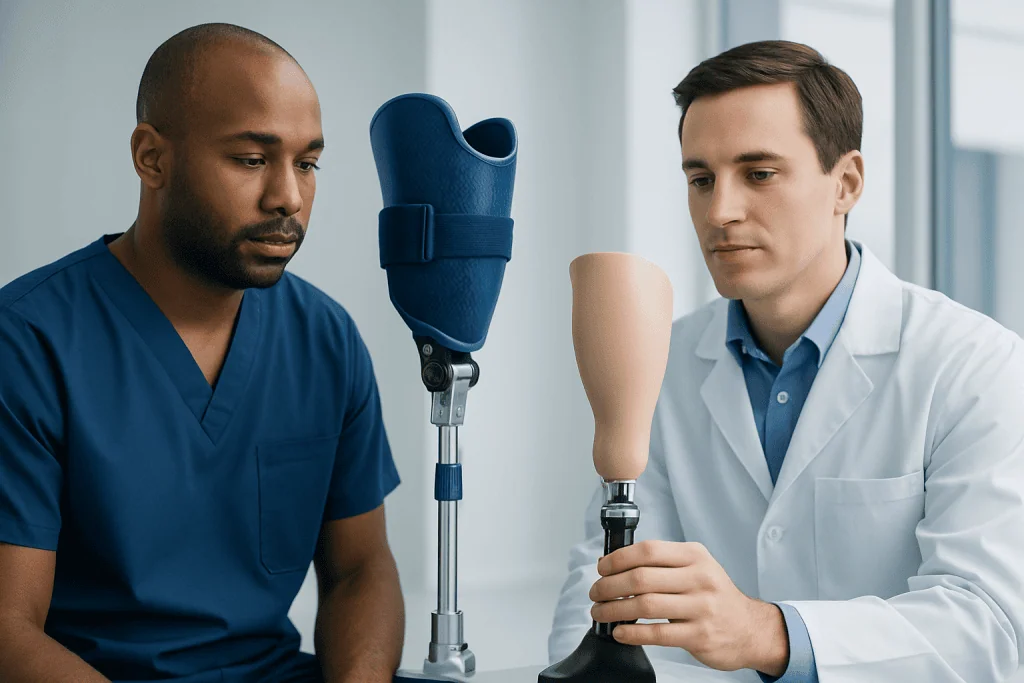
An orthotist provides devices that support an existing body part. These can include ankle-foot orthoses for foot drop, knee braces for instability, spinal braces, wrist splints, or custom shoe inserts. Orthoses may reduce pain, improve alignment, limit harmful movement, or help muscles and joints work more efficiently.
A prosthetist provides an artificial replacement for a missing limb or part of a limb. Prosthetic care may involve upper-limb devices for hand or arm loss, or lower-limb devices for leg loss at different levels. The prosthetist considers the patient’s residual limb shape, skin health, strength, balance, activity level, and goals, then designs a socket and selects components that best match those needs.
Both professionals also educate patients and families. They explain how the device works, how to put it on and remove it, what skin changes to watch for, how to clean it, and when follow-up is needed. Because body shape, strength, and activity can change over time, ongoing review is often as important as the first fitting.
In larger rehabilitation settings, orthotists prosthetists often collaborate with specialists involved in physical therapy and rehabilitation so that the device and the exercise plan support each other. This team-based approach can help patients adapt more confidently to movement challenges at home, work, school, or during sports.
Who may need orthotic or prosthetic care
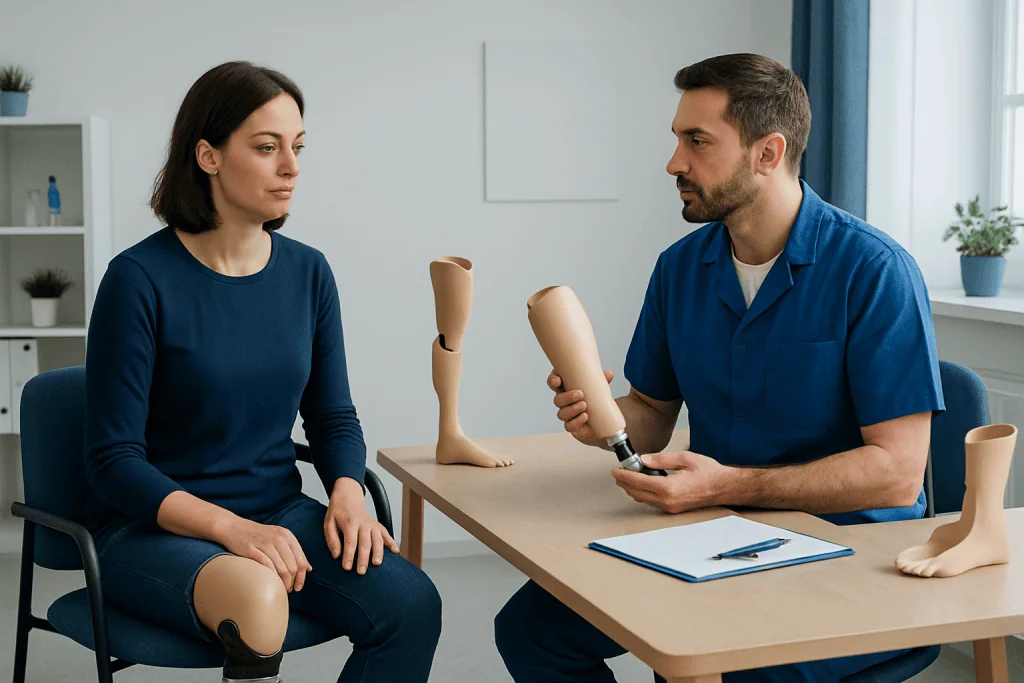
People are referred to orthotists prosthetists for many different reasons. Some need short-term support after surgery, injury, or a fracture. Others need longer-term help because of a chronic condition affecting the bones, joints, muscles, or nerves. A carefully selected device can reduce strain, improve alignment, and make walking or hand function more efficient.
Common reasons for orthotic care include joint instability, foot deformities, back pain related to posture, sports injuries, nerve damage, scoliosis, and weakness after neurological illness. Patients living with stroke may need braces to improve foot clearance and walking safety. Children may need orthoses as they grow, especially if a condition affects muscle tone, gait, or limb alignment.
Common reasons for prosthetic care include limb loss after trauma, severe infection, poor circulation, cancer surgery, or complications of diabetes. Congenital limb difference is another important reason. Prosthetic planning is highly individualized because age, overall health, hand function, balance, occupation, and personal goals all influence device choice.
Some patients are seen alongside orthopedic and spine teams when gait, stability, or joint protection is a concern. When appropriate, orthotic planning may be part of broader orthopedic rehabilitation after injury or surgery, especially when restoring safe movement is a key aim.
How assessment, design, and fitting work
The process usually begins with a detailed consultation. The orthotist or prosthetist asks about symptoms, mobility, medical history, surgery, medications, work, hobbies, and daily tasks. They examine the affected limb or body area, check skin condition, take measurements, and assess walking or functional movement. This helps define what the device needs to achieve, such as support, pressure relief, joint control, or improved balance.
In many cases, a custom device is needed. The clinician may use digital scanning, molding techniques, or detailed measurements to capture the shape of the body part. Materials and components are then chosen based on function, body weight, expected activity, and comfort. For prosthetic care, socket fit is especially important because the socket is the part that connects the body to the artificial limb.
At the fitting appointment, the device is placed and checked carefully. The clinician looks for pressure points, alignment problems, looseness, and areas that may rub. The patient is taught how to wear the device safely, how long to use it at first, and how to gradually increase wearing time. Walking practice or task-specific training may follow, often with input from rehabilitation specialists.
Follow-up visits are routine, not a sign that something is wrong. Devices often need small adjustments after real-world use. In growing children, after surgery, or when swelling changes, more frequent review may be needed. This ongoing care helps protect the skin, maintain function, and keep the device comfortable over time.
Benefits, limits, and possible problems
A well-designed orthosis or prosthesis can make a meaningful difference in daily life. Benefits may include better balance, safer walking, improved posture, less joint stress, better energy efficiency, and greater confidence with movement. For some patients, the main benefit is pain relief or protection of a healing area. For others, it is the ability to return to work, school, or hobbies more comfortably.
Even so, devices have limits. They may not fully restore normal movement or sensation, and they often require a period of adaptation. A patient may need training, exercise, and lifestyle adjustments to get the best result. Success is usually measured by practical improvements in function, comfort, and independence rather than by appearance alone.
Some problems can occur, especially when the fit is not optimal or the device is used for too long without review. Warning signs include skin redness that does not fade, blisters, pressure sores, numbness, increased pain, swelling, and changes in walking pattern. A prosthesis that feels loose or unstable, or a brace that causes rubbing, should be reassessed promptly.
Patients with conditions that affect circulation, sensation, or wound healing need especially careful monitoring. This includes some people with diabetic foot problems, peripheral nerve damage, or vascular disease. In these cases, regular skin checks and early reporting of changes are important parts of safe device use.
Treatment planning and rehabilitation support
Orthotic and prosthetic care is most effective when it is part of a larger treatment plan. The referring doctor may be a rehabilitation specialist, orthopedic surgeon, neurologist, vascular surgeon, pediatrician, or another clinician depending on the patient’s condition. The orthotist or prosthetist then works within that plan to match the device to medical needs and personal goals.
Rehabilitation is often essential. Learning to use a new brace or artificial limb can involve strengthening exercises, balance work, gait training, and practice with stairs or uneven ground. For upper-limb prostheses, training may focus on grasp, control, and daily tasks. Progress is usually gradual, and small adjustments to the device can make a significant difference in comfort and function.
Some patients need surgical care before orthotic or prosthetic fitting is possible or effective. For example, limb loss management may involve close coordination with teams providing amputation surgery and postoperative rehabilitation. In other cases, orthopedic operations, wound care, or treatment of a neurological condition may shape the timing and type of device recommended.
Near the end of the care pathway, some patients also seek evaluation at centers with multidisciplinary rehabilitation and surgical services. Acibadem International’s multidisciplinary specialists and JCI-accredited hospitals diagnose and treat patients who may benefit from coordinated orthotic, prosthetic, and rehabilitation care for international patients.
Self-care, maintenance, and prevention of complications
Daily skin inspection is one of the most important habits for anyone using an orthosis or prosthesis. The skin should be checked for redness, swelling, warmth, broken areas, or pressure marks, especially over bony areas. A small mark that fades quickly may be harmless, but persistent redness or damaged skin should be reviewed by a clinician.
Good hygiene also matters. Liners, socks, straps, and contact surfaces should be cleaned as instructed, and the skin should be kept dry and healthy. Weight changes, swelling, or changes in muscle size can affect fit, so patients should mention these at follow-up visits. Shoes worn with braces should match the device and provide stable support.
Patients should avoid trying to reshape or repair a device on their own. Home adjustments can change alignment or create unsafe pressure. If a brace squeaks, a joint feels stiff, or a prosthesis becomes unstable, professional review is safer than self-repair. Children should be reassessed regularly because growth can quickly affect fit and function.
Staying active within medical advice can support better outcomes. Strength, flexibility, and balance exercises may help the body adapt to the device. The care team can suggest practical strategies for work, travel, exercise, and home safety so that the device supports everyday life rather than becoming a barrier to it.
When to seek medical care
Medical review is advisable if a brace or prosthesis causes ongoing pain, repeated falls, new weakness, numbness, or changes in walking. Patients should also seek care if they notice skin breakdown, blisters, drainage, swelling, or signs that the device no longer fits properly. These issues can often be improved with timely adjustment.
Urgent medical attention may be needed if there is severe pain, sudden color change in a limb, fever with a wound, or a rapidly worsening ulcer. People with diabetes, poor circulation, or reduced sensation should be especially cautious because they may not feel early pressure damage. It is safer to ask for review early than to continue wearing an uncomfortable device and hope the problem settles on its own.
A follow-up appointment is also reasonable when goals change. For example, a patient may want to become more active, return to work, or switch to different footwear. Orthotists prosthetists can reassess function and discuss whether another design, component, or rehabilitation plan would better support those goals.
Frequently asked questions
What do orthotists prosthetists do for patients?
They assess movement, posture, strength, and skin health, then design and fit devices that support function. Orthotists provide braces and supports, while prosthetists provide artificial limbs. They also adjust the device over time and teach patients how to use it safely.
What is the difference between an orthosis and a prosthesis?
An orthosis supports or protects an existing body part, such as a knee brace or ankle-foot brace. A prosthesis replaces a missing limb or part of a limb. Both are tailored to the individual, but they serve different clinical purposes.
How long does it take to get used to a brace or prosthetic limb?
Adjustment time varies from person to person and depends on the type of device, overall health, and prior mobility. Some people adapt within days, while others need weeks or longer with training and follow-up adjustments. A gradual wearing schedule is often recommended to protect the skin and improve comfort.
Can a poorly fitting device cause problems?
Yes. A poor fit can lead to rubbing, pain, skin breakdown, poor balance, and inefficient walking or movement. Patients should contact their care team if the device feels unstable, leaves lasting red marks, or suddenly becomes uncomfortable.
Do children need repeated orthotic assessments as they grow?
Usually, yes. Growth can change limb length, body shape, alignment, and the way a device fits. Regular review helps ensure the orthosis remains safe, comfortable, and effective.
Will an orthosis or prosthesis completely restore normal movement?
Not always. These devices are designed to improve function, safety, comfort, and independence, but they may not fully restore natural movement or sensation. Outcomes are often best when device use is combined with rehabilitation and regular follow-up.
References
- World Health Organization
- American Academy of Orthotists and Prosthetists
- American Board for Certification in Orthotics, Prosthetics & Pedorthics
- National Institute of Neurological Disorders and Stroke
- National Institute of Arthritis and Musculoskeletal and Skin Diseases
This article is for general information only and is not a substitute for professional medical advice. Please consult a qualified doctor about your individual situation.
Explore treatments in Turkey — costs, top hospitals & a free quote
JCI-accredited · board-certified surgeons · reply within 24h
Add us as a Preferred Source to see more of our trusted health content across Google Search, AI Overviews and Discover.

More from the Health Library


Related Specialists
Prof. Dr. Ahmet Oytun Baykan
Cardiology
Dr. Özlem Türkcanoğlu
Emergency Service
Dt. Beril Karakaya Gökçimen
Oral & Dental Health
Assoc. Prof. Dr. Mehmet Salih Söylemez
Orthopedic Surgery & Traumatology