Pacemaker Card: An Evidence-Based Patient Guide

Keep a pacemaker card or digital device record with the patient at all times, especially when travelling. The card usually lists the pacemaker manufacturer, model, implantation date and the implanting clinic or doctor.
Key Takeaways
- Keep a pacemaker card or digital device record with the patient at all times, especially when travelling.
- The card usually lists the pacemaker manufacturer, model, implantation date and the implanting clinic or doctor.
- Most household electronics and everyday activities are safe when sensible distance and follow-up advice are followed.
- Recovery commonly involves protecting the implant-side arm and wound during the first few weeks.
- Regular device checks are essential because batteries, leads and heart rhythm needs can change over time.
A pacemaker card is an identification card supplied after pacemaker implantation. It records key details about the device and helps healthcare professionals, airport security staff and emergency teams make safe, informed decisions.
Overview: What Is a Pacemaker Card?
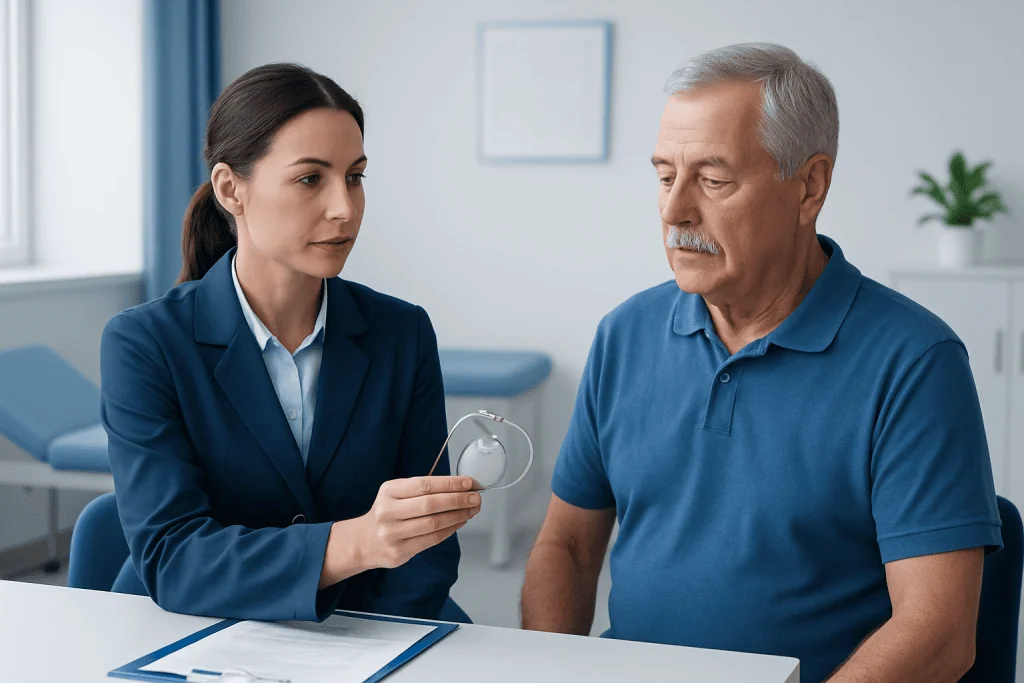
A pacemaker card is a small identification card given to a person after a pacemaker has been implanted. It is an important part of pacemaker paperwork because it identifies the type of device, its manufacturer and model, and often the date and place of implantation. The card helps clinicians quickly understand the implanted system if urgent care, a scan, surgery or device testing is needed.
People should carry their pacemaker card in a wallet, bag or secure digital format, and keep a copy with their personal health records. If the original card is lost, the cardiology clinic or pacemaker manufacturer can usually help arrange a replacement. A card does not replace regular follow-up appointments or medical assessment when symptoms occur.
Although a pacemaker card may help at airport security, it does not automatically exempt a person from screening. Showing the card allows security staff to use an appropriate approach. Patients should tell staff that they have a pacemaker and avoid prolonged exposure of a handheld security wand directly over the device.
How a Pacemaker Works and Who May Need One
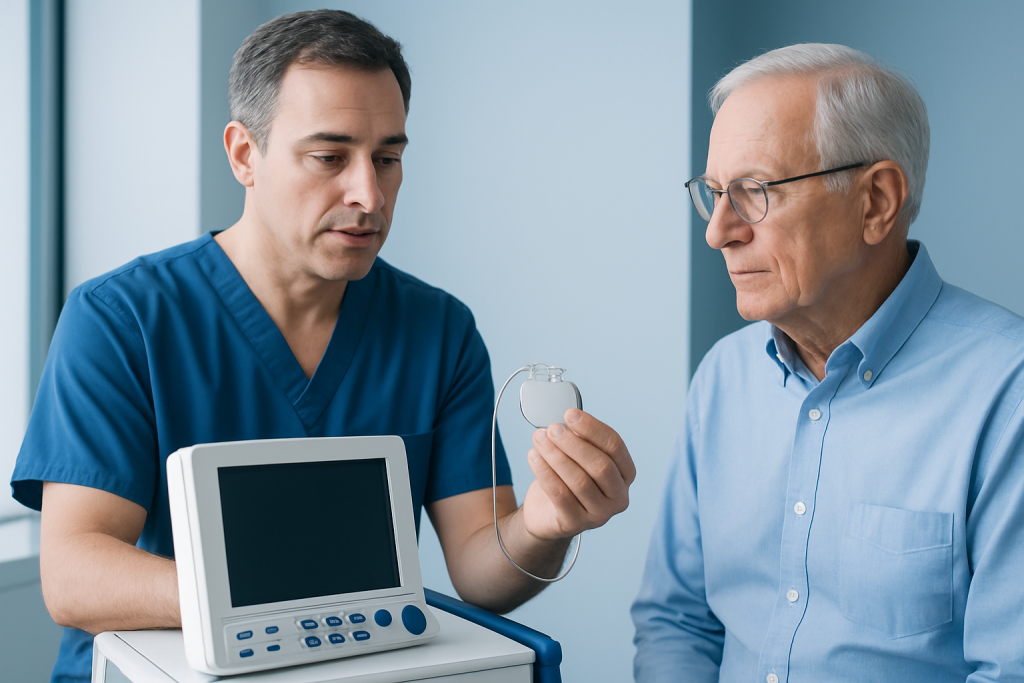
A pacemaker is a small battery-powered device that helps control a heart rhythm that is too slow, pauses unexpectedly or does not respond appropriately to the body’s needs. It continuously monitors the heartbeat. When necessary, it sends small electrical signals through one or more leads to help the heart beat at a suitable rate and rhythm.
Pacemakers are commonly considered for symptomatic bradycardia, certain forms of heart block, sinus node dysfunction and some conditions in which the heart’s natural electrical system is unreliable. Symptoms can include fainting, near-fainting, dizziness, unusual tiredness, reduced exercise tolerance, breathlessness or palpitations. The need for a device depends on symptoms, heart rhythm findings and the underlying cause, not on one test result alone.
Pacemaker evidence-based practice involves matching the device type and settings to the individual’s rhythm problem, heart function and daily needs. Assessment may include an electrocardiogram, ambulatory rhythm monitoring, blood tests, echocardiography and review of medicines that can slow the heart rate. A cardiologist or heart rhythm specialist explains the likely benefits, alternatives and limitations before recommending implantation.
What Happens During Pacemaker Implantation?
Pacemaker implantation is usually performed in a cardiac catheterisation laboratory or operating room. The patient receives monitoring throughout the procedure and is commonly given local anaesthetic with sedation, although the exact approach depends on clinical circumstances. The skin is cleaned carefully and a small incision is made, most often below the collarbone.
For a conventional pacemaker, the cardiologist guides one or more thin insulated leads through a vein into the heart using X-ray imaging. The leads are tested to confirm stable positioning. The pulse generator, which contains the battery and electronic circuits, is then placed beneath the skin in a small pocket and connected to the leads. The incision is closed and covered with a dressing.
Some patients may be suitable for a leadless pacemaker, which is delivered into the heart through a vein in the leg and does not require a chest incision or transvenous leads. The most suitable device depends on the person’s rhythm condition, anatomy, medical history and pacing needs. Patients considering implantation can discuss pacemaker implantation with a qualified cardiology team.
Before discharge, the device is checked and programmed, and the patient receives wound-care and activity instructions. The team should also explain follow-up arrangements, remote monitoring where available, and how to obtain or replace the pacemaker card.
Recovery Timeline, Benefits and Possible Risks
Recovery varies, but many people go home the same day or after an overnight stay, depending on their health and the reason for implantation. Mild tenderness, bruising or swelling around the incision can occur in the first days. The wound should be kept clean and dry according to the clinical team’s advice, and increasing redness, discharge, fever or worsening pain should be reported promptly.
How long a person needs to rest after having a pacemaker put in depends on their overall health and the type of procedure. Gentle walking is often encouraged soon after implantation, while strenuous activity and heavy lifting are usually avoided initially. For several weeks, patients are commonly asked not to raise the arm on the implant side forcefully above shoulder level or make repetitive, vigorous shoulder movements, as this helps the pocket and leads settle.
The main benefit of a pacemaker is prevention or reduction of symptoms caused by an excessively slow or unreliable heartbeat. It can improve safety, energy and day-to-day function for appropriately selected patients. It does not treat every cause of fatigue, breathlessness or palpitations, so continued assessment remains important if symptoms persist.
Possible procedure-related risks include bleeding, bruising, infection, damage to a blood vessel, lead displacement, collapsed lung and, rarely, injury to the heart. Over time, some people need lead revision, generator replacement when the battery runs low, or management of device-related infection. Regular in-person or remote checks help identify concerns early.
What Are Four Things to Be Avoided if You Have a Pacemaker Device?
Most people with a pacemaker can lead active, independent lives. However, four broad situations deserve care: strong magnetic or electrical fields, direct pressure or trauma over the device, unapproved procedures that may interfere with the pacemaker, and activities that are restricted during early recovery. The individual’s cardiology team can give advice tailored to the device and occupation.
- Strong magnets and electromagnetic sources: keep magnets, magnetic therapy products and high-powered industrial equipment away from the implant area. Induction hobs, household appliances and mobile phones are generally safe when used normally; a phone should not be stored directly over the pacemaker.
- Unsupervised medical or cosmetic procedures: tell every clinician and dentist about the pacemaker before treatment. Some procedures, including certain forms of diathermy, electrosurgery, radiation therapy and MRI scanning, require special planning or may not be appropriate for every device.
- Impact to the device area: contact sports or work with a significant risk of chest trauma may require individual advice or protective measures.
- Heavy lifting and vigorous upper-body movement soon after implantation: these are usually limited temporarily to reduce the chance of wound problems or lead movement.
It is helpful to discuss workplace equipment, hobbies and exercise plans during follow-up. People should not stop medical treatment or avoid necessary tests without consulting their cardiologist, because many procedures can be performed safely with precautions.
What Should You Avoid With a Permanent Pacemaker?
With a permanent pacemaker, patients should avoid placing magnetic items directly over the generator and should follow the manufacturer-specific guidance given by their device clinic. Examples can include magnetic jewellery, some wireless charging accessories, magnetic headphone cases and magnetic therapy pads. A pacemaker card helps medical teams identify whether a device is MRI-conditional and what safety protocol may apply.
Patients should also avoid ignoring new symptoms or missing device checks. Battery status, lead performance and programmed settings are monitored over time. A pacemaker battery usually lasts for years, but it does not last indefinitely; replacement planning is based on device checks rather than symptoms alone.
Everyday items such as microwave ovens, computers, standard home appliances and most modern security systems are usually safe. People should pass normally through airport or shop security gates rather than lingering beside them, and inform security staff about the implant. The clinic can provide practical pacemaker patient education materials, including an electronic or printed record if a patient needs a pacemaker patient education PDF for travel or personal records.
What Are the Long-Term Side Effects of Having a Pacemaker?
Many people have no ongoing side effects from a pacemaker itself and return to usual routines after recovery. A small visible or palpable bulge under the skin, occasional awareness of the device, or skin sensitivity around the pocket may persist. Some people also experience anxiety about the device or concern about returning to activity; discussing these feelings with the care team can be helpful.
Long-term complications are uncommon but can include infection, lead fracture or insulation problems, lead-related vein narrowing, device pocket discomfort, or pacing that is not optimally matched to the person’s needs. In selected patients who require frequent pacing from the right ventricle, changes in heart pumping function can occur over time. Device clinics monitor for these issues and can adjust programming or discuss other pacing approaches when needed.
A pacemaker does not prevent all rhythm disorders. Palpitations, dizziness, fainting, chest symptoms or worsening breathlessness should not automatically be attributed to the device or dismissed as expected. Prompt review helps determine whether the cause is the pacemaker, another heart rhythm issue, medication, infection or a non-cardiac condition.
Acibadem International’s multidisciplinary cardiology specialists and JCI-accredited hospitals support diagnosis, implantation and follow-up care for international patients with pacing needs.
When to Seek Medical Care
Patients should seek urgent medical care for severe chest pain, severe breathlessness, fainting, signs of stroke, or symptoms of a serious allergic reaction. Emergency assessment is also appropriate if there is sudden severe weakness, persistent rapid palpitations with feeling unwell, or a significant injury directly over the pacemaker site.
The implanting clinic should be contacted promptly for fever, increasing redness, warmth, swelling, bleeding, fluid leakage or worsening pain at the incision. New arm swelling on the side of the device, a visibly changing wound, repeated dizziness, fainting or a return of the symptoms that led to implantation also need medical review.
People should bring their pacemaker card to planned healthcare visits and inform all healthcare professionals of the device before scans, surgery or dental procedures. If the card is unavailable in an emergency, clinicians can often identify the device through medical records, imaging or manufacturer support, but carrying the card remains the simplest way to share key information.
Frequently asked questions
What information is on a pacemaker card?
A pacemaker card commonly includes the device manufacturer, model, serial number, implantation date and details of the implanting hospital or clinic. It may also identify the leads and provide a contact number for device-related questions. The exact information differs by manufacturer and country.
Do I need to carry my pacemaker card every day?
It is advisable to carry the card every day, particularly when travelling or attending healthcare appointments. It can help emergency and security personnel understand that a cardiac device is present. A photo or secure digital copy can be useful as a backup, but patients should keep the original where possible.
Can I go through airport security with a pacemaker?
Yes, most people with pacemakers can travel and go through airport screening. They should tell security staff about the device and show their pacemaker card if requested. They should not linger in security gates, and handheld wands should not be held directly over the pacemaker for an extended period.
Can I have an MRI if I have a pacemaker?
Some modern systems are MRI-conditional, meaning an MRI may be possible under a specific safety protocol. Other systems may need specialist assessment before imaging. Patients should never arrange an MRI without telling the imaging team and their pacemaker clinic about the device.
How often does a pacemaker need to be checked?
The timing depends on the device, the person’s health and whether remote monitoring is used. Many patients have scheduled clinic or remote checks at intervals recommended by their device team. More frequent review may be needed if symptoms develop or the battery approaches replacement time.
When can I drive after pacemaker implantation?
Driving restrictions vary according to local law, the reason for implantation and whether the person had fainting episodes. A cardiologist should provide specific advice before driving is resumed. Commercial driving often has different and more stringent requirements than private driving.
References
- American Heart Association
- Heart Rhythm Society
- European Society of Cardiology
- National Heart, Lung, and Blood Institute
- U.S. Food and Drug Administration
This article is for general information only and is not a substitute for professional medical advice. Please consult a qualified doctor about your individual situation.
Explore treatments in Turkey — costs, top hospitals & a free quote
JCI-accredited · board-certified surgeons · reply within 24h
Add us as a Preferred Source to see more of our trusted health content across Google Search, AI Overviews and Discover.
Check your numbers in seconds
BMI, calories, due date, blood pressure and 30+ more clinical calculators — free, instant, doctor-reviewed ranges.