Pacemaker in Turkey: Hospitals, Safety & What to Expect

A pacemaker is a small implanted device that helps maintain an adequate heart rate when the heart beats too slowly or irregularly. Not every slow pulse requires a pacemaker; symptoms, ECG findings and the underlying cause guide the decision.
Key Takeaways
- A pacemaker is a small implanted device that helps maintain an adequate heart rate when the heart beats too slowly or irregularly.
- Not every slow pulse requires a pacemaker; symptoms, ECG findings and the underlying cause guide the decision.
- Implantation is usually performed under local anaesthesia with sedation, followed by device testing and monitoring.
- Most people return gradually to everyday activities within weeks, while avoiding heavy arm movement on the implant side early on.
- Follow-up is essential to check the incision, adjust device settings and monitor battery and lead function.
- International patients should plan adequate time in Turkey for assessment, implantation, early review and a shared follow-up plan at home.
A pacemaker in Turkey can be considered when a cardiology team confirms that a slow or unreliable heart rhythm is causing symptoms or creating health risks. Safe care depends on an individual assessment, an experienced electrophysiology service, clear device follow-up plans and appropriate travel arrangements before and after implantation.
Overview: What does pacemaker care in Turkey involve?
A pacemaker in Turkey involves a structured process of cardiac assessment, device implantation and follow-up for people whose heart beats too slowly, pauses unexpectedly or does not coordinate its rhythm effectively. The procedure is commonly performed by a cardiologist with specialist training in heart-rhythm disorders, often called an electrophysiologist, supported by anaesthesia, imaging, nursing and device-clinic teams.
For international patients, safety is not defined by the operation alone. It also depends on confirming the diagnosis, reviewing medical records and medicines, selecting an appropriate device, monitoring recovery before travel and arranging continued device checks after returning home. Patients may wish to discuss care at a pacemaker treatment service where these steps are coordinated around their medical needs.
Accreditation can be one practical factor when comparing hospitals. JCI-accredited hospitals follow internationally recognised standards for patient safety and quality processes, although accreditation does not replace an individual discussion with the treating team about experience, equipment, infection prevention and emergency support.
How a pacemaker works and who may benefit
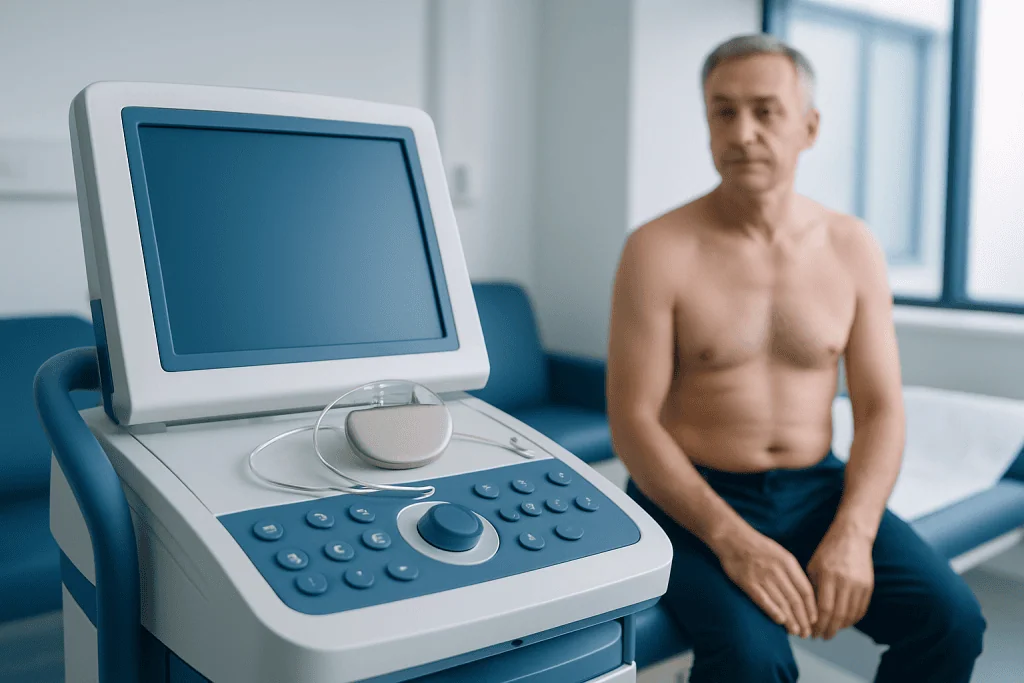
A pacemaker is a battery-powered device placed beneath the skin, usually below the collarbone. It monitors the heart’s electrical activity and, when needed, sends small electrical impulses to help the heart maintain an appropriate rate. Most systems include a pulse generator and one or more insulated leads positioned in the heart; leadless pacemakers, placed inside the heart through a catheter, may suit selected patients.
Pacemakers are most often considered for symptomatic bradycardia, meaning a heart rate that is too slow, or for certain forms of heart block in which electrical signals do not travel normally from the upper to lower chambers. They may also be used in some people with sinus node dysfunction or after specific heart procedures. Related rhythm conditions can be assessed through arrhythmia evaluation when symptoms or test results suggest an electrical problem.
Candidacy is individual. A cardiology team considers symptoms such as fainting, near-fainting, fatigue, breathlessness or reduced exercise tolerance alongside ECG findings, ambulatory monitoring and the possibility of reversible causes. Medication effects, thyroid disease, sleep-related breathing disorders and electrolyte disturbances may need attention before a permanent device is recommended.
Assessment and planning before implantation
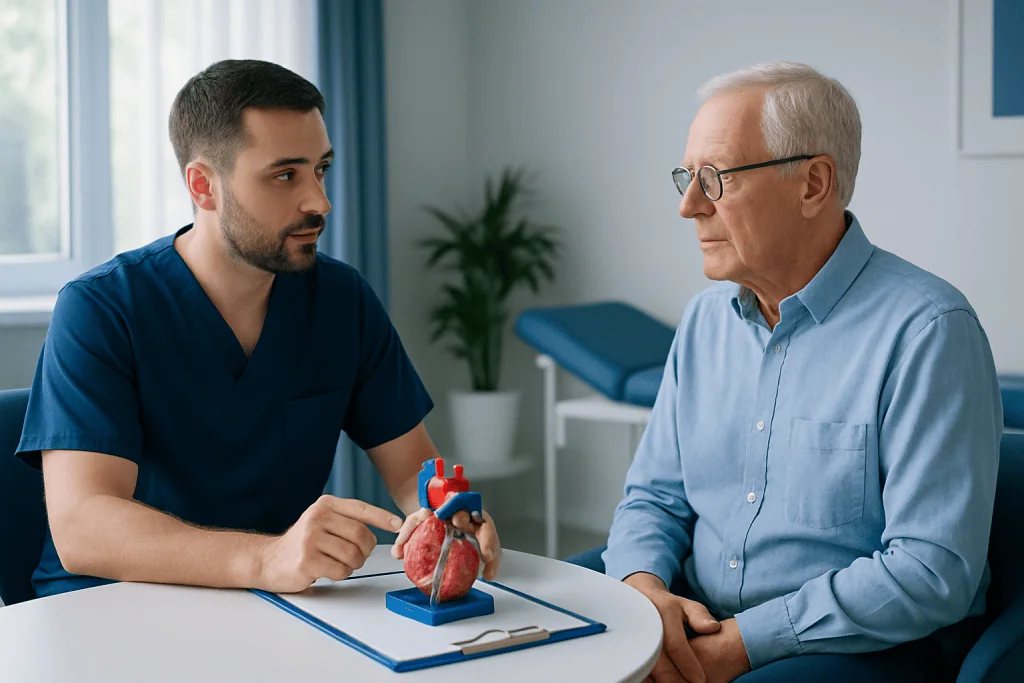
Before recommending a device, clinicians review the person’s symptoms, medical history, medication list and previous test results. An electrocardiogram is central to diagnosis. Depending on the situation, testing may also include blood tests, echocardiography, a Holter monitor or longer-term rhythm monitor, and an exercise assessment.
The team will explain the likely reason for pacing, the type of pacemaker being considered and alternatives where relevant. These may include treating an underlying condition, adjusting medicines, monitoring the rhythm over time or using another cardiac device for people with particular forms of heart failure or dangerous fast rhythms. The patient should understand what the pacemaker can and cannot address before consenting.
People travelling to Turkey should share recent reports, ECGs, imaging and a current medication list in advance where possible. Planning commonly includes an in-person examination on arrival, pre-procedure tests, an estimate of the required local stay and arrangements for accommodation close enough to the hospital during the early recovery period. Blood-thinning medicines, diabetes treatment and allergies require particular pre-procedure discussion; patients should not stop prescribed medicines without medical advice.
What happens during the pacemaker procedure?
Pacemaker implantation is usually performed in a cardiac catheterisation laboratory or operating room using sterile technique. The person is commonly awake but given local anaesthesia to numb the area and, when appropriate, medicine to help them relax. Continuous monitoring of heart rhythm, blood pressure and oxygen levels is used throughout.
For a conventional system, the clinician makes a small incision near the collarbone and guides one or more leads through a vein into the heart using X-ray guidance. The leads are tested to confirm stable positioning and effective pacing. The generator is connected to the leads, placed in a pocket beneath the skin, and the incision is closed. The exact steps differ for leadless devices, which are typically delivered through a vein in the groin.
Afterward, the device is programmed for the individual’s rhythm needs and checked by a trained device specialist. A chest X-ray or other assessment may be used to review lead position after conventional implantation. The procedure length and hospital stay vary with the device type, overall health and whether implantation is planned or urgent.
- Patients should ask which type of pacemaker is proposed and why it is suitable.
- They can also ask how the incision will be cared for and when the first device check is planned.
- For international travel, the team should advise when flying is medically appropriate based on recovery and any individual risks.
Recovery timeline, follow-up and everyday living
Many people are monitored for several hours or overnight after an uncomplicated implant. The care team checks the wound, heart rhythm and device settings, and provides written advice before discharge. Mild tenderness, bruising or stiffness around the implant site can occur initially and usually improves as healing progresses.
During the first days and weeks, patients are generally advised to keep the incision clean and dry as instructed, avoid heavy lifting and avoid forceful or repeated overhead movement of the arm on the implant side. The precise restrictions and timing for returning to work, driving, exercise and travel vary, so the treating team’s instructions should take priority.
Pacemakers need lifelong follow-up. Checks may be performed in person and, for many devices, remotely through a home monitoring system. These visits assess battery status, lead performance, stored rhythm information and whether settings need adjustment. The battery does not require recharging; when it nears depletion after several years, the generator can usually be replaced while the existing leads are assessed and retained if functioning well.
Most household appliances and modern electronics are compatible with pacemakers when used normally. However, patients should carry their device identification card, tell healthcare professionals and security staff about the implant, and ask the device clinic about strong magnets, industrial equipment, certain medical procedures and any concerns about mobile devices.
Benefits, possible risks and safety considerations
When used for an appropriate indication, a pacemaker can prevent excessively slow heart rates and may reduce symptoms linked to bradycardia, such as dizziness, fainting and poor exercise tolerance. It does not cure every cause of tiredness, breathlessness or palpitations, so ongoing assessment remains important if symptoms continue.
Implantation is a well-established procedure, but it has possible risks. These include bleeding, bruising, infection, blood vessel injury, a collapsed lung, movement of a lead, blood clots and the need for a repeat procedure. Rarely, a lead may irritate or injure heart tissue. The individual likelihood depends on factors such as age, anatomy, other illnesses, medication use and whether the procedure is urgent or complex.
Good safety planning includes checking for infection before the procedure, using sterile technique, monitoring after implantation and ensuring access to urgent care if concerning symptoms develop. Patients should receive contact details for the implanting team and a plan for follow-up at home. Acibadem International’s multidisciplinary specialists and JCI-accredited hospitals diagnose and treat heart-rhythm conditions for international patients, with care plans designed around clinical evaluation and follow-up needs.
When to seek medical care
Urgent medical assessment is important for chest pain, severe shortness of breath, fainting, persistent palpitations with feeling unwell, or symptoms of stroke such as sudden weakness, facial drooping or speech difficulty. These symptoms may have causes other than a pacemaker issue, but they should not be managed by waiting for a routine device appointment.
After implantation, patients should contact the care team promptly if they develop fever, increasing redness, warmth, swelling, drainage or worsening pain at the incision. New swelling of the arm or neck on the implant side, repeated dizziness, fainting, persistent hiccups, a sensation of twitching near the chest or abdomen, or a noticeable change in exercise tolerance also deserves medical advice.
For planned care, a person should arrange a cardiology consultation if a slow pulse is associated with fatigue, light-headedness, unexplained falls, fainting or reduced ability to exercise. A clinician can determine whether the symptoms relate to an abnormal rhythm and whether monitoring, medication changes or a pacemaker is appropriate.
Frequently asked questions
Is it safe to have a pacemaker implanted in Turkey?
Pacemaker implantation can be performed safely when there is a clear clinical indication, an experienced heart-rhythm team and appropriate hospital safety systems. Patients should ask about the team performing the procedure, the hospital’s accreditation and emergency support, infection-prevention practices, and the follow-up plan after discharge and travel.
How long should an international patient stay in Turkey after pacemaker implantation?
The appropriate stay depends on the reason for implantation, the type of device, wound healing, test results and the person’s general health. The treating cardiologist should confirm when it is safe to travel and whether an early in-person device check is needed before departure.
Will a pacemaker cure an irregular heartbeat?
A pacemaker treats slow or interrupted electrical signals by supporting the heart rate when needed. It does not treat all rhythm disorders, and it may not stop fast rhythms such as atrial fibrillation. The expected benefit depends on the specific diagnosis.
Is pacemaker implantation painful?
The skin and tissue at the implant site are numbed with local anaesthesia, and sedation may be used when appropriate. People may feel pressure or pulling during the procedure and soreness afterward, but the clinical team provides pain-management advice tailored to the individual.
What activities should be avoided after a pacemaker procedure?
In the early healing period, patients are commonly asked to avoid heavy lifting and repeated or forceful overhead movement of the arm on the implant side. Driving, work, sports and swimming restrictions vary, so patients should follow the instructions provided by their implanting team.
How often does a pacemaker need to be checked?
Device checks are scheduled regularly and may combine remote monitoring with in-person visits. The exact frequency depends on the pacemaker model, battery status, medical needs and whether the person has symptoms. Lifelong follow-up is important even when the person feels well.
This article is for general information only and is not a substitute for professional medical advice. Please consult a qualified doctor about your individual situation.
Explore treatments in Turkey — costs, top hospitals & a free quote
JCI-accredited · board-certified surgeons · reply within 24h
Add us as a Preferred Source to see more of our trusted health content across Google Search, AI Overviews and Discover.
Check your numbers in seconds
BMI, calories, due date, blood pressure and 30+ more clinical calculators — free, instant, doctor-reviewed ranges.

More from the Health Library
External Beam Radiation Therapy for Prostate Cancer: How It Works, Results and What to Expect

Penectomy: Candidacy, Procedure Steps, and Recovery Timeline

Herpes Otc Treatment: How It Works, Results and What to Expect

What Not to Do after Stem Cell Treatment: How It Works, Results and What to Expect

Intermittent Explosive Disorder: Symptoms, Causes, and Treatment Options