Pain in Right Hip Area Female: Possible Causes and When to Seek Care
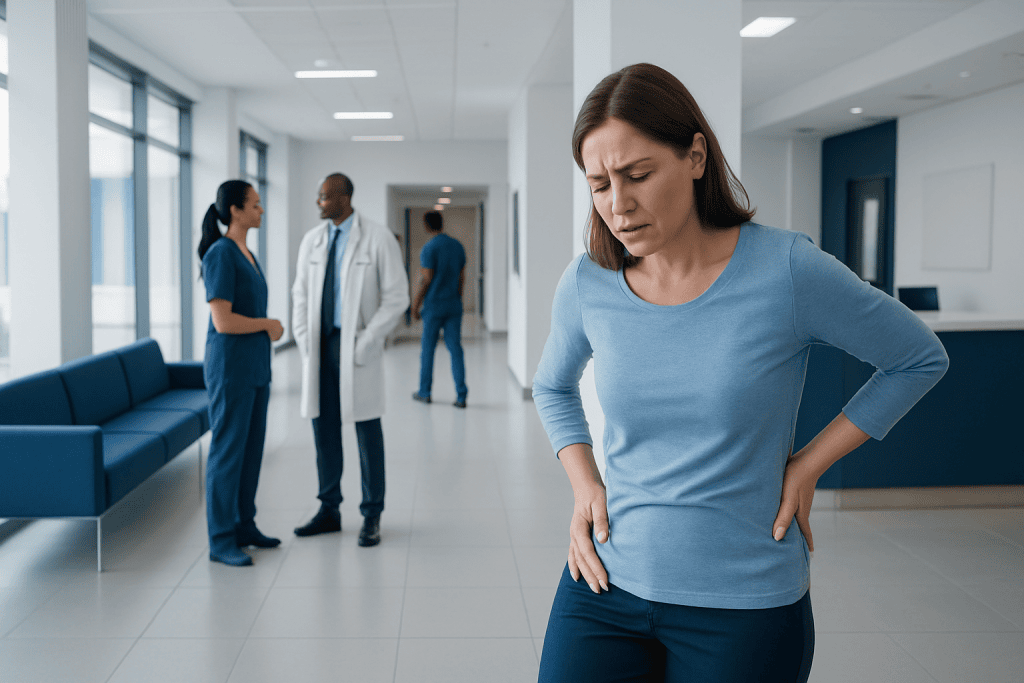
Right hip area pain in females may start in the joint, muscles, tendons, lower back, pelvis, or abdomen. Common causes include muscle strain, bursitis, tendinitis, arthritis, nerve irritation, and referred pain from pelvic conditions.
Key Takeaways
- Right hip area pain in females may start in the joint, muscles, tendons, lower back, pelvis, or abdomen.
- Common causes include muscle strain, bursitis, tendinitis, arthritis, nerve irritation, and referred pain from pelvic conditions.
- The exact location of pain matters: groin pain often points to the hip joint, while outer hip pain is commonly related to tendons or bursae.
- Urgent evaluation is important for severe pain after injury, fever, inability to walk, numbness, or symptoms of pregnancy-related emergency.
- Treatment depends on the cause and may include rest, physical therapy, medicines, injections, or treatment of an underlying pelvic or abdominal condition.
Pain in the right hip area in females can come from the hip joint itself, surrounding muscles and tendons, nearby nerves, or organs in the pelvis and abdomen. Many causes are minor and improve with rest, but sudden severe pain, fever, inability to bear weight, or pelvic symptoms should be assessed by a doctor.
Overview: what right hip area pain can mean
Pain in right hip area female is a symptom rather than a diagnosis. It may come from the hip joint, the muscles and tendons around it, the sacroiliac joint, the lower spine, or nearby organs such as the ovaries, uterus, bladder, or appendix. Because several body systems meet in this region, the most useful first step is to consider exactly where the pain is felt and what other symptoms occur with it.
Groin pain often suggests a problem inside the hip joint, such as arthritis, labral irritation, or inflammation. Pain on the outside of the hip is more often linked to tendon problems or bursitis. Pain that starts in the buttock or lower back and travels toward the hip may be referred from the spine or nerves. Lower abdominal or pelvic symptoms can point toward gynecologic, urinary, or digestive causes rather than the joint itself.
In many women, right hip area pain is related to overuse, posture, exercise, or age-related wear and tear. In others, it may be connected with pregnancy, ovarian cysts, endometriosis, hernias, or appendicitis. A careful medical history and physical exam help separate these possibilities and guide the next steps.
How symptoms can help narrow the cause
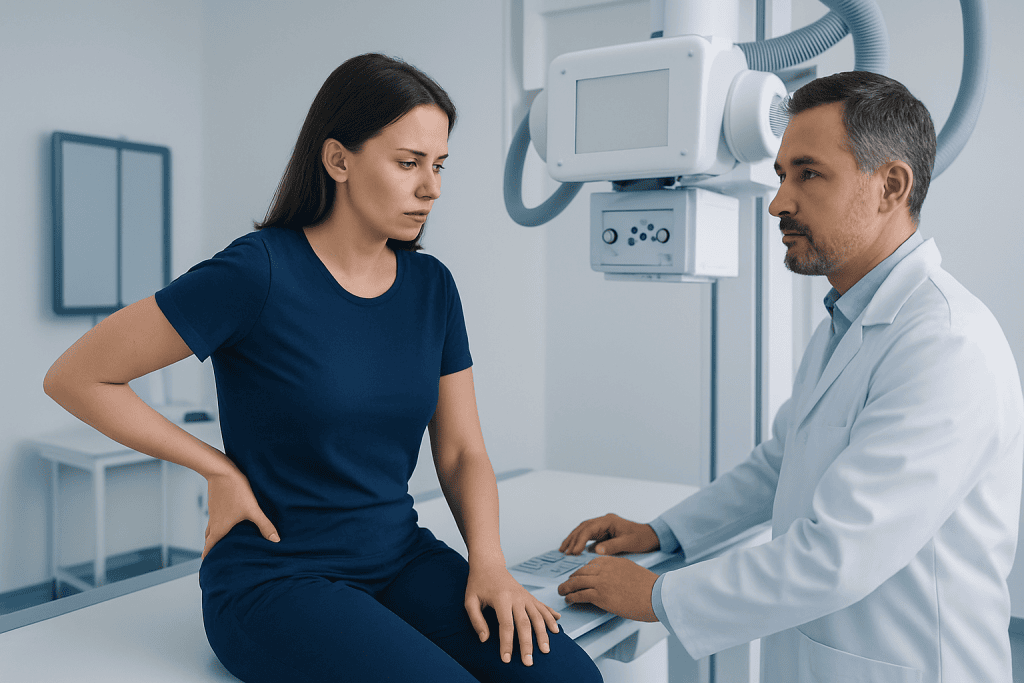
The pattern of pain often provides clues. A dull ache after walking, climbing stairs, or standing for long periods may suggest muscle strain, tendon irritation, or early arthritis. Sharp pain with twisting, a catching sensation, or pain deep in the groin can indicate problems within the hip joint. Tenderness over the outside of the hip when lying on that side is commonly seen with greater trochanteric pain syndrome, which includes bursitis and tendon irritation.
Associated symptoms are also important. Stiffness in the morning may be linked to arthritis. Burning, tingling, numbness, or pain that radiates down the leg may suggest nerve irritation from the lower back. Pelvic pressure, abnormal vaginal bleeding, pain during periods, or pain during intercourse can point toward gynecologic causes. Nausea, fever, bowel changes, or worsening pain in the lower right abdomen may suggest a digestive cause such as appendicitis.
Doctors often ask about recent activity, exercise changes, falls, menstrual history, pregnancy possibility, urinary symptoms, and whether the pain is constant or comes in episodes. Pain that appears only with movement usually has a different cause from pain that wakes someone at night or persists even at rest.
Common musculoskeletal causes
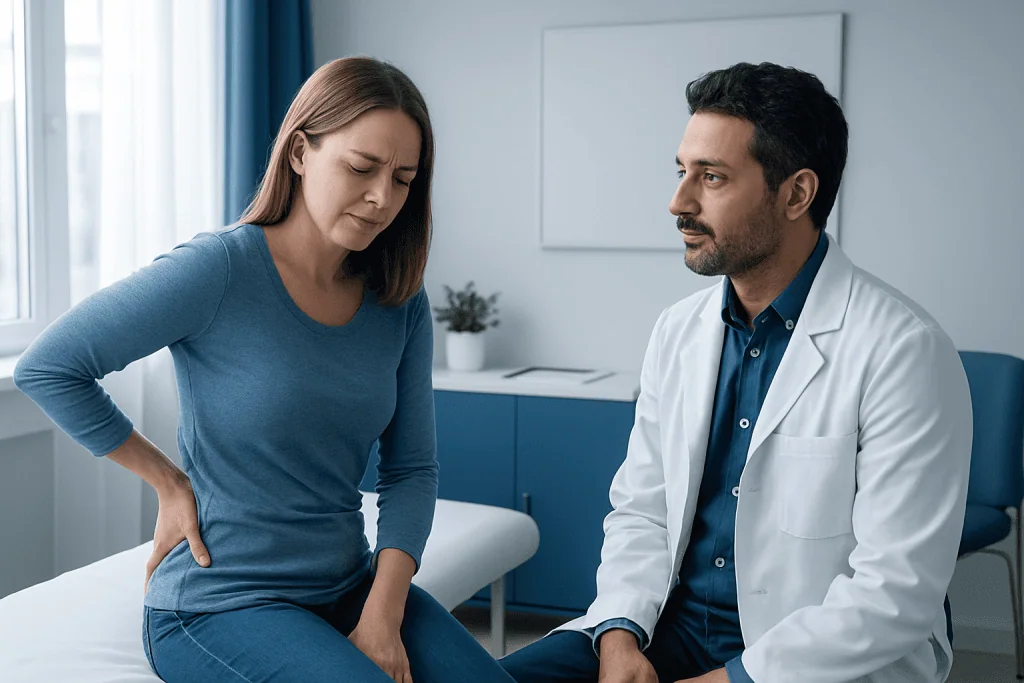
Many cases of right hip area pain in women are musculoskeletal. A muscle strain can develop after exercise, lifting, sudden movement, or even prolonged sitting followed by activity. Tendinitis may affect the hip flexors or gluteal tendons, especially in runners or people who increase activity quickly. Overuse can also irritate the bursa, a fluid-filled sac that reduces friction near the hip, leading to pain on the outer side of the hip.
Osteoarthritis becomes more common with age and may cause groin pain, stiffness, and reduced range of motion. Some women feel a deep ache that worsens with walking or standing and eases with rest. Other structural issues, such as a labral tear or femoroacetabular impingement, may cause pinching in the groin, clicking, or pain during bending and twisting. In some cases, doctors may evaluate for hip pain when symptoms suggest a joint-based source.
Pain may also be referred from the lower back or sacroiliac joint. A pinched nerve, disc problem, or spinal arthritis can create pain around the buttock, side of the hip, or thigh even when the hip joint itself is healthy. This overlap is one reason a full evaluation often includes examining both the hip and the spine.
- Muscle strain or overuse
- Hip flexor or gluteal tendinitis
- Greater trochanteric pain syndrome or bursitis
- Osteoarthritis or inflammatory arthritis
- Labral tear or hip impingement
- Referred pain from the lower back or sacroiliac joint
Gynecologic, urinary, and digestive causes
Not all right hip area pain starts in the bones or soft tissues. In females, pelvic conditions may be felt as pain in the front of the hip, groin, lower abdomen, or deep pelvis. Ovarian cysts can cause one-sided discomfort, particularly if they enlarge, bleed, or twist. Endometriosis may lead to cyclical pain that worsens around menstruation and can radiate toward the hip or lower back. Pelvic inflammatory disease can cause pelvic pain along with fever, unusual discharge, or pain during intercourse.
Urinary causes can include bladder infection, kidney stones, or irritation of the urinary tract. These may produce pain that spreads toward the groin, along with burning during urination, urinary urgency, blood in the urine, or flank pain. Digestive causes are also possible. Appendix inflammation often begins as vague abdominal discomfort and later localizes to the lower right abdomen, sometimes felt near the right hip area. Hernias can cause pain with lifting, coughing, or straining.
Pregnancy-related issues always deserve special attention. Normal pregnancy can change posture and place extra stress on the pelvis and hips, but severe one-sided pelvic pain, dizziness, or bleeding requires urgent assessment because an ectopic pregnancy or other emergency must be ruled out.
How doctors diagnose the cause
Diagnosis starts with the story of the pain: where it is, when it started, what makes it better or worse, and whether there are associated symptoms. A doctor will usually ask about physical activity, recent injuries, menstrual history, pregnancy possibility, bowel and bladder symptoms, and any history of arthritis, back problems, or previous hip issues. This helps separate joint problems from referred pain or organ-related causes.
The physical exam may include checking how the hip moves, where tenderness is located, whether the pain appears with certain motions, and whether there are signs of weakness or nerve involvement. The lower back, abdomen, and pelvis may also need assessment depending on the symptoms. In some situations, a pelvic exam may be recommended.
Tests are chosen based on the suspected cause. X-rays can show arthritis or fractures, while ultrasound can help assess soft tissues, bursae, or pelvic organs. MRI may be useful for labral tears, tendon injuries, or occult fractures. Blood tests or urine tests may be ordered if infection, inflammation, or urinary causes are possible. Some patients may benefit from an MRI scan or orthopedic rehabilitation once the diagnosis is clearer and a care plan is in place.
Treatment options and what may help
Treatment depends on the cause. For minor strains or overuse injuries, short-term rest, activity modification, gentle stretching, and gradual return to movement are often helpful. Heat or cold packs may reduce discomfort. Doctors may recommend pain-relieving or anti-inflammatory medicines when appropriate, but these should be used with guidance, especially during pregnancy or if there are stomach, kidney, or bleeding concerns.
Physical therapy is often central for hip and pelvic pain caused by tendon problems, weakness, posture, or referred pain from the back. A tailored program can improve strength, flexibility, walking pattern, and joint support. If symptoms persist, some people may benefit from image-guided injections to calm inflammation, especially in bursitis or certain joint conditions. When hip arthritis becomes advanced, options may include specialist evaluation for procedures and, in selected cases, hip replacement.
When the pain comes from pelvic, urinary, or digestive conditions, treatment focuses on the underlying issue. That may mean antibiotics for infection, hormonal or surgical care for certain gynecologic disorders, or urgent surgery for conditions such as appendicitis or ovarian torsion. In complex cases, coordinated care between orthopedics, gynecology, general surgery, radiology, and rehabilitation may be needed. Acibadem International’s multidisciplinary specialists in JCI-accredited hospitals diagnose and treat these conditions for international patients.
Self-care and prevention
Not all hip-area pain can be prevented, but daily habits can reduce strain on the joint and surrounding tissues. Warm-up before exercise, increase activity gradually, and include strength training for the glutes, core, and thighs. Supportive footwear and avoiding sudden increases in hill walking, running, or stair climbing may also help lower the risk of tendon irritation and overuse injury.
Posture and body mechanics matter as well. Long periods of sitting can tighten the hip flexors, while standing unevenly on one leg can overload the outer hip. Taking regular movement breaks, adjusting workstation setup, and using proper lifting technique can reduce stress on the hips and lower back. Maintaining a healthy body weight may ease pressure on weight-bearing joints.
For women who notice pain linked to the menstrual cycle, keeping a symptom diary can be useful. Recording the timing of pain, bleeding changes, urinary symptoms, and exercise triggers can help a doctor identify whether the source is orthopedic, hormonal, or pelvic. If there is known arthritis or a previous injury, early follow-up can prevent small problems from becoming more limiting.
When to seek medical care
Medical care is recommended if right hip area pain lasts more than a few days, keeps returning, limits walking, disturbs sleep, or is associated with weakness or reduced range of motion. Evaluation is also important when pain occurs with pelvic symptoms such as abnormal bleeding, severe menstrual pain, pain during intercourse, burning with urination, or bowel changes.
Urgent assessment is needed for severe pain after a fall or injury, inability to bear weight, fever, redness, visible swelling, new numbness, sudden severe lower abdominal pain, or signs of pregnancy-related emergency such as one-sided pelvic pain with bleeding or faintness. These symptoms do not always mean a serious problem, but they do need prompt attention to rule out fractures, infection, appendicitis, ovarian torsion, or ectopic pregnancy.
If the cause is unclear or symptoms continue despite rest, a doctor may consider referral for physical therapy and rehabilitation or specialist assessment. In women with overlapping abdominal or pelvic symptoms, conditions such as ovarian cyst may need to be considered alongside musculoskeletal causes.
Frequently asked questions
Can pain in the right hip area in a female come from something other than the hip?
Yes. Pain in this area may come from the lower back, sacroiliac joint, pelvis, abdomen, bladder, or reproductive organs rather than the hip joint itself. That is why associated symptoms and the exact pain location are important.
What does outer right hip pain usually mean?
Pain on the outside of the hip is often related to tendon irritation or bursitis rather than arthritis inside the joint. It may feel worse when lying on that side, walking uphill, or climbing stairs.
When is right hip area pain an emergency?
Emergency care is needed for severe pain after injury, inability to walk, fever, sudden swelling, numbness, or sudden severe abdominal or pelvic pain. Women who could be pregnant should seek urgent care for one-sided pelvic pain with bleeding, dizziness, or fainting.
Can menstrual or ovarian problems cause hip pain?
Yes. Ovarian cysts, endometriosis, and other pelvic conditions can cause one-sided pain that may be felt near the hip, groin, or lower abdomen. Pain related to the menstrual cycle or accompanied by abnormal bleeding should be discussed with a doctor.
How is the cause of right hip pain diagnosed?
Doctors usually start with a history and physical examination. Depending on the symptoms, they may use X-rays, ultrasound, MRI, urine tests, blood tests, or pelvic evaluation to identify whether the source is orthopedic, neurologic, urinary, digestive, or gynecologic.
What can help relieve mild right hip area pain at home?
Short-term rest, avoiding painful activities, using heat or cold packs, and returning gradually to movement may help mild overuse pain. If symptoms persist, worsen, or come with other warning signs, medical advice is recommended rather than continuing self-treatment.
References
- American Academy of Orthopaedic Surgeons
- American College of Obstetricians and Gynecologists
- National Institute of Arthritis and Musculoskeletal and Skin Diseases
- National Health Service
- Mayo Clinic
This article is for general information only and is not a substitute for professional medical advice. Please consult a qualified doctor about your individual situation.
Joint and spine care in Turkey — expert assessment & treatment
JCI-accredited · board-certified surgeons · reply within 24h
Add us as a Preferred Source to see more of our trusted health content across Google Search, AI Overviews and Discover.