Pain Under Ear Behind Jaw Bone Left Side: Common Causes, Related Conditions, and When to See a Doctor

This symptom often comes from the jaw joint, teeth, salivary glands, lymph nodes, ear, or nearby muscles. Pain with chewing, jaw clicking, or morning jaw tightness can suggest TMJ-related problems.
Key Takeaways
- This symptom often comes from the jaw joint, teeth, salivary glands, lymph nodes, ear, or nearby muscles.
- Pain with chewing, jaw clicking, or morning jaw tightness can suggest TMJ-related problems.
- Swelling, fever, sore throat, dental pain, or dry mouth may point to infection or salivary gland blockage.
- Persistent, worsening, or unexplained one-sided pain should be assessed by a qualified doctor or dentist.
- Self-care may help mild strain, but red-flag symptoms such as severe swelling, trouble swallowing, or facial weakness need prompt medical care.
Pain under the ear behind the jaw bone on the left side is commonly caused by temporomandibular joint strain, dental problems, swollen lymph nodes or salivary glands, and some ear or throat conditions. The exact cause often depends on associated symptoms such as chewing pain, swelling, fever, tooth sensitivity, clicking of the jaw, or reduced mouth opening.
Overview: what pain under the ear behind the jaw bone on the left side can mean
Pain under ear behind jaw bone left side is usually related to structures that sit close together in that area: the jaw joint, chewing muscles, teeth, salivary glands, lymph nodes, ear, throat, and upper neck. In many people, the cause is not dangerous and may be due to jaw clenching, temporomandibular joint irritation, a dental problem, or a swollen gland after an infection.
That said, one-sided pain should not be ignored if it lasts, keeps returning, or comes with swelling, fever, hearing changes, trouble opening the mouth, or difficulty swallowing. Because several conditions can feel very similar in this area, doctors often look at the pattern of the pain rather than the location alone.
The left-sided location does not usually point to a special disease by itself. It more often reflects which side has more strain, inflammation, infection, or referred pain. For example, sleeping on one side, chewing mostly on one side, or having a problem with a left lower molar can all make the discomfort seem very focused under the left ear and behind the jaw.
Symptoms that help narrow down the cause
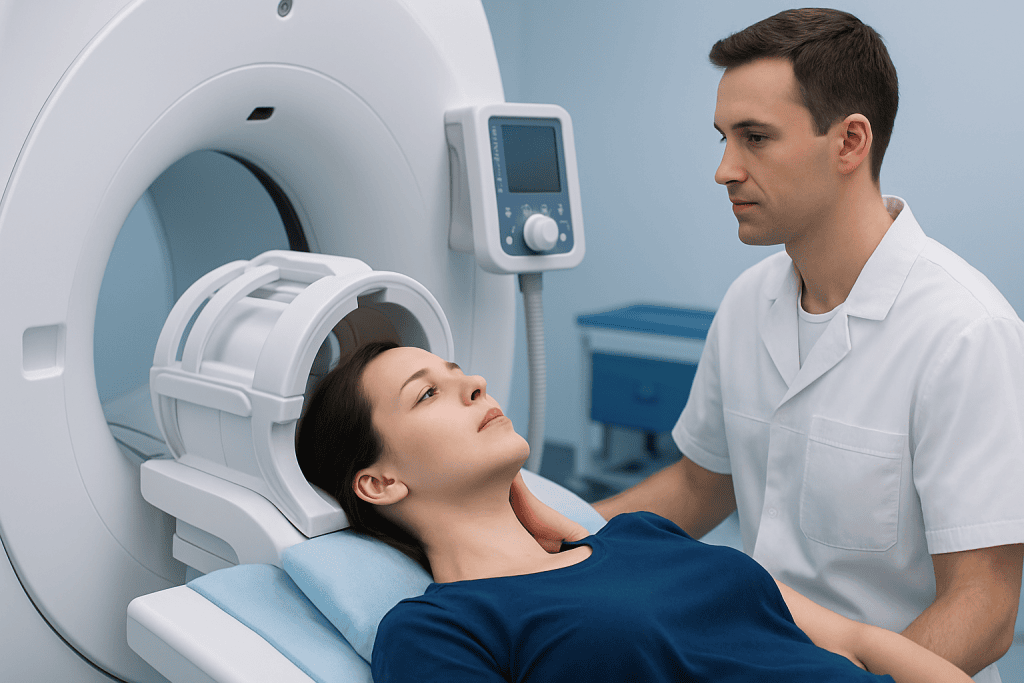
The symptom pattern often gives useful clues. Pain that worsens when chewing, yawning, or opening the mouth wide commonly suggests irritation of the temporomandibular joint or nearby muscles. A clicking or popping sound, jaw locking, morning tightness, or a history of teeth grinding can support this possibility.
If the pain comes with tooth sensitivity, pain when biting, gum swelling, bad taste in the mouth, or visible dental decay, a tooth or gum problem becomes more likely. Dental infections, impacted teeth, and inflammation around the back molars can all send pain toward the ear and jaw angle.
When there is swelling just below or in front of the ear, dry mouth, pain during meals, or a tender lump, the salivary glands may be involved. Ear symptoms such as reduced hearing, ear fullness, drainage, or ringing may suggest an ear disorder, while sore throat, fever, or enlarged neck nodes can point to throat infection or inflamed lymph nodes.
- Jaw clicking, clenching, chewing pain: often jaw joint or muscle related
- Toothache, gum pain, bad breath, pain on biting: often dental related
- Swelling under the ear, pain with meals, dry mouth: may involve the salivary glands
- Fever, sore throat, tender neck nodes: may suggest infection
- Numbness, facial weakness, or severe persistent pain: needs prompt medical assessment
Common causes and related conditions

One of the most common explanations is a temporomandibular joint disorder. The temporomandibular joint sits just in front of the ear, and inflammation or strain in the joint or chewing muscles can create pain that feels under the ear and behind the jaw bone. Teeth grinding, stress-related clenching, arthritis, misalignment, and prolonged chewing can all contribute. Readers looking for more information on TMJ disorder may find that this diagnosis closely matches one-sided jaw-and-ear pain.
Dental causes are also very common. Tooth decay, an abscess, impacted wisdom teeth, gum disease, or inflammation of tissues around a lower molar can refer pain toward the ear and jaw angle. Sometimes the tooth itself does not hurt strongly at first, so the person notices ear-area pain before realizing there is a dental source.
Salivary gland problems are another important cause. The parotid and submandibular glands sit near the ear and jaw. A salivary stone can block flow and cause pain that increases during eating, while infection can cause swelling, tenderness, and sometimes fever. In some cases, swollen lymph nodes after a cold, throat infection, or dental infection may be the source of tenderness under the jaw.
Other possibilities include ear infections, throat infections, muscle strain in the neck, neuralgia, arthritis of the jaw, or referred pain from nearby inflammation. Less commonly, persistent one-sided pain can be linked to a growth, chronic inflammatory disease, or another underlying condition, especially if there is ongoing swelling, unexplained weight loss, or symptoms that do not improve.
Less obvious causes: ear, throat, nerves, and neck structures
Not all pain in this area starts in the jaw. Ear conditions can refer discomfort into the tissues behind the jaw bone. This may happen with middle or outer ear inflammation, pressure changes, or disorders affecting nearby nerves. If ear fullness or hearing symptoms are present, an ENT evaluation may be helpful. In some people, the concern may overlap with ear infection symptoms, especially if there is fever or recent upper respiratory illness.
Throat and tonsil problems can also cause one-sided pain under the ear and jaw. Inflamed tissues in the throat may enlarge nearby lymph nodes, producing tenderness near the angle of the jaw. This may happen with viral infections, strep throat, tonsillitis, or irritation related to reflux or mouth breathing.
Neck muscles are another overlooked source. Tightness in the sternocleidomastoid or other upper neck muscles can create aching near the ear and jaw, especially after poor posture, prolonged screen use, or sleeping in an awkward position. This type of pain often feels sore or pulling rather than sharp, and it may improve with rest, posture changes, and gentle movement.
Nerve-related pain is less common but possible. Neuralgia can cause brief, sharp, electric-shock-like pain triggered by swallowing, talking, touching the skin, or turning the head. Because this pattern differs from muscular or dental pain, it should be assessed by a clinician, particularly if the pain is severe or recurrent.
How doctors diagnose the cause
Diagnosis starts with a careful history and physical examination. A doctor or dentist will usually ask when the pain began, whether it is dull or sharp, whether chewing makes it worse, and whether there are associated symptoms such as swelling, fever, sore throat, hearing changes, dry mouth, or tooth pain. They may also ask about clenching, recent dental work, trauma, or infections.
The examination may include feeling the jaw joint and nearby muscles, checking how widely the mouth opens, listening for jaw clicking, looking inside the mouth and throat, examining the teeth and gums, and checking the lymph nodes and salivary glands. If infection is suspected, a doctor may also look at the ears and assess for redness, fluid, or tenderness.
Sometimes imaging or additional tests are needed. Dental X-rays may identify tooth or jaw problems, while ultrasound or other imaging can help assess salivary gland swelling or stones. In selected cases, doctors may use CT, MRI, or blood tests if symptoms are persistent, unusual, or suggest deeper infection or another underlying condition.
Because several causes overlap, more than one specialist may be involved. Depending on the findings, care may include a dentist, oral and maxillofacial specialist, ENT doctor, or another clinician familiar with facial pain.
Treatment options and what may help
Treatment depends on the underlying cause. When the problem is related to the jaw joint or muscle tension, initial care often focuses on resting the jaw, avoiding very chewy or hard foods, reducing clenching, using a soft diet for a short period, and discussing pain relief options with a clinician. Some people benefit from bite splints, physical therapy, or specialist assessment for TMJ treatment when symptoms persist.
If the source is dental, treatment may involve filling a cavity, treating gum disease, draining an abscess, or addressing an impacted tooth. Dental infections should not be left untreated because they can worsen over time. If a salivary gland is blocked or inflamed, management may include hydration, measures to stimulate saliva, and treatment directed by a doctor; some patients may need imaging or a procedure for salivary gland surgery if there is a stone or recurrent problem.
Ear or throat infections are treated according to the cause, and supportive care is often important. When neck muscles are involved, posture correction, heat, gentle stretching, and activity changes may help. If symptoms suggest persistent ear disease or another ENT problem, a doctor may recommend evaluation and targeted ENT treatment.
Near the end of the diagnostic process, multidisciplinary input can be useful for symptoms that do not fit a single clear cause. Acibadem International’s multidisciplinary specialists in JCI-accredited hospitals evaluate and treat jaw, ear, dental, and salivary conditions for international patients when more than one area may be involved.
Self-care, prevention, and habits that may reduce flare-ups
Self-care can be helpful when pain is mild and likely related to strain, but it should not replace professional assessment when symptoms are significant or ongoing. A practical first step is to notice patterns: whether the pain appears after chewing gum, yawning widely, long speaking periods, teeth grinding, or sleeping on one side. Identifying triggers can help reduce repeat irritation.
General preventive habits include maintaining good dental hygiene, keeping routine dental checkups, staying hydrated, and treating colds, sinus symptoms, or throat infections appropriately. For jaw-related discomfort, people are often advised to avoid nail biting, chewing ice, jaw clenching, and very hard foods during a flare. Stress management may also help if clenching is part of the problem.
Helpful measures for some people include using a warm compress over sore jaw muscles, practicing relaxed jaw posture, and adjusting workstation setup to reduce neck tension. If dry mouth contributes to salivary gland irritation, hydration and discussing possible medication side effects with a doctor can be worthwhile.
It is best to avoid repeatedly pressing on a swollen area or taking frequent antibiotics without a diagnosis. Because pain under the ear and behind the jaw can come from different body systems, treatment works best when it is matched to the actual cause rather than the location alone.
When to seek medical care
Medical care is appropriate if pain under ear behind jaw bone left side lasts more than a few days, keeps recurring, or interferes with eating, speaking, sleep, or normal daily activities. A dentist or doctor should also assess symptoms if there is visible swelling, pain when opening the mouth, a new lump, or signs that a tooth may be involved.
Prompt evaluation is especially important if the pain is accompanied by fever, pus or drainage, rapidly increasing swelling, trouble swallowing, trouble breathing, dehydration, facial weakness, numbness, or severe pain that is not improving. These symptoms do not always mean a serious condition, but they do require timely assessment.
People with a weakened immune system, diabetes, recent dental procedures, or a history of head and neck conditions may need earlier review. If the cause is unclear, or if treatments tried at home are not helping, a clinician can guide the next steps and decide whether dental, ENT, or imaging evaluation is needed.
Frequently asked questions
Why do I have pain under my left ear behind the jaw bone?
This pain most often comes from the jaw joint, chewing muscles, teeth, salivary glands, lymph nodes, or nearby ear and throat structures. Common examples include TMJ strain, tooth infection, swollen glands, or muscle tension. The associated symptoms usually help identify the most likely source.
Can TMJ cause pain under the ear on one side only?
Yes. TMJ problems often affect one side more than the other, especially if a person chews mainly on one side or clenches unevenly. Pain may worsen with chewing, yawning, or opening the mouth wide, and may come with clicking or tightness.
Is pain behind the jaw near the ear always an ear infection?
No. Although ear problems can cause pain in this area, dental conditions and jaw disorders are very common causes. That is why ongoing one-sided pain should be evaluated based on the full symptom pattern, not just the location.
How do I know if the pain is from a tooth or from the jaw joint?
Dental pain often comes with tooth sensitivity, gum swelling, pain on biting, or a bad taste in the mouth. Jaw joint pain is more likely to worsen with chewing or mouth opening and may be associated with clicking, locking, or morning jaw stiffness. Sometimes both can occur together, so an exam may be needed.
What should I do at home for mild pain under the ear behind the jaw?
For mild strain-related discomfort, resting the jaw, eating softer foods for a short time, staying hydrated, and using a warm compress may help. It is also wise to avoid gum chewing, jaw clenching, and very hard foods. If symptoms persist or there is swelling, fever, or dental pain, professional assessment is important.
When should I worry about one-sided jaw pain near the ear?
Medical review is recommended if the pain lasts, returns frequently, or comes with swelling, fever, trouble swallowing, reduced mouth opening, hearing changes, or a new lump. Urgent care is needed if there is rapidly worsening swelling, breathing difficulty, facial weakness, or severe uncontrolled pain.
References
- American Dental Association
- National Institute of Dental and Craniofacial Research
- American Academy of Otolaryngology–Head and Neck Surgery
- Mayo Clinic
- MedlinePlus
This article is for general information only and is not a substitute for professional medical advice. Please consult a qualified doctor about your individual situation.
Joint and spine care in Turkey — expert assessment & treatment
JCI-accredited · board-certified surgeons · reply within 24h
Add us as a Preferred Source to see more of our trusted health content across Google Search, AI Overviews and Discover.