Pain Under Left Rib Cage: Possible Causes and When to Seek Care

Pain under the left rib cage has many possible causes, from muscle strain and trapped gas to stomach, spleen, lung, kidney, or heart problems. The pattern matters: sharp pain with movement may suggest the chest wall, while burning, pressure, or pain linked to meals may point elsewhere.
Key Takeaways
- Pain under the left rib cage has many possible causes, from muscle strain and trapped gas to stomach, spleen, lung, kidney, or heart problems.
- The pattern matters: sharp pain with movement may suggest the chest wall, while burning, pressure, or pain linked to meals may point elsewhere.
- Urgent evaluation is important if the pain is severe, follows an injury, or happens with shortness of breath, fever, fainting, or chest pressure.
- Doctors use the history, physical examination, and sometimes blood tests, ECG, ultrasound, X-ray, or CT to find the cause.
- Self-care may help mild symptoms, but persistent, worsening, or unexplained pain should be assessed by a qualified clinician.
Pain under the left rib cage is a symptom rather than a diagnosis. It may come from the chest wall, stomach, bowel, spleen, left kidney, lung, or even the heart, so the meaning depends on where the pain is felt, what it feels like, and what other symptoms happen with it.
Overview: what pain under the left rib cage can mean
Pain under the left rib cage can arise from several different structures in the upper body. In that area, the body contains the lower ribs and their muscles, the stomach, part of the colon, the spleen, the tail of the pancreas, the left kidney, and the lower part of the left lung. The heart can also sometimes cause pain that is felt on the left side of the chest or upper abdomen.
Because so many organs are close together, the same symptom can have very different explanations. A brief stabbing pain after twisting may come from the chest wall, while cramping after eating may reflect digestive irritation. Pain that comes with breathlessness, chest tightness, or fainting deserves faster medical attention because it may be related to the heart or lungs.
The most useful clues are the exact location, the type of pain, what triggers it, how long it lasts, and any associated symptoms such as nausea, fever, cough, bowel changes, or urinary symptoms. Rather than assuming one cause, it is safer to look at the whole symptom pattern.
Common symptoms and patterns doctors look for
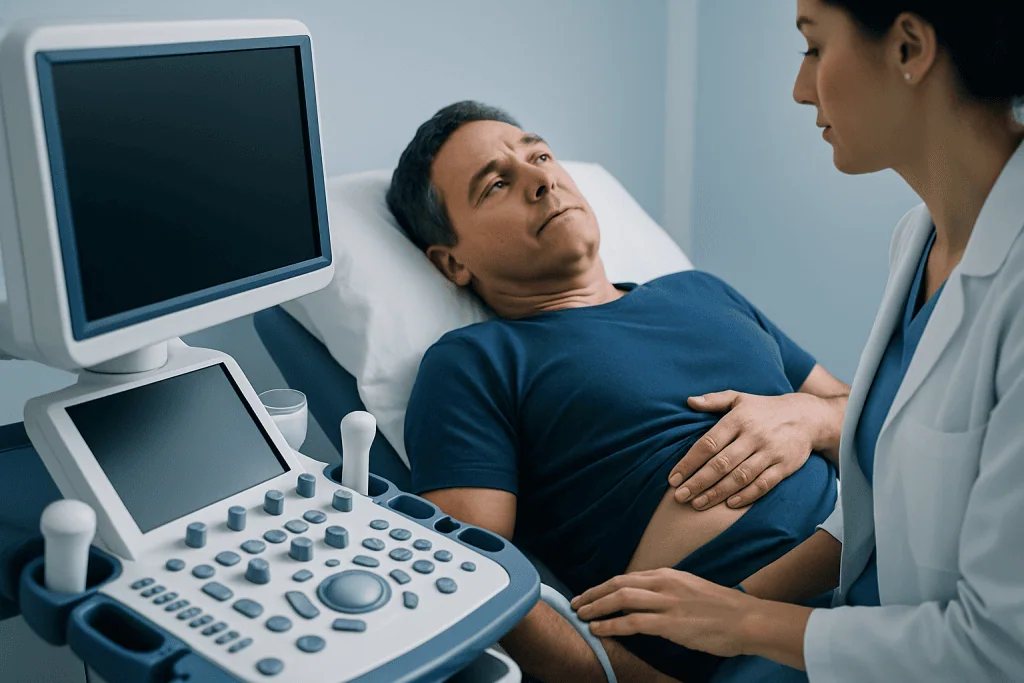
Doctors often begin by asking what the pain feels like. Sharp pain that worsens when turning, stretching, coughing, or pressing on the ribs often suggests a musculoskeletal cause such as muscle strain, bruising, or inflammation of the rib joints. A dull ache may also come from posture, overuse, or a minor injury.
Digestive causes can feel different. Burning discomfort, bloating, early fullness, burping, nausea, or pain after meals can point toward the stomach or upper bowel. Trapped gas near the splenic flexure of the colon can cause crampy pain high on the left side. Sometimes symptoms overlap with gastritis or acid-related irritation of the stomach lining.
Pain related to breathing may suggest the lungs or the lining around them. This can feel sharp and may worsen with deep breaths or coughing. If the pain radiates to the back or shoulder, doctors may also think about the spleen, kidney, or pancreas. Pain spreading to the jaw, arm, or center of the chest raises concern for a heart-related problem.
- Muscle or rib causes: tenderness to touch, pain with movement, recent exercise or coughing
- Stomach or bowel causes: bloating, indigestion, nausea, constipation, relation to meals
- Lung causes: cough, fever, shortness of breath, pain with breathing
- Kidney causes: flank pain, urinary symptoms, nausea, fever
- Heart causes: pressure, sweating, breathlessness, pain with exertion
Possible causes of pain under the left rib cage

Chest wall and rib causes are among the most common. These include muscle strain, a bruised rib, inflammation where the ribs join the breastbone, or lingering soreness after heavy lifting, exercise, or prolonged coughing. Although uncomfortable, these causes are often self-limited and may improve with rest and time.
Digestive causes are also frequent. Indigestion, gastritis, peptic ulcer disease, constipation, and trapped intestinal gas can all produce pain under the left ribs. In some cases, disorders of the pancreas may cause upper abdominal pain that reaches through to the back; this can be more serious and should be assessed if symptoms are significant or persistent. People who have recurrent upper abdominal symptoms may need evaluation for conditions such as pancreatitis or stomach disease.
The spleen sits high on the left side under the rib cage. It may become enlarged during some infections, blood disorders, or liver-related conditions, and it can be painful after trauma. A ruptured spleen is a medical emergency, especially after a fall, sports injury, or road accident. The left kidney can also cause pain in this region, especially with stones or infection, although kidney pain more often begins farther back in the flank.
Lung and heart causes are especially important not to miss. Pneumonia, pleurisy, or a collapsed lung can cause pain that worsens with breathing. Heart-related pain does not always feel like classic central chest pain; in some people it may be felt more on the left side under the ribs or in the upper abdomen, particularly if it comes with pressure, sweating, nausea, or shortness of breath.
Risk factors and clues that can narrow the cause
Recent events often help explain the symptom. A new exercise program, heavy lifting, persistent coughing, or direct trauma makes a musculoskeletal cause more likely. A recent viral illness or chest infection may point to inflammation involving the lungs or their lining. Pain beginning after alcohol use, large meals, or certain medicines such as anti-inflammatory drugs may suggest stomach or pancreatic irritation.
Past medical history matters too. People with a history of acid reflux, ulcers, kidney stones, heart disease, blood disorders, or lung disease may be more likely to have a related cause. Pregnancy, clotting disorders, and long-distance travel can increase the risk of some chest and lung conditions. Older age, diabetes, high blood pressure, smoking, and high cholesterol increase concern for heart disease when left-sided pain occurs.
Doctors also consider whether the pain is improving, staying the same, or worsening. Brief pain that is clearly linked to movement may be less concerning than pain that is severe, persistent, or waking a person from sleep. Unexplained weight loss, black stools, repeated vomiting, or fever are important clues that prompt fuller evaluation.
How the cause is diagnosed
Diagnosis starts with a careful history and physical examination. A doctor will ask where the pain is felt, whether it spreads anywhere else, what triggers it, and what other symptoms are present. They may press on the ribs and abdomen, listen to the heart and lungs, and check for fever, tenderness, or signs of injury.
Tests are chosen based on the suspected cause rather than used routinely for everyone. Blood tests may look for infection, inflammation, anemia, pancreatic irritation, or cardiac markers. An electrocardiogram can help assess the heart. Chest X-ray may be used if lung or rib problems are suspected, while ultrasound can help evaluate the spleen, kidneys, or upper abdomen. In selected cases, CT imaging gives a more detailed view.
If symptoms suggest a digestive cause, further evaluation may include stool testing or endoscopy to look at the esophagus, stomach, and upper small intestine. Kidney or urinary symptoms may lead to urine testing and imaging. When a heart problem is possible, prompt assessment is important, and some people may need observation, repeat ECGs, or additional cardiac testing.
Treatment options and what may help
Treatment depends entirely on the underlying cause. For muscle strain or minor chest wall irritation, doctors often recommend relative rest, avoiding painful movements, and simple pain relief if appropriate for the person. Heat or cold packs may also help. Symptoms usually improve gradually over days to weeks, though persistent pain should be reassessed.
Digestive causes are treated according to the diagnosis. This may involve short-term dietary adjustments, hydration, treatment for constipation, or medicines that reduce stomach acid when clinically appropriate. If there is concern for ulcer disease, significant inflammation, or upper digestive symptoms that keep returning, targeted evaluation is important rather than repeated self-treatment. Some patients may also need assessment by specialists in gastroenterology.
Kidney stones, infection, pneumonia, pleural inflammation, pancreatic disease, or spleen injury need medical treatment tailored to severity. Heart-related pain requires urgent evaluation and should not be managed at home. If surgery or a more specialized treatment pathway is needed, the approach depends on the diagnosis and the person’s overall health. Near the end of the care pathway, patients seeking international care may wish to know that Acibadem International’s multidisciplinary specialists and JCI-accredited hospitals diagnose and treat a wide range of causes behind this symptom.
Self-care, prevention, and when to seek medical care
For mild pain that seems related to strain, bloating, or a brief digestive upset, it may help to rest, stay hydrated, eat smaller meals, and avoid heavy lifting or intense exercise until symptoms settle. Good posture, gradual return to activity, and attention to bowel habits can also reduce repeat episodes. However, self-care is best reserved for symptoms that are mild, short-lived, and clearly improving.
Prevention depends on the cause. Warming up before exercise, using safe lifting technique, treating chronic cough, and limiting excess alcohol can all be helpful. Managing reflux, constipation, kidney stone risk factors, and heart health can reduce future episodes in some people. People with known digestive conditions may benefit from ongoing follow-up, and some may need specialized services such as cardiology or general surgery depending on the diagnosis.
Medical care should be sought promptly if pain under the left rib cage is severe, sudden, or follows an injury. Urgent evaluation is also needed for pain with shortness of breath, chest pressure, fainting, fever, coughing up blood, black stools, repeated vomiting, confusion, or pain spreading to the arm, jaw, shoulder, or back. If the pain is not severe but lasts more than a few days, keeps returning, or has no clear explanation, a planned medical assessment is the safest next step.
Frequently asked questions
Is pain under the left rib cage always serious?
No. Many cases are caused by muscle strain, bloating, indigestion, or minor rib irritation. Still, the symptom should not be ignored if it is severe, persistent, or accompanied by breathing problems, fever, chest pressure, or symptoms after an injury.
Can gas cause pain under the left rib cage?
Yes. Trapped gas in the upper part of the colon can cause cramping or pressure high on the left side of the abdomen under the ribs. This type of discomfort is often linked to bloating, burping, or changes in bowel habits and usually improves as the gas passes.
When could left rib cage pain be related to the heart?
Heart-related pain is more concerning when it feels like pressure, heaviness, squeezing, or tightness rather than a brief localized stab. It may happen with exertion or come with sweating, nausea, shortness of breath, dizziness, or pain spreading to the arm, jaw, or chest. These symptoms need urgent medical attention.
What organ is under the left rib cage?
Several organs and structures are located there, including the stomach, spleen, part of the colon, tail of the pancreas, left kidney farther toward the back, lower left lung, and the ribs and muscles themselves. Because many structures share this area, the exact cause cannot be identified by location alone.
How do doctors tell whether the pain is from a muscle or an internal organ?
Pain that can be reproduced by pressing on the area or that clearly worsens with twisting, lifting, or coughing is more suggestive of the chest wall or muscles. Internal organ pain is often harder to pinpoint and may be linked to meals, bowel changes, breathing, fever, urinary symptoms, or radiating pain. A clinician uses the history, examination, and selected tests to confirm the cause.
Should a person go to the emergency department for pain under the left rib cage?
Emergency care is appropriate if the pain is sudden, severe, follows trauma, or comes with shortness of breath, fainting, chest pressure, blue lips, coughing up blood, black stools, or confusion. If symptoms are mild and improving, a routine medical visit may be enough, but it is wise to seek advice if there is any uncertainty.
References
- National Institutes of Health
- American College of Gastroenterology
- American Heart Association
- Centers for Disease Control and Prevention
- Mayo Clinic
This article is for general information only and is not a substitute for professional medical advice. Please consult a qualified doctor about your individual situation.
Persistent digestive symptoms? Get evaluated in Turkey
JCI-accredited · board-certified surgeons · reply within 24h
Add us as a Preferred Source to see more of our trusted health content across Google Search, AI Overviews and Discover.