Pains After Period Explained: Common Triggers and Red Flags

Pains after period are not always gynecologic and may come from the bowel, bladder, pelvic floor, or abdominal muscles. Mild discomfort around the middle of the cycle can be due to ovulation and is usually short-lived.
Key Takeaways
- Pains after period are not always gynecologic and may come from the bowel, bladder, pelvic floor, or abdominal muscles.
- Mild discomfort around the middle of the cycle can be due to ovulation and is usually short-lived.
- Persistent, severe, or one-sided pain may point to conditions such as endometriosis, ovarian cysts, or infection.
- Associated symptoms like fever, abnormal discharge, pain with sex, or fainting are important warning signs.
- A medical evaluation may include a pelvic exam, pregnancy test, urine testing, blood tests, and imaging such as ultrasound.
Pains after period are common and are often caused by ovulation, temporary uterine contractions, digestive issues, or muscle strain rather than the period itself. Still, pain that is severe, recurrent, worsening, or paired with unusual bleeding, fever, or bowel and bladder symptoms should be assessed by a doctor.
Overview: what pains after period can mean
Pains after period usually refer to cramping, aching, pressure, or sharp pelvic discomfort that happens after menstrual bleeding has ended. In many cases, this pain is not dangerous. It may be related to normal hormonal changes, ovulation, lingering uterine contractions, constipation, bladder irritation, or tension in the pelvic muscles.
At the same time, pain that continues after a period should not automatically be dismissed as “just cramps.” The timing can offer clues, but it does not identify the cause by itself. Similar symptoms can come from the uterus, ovaries, bowel, urinary tract, or muscles and nerves of the lower abdomen and pelvis.
A helpful way to think about pains after period is to look at the full pattern: where the pain is felt, how strong it is, whether it comes and goes, and what other symptoms appear with it. Pain that is mild and occasional may simply need observation. Pain that returns every cycle, disrupts daily life, or is linked with abnormal bleeding or fever deserves medical assessment.
How the pain may feel and the symptoms that matter
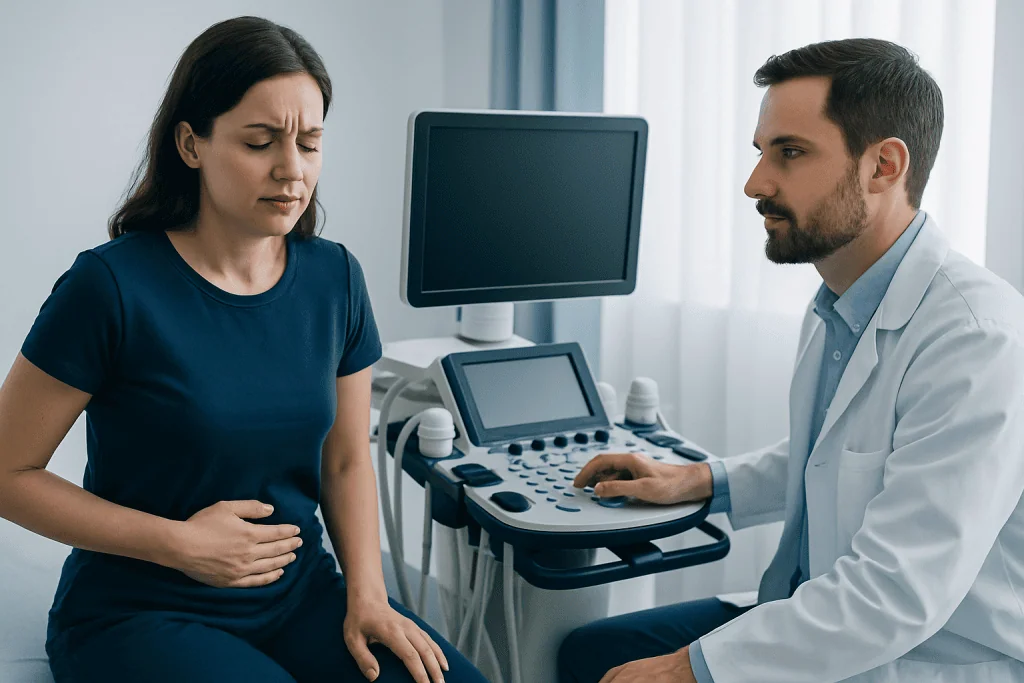
Pains after period can feel different from one person to another. Some describe dull pelvic pressure or a pulling sensation low in the abdomen. Others notice cramping similar to menstrual cramps, brief stabbing pain on one side, lower back discomfort, bloating, or pain that seems to radiate into the hips or thighs.
The pattern can be just as important as the intensity. Short-lived one-sided discomfort halfway between periods may suggest ovulation. Pain that appears with bowel movements, urination, sex, exercise, or prolonged sitting can point in a different direction, including bladder problems, pelvic floor tension, or disorders affecting nearby organs.
Symptoms that should be noted include:
- Heavy or unexpected bleeding after the period has ended
- Fever, chills, nausea, or vomiting
- Unusual vaginal discharge or bad odor
- Pain during sex
- Burning with urination or frequent urination
- Constipation, diarrhea, or pain with bowel movements
- Dizziness, weakness, or fainting
Keeping a brief symptom diary can be useful. Recording the date in the menstrual cycle, the location of the pain, its severity, and any accompanying symptoms can help a clinician decide whether the cause is likely hormonal, gynecologic, digestive, urinary, or musculoskeletal.
Common triggers and possible causes
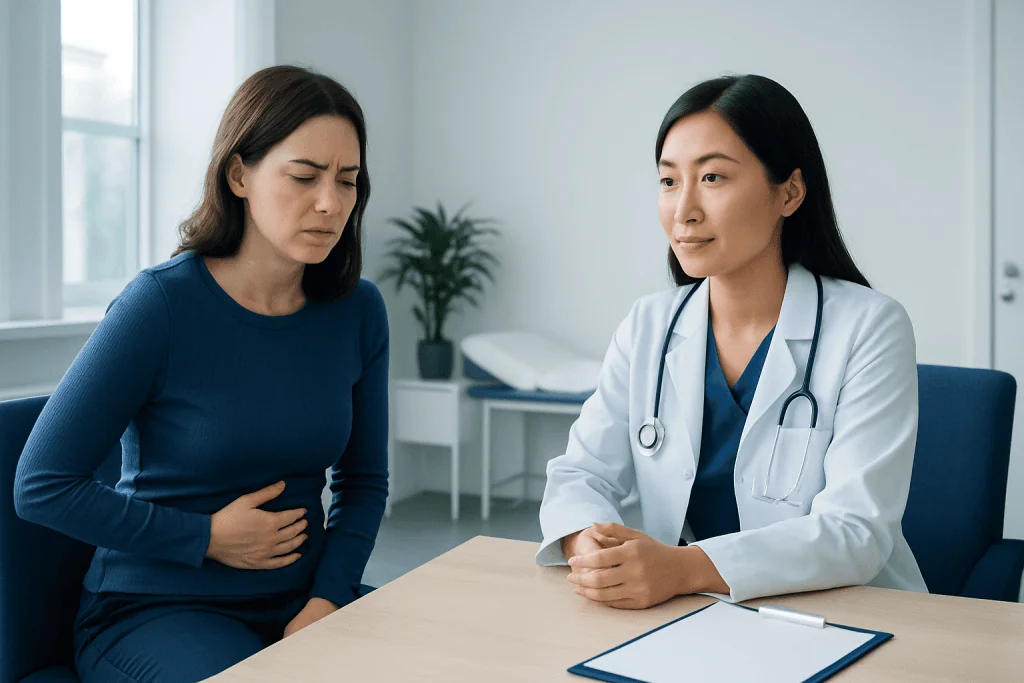
One of the most common reasons for pains after period is ovulation. Around the middle of the menstrual cycle, release of an egg from the ovary can cause mild one-sided pelvic pain for a few hours or a day or two. This is often called mid-cycle pain. It may happen monthly or only occasionally, and it is usually not a sign of disease when it is brief and manageable.
Another possibility is lingering uterine cramping. After a period, the uterus may continue mild contractions as hormone levels shift. These sensations are often mild and short-term. People who have heavier periods or a more sensitive uterus may notice this more than others.
Not all pains after period come from the reproductive organs. Constipation, trapped gas, irritable bowel syndrome, urinary tract irritation, abdominal wall strain, or tight pelvic floor muscles can all produce discomfort in the same area. Because the bowel, bladder, uterus, and ovaries sit close together, pelvic pain can be difficult to localize without an examination.
Some conditions deserve closer attention, especially if pain is recurrent or severe. These include endometriosis, ovarian cysts, adenomyosis, pelvic inflammatory disease, fibroids, and less commonly a problem such as ovarian torsion or an ectopic pregnancy if pregnancy is possible. In some cases, what seems like cramps after a period may be chronic pelvic pain that needs a broader evaluation.
Risk factors and situations that can increase concern
Certain factors make it more likely that pains after period are related to an underlying condition rather than a temporary cycle-related change. These include a history of very painful periods, infertility, endometriosis in the family, ovarian cysts, pelvic infections, fibroids, or prior pelvic surgery.
Cycle changes also matter. If pain appears along with periods that are suddenly heavier, more irregular, or much more painful than usual, a clinician may look for hormonal causes, structural problems in the uterus or ovaries, or signs of inflammation. Pain after stopping or starting contraception can also change because hormones influence ovulation and uterine activity.
Sexual health and pregnancy status are important considerations. If there is any possibility of pregnancy, even light bleeding followed by pain should not be assumed to be a normal period. Infections of the reproductive tract or urinary tract may be more likely if there is new discharge, pelvic tenderness, fever, or pain with urination or sex.
Age can also shift the likely causes. Teenagers and younger adults may be more likely to experience ovulation pain or primary menstrual-type cramping. In adults with persistent symptoms, clinicians may more strongly consider endometriosis, fibroids, adenomyosis, bowel conditions, or bladder pain syndromes. The goal is not to alarm, but to match the evaluation to the person’s symptoms and health history.
How doctors diagnose pains after period
Diagnosis starts with a detailed history. A doctor will usually ask when the pain began, where it is felt, how long it lasts, and whether it relates to the menstrual cycle, urination, bowel movements, sex, or exercise. They may also ask about bleeding patterns, contraception, prior pregnancies, infections, and any history of digestive or urinary symptoms.
A physical examination may include an abdominal exam and, when appropriate, a pelvic exam. Depending on symptoms, common tests may include a pregnancy test, urine testing for infection, blood tests, and a pelvic ultrasound. Ultrasound is often helpful for identifying ovarian cysts, fibroids, or other structural causes of pain. When clinically indicated, more advanced imaging or referral to a gynecologist, gastroenterologist, or urologist may be recommended.
If symptoms suggest a uterine or ovarian condition, a clinician may advise gynecologic evaluation and imaging. For people with ongoing pelvic symptoms, pelvic ultrasonography is a common first step because it is noninvasive and can clarify whether pain might be related to a cyst, fibroid, or another pelvic issue.
Sometimes diagnosis takes time, especially when pain is intermittent or has more than one trigger. In that situation, a symptom diary and follow-up visits can be very valuable. The aim is to rule out urgent causes first, then identify the most likely explanation and tailor treatment accordingly.
Treatment options and symptom relief
Treatment depends on the cause rather than the timing alone. If pains after period are due to ovulation or mild post-menstrual cramping, symptom relief may involve rest, heat, hydration, and over-the-counter pain relief if a doctor says it is suitable. Gentle movement, adequate sleep, and managing constipation can also reduce pelvic discomfort in some people.
If the cause is gynecologic, treatment may include hormonal therapy to suppress ovulation, medicines for pain and inflammation, or treatment of an infection when present. Ovarian cysts may only need monitoring, though some require closer follow-up. For people with recurrent symptoms suggestive of ovarian cysts or endometriosis, a gynecologist may recommend a longer-term management plan.
When digestive or urinary causes are involved, treatment focuses on those systems. Fiber and fluid intake may help constipation, while urinary symptoms may prompt urine testing and specific treatment. Pelvic floor dysfunction can improve with physical therapy, breathing and relaxation strategies, posture correction, and targeted exercises advised by a qualified professional.
If a structural problem is identified, care may include procedures or surgery in selected cases. Depending on the diagnosis, patients may be referred for laparoscopy or other specialist treatment. Near the end of the care pathway, Acibadem International’s multidisciplinary specialists and JCI-accredited hospitals can evaluate and treat pelvic pain conditions for international patients when specialist assessment is needed.
Self-care, tracking, and prevention
It is not always possible to prevent pains after period, especially when they are related to normal cycle events such as ovulation. Still, tracking symptoms can help identify patterns and possible triggers. Noting the timing of pain, food changes, bowel habits, stress, exercise, and any spotting may reveal whether the discomfort is cyclical or linked to another body system.
Simple self-care measures can make a difference. Many people benefit from a heating pad, regular meals, staying hydrated, light physical activity, and avoiding prolonged constipation. Stress reduction may also help because pelvic muscles can tighten in response to stress and make pain feel stronger or more persistent.
General reproductive health care is also part of prevention. Routine gynecologic follow-up, safer sex practices, and early attention to infections can reduce the risk of some causes of pelvic pain. If a person has known endometriosis, fibroids, or cysts, following the recommended treatment plan may help limit recurrent symptoms.
Self-care is useful for mild, familiar symptoms, but it should not replace evaluation when pain is new, significantly worse, or accompanied by warning signs. The main goal is to support comfort while also recognizing when professional assessment is the safer next step.
When to seek medical care
Medical care is advisable if pains after period keep returning, interfere with work, sleep, exercise, or daily activities, or do not improve with simple home measures. It is also reasonable to seek assessment if the pain is new, stronger than previous cramps, or consistently occurs outside the expected timing of a normal cycle.
Urgent care is needed if pain is severe or sudden, especially if it is one-sided, or if it comes with fainting, shortness of breath, fever, vomiting, heavy bleeding, or a positive pregnancy test. These symptoms can sometimes signal conditions that need prompt treatment, such as infection, ovarian torsion, or ectopic pregnancy.
Care should also be sought for pain linked with unusual discharge, pain during sex, burning with urination, blood in the urine, or major changes in bowel habits. These clues can help direct the evaluation toward gynecologic, urinary, or digestive causes and support earlier, more accurate treatment.
Frequently asked questions
Is it normal to have pains after period ends?
It can be normal, especially if the pain is mild, short-lived, and happens around ovulation or after uterine cramping settles down. However, pain that is severe, frequent, or accompanied by other symptoms should be checked by a doctor.
Why do I get cramps after my period instead of during it?
Cramping after a period may happen because of ovulation, lingering uterine contractions, or problems outside the uterus such as constipation or bladder irritation. The timing alone does not confirm the cause, so recurring symptoms may need medical evaluation.
Can ovulation cause pains after period?
Yes. Ovulation commonly happens about midway through the cycle, after menstrual bleeding has ended, and it can cause brief one-sided pelvic pain. This pain is usually mild and temporary, but persistent or intense symptoms should be assessed.
When are pains after period a red flag?
They are more concerning if the pain is sudden, severe, one-sided, or associated with fever, vomiting, heavy bleeding, fainting, or a possible pregnancy. Pain with unusual discharge, urination problems, or sex also warrants medical review.
Could pains after period be a sign of endometriosis?
Yes, endometriosis can cause pain at different times in the cycle, not only during menstruation. It is more likely if there are painful periods, pain with sex or bowel movements, or trouble with fertility, but a diagnosis requires medical assessment.
How are pains after period diagnosed?
Doctors usually begin with a history and physical exam, often followed by tests such as a pregnancy test, urine analysis, blood work, and pelvic ultrasound. Further evaluation depends on whether the symptoms suggest a gynecologic, urinary, digestive, or musculoskeletal cause.
References
- American College of Obstetricians and Gynecologists
- Office on Women's Health
- National Health Service
- Mayo Clinic
- World Health Organization
This article is for general information only and is not a substitute for professional medical advice. Please consult a qualified doctor about your individual situation.
Persistent digestive symptoms? Get evaluated in Turkey
JCI-accredited · board-certified surgeons · reply within 24h
Add us as a Preferred Source to see more of our trusted health content across Google Search, AI Overviews and Discover.
Check your numbers in seconds
BMI, calories, due date, blood pressure and 30+ more clinical calculators — free, instant, doctor-reviewed ranges.