Pains Without Period: Possible Causes and When to Seek Care
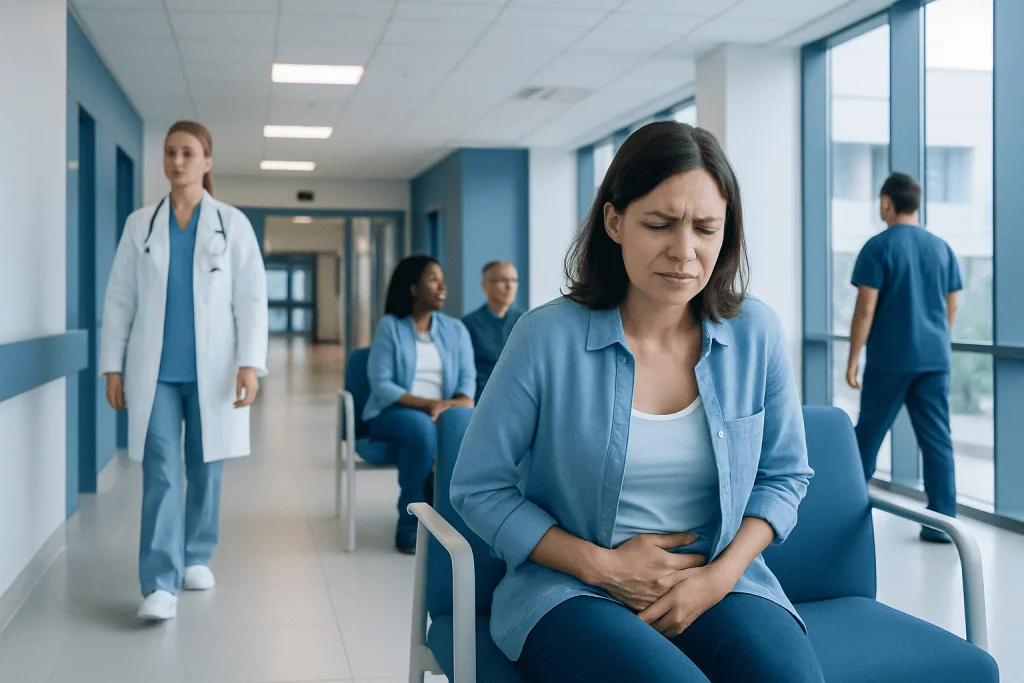
Pains without period are not always related to menstruation and may come from the ovaries, uterus, bowel, bladder, muscles, or urinary tract. Mild, short-lived discomfort can occur around ovulation, but persistent, worsening, or severe pain should be assessed.
Key Takeaways
- Pains without period are not always related to menstruation and may come from the ovaries, uterus, bowel, bladder, muscles, or urinary tract.
- Mild, short-lived discomfort can occur around ovulation, but persistent, worsening, or severe pain should be assessed.
- Pregnancy, ovarian cysts, endometriosis, infection, digestive problems, and urinary causes are among the common possibilities.
- Urgent care is important for sudden severe pain, fainting, fever, heavy bleeding, or pain with a positive pregnancy test.
- Diagnosis usually depends on symptoms, examination, pregnancy testing, urine tests, blood tests, and often pelvic ultrasound.
Pains without period can have many explanations, from normal ovulation and digestive upset to pregnancy-related changes or gynecologic conditions. The most important clues are where the pain is, how long it lasts, whether it is severe, and whether other symptoms such as bleeding, fever, nausea, or urinary changes are present.
Overview: What pains without period can mean
Pains without period usually means cramping, pelvic discomfort, or lower abdominal pain that happens when menstrual bleeding is not due. In many cases, the cause is not serious. Examples include ovulation pain, temporary digestive irritation, constipation, or muscle strain. However, similar pain can also come from the reproductive organs, urinary tract, or bowel, so the symptom should be understood in context.
The timing, location, and pattern of pain often provide useful clues. One-sided pain may point toward ovulation or an ovarian cyst. Burning with urination may suggest a urinary problem. Bloating, altered bowel habits, or pain after eating may indicate a digestive cause. Pain linked with sex, infertility, or long-standing menstrual problems can raise suspicion for conditions such as endometriosis.
Because several organs sit close together in the pelvis, it is common for pain to feel vague at first. Some people describe aching, pressure, sharp twinges, or cramps. A clinician will usually consider gynecologic causes, pregnancy-related causes, bowel conditions, bladder problems, and less commonly muscle or nerve pain before deciding which tests are needed.
How the pain may feel and what symptoms matter
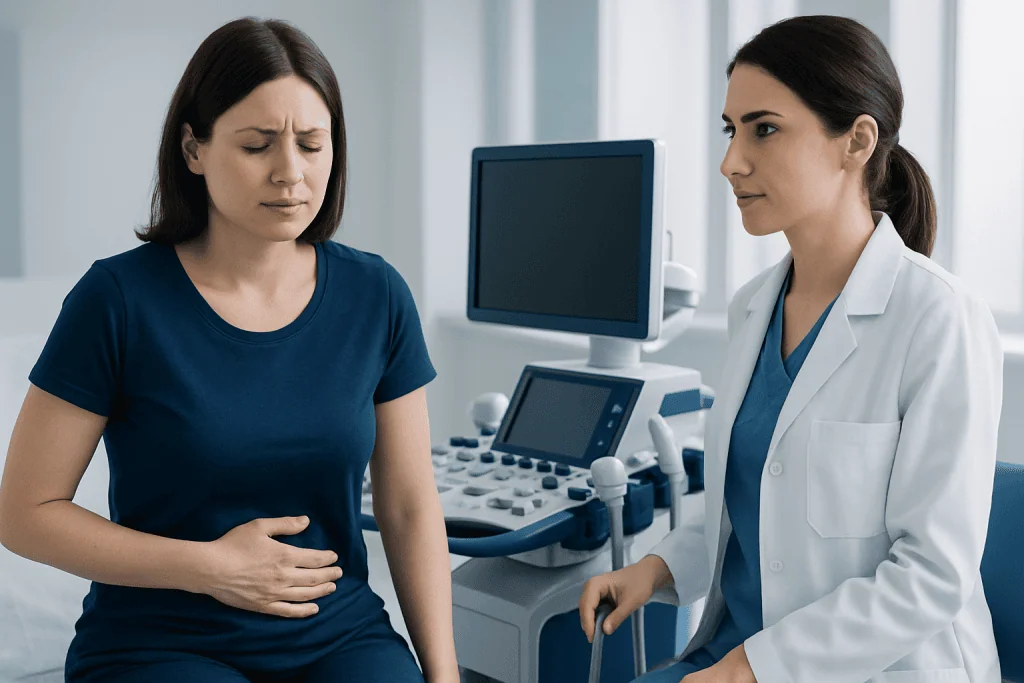
Pains without period can feel different depending on the cause. Some people notice dull pressure low in the abdomen. Others feel stabbing pain on one side, back pain, or cramp-like waves. The pain may last minutes, hours, or longer. It may be constant or come and go.
Associated symptoms are often more important than the pain alone. Symptoms that can help narrow the cause include:
- Vaginal spotting or unusual bleeding
- Nausea or vomiting
- Fever or chills
- Bloating, constipation, diarrhea, or pain with bowel movements
- Pain or burning with urination
- Urgent or frequent urination
- Pain during sex
- Missed period or positive pregnancy test
- Dizziness, weakness, or fainting
It can also help to note whether the pain follows a pattern. Mid-cycle pain may suggest ovulation. Recurrent monthly pain even without active bleeding can occur with hormonal changes or chronic pelvic conditions. Pain that wakes a person from sleep, becomes progressively worse, or interferes with daily life deserves medical attention even if bleeding is absent.
Common causes of pains without period
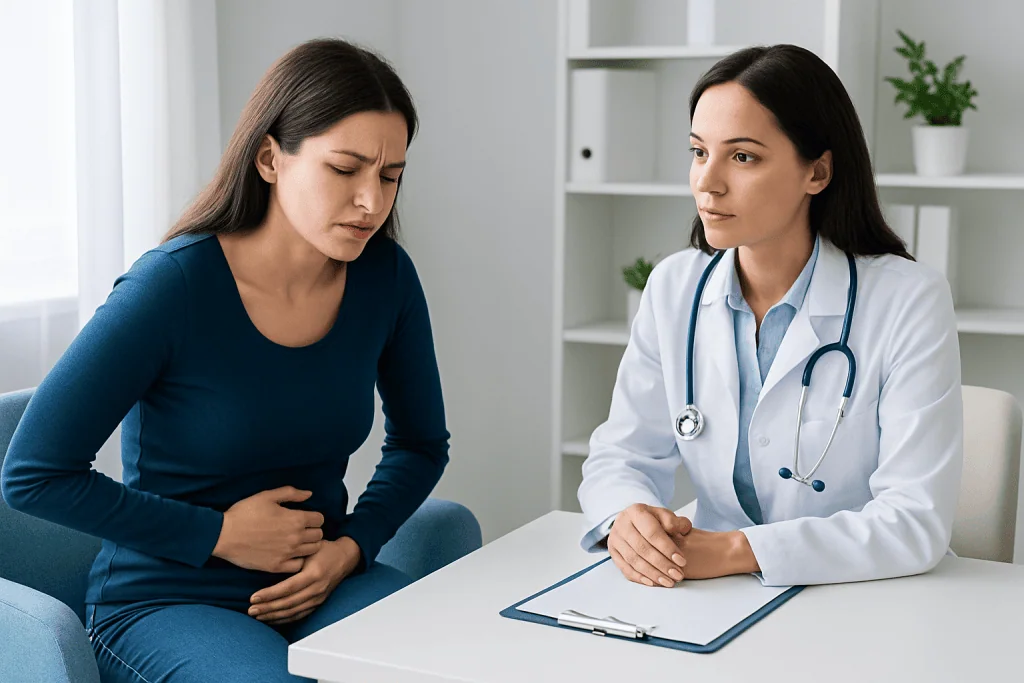
One of the most common explanations is ovulation pain, sometimes called mittelschmerz. This often appears midway through the cycle and may be mild, short-lived, and felt more on one side. Hormonal shifts can also cause cramping-like sensations without actual bleeding. Some people experience pelvic discomfort before a period starts, especially if cycles are irregular.
Gynecologic causes are important to consider. These include ovarian cysts, uterine fibroids, pelvic inflammatory disease, adenomyosis, and endometriosis. An ovarian cyst may cause one-sided pain, pressure, or bloating. Infection in the reproductive organs can cause lower abdominal pain with fever, unusual discharge, or pain during sex. Fibroids may create a feeling of heaviness or pressure in the pelvis.
Pregnancy-related causes must also be kept in mind, especially if a period is late. Early pregnancy can cause pelvic discomfort, and a miscarriage may bring cramping and bleeding. A particularly important emergency is ectopic pregnancy, when a pregnancy develops outside the uterus. This can cause one-sided pelvic pain, shoulder pain, dizziness, or fainting and needs urgent evaluation.
Not all pelvic pain comes from the reproductive system. Digestive issues such as constipation, irritable bowel syndrome, appendicitis, or bowel infection can cause lower abdominal pain. Urinary tract infection, bladder irritation, kidney stones, and pelvic floor muscle tension can also be responsible. In some cases, the symptoms overlap, which is why an accurate diagnosis matters.
Risk factors and situations that may raise concern
Certain personal and medical factors can make some causes more likely. Irregular menstrual cycles, known ovarian cysts, a history of pelvic infection, prior abdominal surgery, infertility, or a past diagnosis of endometriosis may increase the chance that pains without period are gynecologic in origin. Sexual activity without reliable contraception can make pregnancy-related causes more relevant.
Age and reproductive stage also matter. Pain around ovulation is more common during the reproductive years, while new or persistent pelvic pain after menopause deserves prompt medical review. A recent change in contraception, use of fertility treatment, or a newly positive pregnancy test also changes how doctors interpret symptoms.
Some situations suggest a higher level of urgency. These include sudden onset severe pain, pain after a known ovarian cyst, fever, repeated vomiting, inability to pass urine, abdominal swelling, or pain with faintness. While these symptoms do not confirm a specific diagnosis, they signal that same-day assessment may be needed to rule out urgent conditions.
How doctors diagnose the cause
Diagnosis begins with a detailed history. A doctor will usually ask when the pain started, where it is felt, whether it is one-sided or central, what makes it better or worse, and whether there are related symptoms such as bleeding, discharge, urinary burning, bowel changes, or nausea. Information about menstrual cycles, contraception, sexual history, and possible pregnancy is often essential.
The next step may include a physical examination of the abdomen and, when appropriate, a pelvic examination. Common tests include a pregnancy test, urine testing for infection, and blood tests if infection, anemia, or pregnancy complications are possible. Imaging is often useful, especially a pelvic ultrasound, which can help identify ovarian cysts, uterine fibroids, or pregnancy-related concerns. In some cases, doctors may recommend pelvic ultrasound or more advanced MRI if the diagnosis remains unclear.
If symptoms suggest digestive or urinary causes, the evaluation may shift accordingly. This can include additional urine tests, imaging, or referral to the relevant specialist. When pain is ongoing and a condition like endometriosis is suspected, a gynecologist may discuss longer-term management and, in selected cases, procedures such as laparoscopy to examine the pelvis more closely.
Treatment options depend on the underlying cause
There is no single treatment for pains without period because the symptom has many possible causes. Mild pain related to ovulation or temporary digestive upset may improve with rest, hydration, gentle activity, heat, and clinician-approved over-the-counter pain relief. Constipation may improve with fluids, fiber, and movement if a doctor has ruled out a more serious problem.
When a specific cause is found, treatment is directed at that condition. Urinary infection may need antibiotics. Ovarian cysts may simply be monitored if they are small and uncomplicated, while some larger or painful cysts require specialist care. Chronic gynecologic conditions such as endometriosis may be managed with pain control, hormonal treatment, or surgery depending on symptoms, fertility goals, and examination findings. Fibroids may also be monitored or treated depending on their size and effects.
Pregnancy-related pain should never be self-treated without medical advice. If pain occurs with a missed period or positive pregnancy test, timely assessment is important. For people with persistent or complex pelvic symptoms, coordinated care can be helpful. Near the end of the evaluation pathway, some patients may benefit from a gynecology review or targeted imaging; Acibadem International’s multidisciplinary specialists in JCI-accredited hospitals diagnose and treat these conditions for international patients when appropriate.
Self-care, tracking symptoms, and prevention
Not every episode of pains without period can be prevented, but symptom tracking can be very helpful. Keeping a record of cycle dates, pain location, intensity, bowel or urinary changes, and any spotting can make patterns easier to recognize. This is especially useful for pain that seems to happen monthly, around ovulation, or during times of stress.
General self-care measures may reduce some common triggers. These include staying hydrated, eating a balanced diet with enough fiber, managing constipation early, practicing safe sex to lower infection risk, and using contraception reliably if pregnancy is not planned. Gentle exercise and attention to posture can also help when muscle tension contributes to pelvic discomfort.
Self-care has limits. Pain should not be repeatedly dismissed if it is severe, new, or disruptive. Recurrent pain, especially with painful periods, pain during sex, bowel symptoms, or fertility concerns, deserves medical review because conditions such as endometriosis or fibroids may otherwise go undetected for a long time.
When to seek medical care
Medical care is advisable if pains without period persist for more than a few days, keep returning, or interfere with normal activities. A doctor should also assess pain linked with abnormal bleeding, unusual vaginal discharge, pain during sex, urinary symptoms, or significant bloating. These features can suggest an underlying condition that needs treatment rather than simple observation.
Urgent care is important for sudden severe pelvic or abdominal pain, fainting, dizziness, shoulder pain, fever, repeated vomiting, heavy bleeding, or pain with a positive pregnancy test. These symptoms can occur with emergencies such as ectopic pregnancy, ovarian torsion, ruptured cyst, appendicitis, or serious infection.
Even when the cause is ultimately benign, getting the right diagnosis can bring reassurance and help prevent complications. If symptoms are difficult to interpret, a qualified doctor can decide whether examination, pregnancy testing, laboratory work, or imaging is the safest next step.
Frequently asked questions
Can pains without period be normal?
Yes. Mild pain can sometimes happen around ovulation or from temporary digestive causes such as gas or constipation. However, pain that is severe, persistent, or associated with other symptoms should be assessed by a doctor.
Can pregnancy cause cramps without a period?
Yes. Early pregnancy can sometimes cause pelvic discomfort or cramp-like sensations before or around the time a period would normally be expected. If pain occurs with a missed period, spotting, or a positive pregnancy test, medical advice is important to rule out urgent causes such as ectopic pregnancy.
What is the difference between ovulation pain and something more serious?
Ovulation pain is usually mild to moderate, often one-sided, and tends to last a short time in the middle of the cycle. Pain that is sudden, severe, prolonged, or associated with fever, vomiting, fainting, heavy bleeding, or pregnancy needs prompt evaluation.
Can digestive problems feel like pelvic cramps?
Yes. Constipation, gas, irritable bowel syndrome, and bowel infections can all cause lower abdominal or pelvic discomfort that may resemble menstrual cramps. Bowel symptoms such as bloating, diarrhea, constipation, or pain related to eating can help point toward a digestive cause.
Should someone take a pregnancy test if there is pain but no period?
If there is any chance of pregnancy, taking a pregnancy test is sensible. A positive result combined with pain should lead to medical review, especially if the pain is one-sided, severe, or accompanied by bleeding, dizziness, or shoulder pain.
How are pains without period usually investigated?
Doctors typically start with symptom history and a physical examination. Depending on the situation, they may order a pregnancy test, urine test, blood tests, and pelvic ultrasound to look for gynecologic, urinary, or pregnancy-related causes.
References
- American College of Obstetricians and Gynecologists
- National Health Service
- MedlinePlus
- Mayo Clinic
- World Health Organization
This article is for general information only and is not a substitute for professional medical advice. Please consult a qualified doctor about your individual situation.
Persistent digestive symptoms? Get evaluated in Turkey
JCI-accredited · board-certified surgeons · reply within 24h
Add us as a Preferred Source to see more of our trusted health content across Google Search, AI Overviews and Discover.
Check your numbers in seconds
BMI, calories, due date, blood pressure and 30+ more clinical calculators — free, instant, doctor-reviewed ranges.