Pale Poop — Explained by Medical Evidence, Not Myths

Pale poop often reflects reduced bile reaching the intestines. Short-term color changes can follow diet, diarrhea, or some medicines, but persistent pale stool needs medical review.
Key Takeaways
- Pale poop often reflects reduced bile reaching the intestines.
- Short-term color changes can follow diet, diarrhea, or some medicines, but persistent pale stool needs medical review.
- Liver, gallbladder, pancreas, and bile duct conditions are important causes to rule out.
- Warning signs include jaundice, dark urine, abdominal pain, fever, itching, and unintended weight loss.
- Diagnosis may involve blood tests, stool review, ultrasound, and other imaging of the liver and bile ducts.
Pale poop usually happens when stool contains too little bile, the pigment that normally makes bowel movements brown. A single light-colored stool may be harmless, but persistent pale stool or pale stool with jaundice, dark urine, pain, fever, or weight loss should be medically evaluated.
What pale poop usually means
Pale poop usually means there is less bile pigment in the stool than normal. Bile is made by the liver, stored in the gallbladder, and released into the intestine to help digest fats. As bile moves through the digestive tract, it gives stool its usual brown color.
A one-time pale or light-colored bowel movement is not always a sign of disease. Stool color can vary with diet, fast intestinal transit, diarrhea, and some medications. However, stool that repeatedly looks clay-colored, gray, white, or unusually pale deserves attention because it can suggest a problem with bile flow.
The most medically important explanation is that bile is not reaching the intestine properly. This can happen if there is inflammation in the liver, a blockage in the bile ducts, or sometimes a problem involving the pancreas or gallbladder. In children and adults alike, the context matters: how long the color change lasts, what other symptoms are present, and whether there are any known digestive or liver conditions.
What counts as pale stool and what does not
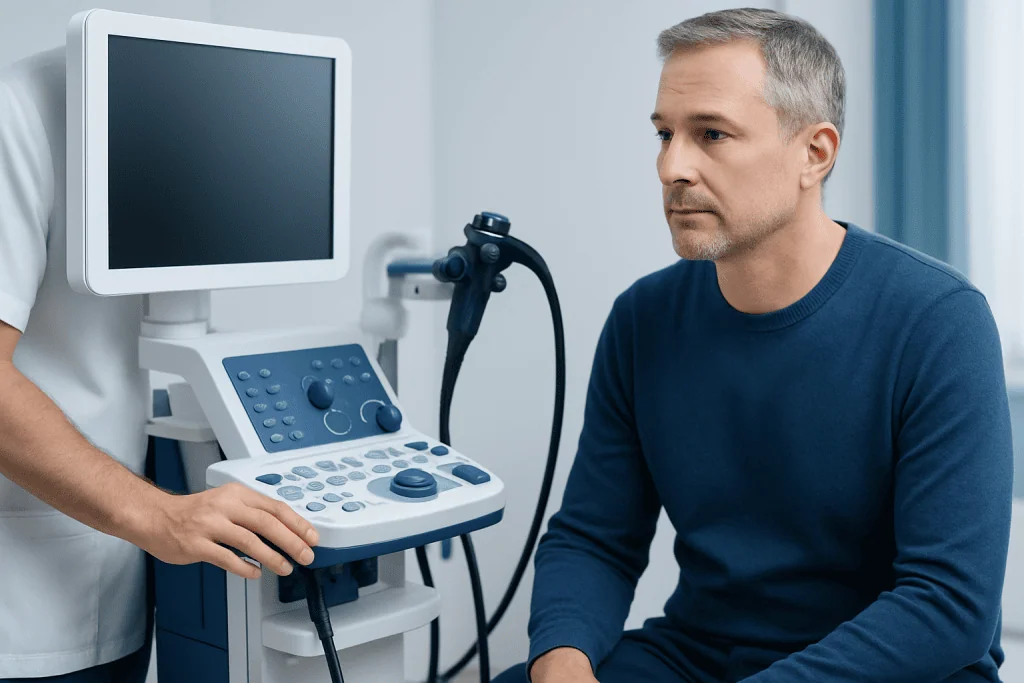
Normal stool color ranges from light brown to dark brown. Pale poop is usually described as clay-colored, putty-like in color, gray, off-white, or much lighter than usual for that person. It is different from yellow stool, green stool, black stool, or red stool, each of which can have different causes.
Brief color variation can happen after a stomach bug, especially when diarrhea moves stool through the intestine quickly. Certain antacids, barium from imaging tests, and some other medicines may also temporarily lighten stool. In these situations, the stool color often returns to normal once the illness resolves or the substance clears from the body.
People are often unsure whether a stool is truly pale or just lighter than usual. Helpful clues are repetition and pattern. If several bowel movements over days look pale, or if the stool also appears greasy, unusually foul-smelling, or difficult to flush, a bile or fat-absorption problem becomes more likely.
- Likely more concerning: repeated pale, gray, or clay-colored stools
- Usually less concerning: one unusually light stool with no other symptoms
- Needs urgent attention: pale stool with jaundice, dark urine, fever, severe pain, or confusion
Common causes of pale poop

The most relevant medical causes involve reduced bile production or blocked bile flow. Conditions affecting the liver, gallbladder, or bile ducts may prevent enough bile from reaching the intestines. Examples include hepatitis, gallstones, bile duct narrowing, inflammation of the bile ducts, and some pancreatic conditions that obstruct nearby ducts.
Gallstones can sometimes block the common bile duct and reduce bile drainage. Inflammation of the gallbladder or bile ducts may do the same. People who already have gallstones or symptoms of biliary colic should mention this history to a doctor, because it may help explain a change in stool color.
Liver disorders are another broad category. Viral hepatitis, alcohol-related liver disease, fatty liver disease, autoimmune liver conditions, and medication-related liver injury can all interfere with bile formation or flow. In some cases, symptoms of jaundice appear alongside pale stool because bilirubin is not being processed and excreted normally.
Less commonly, pancreatic disease can contribute if swelling, cysts, or a mass compresses the bile duct. Problems with digestion and absorption may also produce light, bulky, greasy stools, although these are not always truly bile-deprived pale stools. The distinction is important, and a clinician may ask detailed questions about texture, odor, and timing to narrow the cause.
Other symptoms that help explain the cause
Pale poop is more meaningful when it appears with other symptoms. Yellowing of the eyes or skin, known as jaundice, is a key sign that bilirubin is building up in the body. Dark urine is another clue, because excess bilirubin may be excreted through the kidneys when it is not reaching the intestines normally.
Abdominal pain can point toward gallbladder disease, bile duct obstruction, hepatitis, or pancreatic conditions. Fever, chills, nausea, and vomiting may suggest infection or acute inflammation. Itching of the skin sometimes occurs when bile salts accumulate in the body.
Some people also report pale stool with unintended weight loss, loss of appetite, fatigue, or swelling in the abdomen. These symptoms do not identify the cause on their own, but they help doctors judge how urgently the problem should be investigated. If stool also becomes greasy or floats, there may be poor fat digestion or absorption in addition to a bile-related issue.
- Jaundice and dark urine raise concern for bile flow or liver problems
- Right upper abdominal pain may suggest gallbladder or bile duct disease
- Fever can indicate infection that needs prompt treatment
- Weight loss or ongoing fatigue warrants medical review
How doctors evaluate pale stool
Evaluation begins with a medical history and physical examination. A doctor will usually ask how long the stool has been pale, whether the change is constant or occasional, and whether there are symptoms such as pain, jaundice, itching, nausea, fever, or changes in urine color. Medication use, alcohol intake, recent travel, infections, and previous liver or gallbladder problems also matter.
Blood tests often include liver function tests and bilirubin levels. These tests can show patterns that suggest liver inflammation, bile duct obstruction, or other hepatobiliary problems. Depending on the situation, doctors may also check pancreatic enzymes, infection markers, and clotting tests.
Imaging is commonly used to look at the liver, gallbladder, pancreas, and bile ducts. An abdominal ultrasound is often the first step because it can identify gallstones, bile duct widening, and some liver abnormalities. In selected cases, more detailed imaging such as MRI or CT may be recommended to clarify the cause.
If a blockage or structural problem is suspected, additional endoscopic or specialized imaging studies may be needed. The goal is not simply to confirm stool color but to find out why bile is reduced in the intestine and whether the underlying cause needs urgent treatment.
Treatment depends on the underlying problem
There is no single treatment for pale poop itself because stool color is a sign, not a disease. The right approach depends on the reason bile is reduced or stool appearance has changed. If the cause is temporary diarrhea, a short-lived medication effect, or another mild and self-limited issue, stool color may return to normal without specific treatment.
When gallstones block the bile duct or the gallbladder is repeatedly inflamed, treatment may involve procedures or surgery. For some patients, gallbladder surgery is advised to prevent recurrent obstruction and related symptoms. If there is a bile duct blockage, doctors may need to relieve it with an endoscopic procedure or another targeted intervention.
Liver-related causes are managed according to the diagnosis. Viral hepatitis, autoimmune conditions, medication-related injury, and chronic liver diseases each have different treatment pathways. People with signs of significant liver dysfunction may need specialist care in gastroenterology or hepatology.
Pancreatic or biliary conditions may require multidisciplinary evaluation, particularly when imaging suggests narrowing, stones, cysts, or masses. Near the end of the care pathway, some international patients choose centers such as Acibadem International, where multidisciplinary specialists in JCI-accredited hospitals evaluate digestive, liver, biliary, and pancreatic conditions and plan treatment accordingly.
What to do at home and when to seek medical care
At home, it can help to note the stool color, how often it happens, and whether there are symptoms such as pain, fever, itching, dark urine, or yellowing of the skin or eyes. People should also consider whether they recently had diarrhea, took new medications, or underwent tests involving contrast materials such as barium. Staying hydrated and avoiding alcohol until the cause is clearer may be sensible, especially if there are other digestive symptoms.
It is not recommended to self-diagnose persistent pale stool as a simple diet issue. Home remedies cannot correct a blocked bile duct or treat liver inflammation. If the stool remains pale for more than a day or two, or repeatedly returns, a medical assessment is appropriate.
Medical care should be sought promptly if pale poop appears with jaundice, dark urine, severe abdominal pain, fever, vomiting, confusion, or signs of dehydration. These can indicate a liver or biliary problem that needs timely attention. Urgent assessment is also important in infants and young children with persistent pale stools.
If symptoms are not severe but the change persists, a non-urgent appointment is still worthwhile. Early evaluation can identify conditions such as gallbladder disease, hepatitis, or bile duct problems before complications develop. Depending on the findings, doctors may recommend further imaging, specialist referral, or structured follow-up.
Frequently asked questions
Is pale poop always a sign of a serious problem?
No. A single pale or light-colored stool can happen for harmless reasons, including a brief digestive upset or certain medicines. It becomes more important if it happens repeatedly or appears with jaundice, dark urine, abdominal pain, or fever.
Why does bile affect stool color?
Bile contains pigments that help give stool its normal brown color as it passes through the intestine. When too little bile reaches the bowel, stool may look pale, gray, or clay-colored.
Can diarrhea cause pale stool?
Yes, sometimes. Fast transit through the intestines can temporarily change stool color and consistency. If the stool remains pale after diarrhea settles, or if other symptoms are present, medical advice is recommended.
What is the difference between pale stool and fatty stool?
Pale stool mainly suggests reduced bile pigment, while fatty stool often looks greasy, bulky, foul-smelling, or hard to flush because fat is not being absorbed well. In some conditions, both can happen together, which is why doctors ask about texture as well as color.
Should someone go to the emergency department for pale poop?
Emergency care may be appropriate if pale stool occurs with severe abdominal pain, high fever, vomiting, confusion, dehydration, jaundice, or very dark urine. These symptoms can suggest an urgent liver, gallbladder, or bile duct problem.
Can medications make stool look pale?
Yes, some medicines and substances can temporarily lighten stool color. Examples may include certain antacids or barium used in imaging tests. If stool stays pale or there are other symptoms, it should not be assumed to be medication-related without medical review.
This article is for general information only and is not a substitute for professional medical advice. Please consult a qualified doctor about your individual situation.
Persistent digestive symptoms? Get evaluated in Turkey
JCI-accredited · board-certified surgeons · reply within 24h
Add us as a Preferred Source to see more of our trusted health content across Google Search, AI Overviews and Discover.

More from the Health Library
Tan Lines — Explained by Medical Evidence, Not Myths

Boy or Girl: A Complete Medical Overview

Alienation: What Patients Need to Know

Corneal Ulcer: A Complete Medical Overview

Brazilian Bikini Waxing Images — Explained by Medical Evidence, Not Myths

Tegretol: What Patients Need to Know
Gastroenterology Specialists at Acibadem

Prof. Dr. Çetin Karaca (m)
Gastroenterology
Assoc. Prof. Dr. Diğdem Özer
Gastroenterology
Prof. Dr. Ebubekir Şenateş
Gastroenterology
Assoc. Prof. Dr. Emine Şatır
Gastroenterology