Palmoplantar Psoriasis: An Evidence-Based Guide for Patients

Palmoplantar psoriasis affects the palms and soles and may cause thick, scaly, painful, or fissured skin. It is not contagious, but it can significantly affect comfort, mobility, and hand function.
Key Takeaways
- Palmoplantar psoriasis affects the palms and soles and may cause thick, scaly, painful, or fissured skin.
- It is not contagious, but it can significantly affect comfort, mobility, and hand function.
- Diagnosis is usually clinical, though tests may be used to rule out eczema, fungal infection, or other skin conditions.
- Treatment may include medicated creams, light therapy, and systemic medicines for more severe or persistent disease.
- Gentle skin care, avoiding triggers, and early treatment of cracks can help reduce flare-ups and complications.
Palmoplantar psoriasis is a form of psoriasis that affects the palms of the hands and soles of the feet, often causing redness, scaling, thickened skin, and painful cracks. Although it can interfere with walking, work, and daily tasks, it is treatable, and a dermatologist can help confirm the diagnosis and tailor care.
Overview
Palmoplantar psoriasis is psoriasis that mainly affects the palms of the hands, the soles of the feet, or both. It often causes well-defined areas of red or darker inflamed skin covered by scale, along with thickening, dryness, and painful splitting of the skin. Because the hands and feet are used constantly, even a limited rash in these areas can feel much more disruptive than psoriasis elsewhere on the body.
This type of psoriasis is part of a long-term inflammatory skin condition driven by an overactive immune response. It is not caused by poor hygiene and it is not contagious. The skin changes can come and go, with periods of improvement and flare-ups, and symptoms may worsen with friction, pressure, smoking, stress, or skin injury.
Some people have palmoplantar psoriasis together with plaque psoriasis in other areas, nail psoriasis, or psoriatic arthritis. Others have symptoms mainly limited to the hands and feet. A related condition called palmoplantar pustulosis may cause small sterile pustules on the palms and soles; although it overlaps with psoriasis, doctors may discuss it separately because its pattern and treatment response can differ.
Symptoms and how it affects daily life
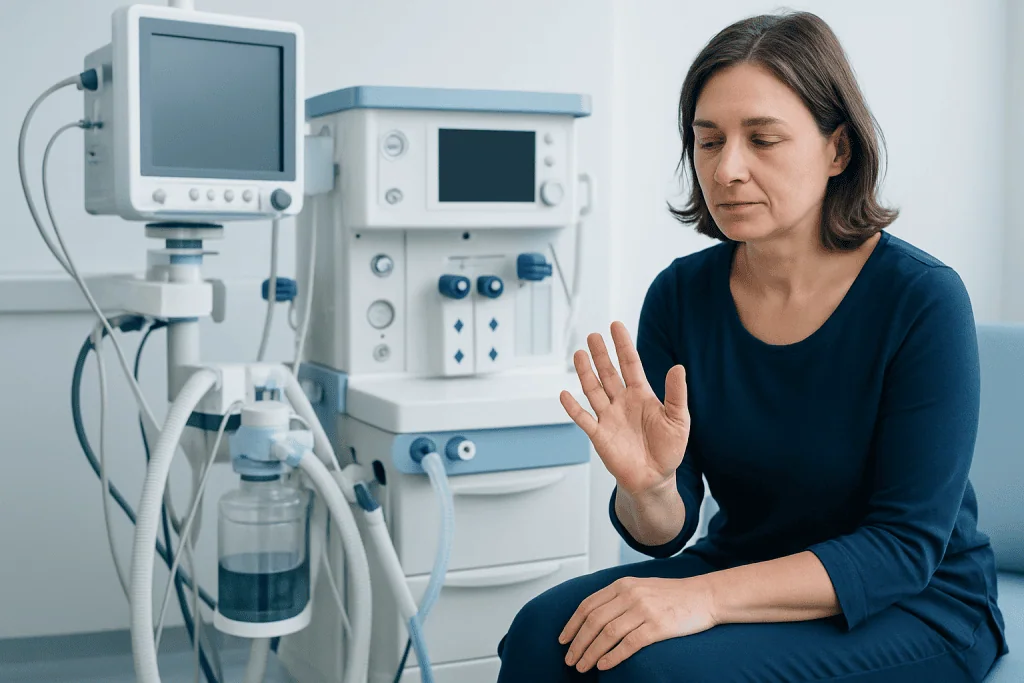
The most common symptoms of palmoplantar psoriasis are thickened patches of skin, scaling, dryness, itching, burning, and painful cracks called fissures. The affected areas may look red on lighter skin tones or appear darker brown, purple, or gray on darker skin tones. The skin may feel tight, tender, or sore, especially after walking, standing, gripping objects, or repeated handwashing.
Symptoms can range from mild to severe. In some people, scaling is the main problem; in others, deep fissures make it painful to use the hands or put weight on the feet. If pustules are present, they may look like tiny yellow-white blisters, but they are usually sterile and not a sign of a typical infection.
Because the palms and soles are essential for mobility and work, this condition can have a practical impact beyond the visible rash. It may interfere with typing, cooking, exercise, childcare, manual work, and sleep. Some patients also feel self-conscious or frustrated because symptoms can be persistent and slow to respond, even when the overall body surface area affected is small.
- Common signs include scaling, thick plaques, redness or discoloration, tenderness, and fissures.
- Symptoms often worsen with pressure, friction, repetitive trauma, cold weather, or irritants.
- Nail changes or joint pain may suggest related psoriatic arthritis.
Causes, triggers, and risk factors

Palmoplantar psoriasis develops from a combination of genetic tendency and immune system dysregulation. In psoriasis, skin cells renew too quickly, leading to buildup of scale and inflammation. The exact reason one person develops symptoms on the hands and feet while another develops plaques elsewhere is not fully understood, but family history can increase risk.
Several triggers can make symptoms worse or bring on flare-ups. Repeated friction or pressure on the soles, manual work that irritates the hands, smoking, emotional stress, and infections are commonly discussed factors. Some medicines may also trigger or aggravate psoriasis in certain individuals, so it is helpful for patients to review any recent medication changes with a doctor.
Smoking is especially relevant in palmoplantar disease and in palmoplantar pustulosis. In addition, obesity, metabolic health issues, and chronic stress may make psoriasis harder to control overall. Palmoplantar psoriasis is not caused by a fungal infection, but fungal infections of the feet or nails can coexist and may need separate treatment to improve the skin fully.
Diagnosis and conditions that can look similar
Diagnosis is usually made by a dermatologist based on the appearance of the skin, symptom pattern, and medical history. Doctors often ask whether there is psoriasis elsewhere on the body, nail pitting, a family history of psoriasis, or joint symptoms such as morning stiffness and swollen fingers. The distribution on the palms and soles and the presence of sharply demarcated thick plaques can offer important clues.
One reason this condition deserves careful evaluation is that several other disorders can mimic it. Hand eczema, allergic or irritant contact dermatitis, fungal infection, keratoderma, and palmoplantar pustulosis may look similar, especially in early stages. Sometimes a skin scraping, fungal test, patch testing, or rarely a skin biopsy is needed to clarify the diagnosis.
Doctors may also assess how much the disease affects function and quality of life, not only how much skin is involved. In palmoplantar psoriasis, even relatively small areas can justify more intensive treatment because pain and reduced mobility can be significant. If joint symptoms are present, evaluation for psoriasis-related arthritis may also be appropriate.
Treatment options
Treatment depends on symptom severity, whether pustules are present, and how much the condition affects daily life. For many patients, first-line treatment includes medicated creams or ointments, especially topical corticosteroids used carefully under medical guidance. Other topical options may include vitamin D analogs, keratolytic agents to reduce thick scale, and emollients to soften the skin and support healing of cracks. These approaches are often combined because thick skin on the palms and soles can make medicine penetration difficult.
When symptoms are more persistent, doctors may recommend light-based treatment such as phototherapy, which can be helpful for selected patients with localized but resistant disease. If topical treatment and light therapy are not enough, systemic treatment may be considered. This can include oral medicines or biologic therapy for moderate to severe psoriasis or for disease that causes major pain and functional limitation.
Management often also includes treatment of related issues. Painful fissures may need protective dressings or medical glues, and signs of secondary infection may require separate care. If there is diagnostic uncertainty, clinicians may compare it with other inflammatory skin diseases and tailor a broader dermatology care plan rather than relying on one treatment alone. Because response can vary, follow-up is important so therapy can be adjusted safely over time.
Self-care and flare management
Daily skin care can make a meaningful difference. Thick, dry skin on the palms and soles benefits from regular use of bland moisturizers, especially after bathing and before bed. Ointments or richer creams often work better than lotions in these areas. Some people do best when moisturizer is applied and then covered briefly with cotton gloves or socks, if advised by their clinician.
Gentle habits help reduce irritation. It is usually best to avoid harsh soaps, very hot water, and repeated exposure to cleaning products without protective gloves. Comfortable, well-fitting shoes and cushioned socks may reduce friction on the soles. People whose work involves repeated trauma to the hands may need practical adjustments to protect the skin while treatment is taking effect.
Lifestyle measures can also support overall psoriasis control. Stopping smoking is strongly encouraged, especially when pustules are present. Stress reduction, weight management, and treatment of any fungal infection or other skin irritation may also help reduce flares. Self-care does not replace medical treatment, but it can improve comfort and support better treatment response.
When to seek medical care
Medical advice is appropriate if scaling, thickening, or cracking on the palms or soles lasts more than a few weeks, keeps coming back, or interferes with walking, work, sleep, or use of the hands. A professional assessment is also important when over-the-counter creams have not helped or when the diagnosis is uncertain. Early evaluation can prevent prolonged discomfort and avoid treating the wrong condition.
Prompt medical review is especially important if there is severe pain, spreading redness, warmth, drainage, fever, or rapidly worsening fissures, as these may suggest infection or another complication. Joint pain, morning stiffness, swollen fingers or toes, or nail changes also deserve attention because they can occur alongside psoriasis and may need additional treatment.
Patients with persistent or severe symptoms may benefit from care by a multidisciplinary team. Acibadem International’s specialists in dermatology and related fields, working in JCI-accredited hospitals, diagnose and treat palmoplantar psoriasis for international patients when advanced evaluation or treatment planning is needed.
Frequently asked questions
What is palmoplantar psoriasis?
Palmoplantar psoriasis is psoriasis that affects the palms of the hands and the soles of the feet. It often causes thick, scaly, dry, and painful skin, sometimes with deep cracks that can make walking or hand use difficult.
Is palmoplantar psoriasis contagious?
No. Palmoplantar psoriasis is an inflammatory immune-mediated skin condition and cannot be spread from person to person by touch. It is not related to hygiene.
How is palmoplantar psoriasis different from eczema or athlete’s foot?
These conditions can look similar, especially when the skin is dry, cracked, or inflamed. A dermatologist may distinguish them by the pattern of the rash, associated signs such as nail changes or psoriasis elsewhere, and sometimes tests for fungus or allergy.
Can palmoplantar psoriasis go away completely?
Symptoms may improve greatly and sometimes clear for periods of time, but psoriasis is generally a long-term condition with flares and remissions. Many patients achieve good control with the right combination of skin care and medical treatment.
What triggers flare-ups of palmoplantar psoriasis?
Common triggers include friction, pressure, skin injury, smoking, stress, infections, and sometimes certain medicines. Not every trigger affects every person, so keeping track of symptoms can help identify personal patterns.
When should someone worry about cracked skin on the palms or soles?
Painful or deep cracks should be assessed if they limit walking or hand use, bleed often, or do not improve with basic skin care. Medical review is also important if there are signs of infection such as increasing redness, warmth, swelling, or discharge.
References
- American Academy of Dermatology
- National Institute of Arthritis and Musculoskeletal and Skin Diseases
- National Psoriasis Foundation
- British Association of Dermatologists
- Mayo Clinic
This article is for general information only and is not a substitute for professional medical advice. Please consult a qualified doctor about your individual situation.
Psoriasis: in Turkey — costs, top hospitals & a free quote
JCI-accredited · board-certified surgeons · reply within 24h
Add us as a Preferred Source to see more of our trusted health content across Google Search, AI Overviews and Discover.