

Palpitate Pregnant: What Is Normal, What Is Not, and When to Seek Care

Many people who palpitate pregnant are experiencing common body changes rather than a dangerous heart problem. Triggers such as dehydration, anemia, caffeine, stress, poor sleep, and thyroid problems can make palpitations more noticeable.
Key Takeaways
- Many people who palpitate pregnant are experiencing common body changes rather than a dangerous heart problem.
- Triggers such as dehydration, anemia, caffeine, stress, poor sleep, and thyroid problems can make palpitations more noticeable.
- Warning signs include chest pain, fainting, severe shortness of breath, or a very fast or irregular heartbeat that does not settle.
- Evaluation may include a physical exam, blood tests, and heart rhythm testing such as an ECG or Holter monitor.
- Self-care measures can help, but persistent or worrying symptoms should always be discussed with a qualified clinician.
Palpitations during pregnancy are often caused by normal changes in blood volume, heart rate, hormones, and stress. Even so, palpitations that are frequent, prolonged, or linked with symptoms such as chest pain, fainting, or severe breathlessness should be assessed by a doctor.
Overview: Is it normal to palpitate pregnant?
Yes, many people who palpitate pregnant are experiencing a common symptom of pregnancy rather than a serious emergency. Pregnancy makes the heart work harder to support both the pregnant person and the developing baby, so the heartbeat may feel faster, stronger, or more noticeable than usual.
Palpitations are the sensation of being aware of the heartbeat. Some describe fluttering, pounding, skipping, racing, or a brief “flip-flop” in the chest or throat. These sensations can happen at rest or with activity, and they may be brief and occasional or come in clusters.
Although palpitations are often harmless in pregnancy, they should not automatically be dismissed. The most important question is not only whether the heartbeat feels noticeable, but whether it is accompanied by other symptoms or is becoming more frequent, prolonged, or disruptive. A careful medical review can help separate normal body changes from conditions that need treatment.
Why palpitations can happen during pregnancy
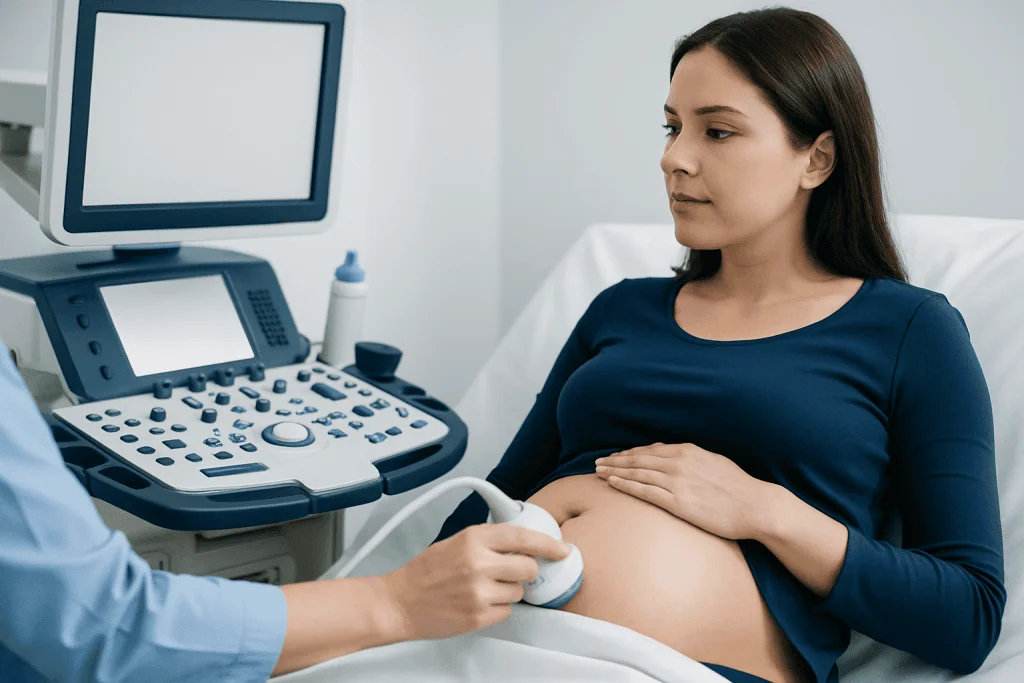
Pregnancy changes the circulation in several ways. Blood volume rises, the heart pumps more blood each minute, and the resting heart rate may increase. Hormonal shifts can also affect how strongly and quickly the heart beats. As a result, some people become more aware of normal heartbeats that they would not have noticed before pregnancy.
Daily factors can make palpitations more likely. Common triggers include dehydration, standing up quickly, overheating, emotional stress, poor sleep, nausea and vomiting, low blood sugar from going too long without eating, and stimulants such as caffeine or nicotine. In some cases, a normal extra heartbeat is what the person is feeling.
Not all causes are directly related to pregnancy. Conditions such as anemia, thyroid disorders, anxiety, fever, infection, or an underlying heart rhythm problem can also lead to palpitations. If there is a past history of heart disease, congenital heart disease, or known rhythm disorders, symptoms deserve closer follow-up. In some cases, doctors may also evaluate for related cardiovascular conditions such as arrhythmia.
What feels typical, and what may not be

Typical pregnancy-related palpitations are often brief, mild, and self-limited. They may happen during exertion, emotional stress, or after caffeine, and then settle with rest, hydration, or a change in position. Some people notice a few skipped beats or short bursts of fluttering without any other symptoms.
What is less typical is a heartbeat that stays very fast, feels markedly irregular, or causes distress. Palpitations that last a long time, occur repeatedly over days or weeks, wake a person from sleep, or interfere with normal activities are worth discussing with a clinician even if they are not painful.
Associated symptoms matter. Dizziness, near-fainting, fainting, chest discomfort, severe shortness of breath, bluish lips, swelling that seems sudden or severe, or a clear decline in exercise tolerance may point to something beyond normal pregnancy changes. These signs do not always mean a serious problem, but they should prompt medical assessment.
Possible causes and risk factors
One of the most common contributors is anemia, especially iron-deficiency anemia, which can develop during pregnancy because the body needs more iron to make additional red blood cells. When oxygen-carrying capacity drops, the heart may beat faster to compensate, making palpitations more noticeable. Thyroid hormone imbalance can create a similar effect by increasing the body’s metabolic demand.
Some people are more likely to have palpitations because of existing health conditions. A prior history of heart rhythm problems, structural heart disease, high blood pressure, anxiety disorders, asthma medications, or stimulant use can all play a role. Rarely, pregnancy can reveal a previously unrecognized heart condition because the cardiovascular system is under greater strain.
Risk also changes depending on the pattern of symptoms. A person with brief episodes and no other symptoms may simply need monitoring and lifestyle adjustments. Someone with sustained racing of the heart, a family history of sudden cardiac death, or symptoms suggesting a fast abnormal rhythm may need more specialized evaluation. If the heartbeat pattern raises concern, doctors may investigate for heart rhythm disorders or other cardiovascular conditions.
How doctors evaluate palpitations in pregnancy
Evaluation begins with a clear history. The doctor will ask when the palpitations started, how long they last, whether the heartbeat feels regular or irregular, and what triggers or relieves the episodes. They will also ask about chest pain, fainting, breathlessness, thyroid symptoms, bleeding, infection, medications, supplements, caffeine intake, and any history of heart disease.
A physical examination and basic tests are often the next steps. These may include blood pressure, pulse, oxygen level, listening to the heart and lungs, and blood tests to look for anemia, thyroid problems, or electrolyte changes. An electrocardiogram can record the heart’s electrical activity at that moment, while a Holter or event monitor may be used if symptoms come and go.
Some people need additional testing, especially if symptoms are persistent or there is a concern about structural heart disease. An echocardiogram may be used to assess heart function and valves. When rhythm testing is needed, this may be coordinated through electrocardiography and other noninvasive heart evaluations. The goal is to identify which palpitations are benign and which need treatment, while keeping testing appropriate for pregnancy.
Treatment options and practical self-care
Treatment depends on the cause. If palpitations are related to normal pregnancy physiology and no dangerous rhythm is found, reassurance and symptom management may be enough. Hydration, regular meals, gentle activity as advised by the maternity team, and reducing triggers such as excess caffeine can make a noticeable difference.
If a contributing condition is found, treating that condition often improves the palpitations. Examples include correcting anemia, addressing thyroid imbalance, treating infection, or adjusting medications that may be stimulating the heart. When a true abnormal heart rhythm is diagnosed, a cardiologist and obstetric team can discuss pregnancy-safe treatment options tailored to the individual situation.
Self-care strategies can help many patients:
- Drink fluids regularly unless a doctor has advised fluid restriction.
- Eat small, regular meals to avoid dips in blood sugar.
- Limit caffeine and avoid nicotine or non-prescribed stimulants.
- Prioritize sleep and rest when possible.
- Stand up slowly and avoid overheating.
- Track when episodes happen and what seems to trigger them.
If symptoms continue despite these steps, or if they become more intense, further cardiac review may be useful. In selected cases, care may involve cardiology evaluation and rhythm monitoring to guide safe treatment during pregnancy.
When to seek medical care
Medical advice should be sought promptly if palpitations are new, recurrent, or concerning, especially during pregnancy. It is reasonable to contact a doctor or maternity team if episodes are happening often, lasting longer than a few minutes, or causing significant discomfort or anxiety. Even if the cause turns out to be benign, evaluation can provide reassurance and identify treatable triggers.
Urgent medical care is needed if palpitations happen with chest pain, fainting, severe shortness of breath, confusion, weakness on one side, or a feeling that the heart is racing uncontrollably and not slowing down. These symptoms can signal a more serious heart rhythm problem or another medical issue that should not wait.
People with known heart disease, previous rhythm disorders, or a high-risk pregnancy should mention palpitations early rather than waiting for routine follow-up. Near the end of the care pathway, some patients may benefit from coordinated assessment in specialized centers. Acibadem International’s multidisciplinary specialists and JCI-accredited hospitals diagnose and treat heart and pregnancy-related conditions for international patients, including access to echocardiography when clinically appropriate.
Living with pregnancy palpitations and planning follow-up
For many pregnant patients, palpitations are manageable once the pattern is understood. Keeping a simple symptom diary can be helpful. Notes about time of day, activity, food and drink intake, stress, and associated symptoms may help a doctor spot triggers or decide whether rhythm monitoring is needed.
It is also useful to think about the full context of health in pregnancy. Fatigue, breathlessness with exertion, and swelling can overlap with normal pregnancy changes, so discussing the whole symptom picture is often more helpful than focusing on palpitations alone. This broader view supports safer decision-making.
After delivery, many pregnancy-related palpitations improve as blood volume and hormones shift back toward baseline. However, persistent symptoms after birth still deserve attention, especially if they began late in pregnancy or are associated with breathlessness, chest discomfort, or dizziness. Follow-up ensures that a temporary pregnancy symptom is not masking a longer-term heart issue.
Frequently asked questions
Is it normal to have heart palpitations while pregnant?
Yes, mild palpitations can be normal in pregnancy because blood volume, heart rate, and hormones change. They are often brief and not linked to serious disease, but they should still be mentioned to a doctor if they are frequent or worrying.
What do pregnancy palpitations usually feel like?
They may feel like fluttering, pounding, skipped beats, or a racing heart. Some people notice them in the chest, while others feel them in the throat or neck. The feeling may last seconds or several minutes.
Can dehydration cause palpitations during pregnancy?
Yes, dehydration is a common trigger. When fluid intake is low, the heart may work harder and the heartbeat may feel faster or more noticeable. Regular hydration can help reduce symptoms for some people.
When are palpitations in pregnancy a red flag?
They are more concerning if they come with chest pain, fainting, severe shortness of breath, or a very fast heartbeat that does not settle. Persistent, repeated, or clearly irregular episodes also deserve medical assessment.
How are palpitations diagnosed during pregnancy?
Doctors usually start with questions about the pattern of symptoms, a physical exam, and basic blood tests. They may also use an ECG or a wearable monitor to capture the heart rhythm during an episode. Further testing depends on the symptoms and medical history.
Do pregnancy palpitations go away after birth?
Often they do, especially when they are related to normal pregnancy changes. As blood volume and hormone levels return closer to baseline after delivery, the heartbeat may feel less noticeable. If palpitations continue postpartum, a doctor should review them.
References
- American College of Obstetricians and Gynecologists
- American Heart Association
- National Heart, Lung, and Blood Institute
- Royal College of Obstetricians and Gynaecologists
- Mayo Clinic
This article is for general information only and is not a substitute for professional medical advice. Please consult a qualified doctor about your individual situation.
Heart care in Turkey — expert evaluation and treatment
JCI-accredited · board-certified surgeons · reply within 24h
Add us as a Preferred Source to see more of our trusted health content across Google Search, AI Overviews and Discover.
Check your numbers in seconds
BMI, calories, due date, blood pressure and 30+ more clinical calculators — free, instant, doctor-reviewed ranges.

More from the Health Library



Related Specialists

Dr. Hamdi Tüfekçi
Anesthesiology
Prof. Dr. Atakan Yeşil
Gastroenterology
Prof. Dr. Kerim Sarıyılmaz
Orthopedic Surgery & Traumatology
Assoc. Prof. Dr. Kemal Öncü
Gastroenterology