

Pancoast Tumor — Explained by Medical Evidence, Not Myths

A pancoast tumor is a lung tumor located in the lung apex, also called a superior sulcus tumor. It often causes shoulder pain, arm weakness, numbness, or Horner syndrome rather than early cough or coughing up blood.
Key Takeaways
- A pancoast tumor is a lung tumor located in the lung apex, also called a superior sulcus tumor.
- It often causes shoulder pain, arm weakness, numbness, or Horner syndrome rather than early cough or coughing up blood.
- Diagnosis usually involves CT, MRI, PET-CT, and biopsy to confirm the tumor type and extent.
- Treatment commonly combines chemotherapy, radiation therapy, and surgery when appropriate.
- Early specialist assessment is important because symptoms can resemble orthopedic or nerve conditions.
A pancoast tumor is a type of lung cancer that starts at the very top of the lung and often causes symptoms in the shoulder, arm, and nearby nerves before it causes typical lung complaints. Because its location is unusual, diagnosis and treatment usually require careful imaging, biopsy, and a coordinated cancer care plan.
Overview: What a Pancoast Tumor Is
A pancoast tumor is a cancer that develops at the very top of the lung, an area known as the lung apex. Doctors may also call it a superior sulcus tumor. Most pancoast tumors are a form of non-small cell lung cancer, but what makes them distinct is not just the cancer type: it is the tumor’s location and the structures it can affect nearby.
Because the tumor grows close to nerves, blood vessels, ribs, and parts of the spine, it often causes symptoms outside the lung itself. This is why some people first seek help for persistent shoulder pain, arm discomfort, or hand weakness rather than for breathing problems. In some cases, the condition is mistaken at first for a muscle, joint, or nerve problem.
Modern treatment has improved significantly. Management is usually planned by a multidisciplinary team that may include chest physicians, oncologists, radiologists, surgeons, and radiation specialists. The exact plan depends on the tumor’s size, whether it has spread, the person’s overall health, and the specific biopsy results.
How Symptoms Differ From Typical Lung Cancer
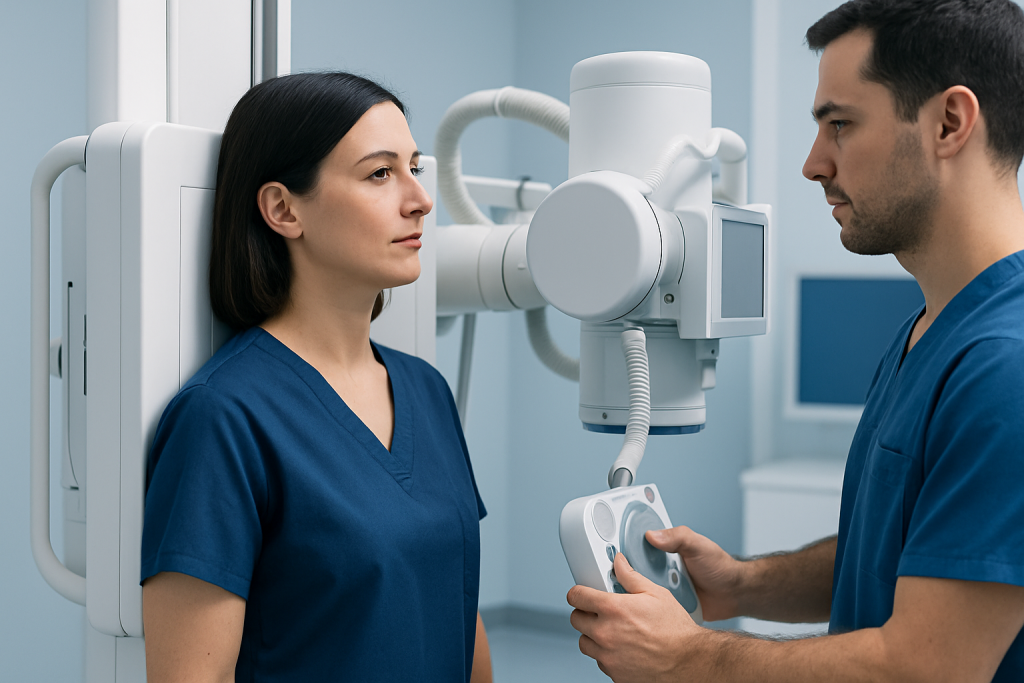
The symptoms of a pancoast tumor are shaped by pressure on nearby tissues. A classic pattern is ongoing pain in the shoulder or around the shoulder blade that may spread into the armpit, arm, elbow, or hand. The discomfort is often one-sided and may gradually worsen over time.
If the tumor affects the brachial plexus, a network of nerves that serves the shoulder, arm, and hand, numbness, tingling, weakness, or reduced grip strength can develop. Some people notice clumsiness in the hand or difficulty with fine movements. These symptoms can resemble cervical spine disease, a pinched nerve, or a shoulder disorder.
Another recognized sign is Horner syndrome, which can happen when nearby nerves are involved. It may cause a drooping eyelid, a smaller pupil on one side, and reduced sweating on the same side of the face. Not everyone with a pancoast tumor has Horner syndrome, but when it appears with shoulder and arm symptoms, it raises concern for a tumor in the lung apex.
Traditional lung cancer symptoms such as cough, chest pain, shortness of breath, unexplained weight loss, or coughing up blood may appear later or may be absent at first. This unusual presentation is one reason pancoast tumors require a high level of clinical suspicion.
Causes and Risk Factors

A pancoast tumor is not caused by a single factor, but it shares many risk factors with other lung cancers. Tobacco use is the most established risk factor, including long-term cigarette smoking and significant exposure to secondhand smoke. However, not every person with a pancoast tumor has a smoking history.
Other factors linked to lung cancer risk can include exposure to certain workplace substances such as asbestos, diesel exhaust, radon, and some industrial chemicals. Air pollution and a personal or family history of lung cancer may also contribute. Risk is influenced by a combination of exposure history, age, and overall health background.
Most pancoast tumors are non-small cell lung cancers, especially squamous cell carcinoma or adenocarcinoma. Less commonly, another cancer type may arise in this area or spread there. Confirming the exact pathology with biopsy is essential because treatment decisions depend on the tumor’s cell type and molecular characteristics.
It is important to separate risk factors from certainty. Having one or more risks does not mean a person will develop this cancer, and lacking obvious risks does not completely rule it out. Persistent symptoms still deserve medical review.
How a Pancoast Tumor Is Diagnosed
Diagnosis begins with a medical history and physical examination, especially focused on the shoulder, arm, neurological changes, and breathing symptoms. Because the signs can overlap with orthopedic or nerve disorders, imaging is usually needed early when symptoms are persistent or unexplained.
A chest X-ray may show an abnormality, but more detailed tests are commonly required. A chest CT scan helps define the mass and its relationship to the lung and chest wall. MRI is especially useful when doctors need to assess possible involvement of nerves, blood vessels, the spine, or soft tissues near the tumor.
Further staging often includes PET-CT to look for activity elsewhere in the body and to help guide treatment planning. A tissue diagnosis is then needed. Depending on the location, biopsy may be performed with a needle guided by imaging, bronchoscopy, or another procedure chosen by the care team. Broader evaluation may overlap with workups used for lung cancer.
Once cancer is confirmed, doctors determine the stage and whether the tumor appears resectable, meaning removable by surgery. This assessment shapes the next steps and helps identify whether treatment should begin with combined therapies before any operation is considered.
Treatment Options and Why Care Is Usually Combined
Treatment for a pancoast tumor is individualized and often combines more than one approach. In many cases, doctors start with chemotherapy and radiation therapy together to shrink or control the tumor before surgery. This strategy can improve the chance of complete treatment when the tumor is close to important nerves, blood vessels, or bone.
If imaging and overall staging suggest that the tumor can be removed safely, surgery may follow. Operations are technically complex because of the tumor’s location, and the exact method depends on which nearby structures are involved. Some patients may need chest wall resection or reconstruction as part of surgery. General cancer care may include lung cancer treatment planning and, when appropriate, thoracic surgery.
When surgery is not suitable, treatment may still include radiation therapy, chemotherapy, targeted therapy, or immunotherapy, depending on the tumor type and molecular test results. Supportive care is also important to manage pain, preserve function, and maintain nutrition and quality of life during treatment. For some patients, symptom relief becomes a major treatment goal alongside cancer control.
Because nearby nerves can be affected, rehabilitation, pain medicine input, and physical therapy may be helpful parts of care. If biopsy shows features associated with broader lung cancer treatment pathways, additional systemic options may be discussed by the oncology team.
Living With Symptoms, Recovery, and Self-care
Self-care cannot treat a pancoast tumor, but it can support comfort and recovery during evaluation and treatment. Keeping a symptom diary may help people describe when pain, numbness, weakness, or breathing symptoms began and how they have changed. This information can be useful at medical appointments.
People undergoing treatment may benefit from practical steps such as eating regular nourishing meals, staying hydrated, resting when tired, and following the care team’s advice on activity. Gentle movement or structured rehabilitation may help maintain shoulder and arm function, but exercises should be guided by a clinician when pain or nerve symptoms are significant.
Smoking cessation is one of the most meaningful supportive steps for anyone who smokes. Stopping smoking does not replace treatment, but it can improve lung function, support healing, and reduce complications. Emotional support matters too, since uncertainty and ongoing pain can be stressful; counseling, family support, or cancer support services may help.
Near the end of the care pathway, some patients seek assessment at centers with multidisciplinary thoracic oncology expertise. Acibadem International’s multidisciplinary specialists and JCI-accredited hospitals evaluate and treat complex thoracic cancers for international patients, using coordinated imaging, oncology, and surgical care when needed.
When to Seek Medical Care
Medical review is important if shoulder pain lasts for weeks without a clear explanation, especially when it is accompanied by arm numbness, hand weakness, tingling, neck discomfort, or symptoms that worsen over time. New drooping of one eyelid, a smaller pupil on one side, or changes in sweating on one side of the face should also be assessed promptly.
A person should seek timely care for any possible lung cancer warning signs, including unexplained weight loss, persistent cough, coughing up blood, chest discomfort, or shortness of breath. Urgent assessment is especially important if there is severe pain, rapidly progressing weakness, trouble breathing, or signs of pressure on the spinal cord such as new balance problems or bowel or bladder changes.
Because pancoast tumor symptoms can look like common shoulder or nerve conditions, delayed diagnosis is possible. Seeing a qualified doctor, and if needed a chest specialist or oncologist, helps make sure the correct tests are done and treatment decisions are based on evidence rather than assumptions.
Frequently asked questions
Is a pancoast tumor the same as lung cancer?
A pancoast tumor is a type of lung cancer defined mainly by where it starts: at the top of the lung. Most are non-small cell lung cancers, but their location gives them a distinct pattern of symptoms and treatment planning.
Why does a pancoast tumor cause shoulder pain?
The tumor grows near nerves, ribs, and muscles in the upper chest. As it presses on or invades these structures, it can cause persistent shoulder pain that may spread down the arm or into the hand.
Can a pancoast tumor be mistaken for a shoulder or neck problem?
Yes. Early symptoms often resemble a rotator cuff problem, arthritis, cervical spine disease, or a pinched nerve. This is one reason imaging and careful medical assessment are important when symptoms do not improve as expected.
What tests are usually needed to confirm a pancoast tumor?
Doctors often use chest CT, MRI, and PET-CT to understand the tumor’s location and extent. A biopsy is needed to confirm the diagnosis and identify the exact cancer type so the treatment plan can be tailored appropriately.
Is surgery always possible for a pancoast tumor?
Not always. Surgery depends on whether the tumor can be removed safely and whether it has spread. Many patients are first treated with chemotherapy and radiation, and surgery is considered afterward if the tumor appears resectable.
What is Horner syndrome in pancoast tumor?
Horner syndrome is a group of signs caused by disruption of certain nerves near the top of the chest. It can include a drooping eyelid, a smaller pupil, and reduced sweating on one side of the face.
References
- National Cancer Institute
- American Cancer Society
- National Comprehensive Cancer Network
- American Society of Clinical Oncology
- World Health Organization
This article is for general information only and is not a substitute for professional medical advice. Please consult a qualified doctor about your individual situation.
Joint and spine care in Turkey — expert assessment & treatment
JCI-accredited · board-certified surgeons · reply within 24h
Add us as a Preferred Source to see more of our trusted health content across Google Search, AI Overviews and Discover.

More from the Health Library

Patch of Pimples: A Complete Medical Overview

Dofetilide: A Complete Medical Overview

Forward Head Posture: A Complete Medical Overview

Pineapple Allergy: An Evidence-Based Guide for Patients

Caregiver Burnout: A Complete Medical Overview

Moon face: Symptoms, Causes, and Treatment — Complete Patient Guide
Radiation Oncology Specialists at Acibadem

Dr. Ertuğrul Tekçe
Radiation Oncology
Prof. Dr. Evrim Kadriye Tezcanlı
Radiation Oncology
Prof. Dr. Faysal Dane
Medical Oncology
Prof. Dr. Fulya Ağaoğlu
Radiation Oncology