Panic Attack Symptoms: Possible Causes and When to Seek Care
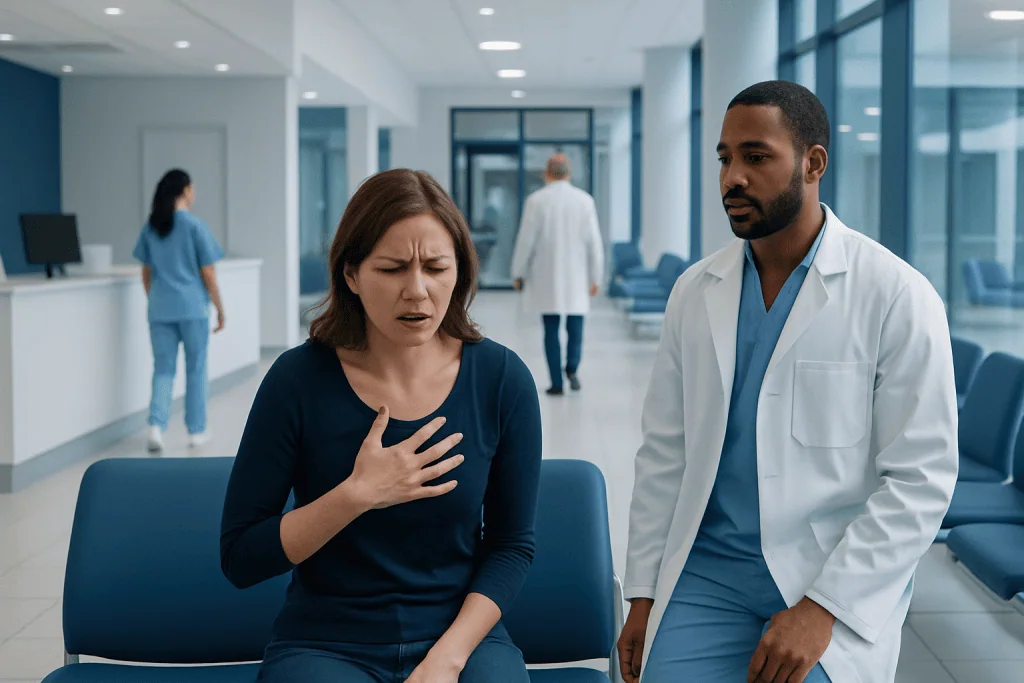
Panic attack symptoms often start suddenly and may peak within minutes. Common symptoms include fast heartbeat, shortness of breath, chest discomfort, sweating, trembling, and fear of losing control.
Key Takeaways
- Panic attack symptoms often start suddenly and may peak within minutes.
- Common symptoms include fast heartbeat, shortness of breath, chest discomfort, sweating, trembling, and fear of losing control.
- Panic attacks can happen during stress, but they may also occur without an obvious trigger.
- Symptoms can overlap with heart, lung, thyroid, and other medical conditions, so diagnosis matters.
- Treatment may include education, psychotherapy, breathing and coping skills, and sometimes medication.
- Immediate medical care is important for new, severe, or unclear symptoms, especially chest pain or fainting.
Panic attack symptoms are sudden episodes of intense fear or physical distress that can peak within minutes, often causing chest tightness, a racing heart, trembling, dizziness, or a sense of losing control. Although panic attacks are not usually dangerous, their symptoms can resemble other medical problems, so first-time, severe, or unusual episodes should be assessed by a qualified doctor.
Overview: what panic attack symptoms feel like
Panic attack symptoms are sudden surges of intense fear, discomfort, or alarm that can affect both the mind and body. A person may feel as though something is terribly wrong even when no immediate danger is present. Symptoms usually build quickly, often reaching their strongest point within minutes, and can be frightening enough to make someone think they are having a heart attack or another emergency.
The symptoms are real, not imagined, and they can be overwhelming. During an episode, the body’s stress response becomes highly activated. This can lead to a pounding heart, rapid breathing, sweating, shaking, chest tightness, nausea, dizziness, tingling, or a sense of unreality. Some people fear they may faint, die, or “go crazy,” even though the episode will usually pass.
A panic attack can happen once, during a very stressful period, or as part of a recurring condition called panic disorder. Not everyone who has a panic attack has panic disorder. The main difference is pattern: panic disorder involves repeated panic attacks and ongoing fear about having more attacks, often leading to changes in behavior, avoidance of places, or disruption of daily life.
Common symptoms during a panic attack
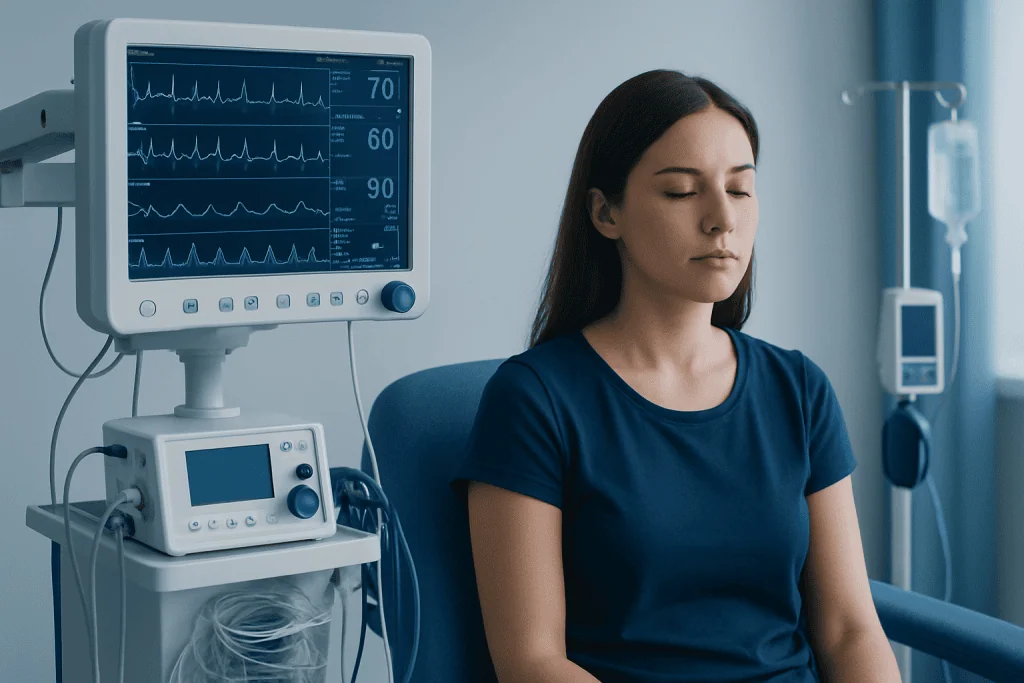
Panic attack symptoms can vary from person to person, but the most common features involve a fast onset of intense physical and emotional distress. Episodes may happen while resting, during activity, in crowded places, before sleep, or even for no clear reason. Some people notice warning sensations, while others feel symptoms appear abruptly.
Typical symptoms may include:
- Racing, pounding, or irregular-feeling heartbeat
- Shortness of breath or a feeling of smothering
- Chest pain, pressure, or tightness
- Trembling or shaking
- Sweating or chills
- Dizziness, lightheadedness, or feeling faint
- Nausea, stomach upset, or abdominal discomfort
- Tingling or numbness, often in the hands, feet, or face
- Feeling detached from oneself or surroundings
- Intense fear of losing control, dying, or something terrible happening
After the peak of the attack, some people feel drained, shaky, emotionally exhausted, or worried that another attack will happen. This “after-effect” can last much longer than the most intense phase itself. Because chest discomfort and breathlessness are common, it is important not to assume every episode is anxiety-related, especially if symptoms are new or different.
Possible causes and risk factors

Panic attacks do not have a single cause. They are thought to arise from a combination of biology, psychology, and life experience. Some people have a more sensitive stress response system, while others may be affected by ongoing pressure, major life changes, trauma, poor sleep, or family history of anxiety disorders. A panic attack may begin during a period of grief, conflict, overwork, illness, or emotional strain, but it can also happen unexpectedly.
Certain factors may make panic attacks more likely. These include a personal or family history of anxiety, high stress, traumatic experiences, use of stimulants such as excessive caffeine, nicotine, or certain substances, and some medications. Panic attacks can also occur alongside other mental health conditions, including generalized anxiety, depression, or phobias. In some cases they are related to situational fears, such as public spaces, flying, or enclosed places.
Physical health conditions may trigger or mimic panic attack symptoms. These can include heart rhythm problems, asthma, thyroid disorders, low blood sugar, vestibular problems, menopause-related changes, or side effects from medications and substances. Because similar symptoms may occur with heart rhythm disorders or thyroid conditions, evaluation should focus on the whole person rather than assuming anxiety is the only explanation.
How panic attacks differ from other urgent conditions
One of the most important parts of understanding panic attack symptoms is knowing that they can overlap with medical emergencies. Chest pain, shortness of breath, dizziness, palpitations, and sweating may also occur with heart, lung, hormonal, neurological, or metabolic problems. For this reason, a first episode should not be self-diagnosed if symptoms are intense, prolonged, or unusual.
Doctors often look at the timing, triggers, symptom pattern, medical history, and exam findings. Panic attacks usually peak rapidly and may improve within minutes, though the sense of exhaustion or worry can linger. In contrast, some medical conditions may cause symptoms that steadily worsen, occur with exertion, involve loss of consciousness, or include signs such as persistent severe chest pain, one-sided weakness, fever, or blue lips.
It can also help to separate panic attacks from general anxiety. General anxiety tends to build more gradually and may last longer, often centered on ongoing worries. A panic attack is more sudden and intense, with a strong physical component. If symptoms happen repeatedly, careful evaluation can clarify whether they fit panic attacks alone, another anxiety condition, or a separate medical issue that needs treatment.
Diagnosis: how doctors evaluate panic attack symptoms
Diagnosis starts with a medical history and physical examination. The doctor will ask what the symptoms felt like, how quickly they began, how long they lasted, how often they occur, and whether there are known triggers such as stress, caffeine, illness, or lack of sleep. They will also ask about medications, substance use, family history, and any personal history of anxiety, depression, trauma, or medical conditions.
Depending on the situation, testing may be recommended to rule out other causes. This may include blood tests, thyroid testing, an electrocardiogram, heart rhythm monitoring, lung evaluation, or imaging if symptoms suggest another diagnosis. In many cases, the goal is not to order every possible test, but to use clinical judgment to identify which conditions need to be excluded safely and efficiently.
If panic disorder or another mental health condition is suspected, the doctor may use screening questions or refer the person for a mental health assessment. This does not mean the symptoms are “just in the head.” It means the body and mind are being assessed together. In hospitals with integrated care, services such as cardiology evaluation or psychiatric assessment and treatment may be used when symptoms need a broader review.
Treatment options and ways to reduce future attacks
Treatment depends on whether the symptoms are due to a panic attack, another anxiety condition, a medical illness, or a combination of factors. For many people, the first step is education. Understanding that panic attacks are time-limited surges in the body’s alarm response can reduce the fear that every episode is life-threatening. This alone can make future attacks feel more manageable.
Psychological treatment is often very effective. Cognitive behavioral therapy helps people recognize thought patterns, body sensations, and avoidance behaviors that may keep the panic cycle going. Breathing retraining, grounding techniques, and gradual exposure to feared sensations or situations may also help. When symptoms are frequent, severe, or interfering with daily life, a doctor may also discuss medication options as part of a broader treatment plan.
Good treatment also addresses triggers and coexisting conditions. Reducing excessive caffeine, improving sleep, treating underlying depression, reviewing medications, and managing physical health conditions can all be important. If doctors need to investigate symptoms that overlap with breathing or cardiac problems, services such as comprehensive check-up may be used to guide the next steps in care.
Self-care strategies and prevention
Although self-care cannot replace medical evaluation when symptoms are new or severe, it can help reduce the frequency and intensity of panic attacks once serious causes have been excluded. Many people benefit from learning how to respond calmly to the first signs of an episode. Slow, steady breathing, relaxing the shoulders, and naming five things that can be seen or felt nearby may help bring attention back to the present moment.
Daily habits matter as well. Regular sleep, balanced meals, physical activity, stress management, and limiting caffeine or stimulant use may lower vulnerability to attacks. Some people find it useful to keep a symptom diary to note time, setting, recent stressors, food and drink, sleep quality, and how long the episode lasted. Over time, this can reveal patterns and support more targeted treatment.
Support from a qualified therapist, primary care doctor, or mental health specialist can make self-care more effective. Guided coping plans are often more helpful than trying to avoid every place or situation associated with symptoms. Avoidance may feel protective in the short term, but it can gradually shrink daily life and reinforce fear of future episodes.
When to seek medical care
Medical care should be sought urgently for a first panic-like episode, especially if there is chest pain, fainting, severe shortness of breath, confusion, new weakness, blue lips, or symptoms that last longer than expected. Urgent evaluation is also important if the person is older, pregnant, has heart or lung disease, has diabetes or thyroid disease, or recently started a new medication or substance that could affect the heart or nervous system.
Non-emergency medical review is still important when episodes are recurring, causing avoidance, disturbing sleep, affecting work or relationships, or creating ongoing fear about another attack. A doctor can check for medical contributors, explain the pattern, and help create a treatment plan. This is especially valuable when symptoms are mixed with low mood, substance use, trauma history, or significant stress.
Near the end of the care pathway, some patients may benefit from coordinated assessment across specialties. Acibadem International’s multidisciplinary specialists and JCI-accredited hospitals evaluate symptoms that may involve both physical and mental health, helping international patients access diagnosis and treatment in one setting when appropriate.
Frequently asked questions
How long do panic attack symptoms usually last?
The most intense panic attack symptoms often peak within minutes, but the overall episode can feel longer. Afterward, a person may feel tired, shaky, or worried for some time, even after the strongest symptoms have eased.
Can panic attack symptoms happen without stress?
Yes. Some panic attacks occur during obvious stress, but others seem to happen unexpectedly, even during rest or sleep. An attack without a clear trigger does not mean the symptoms are less real or less important to evaluate.
Do panic attacks cause chest pain?
They can. Chest pain or tightness is a common panic attack symptom, but it can also happen with heart and lung conditions. Because of this overlap, new or severe chest pain should be assessed by a doctor rather than assumed to be anxiety.
What is the difference between anxiety and a panic attack?
Anxiety often builds gradually and may last for hours or longer, usually related to ongoing worries or stress. A panic attack is more sudden, intense, and physically overwhelming, often peaking quickly with symptoms like racing heart, trembling, and shortness of breath.
Can panic attack symptoms wake someone from sleep?
Yes. Some people experience nighttime panic attacks that wake them suddenly with fear, palpitations, sweating, or breathlessness. These episodes can be especially distressing and should still be evaluated if they are new, frequent, or hard to distinguish from other medical problems.
When should someone go to the emergency department for panic attack symptoms?
Emergency care is appropriate if symptoms are severe, new, or could be caused by another urgent condition. Warning signs include significant chest pain, fainting, severe trouble breathing, confusion, one-sided weakness, or symptoms that do not improve as expected.
References
- National Institute of Mental Health
- American Psychiatric Association
- National Health Service
- Mayo Clinic
- World Health Organization
This article is for general information only and is not a substitute for professional medical advice. Please consult a qualified doctor about your individual situation.
Panic Attack in Turkey — costs, top hospitals & a free quote
JCI-accredited · board-certified surgeons · reply within 24h
Add us as a Preferred Source to see more of our trusted health content across Google Search, AI Overviews and Discover.

More from the Health Library



Related Specialists

Dr. Alp Er Tunga Bölükbaşı
Orthopedic Surgery & Traumatology
Prof. Dr. Alpay Turan Sezgin
Cardiology
Asst. Prof. Dr. Özlem Apti Şengkioun
Dermatology
Dr. Utku Alemdaroğlu
Cardiovascular Surgery