Pap Smear: How to Prepare and What the Results Can Show

A Pap smear screens for abnormal cervical cells, not all gynecologic conditions. Simple preparation steps can help improve test accuracy.
Key Takeaways
- A Pap smear screens for abnormal cervical cells, not all gynecologic conditions.
- Simple preparation steps can help improve test accuracy.
- An abnormal result does not mean cancer; it often means more testing is needed.
- Pap smear schedules vary by age, health history, and prior results.
- HPV testing is often used together with a Pap smear in cervical screening.
A Pap smear is a routine screening test that looks for cell changes in the cervix before they become more serious. Knowing how to prepare, what happens during the test, and what different results mean can help make the experience clearer and less stressful.
Overview: What a Pap Smear Is
A Pap smear, also called a Pap test, is a screening test used to check cells from the cervix, which is the lower part of the uterus that opens into the vagina. The goal is to find abnormal cell changes early, before they turn into cervical cancer. This is why regular cervical screening is considered an important part of preventive women’s healthcare.
During the test, a clinician gently collects a small sample of cervical cells and sends it to a laboratory for examination. In many cases, the same sample can also be tested for certain types of human papillomavirus, or HPV, a very common virus linked to many cases of cervical cancer. A Pap smear does not diagnose every cause of pelvic symptoms, but it plays a major role in early detection.
The test is usually done during a routine gynecologic visit and often takes only a few minutes. Many women feel pressure or mild discomfort, but the procedure is generally brief and well tolerated. If a person is anxious, talking to the clinician beforehand can help the visit feel more comfortable and predictable.
Why Pap Smear Screening Matters
The main benefit of a Pap smear is that it can identify precancerous changes before they cause symptoms. Cervical cell abnormalities can develop slowly over time, and screening helps detect these changes at an early stage when follow-up and treatment are most effective. This preventive approach has greatly reduced illness from cervical cancer in populations with regular screening.
A Pap smear is often combined with HPV testing, depending on age and local screening recommendations. HPV is common and usually clears on its own, but some high-risk types can cause lasting changes in cervical cells. When Pap and HPV results are reviewed together, clinicians can better decide whether a person should return for routine screening, repeat testing sooner, or have further evaluation.
Screening intervals are not the same for everyone. The recommended schedule may depend on age, immune status, pregnancy, previous abnormal results, prior treatment for cervical changes, and whether the cervix has been removed. A qualified doctor can advise the most appropriate plan for each individual.
How to Prepare for a Pap Smear

Preparation for a Pap smear is simple, but a few steps may help improve the quality of the sample. If possible, it is often recommended to avoid sexual intercourse, vaginal creams or medicines, lubricants, douching, and spermicide for about 48 hours before the test unless a doctor advises otherwise. These can sometimes affect how cervical cells appear in the sample.
It is also helpful to avoid scheduling the test during heavy menstrual bleeding, because blood can make the sample harder to interpret. Light spotting may not always require rescheduling, so it is reasonable to ask the clinic if there is any uncertainty. If a person is pregnant, postpartum, or using vaginal treatments, the clinician should be informed before the exam.
On the day of the appointment, wearing comfortable clothing and planning a little extra time can help reduce stress. Writing down questions in advance may also be useful. Some people worry that the test will be painful; in most cases it is quick, and relaxation of the pelvic muscles can make the exam easier.
- Share the date of the last menstrual period.
- Tell the clinician about previous abnormal Pap or HPV results.
- Mention pregnancy, menopause, or any pelvic symptoms.
- Ask when and how results will be communicated.
What Happens During the Procedure
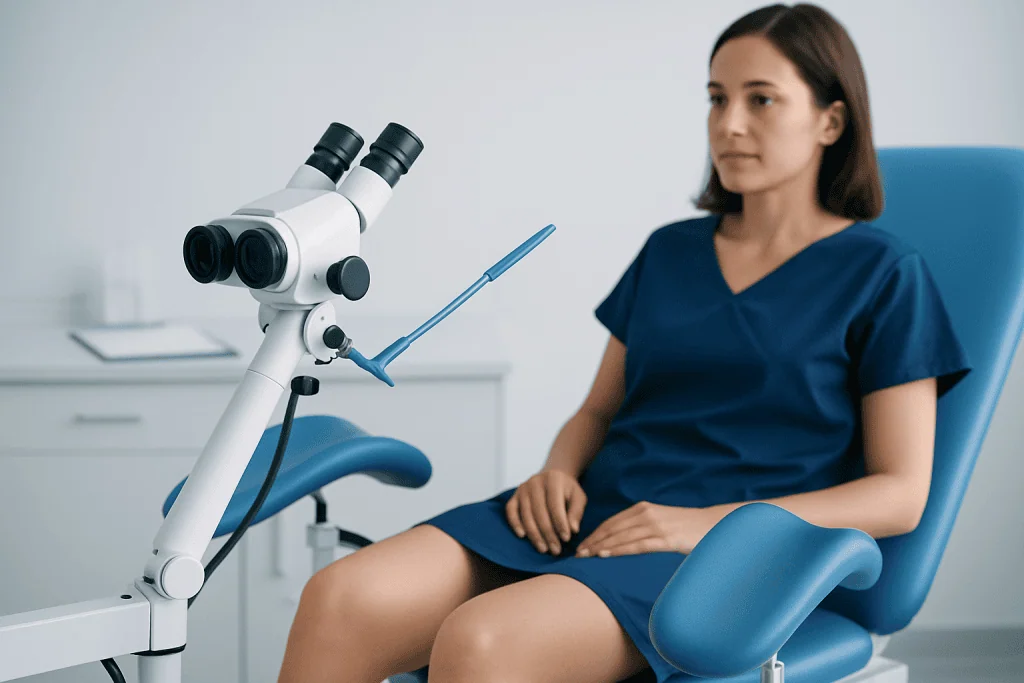
A Pap smear is usually done in an examination room by a gynecologist, family doctor, or trained nurse. The patient lies on an exam table, usually with feet supported, while the clinician gently places a speculum into the vagina to see the cervix. A small brush or spatula is then used to collect cells from the surface of the cervix and the canal just inside it.
The collection itself usually takes only a few seconds. Some people feel pressure, cramping, or brief discomfort, but severe pain is not typical. If the exam is uncomfortable, it is helpful to let the clinician know, as simple adjustments in positioning, breathing, or speculum size can help.
After the procedure, most people can return to normal activities right away. Mild spotting can happen for a short time, especially if the cervix is sensitive, but heavy bleeding is not expected. If the Pap smear is being done as part of a broader gynecologic assessment, the clinician may also discuss symptoms, menstrual history, contraception, or other screening tests.
What Pap Smear Results Can Show
Pap smear results generally fall into a few broad categories. A normal or negative result means no abnormal cervical cells were seen. This usually means routine screening can continue at the recommended interval, although the exact timing may also depend on HPV test results and personal medical history.
An unclear, unsatisfactory, or inconclusive result means the sample could not be fully evaluated. This does not necessarily mean anything is wrong; it may happen if there were too few cells or if blood or inflammation affected the sample. In this situation, the test is often repeated.
An abnormal result means some cervical cells looked different from expected. These changes can range from mild to more significant. Mild changes are often related to HPV infection and may go away on their own, while others need closer follow-up. An abnormal Pap smear does not by itself diagnose cancer. Instead, it signals that more assessment may be needed, such as repeat testing, HPV testing, or a closer examination of the cervix with colposcopy.
Depending on the findings, a doctor may also recommend evaluation for related conditions, including cervical cancer or noncancerous cervical changes. In some cases, abnormal cells are treated with procedures designed to remove or destroy the affected tissue, which can help prevent future disease.
Follow-Up Tests and Treatment Options
If Pap smear results are abnormal, the next step depends on the type of cell change, the HPV result, age, pregnancy status, and previous screening history. Some people only need a repeat Pap smear or HPV test after a defined interval. Others may need a more detailed examination of the cervix.
One common follow-up test is HPV testing, which checks for high-risk HPV types linked to cervical cell changes. Another is colposcopy, a procedure in which the cervix is viewed with magnification so suspicious areas can be examined more closely. If needed, a small tissue sample may be taken for biopsy to clarify the diagnosis.
When precancerous changes are confirmed, treatment may be recommended to remove abnormal tissue before it progresses. Options can include office-based or surgical approaches depending on the extent and location of the changes. In carefully selected situations, treatment may involve methods such as LEEP procedure to remove affected cervical tissue.
Management is individualized, and many abnormal findings do not require major treatment. The most important step is attending follow-up appointments so any changes can be monitored or treated at the right time. Near the end of the care pathway, some international patients may seek support from centers such as Acibadem International, where multidisciplinary specialists in JCI-accredited hospitals diagnose and treat cervical conditions.
Prevention and Self-Care
While no screening test can prevent every condition, several steps can lower the risk of cervical disease and support reproductive health. Keeping up with recommended Pap smear and HPV screening is one of the most effective measures. Screening works best when it is done regularly, even if a person feels well and has no symptoms.
HPV vaccination is another important preventive tool. It helps protect against HPV types most commonly associated with cervical cancer and some other cancers. Vaccination does not replace screening, but it adds another layer of protection. A doctor can advise whether vaccination is appropriate based on age and health history.
General self-care also matters. This includes avoiding tobacco use, practicing safer sex, and seeking medical advice for unusual bleeding, persistent discharge, or pelvic pain rather than waiting for the next routine visit. People with weakened immune systems may need closer follow-up because cervical changes can behave differently in that setting.
- Attend regular cervical screening appointments.
- Ask whether HPV vaccination is appropriate.
- Avoid smoking or seek support to stop.
- Report new gynecologic symptoms promptly.
When to See a Doctor
A Pap smear is a screening test, so it is important to see a doctor not only for routine screening but also for symptoms. Medical review is advisable if there is bleeding after sex, bleeding between periods, bleeding after menopause, persistent unusual vaginal discharge, pelvic pain, or pain during intercourse. These symptoms can have many causes, and they deserve proper evaluation.
It is also a good idea to speak with a clinician if there is a history of abnormal Pap results, HPV infection, treatment for cervical changes, or a condition that affects the immune system. People who are unsure when they should start screening, how often they should be tested, or whether they still need screening after menopause or hysterectomy should ask for personalized guidance.
Seeking care promptly can provide reassurance and help identify whether symptoms are related to infection, hormonal changes, benign conditions, or problems that need follow-up. If a patient feels nervous about the exam, letting the care team know in advance can help them explain each step and make the appointment more comfortable.
Frequently asked questions
Is a Pap smear the same as an HPV test?
No. A Pap smear looks at cervical cells to check for abnormal changes, while an HPV test looks for high-risk types of human papillomavirus that can cause those changes. In many cases, both tests may be done from the same sample.
How often should a person have a Pap smear?
The right schedule depends on age, previous results, and personal health factors. Some people have Pap testing alone, while others have combined Pap and HPV screening at different intervals. A doctor can recommend the most appropriate timing.
Does an abnormal Pap smear mean cancer?
Usually not. An abnormal Pap smear means that some cervical cells looked different from normal and may need follow-up. Many abnormal results are related to HPV or mild cell changes that can resolve or be treated before becoming serious.
Can a Pap smear be done during pregnancy?
Yes, in many cases a Pap smear can be safely performed during pregnancy if screening is due or follow-up is needed. The clinician will decide the best timing based on the stage of pregnancy and the person's medical history.
What should be avoided before a Pap smear?
If possible, it is often best to avoid intercourse, douching, vaginal medicines, creams, lubricants, or spermicide for about two days before the test unless a doctor says otherwise. Heavy menstrual bleeding is also usually avoided when scheduling the appointment.
Is a Pap smear painful?
Most people feel pressure or mild discomfort rather than pain, and the test is usually very quick. If discomfort occurs, telling the clinician can help because they may be able to adjust the speculum size or positioning to make the exam easier.
References
- World Health Organization
- American College of Obstetricians and Gynecologists
- Centers for Disease Control and Prevention
- National Cancer Institute
- U.S. Preventive Services Task Force
This article is for general information only and is not a substitute for professional medical advice. Please consult a qualified doctor about your individual situation.
Oncology care in Turkey — second opinion and treatment plan
JCI-accredited · board-certified surgeons · reply within 24h
Add us as a Preferred Source to see more of our trusted health content across Google Search, AI Overviews and Discover.