Paroxysmal Nocturnal Dyspnea: A Complete Medical Overview

Paroxysmal nocturnal dyspnea means waking from sleep with sudden breathlessness. It is often associated with heart failure, but lung disease, sleep-related breathing problems, and fluid overload can also contribute.
Key Takeaways
- Paroxysmal nocturnal dyspnea means waking from sleep with sudden breathlessness.
- It is often associated with heart failure, but lung disease, sleep-related breathing problems, and fluid overload can also contribute.
- Doctors diagnose the cause by combining medical history, physical examination, and tests such as chest imaging, ECG, and echocardiography.
- Treatment focuses on the underlying condition and may include lifestyle changes, medicines, and in some cases hospital-based care.
- New, severe, or recurring nighttime breathlessness should not be ignored, especially if it happens with chest pain, swelling, or fainting.
Paroxysmal nocturnal dyspnea is a sudden episode of shortness of breath that wakes a person from sleep, usually after one or two hours of lying down. It is a symptom rather than a disease itself, and it commonly points to an underlying heart or lung condition that should be assessed by a doctor.
Overview
Paroxysmal nocturnal dyspnea is a medical term for sudden shortness of breath that wakes a person from sleep. The episode often appears after the person has been lying flat for some time, and it may improve when they sit upright, stand, or move to an open window. Because it happens suddenly and at night, it can feel frightening, but the key point is that it is a symptom that helps doctors look for an underlying cause.
Although many people associate this symptom with the lungs, paroxysmal nocturnal dyspnea is classically linked to heart-related fluid buildup, especially in heart failure. When a person lies down, fluid from the legs and lower body can shift back into the bloodstream and increase pressure in the lungs. This can make breathing more difficult during sleep and trigger abrupt awakening.
Not every case is caused by the heart. Conditions such as asthma, chronic obstructive pulmonary disease, obesity, sleep apnea, kidney disease, and severe acid reflux can sometimes contribute to nighttime breathlessness. For that reason, a proper evaluation matters more than trying to guess the cause from symptoms alone.
How It Feels and Related Symptoms
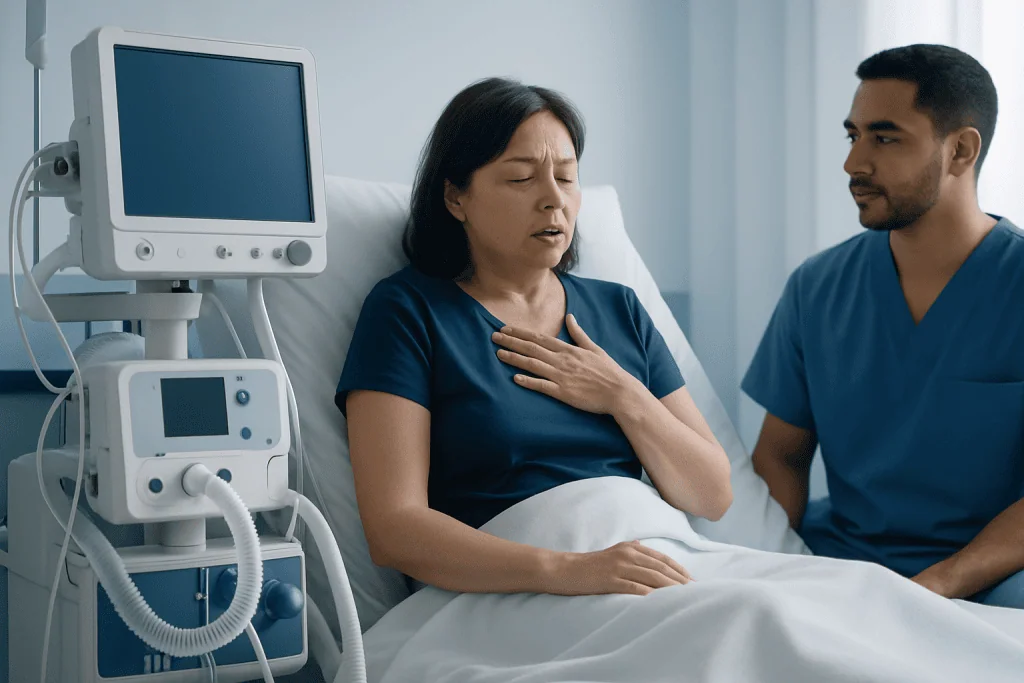
People often describe paroxysmal nocturnal dyspnea as waking up gasping for air, feeling unable to take a full breath, or needing to sit upright immediately. The sensation can come on within minutes and may improve after several minutes of sitting up or walking around. Some people need extra pillows to sleep comfortably, which may suggest a related symptom called orthopnea, or shortness of breath when lying flat.
Other symptoms may occur at the same time, depending on the underlying condition. These can include cough, wheezing, chest tightness, a rapid heartbeat, sweating, anxiety, and fatigue. If fluid retention is involved, there may also be ankle swelling, unexplained weight gain, or reduced exercise tolerance during the day.
Doctors also ask whether the person snores, pauses in breathing during sleep, or feels unusually sleepy in the daytime. These clues can suggest sleep-disordered breathing rather than a primary heart problem. Keeping track of when episodes happen, how often they occur, and what relieves them can be helpful during medical assessment.
- Sudden awakening with breathlessness
- Relief after sitting up or standing
- Need for multiple pillows at night
- Cough, wheeze, or chest discomfort
- Leg swelling or daytime breathlessness
Causes and Risk Factors

The most recognized cause of paroxysmal nocturnal dyspnea is congestive heart failure, especially when the heart cannot pump blood efficiently. In this situation, fluid may back up into the lungs, making gas exchange less effective. Nighttime symptoms can become more noticeable because lying flat increases venous return to the heart and can worsen pulmonary congestion.
Other cardiovascular causes include poorly controlled high blood pressure, heart valve disease, coronary artery disease, and abnormal heart rhythms. In some people, the symptom appears alongside other signs of arrhythmia or progressive heart strain. Kidney problems can also lead to fluid overload, indirectly contributing to shortness of breath at night.
Lung and sleep-related causes are also important. Asthma and chronic lung diseases may worsen at night because of airway narrowing or inflammation. Obstructive sleep apnea can disturb breathing during sleep and sometimes overlap with heart disease. Risk factors vary by cause, but commonly include older age, obesity, smoking history, diabetes, hypertension, prior heart disease, chronic kidney disease, and a family history of cardiovascular illness.
How Doctors Diagnose the Cause
Diagnosis begins with a detailed history. A doctor will usually ask when the episodes started, how long they last, whether there is chest pain or swelling, and whether symptoms also happen during physical activity. They will also ask about sleep habits, snoring, smoking, medicines, and past heart or lung conditions.
The physical examination often focuses on the heart, lungs, oxygen level, and signs of excess fluid. Listening for crackles in the lungs, checking the pulse and blood pressure, and looking for swelling in the legs can provide useful clues. Even so, symptoms alone rarely identify the exact cause, so further testing is often needed.
Common tests may include blood tests, a chest X-ray, an electrocardiogram, and an echocardiogram to assess heart structure and function. If the doctor suspects a cardiac cause, evaluation may involve echocardiography or other forms of cardiology assessment. When a lung or sleep disorder is suspected, pulmonary testing or a sleep study may be recommended. The goal is to identify whether the symptom comes from heart failure, lung disease, fluid retention, sleep apnea, or another condition requiring specific care.
Treatment Options
Treatment for paroxysmal nocturnal dyspnea depends on the condition causing it. If heart failure or fluid overload is responsible, treatment may involve medicines that reduce excess fluid, improve heart function, or control blood pressure. If the episode is related to a lung condition, the doctor may adjust inhaled treatments or address airway inflammation. For sleep apnea, treatment may include weight management, sleep positioning, or device-based therapy.
Short-term management often focuses on improving breathing and reducing strain on the heart and lungs. A person may be advised to sleep with the head elevated, limit excess salt if fluid retention is present, and monitor changes in weight or swelling. However, home measures should support medical care, not replace it, because recurrent nighttime breathlessness can signal a condition that is progressing.
In more advanced cases, specialist care may be needed. Depending on the diagnosis, doctors may recommend follow-up through heart failure treatment services or further evaluation for coronary or valve disease. Near the end of the care pathway, some patients may benefit from multidisciplinary review; Acibadem International’s JCI-accredited hospitals and specialists diagnose and treat these underlying conditions for international patients when appropriate.
Prevention and Self-care
Prevention is aimed at controlling the health problem behind the symptom. For people with known heart disease, taking prescribed medicines regularly, attending follow-up appointments, and watching for signs of fluid retention can reduce the chance of nighttime breathlessness. Daily weight checks may help detect early fluid buildup in some patients, especially if recommended by a doctor.
General lifestyle measures can also support heart and lung health. These include limiting smoking exposure, staying physically active within a doctor’s guidance, maintaining a healthy weight, and reducing excess dietary salt when medically advised. Good control of blood pressure, diabetes, and cholesterol also lowers strain on the cardiovascular system over time.
Self-care should remain practical and safe. It may help to sleep with the upper body slightly elevated, avoid heavy meals or alcohol close to bedtime if reflux is a trigger, and keep a written record of nighttime symptoms. Any change in the pattern of breathlessness, swelling, or exercise capacity should be discussed with a qualified clinician rather than managed by self-treatment alone.
When to Seek Medical Care
Paroxysmal nocturnal dyspnea deserves medical attention because it can be a sign of a significant heart or lung problem. A person should arrange a prompt medical review if they are repeatedly waking up short of breath, need more pillows than usual, or notice new ankle swelling, daytime breathlessness, or reduced ability to exercise.
Urgent or emergency care is important if breathlessness is severe, does not improve quickly when sitting up, or occurs with chest pain, blue lips, confusion, fainting, or coughing up frothy sputum. These symptoms may indicate acute heart or lung distress and should not be delayed. People with known coronary artery disease or heart failure should be especially attentive to any sudden worsening.
Even when symptoms seem mild, recurrent nighttime episodes are not considered a normal part of aging or poor sleep. Early assessment can clarify the cause and allow treatment before symptoms become more disruptive. A doctor can also help distinguish paroxysmal nocturnal dyspnea from panic attacks, reflux, or other conditions that can feel similar at night.
Frequently asked questions
What is paroxysmal nocturnal dyspnea in simple terms?
It means suddenly waking up at night feeling short of breath. It often improves when the person sits up or stands, and it usually points to an underlying heart, lung, or sleep-related problem.
Is paroxysmal nocturnal dyspnea the same as sleep apnea?
No. Sleep apnea is a specific sleep-related breathing disorder, while paroxysmal nocturnal dyspnea is a symptom of sudden nighttime breathlessness. Sleep apnea can sometimes contribute to or mimic this symptom, but they are not the same diagnosis.
Does paroxysmal nocturnal dyspnea always mean heart failure?
Not always, but heart failure is one of the most important causes doctors consider. Lung disease, fluid overload, obesity, sleep apnea, and other conditions can also lead to similar nighttime breathing symptoms.
How is paroxysmal nocturnal dyspnea diagnosed?
Doctors diagnose the cause by reviewing symptoms, doing a physical exam, and ordering tests such as an ECG, chest X-ray, blood work, and echocardiogram. In some cases, lung function testing or a sleep study is also helpful.
Can sleeping position make paroxysmal nocturnal dyspnea worse?
Yes. Lying flat can worsen breathing in some people because it changes how fluid circulates in the body and can increase pressure in the lungs. Many people notice relief when they elevate the head of the bed or use extra pillows, but this does not replace medical evaluation.
When should someone go to the emergency room for nighttime shortness of breath?
Emergency care is appropriate if the breathlessness is severe, sudden, or does not improve quickly after sitting up. It is especially urgent if there is chest pain, confusion, blue lips, fainting, or coughing up pink or frothy sputum.
References
- American Heart Association
- National Heart, Lung, and Blood Institute
- European Society of Cardiology
- Centers for Disease Control and Prevention
- Mayo Clinic
This article is for general information only and is not a substitute for professional medical advice. Please consult a qualified doctor about your individual situation.
Explore treatments in Turkey — costs, top hospitals & a free quote
JCI-accredited · board-certified surgeons · reply within 24h
Add us as a Preferred Source to see more of our trusted health content across Google Search, AI Overviews and Discover.
Check your numbers in seconds
BMI, calories, due date, blood pressure and 30+ more clinical calculators — free, instant, doctor-reviewed ranges.

More from the Health Library

Acacia Honey: A Complete Medical Overview

Sanctura: What Patients Need to Know

Coffee and Empty Stomach: An Evidence-Based Guide for Patients

Eccentric Exercise: An Evidence-Based Guide for Patients

Xenophobia: What Patients Need to Know