

Pathogens — Explained by Medical Evidence, Not Myths

Pathogens include viruses, bacteria, fungi, and parasites, and each behaves differently. Not all microbes are harmful; many are harmless or helpful, while pathogens are the ones that can cause disease.
Key Takeaways
- Pathogens include viruses, bacteria, fungi, and parasites, and each behaves differently.
- Not all microbes are harmful; many are harmless or helpful, while pathogens are the ones that can cause disease.
- Pathogens spread in several ways, including respiratory droplets, direct contact, contaminated food or water, and insect bites.
- Symptoms depend on the pathogen, the body system involved, and a person's age and immune health.
- Prevention relies on practical measures such as hand hygiene, vaccination, food safety, and timely medical care.
Pathogens are microorganisms or infectious agents that can cause disease in humans, animals, or plants. Understanding what they are, how they spread, and how the body responds helps people separate medical facts from common myths.
What pathogens are
Pathogens are infectious agents that can enter the body and cause disease. In everyday language, they are often called “germs,” but the medical term is more precise. Pathogens include viruses, bacteria, fungi, and parasites. Each group has different biological features, which is why infections do not all start, spread, or respond to treatment in the same way.
A helpful myth to correct is that all microbes are dangerous. In fact, many microorganisms live on the skin, in the gut, and in the environment without causing harm. Some are even essential for digestion, immune balance, and overall health. A microbe becomes important medically when it has the ability to invade tissues, multiply, evade the immune system, and trigger illness.
Another common misunderstanding is that pathogens always cause immediate symptoms. Some infections are mild, some become severe, and some may cause no noticeable symptoms at all while still being contagious. Whether illness develops depends on the pathogen itself, how much of it enters the body, where it enters, and how well the immune system responds.
Main types of pathogens and how they differ
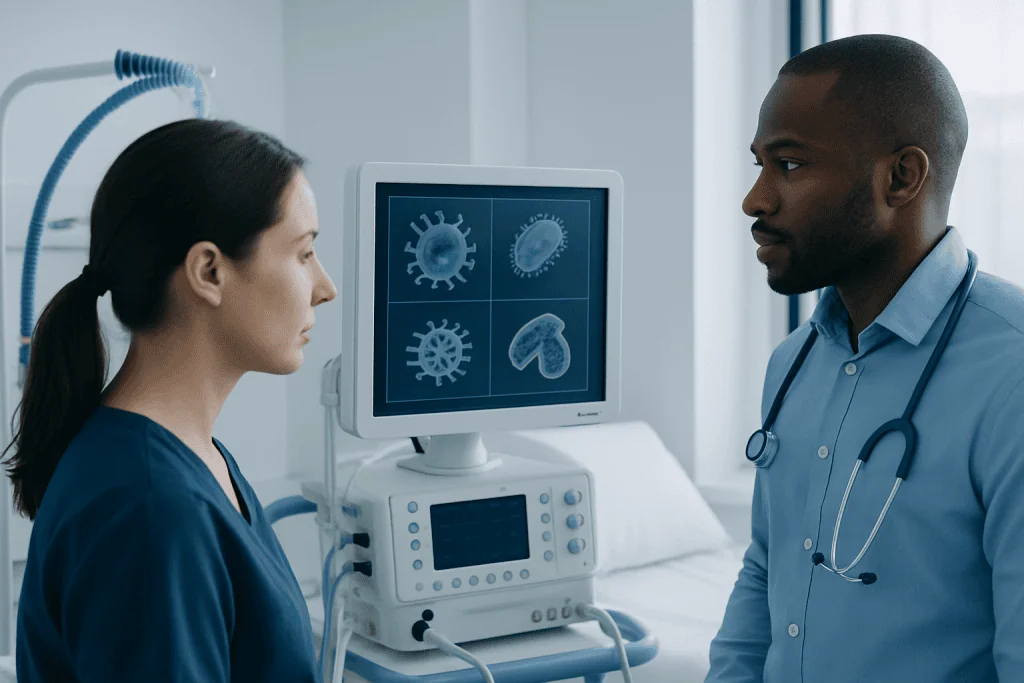
Viruses are very small infectious particles that need living cells to reproduce. They enter the body’s cells and use them to make more virus. Common viral illnesses include colds, influenza, and COVID-19. Because viruses depend on host cells, antibiotics do not work against them. Some viral infections can be prevented with vaccines or managed with antiviral medicines.
Bacteria are single-celled organisms. Many bacteria are harmless, and some are beneficial, but certain species can cause infections such as strep throat, urinary tract infections, or pneumonia. Bacterial infections may respond to antibiotics, although resistance can develop when antibiotics are used incorrectly or unnecessarily.
Fungi include yeasts and molds. They can cause skin, nail, or mucosal infections and, less commonly, serious disease in people with weakened immunity. Parasites are organisms that live on or inside a host. They include protozoa and worms and may spread through food, water, insects, or soil. Conditions linked to these agents can range from simple skin problems to more complex infectious diseases that affect the intestines, blood, lungs, or brain.
How pathogens spread from person to person or the environment
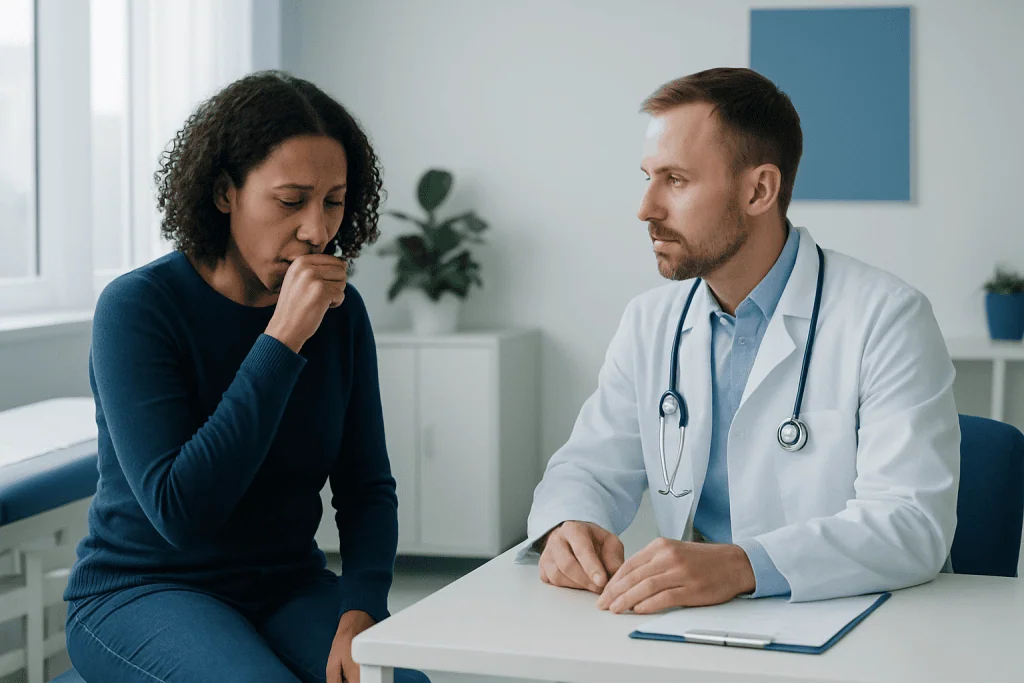
Pathogens spread through several routes. Respiratory spread happens when an infected person coughs, sneezes, talks, or breathes out particles that are inhaled by others. This route is common with many viral infections and some bacterial diseases. Direct contact spread happens through touching skin lesions, body fluids, or contaminated hands and then touching the mouth, nose, or eyes.
Foodborne and waterborne spread occurs when pathogens contaminate food or drinking water. Inadequate cooking, poor food storage, and unsafe sanitation increase this risk. Some pathogens can also spread through blood exposure, sexual contact, or shared needles. Others depend on vectors such as mosquitoes or ticks, which carry infectious agents from one host to another.
Environmental survival varies widely. Some pathogens remain active for only a short time outside the body, while others can persist on surfaces, in water, or in soil for longer periods. This is one reason prevention advice differs by disease. A practical public health approach may include handwashing, safe food handling, ventilation, vaccination, and, when needed, laboratory diagnostic imaging or other tests to identify the source and extent of infection.
How pathogens cause symptoms
Symptoms appear when pathogens damage tissues directly, release toxins, or trigger the immune system to produce inflammation. Fever, fatigue, body aches, and swollen lymph nodes are common examples of the body responding to infection rather than signs of one specific germ. The location of infection also matters. A respiratory infection may cause cough and shortness of breath, while a stomach infection may cause nausea, vomiting, diarrhea, or abdominal pain.
The same pathogen may affect people differently. Age, pregnancy, chronic illness, nutrition, immune status, and medications can all change how an infection behaves. For example, a healthy adult may recover quickly from a viral illness, while an older adult or someone with immune suppression may need closer monitoring and earlier treatment.
Some infections stay localized, while others spread to deeper tissues or the bloodstream. Skin redness, increasing pain, confusion, dehydration, chest discomfort, or worsening shortness of breath can signal that infection is becoming more serious. These changes are important because they guide when home care is enough and when medical evaluation is safer.
How doctors diagnose infections caused by pathogens
Diagnosis starts with a clinical history and physical examination. A doctor considers the symptoms, when they began, recent travel, food exposures, sick contacts, animal or insect exposure, vaccination history, and underlying health conditions. This first step helps narrow down which type of pathogen is most likely and which tests are useful.
Laboratory testing may include blood tests, throat swabs, urine tests, stool studies, or cultures. Some tests detect the pathogen directly, while others measure the body’s immune response. In certain situations, imaging such as chest X-ray, ultrasound, CT, or MRI helps identify complications or determine how deeply an infection has spread. Depending on symptoms, a patient may be evaluated by specialists in comprehensive check-up services or referred for targeted care.
Accurate diagnosis matters because treatment differs greatly by cause. A bacterial infection may need antibiotics, a fungal infection may need antifungal medicines, and some viral infections mainly need rest, fluids, and symptom relief. In selected cases, doctors may also use microbiology testing to identify the exact organism and guide treatment more precisely, especially if resistance or unusual infections are a concern.
Treatment options and why treatment depends on the pathogen
Treatment is based on the type of pathogen, the area of the body involved, symptom severity, and a person’s general health. Viral infections are often managed with supportive care such as fluids, rest, fever control, and monitoring, although some viruses have specific antiviral treatments. Bacterial infections may require antibiotics, but only when there is a clear or strongly suspected bacterial cause.
Fungal infections are treated with antifungal medicines, and parasitic infections may require antiparasitic drugs. In more serious cases, treatment may also include oxygen, intravenous fluids, drainage of an abscess, or hospital observation. Supportive care remains important in all infections because it helps the body recover while the underlying cause is being treated.
One persistent myth is that antibiotics help all infections. They do not treat viruses, and unnecessary use can contribute to side effects and antibiotic resistance. Doctors choose treatment carefully to balance benefits and risks. If an infection affects the lungs, for example, a patient may need evaluation related to pneumonia or further assessment if symptoms suggest spreading disease.
Prevention and everyday self-care
Prevention focuses on reducing exposure and strengthening general health. Handwashing with soap and water remains one of the most effective ways to limit transmission. Vaccination is another key measure because it prepares the immune system to recognize certain pathogens before illness develops. Good ventilation, staying home when acutely ill, and covering coughs and sneezes also help reduce spread.
Food and water safety are especially important for pathogens that affect the digestive system. This includes washing produce, cooking foods thoroughly, avoiding cross-contamination in the kitchen, and drinking safe water. People traveling to unfamiliar regions may need extra precautions depending on local sanitation, insect exposure, and recommended vaccines.
Self-care during a mild infection may include hydration, rest, balanced nutrition, and using medications exactly as prescribed. However, self-care should not replace medical advice when symptoms are worsening, prolonged, or severe. A careful, evidence-based approach helps avoid both undertreatment and unnecessary medication use.
- Wash hands regularly, especially before eating and after using the bathroom.
- Keep routine vaccinations up to date.
- Handle food safely and store it at correct temperatures.
- Avoid sharing personal items during active infection.
- Seek advice before taking antibiotics or stopping prescribed treatment early.
When to seek medical care
Medical care is advisable if symptoms are severe, last longer than expected, or return after seeming to improve. Signs such as trouble breathing, chest pain, confusion, dehydration, high fever that persists, severe weakness, or rapidly spreading rash should be assessed promptly. Infants, older adults, pregnant people, and those with weakened immune systems may need earlier evaluation even when symptoms seem moderate.
It is also sensible to seek care after possible exposure to contaminated food or water, animal bites, insect-borne illness, or close contact with a person known to have a serious infection. A doctor can assess whether testing, treatment, or monitoring is needed. Early evaluation may lower the risk of complications and help prevent transmission to others.
For international patients who need specialist assessment, Acibadem International’s multidisciplinary teams in JCI-accredited hospitals diagnose and treat a wide range of infections and related complications. If symptoms suggest a deeper or more complex condition, doctors may coordinate care across infectious diseases, internal medicine, pulmonology, pediatrics, and critical care as needed.
Frequently asked questions
Are pathogens the same as bacteria?
No. Bacteria are only one type of pathogen. Pathogens also include viruses, fungi, and parasites, and each type causes disease in different ways.
Do all pathogens make people sick right away?
Not always. Some pathogens cause symptoms quickly, while others have an incubation period before illness begins. In some cases, a person may carry or spread a pathogen without feeling sick.
Can antibiotics treat pathogens?
Antibiotics treat certain bacterial infections, but they do not work against viruses. Other pathogens, such as fungi and parasites, need different medicines, so proper diagnosis is important.
What is the best way to prevent pathogens from spreading?
There is no single method that prevents all infections, but hand hygiene, vaccination, safe food practices, and avoiding close contact when sick are among the most effective steps. Prevention also depends on how a particular pathogen spreads.
Why do some people get sicker from the same pathogen than others?
Illness severity depends on many factors, including age, immune function, chronic medical conditions, and the amount of exposure. The same pathogen may cause mild symptoms in one person and more serious disease in another.
When should someone worry that an infection may be serious?
Prompt medical attention is important if there is difficulty breathing, chest pain, confusion, dehydration, persistent high fever, or quickly worsening symptoms. People with weakened immune systems, infants, and older adults should be especially cautious.
References
- World Health Organization
- Centers for Disease Control and Prevention
- National Institutes of Health
- MedlinePlus
- Mayo Clinic
This article is for general information only and is not a substitute for professional medical advice. Please consult a qualified doctor about your individual situation.
Persistent digestive symptoms? Get evaluated in Turkey
JCI-accredited · board-certified surgeons · reply within 24h
Add us as a Preferred Source to see more of our trusted health content across Google Search, AI Overviews and Discover.

More from the Health Library



Related Specialists
Dr. Emre Sübay
Ophthalmology
Assoc. Prof. Dr. Mehmet Sağır
Aesthetic Plastic & Reconstructive Surgery
Dr. Emine Çiğdem Kırçiçeği Çiçekdağ
Anesthesiology
Dr. Zeki Yenidünya
Internal Medicine