Paxlovid Mouth: A Complete Medical Overview

Paxlovid mouth usually refers to dysgeusia, a changed sense of taste that may feel bitter, metallic, sour, or unpleasant. The taste change is commonly linked to ritonavir, one of the two medicines in Paxlovid.
Key Takeaways
- Paxlovid mouth usually refers to dysgeusia, a changed sense of taste that may feel bitter, metallic, sour, or unpleasant.
- The taste change is commonly linked to ritonavir, one of the two medicines in Paxlovid.
- Good hydration, regular oral hygiene, and sugar-free gum or lozenges may make the symptom more manageable.
- People should not stop Paxlovid on their own because of a bad taste; they should contact their prescriber if side effects are difficult to tolerate.
- Urgent medical care is needed for signs of a severe allergic reaction, serious skin reaction, trouble breathing, or worsening COVID-19 symptoms.
Paxlovid mouth is the informal name for an unpleasant bitter, metallic, or chemical taste that some people notice while taking Paxlovid for COVID-19. It is usually a temporary medication side effect rather than a sign of harm, and it commonly improves after the treatment course ends.
What Is Paxlovid Mouth?
Paxlovid mouth is an informal term for a change in taste that occurs during treatment with Paxlovid. The sensation is often described as bitter, metallic, chemical, sour, or medicinal, and it can appear soon after a dose or persist between doses. In medical terms, this is called dysgeusia.
Paxlovid is an antiviral medicine used for certain people with mild to moderate COVID-19 who are at higher risk of becoming seriously ill. It contains two medicines: nirmatrelvir, which interferes with SARS-CoV-2 replication, and ritonavir, which helps nirmatrelvir remain in the body long enough to work effectively. Taste disturbance is a recognized side effect, particularly associated with ritonavir.
Although the taste can be frustrating and may temporarily affect enjoyment of food and drinks, it is generally not dangerous by itself. For most people, Paxlovid mouth fades after the five-day treatment course is completed, though the timing can vary. COVID-19 itself can also alter taste and smell, so more than one factor may contribute.
Why Does Paxlovid Cause a Bitter Taste?
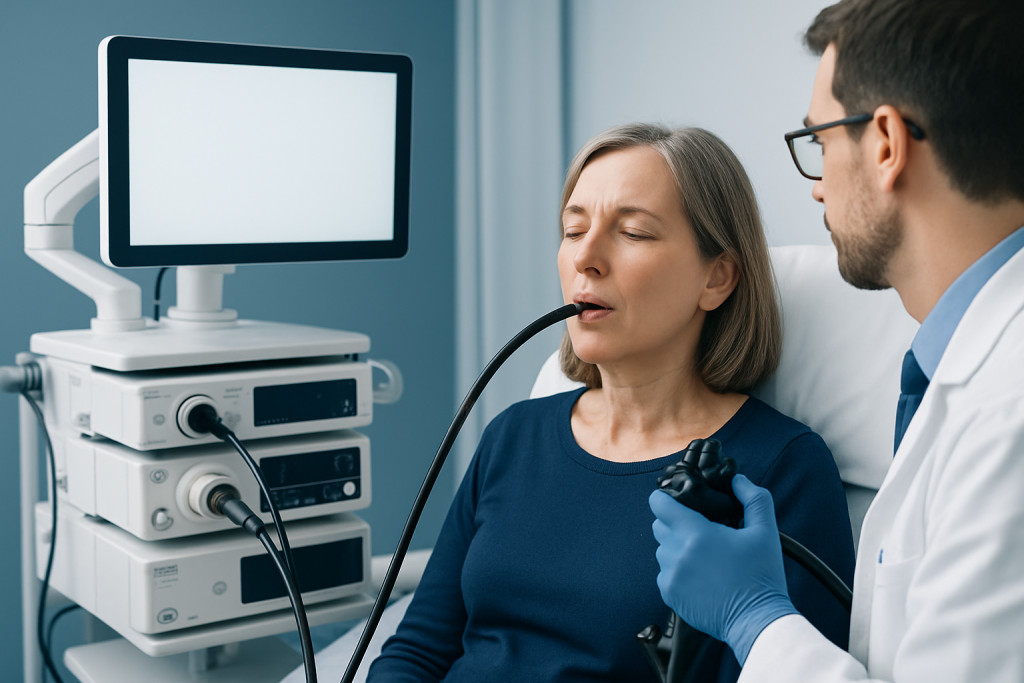
The exact reason Paxlovid causes dysgeusia is not fully established. Ritonavir has a notably bitter taste, and drug-related compounds may reach saliva after the medicine is absorbed. This can stimulate taste receptors and create a lingering unpleasant sensation. The effect does not mean the medicine is damaging the tongue, teeth, or taste buds.
Taste is influenced by smell, saliva production, oral health, nasal congestion, and the brain’s processing of sensory signals. COVID-19 may reduce or distort smell and taste, while fever, dehydration, dry mouth, or reduced food intake can make an altered taste more noticeable. Some people therefore experience a stronger or longer-lasting taste disturbance than others.
A bitter taste alone is not usually a sign of allergy. An allergic reaction is more likely to involve symptoms such as hives, widespread itching, swelling of the lips, face, tongue, or throat, wheezing, or difficulty breathing. These symptoms require prompt medical assessment rather than self-treatment at home.
What Paxlovid Mouth Can Feel Like

People experience Paxlovid mouth differently. Some notice a mild metallic aftertaste only after swallowing a tablet, while others report an intense bitterness that returns repeatedly during the day. The sensation may be stronger with plain water, coffee, certain fruits, or foods with subtle flavors. It may also make foods taste unusually salty, bland, or unpleasant.
Dysgeusia can sometimes reduce appetite or lead to nausea, especially if a person is already unwell with COVID-19. Maintaining fluid intake is important, as dehydration can worsen dry mouth and make the taste more difficult to ignore. Small, regular meals may be easier than large meals when appetite is reduced.
- A bitter, metallic, chemical, or medicinal taste
- A taste that appears shortly after taking a dose
- Changes in how familiar foods or drinks taste
- Dry mouth or a coated-mouth sensation alongside the altered taste
- Reduced appetite or mild nausea related to the unpleasant flavor
Paxlovid mouth does not typically cause mouth ulcers, bleeding gums, white patches, or significant pain. If these occur, they may have another cause, such as irritation, dehydration, oral thrush, dental disease, or a separate infection, and should be discussed with a healthcare professional.
Ways to Manage the Taste Change
There is no guaranteed method to prevent Paxlovid mouth, but practical mouth-care measures can reduce discomfort. Sipping water regularly, brushing the teeth and tongue gently, and rinsing the mouth after meals can help keep the mouth fresh. An alcohol-free mouth rinse may be more comfortable for people with dry or irritated mouths.
Sugar-free chewing gum, sugar-free mints, or lozenges may briefly mask the taste and encourage saliva production. Some people find that cool foods, citrus flavors, ginger, mint, or strongly flavored meals are easier to tolerate, while others prefer bland foods. Individual responses vary, so it is reasonable to choose foods and drinks that feel most palatable and avoid triggers that intensify the bitterness.
People should continue to take Paxlovid exactly as prescribed unless their prescriber advises otherwise. Tablets should be swallowed whole and should not be crushed, chewed, or split. Do not add supplements, herbal remedies, or over-the-counter products specifically to treat the taste problem without checking with a pharmacist or clinician, because ritonavir can interact with many medicines.
If nausea accompanies the unpleasant taste, taking the medicine with food may be helpful when permitted by the prescribing instructions. A pharmacist or prescriber can provide individualized guidance, particularly for people with diabetes, kidney disease, liver disease, swallowing difficulties, dietary restrictions, or complex medication regimens.
Paxlovid Safety, Interactions, and Other Side Effects
Paxlovid is prescribed after a clinician reviews whether it is appropriate for the individual. Ritonavir affects how the liver processes many medications, which means some medicines must be temporarily adjusted, changed, or avoided. For this reason, it is important to tell the prescriber and pharmacist about all prescription medicines, non-prescription medicines, vitamins, and herbal products.
Besides altered taste, possible side effects can include diarrhea, nausea, muscle aches, headache, or increased blood pressure. Not everyone experiences side effects, and the expected benefit of treatment may outweigh a temporary unpleasant taste for people at higher risk of severe COVID-19. A clinician can explain the likely benefits and possible harms in the context of a person’s health history.
People with kidney or liver problems may need additional assessment before taking Paxlovid. They should not share the medication with another person, save unused tablets for future illness, or use it without medical advice. COVID-19 symptoms can also change over time, so monitoring overall health remains important during and after treatment.
When to Seek Medical Care
A bitter or metallic taste on its own can usually be managed with supportive measures and does not generally require urgent care. However, a person should contact the prescribing clinician or pharmacist if the taste disturbance is so severe that it prevents drinking fluids, eating enough, or taking the medicine as directed. They can help assess whether another problem may be contributing and advise on safe next steps.
Urgent medical attention is needed for signs of a serious allergic reaction, including swelling of the face, lips, tongue, or throat; trouble breathing or swallowing; fainting; or widespread hives. Immediate assessment is also important for a severe rash, blistering or peeling skin, yellowing of the skin or eyes, dark urine, severe or persistent vomiting, confusion, chest pain, or significant worsening of breathing.
People should also seek medical advice if they develop new mouth pain, white patches that can be associated with oral thrush, sores that do not improve, or persistent taste changes well after recovery from COVID-19 and completion of treatment. These symptoms may not be caused by Paxlovid and may need separate evaluation.
Recovery and Looking After Oral Health
For many people, the altered taste improves shortly after Paxlovid is finished. Recovery may feel gradual, especially when COVID-19 has also affected smell and taste. Keeping hydrated, eating a varied diet as tolerated, and returning to regular oral hygiene can support comfort while the symptom settles.
Brushing twice daily with fluoride toothpaste, cleaning between the teeth when possible, and arranging routine dental care can help maintain oral health. Avoiding tobacco and limiting alcohol may also reduce mouth dryness and irritation. If a person uses dentures, cleaning them regularly and removing them overnight when advised can help reduce oral irritation.
For patients who need coordinated assessment of COVID-19 recovery, medication effects, or persistent mouth symptoms, Acibadem International’s multidisciplinary specialists and JCI-accredited hospitals provide diagnosis and treatment for international patients. Individual care should always be based on a clinician’s assessment of symptoms, medicines, and underlying health conditions.
Frequently asked questions
How long does Paxlovid mouth last?
The bitter or metallic taste commonly lasts during the five-day Paxlovid course and often improves after the medicine is completed. Some people may notice it for a short time afterward, particularly if COVID-19 has also affected their sense of taste or smell. Persistent symptoms should be discussed with a clinician.
Is Paxlovid mouth dangerous?
An unpleasant taste alone is usually not dangerous and is a known medication side effect. It does not usually mean that Paxlovid is harming the mouth or teeth. However, swelling, hives, breathing difficulty, a serious rash, or severe vomiting require urgent medical attention.
Should a person stop Paxlovid because of a bitter taste?
A person should not stop Paxlovid without speaking to the prescribing clinician or pharmacist. The medicine may help reduce the risk of severe COVID-19 in eligible patients, and the taste change is often temporary. A clinician can advise if symptoms are difficult to tolerate or if another side effect is present.
What helps with the bad taste from Paxlovid?
Regular sips of water, gentle brushing of the teeth and tongue, and sugar-free gum or mints may provide temporary relief. Cool foods, mint, ginger, or foods with stronger flavors may also be easier for some people. The best approach varies, and people should choose options that fit their health needs and dietary advice.
Can COVID-19 cause the same taste changes as Paxlovid?
Yes. COVID-19 can change taste and smell, sometimes making foods seem bland, distorted, or unpleasant. A person taking Paxlovid may therefore have taste changes from the infection, the medicine, or both. The timing of symptoms and other features can help a clinician assess the likely cause.
Does Paxlovid mouth mean the medicine is working?
No. A bitter or metallic taste is a side effect and does not show whether Paxlovid is working better or worse. People should take the medicine as prescribed and monitor their overall symptoms. If COVID-19 symptoms worsen or new concerning symptoms develop, they should seek medical advice.
References
- U.S. Food and Drug Administration
- Centers for Disease Control and Prevention
- National Institutes of Health COVID-19 Treatment Guidelines
- MedlinePlus
- World Health Organization
This article is for general information only and is not a substitute for professional medical advice. Please consult a qualified doctor about your individual situation.
Explore treatments in Turkey — costs, top hospitals & a free quote
JCI-accredited · board-certified surgeons · reply within 24h
Add us as a Preferred Source to see more of our trusted health content across Google Search, AI Overviews and Discover.

More from the Health Library



Related Specialists

Prof. Dr. Bülent Kısacıkoğlu
Cardiovascular Surgery
Dt. Nisa Ildız Çelebioğlu
Oral & Dental Health
Dr. Hacer Tuğça Malişi
Pediatrics
Dr. İlknur Çitil
Gynecology & Obstetrics