Pediatric Epilepsy Surgery: When Is an Operation Considered?

Surgery is mainly considered for children with drug-resistant epilepsy, meaning seizures continue despite suitable anti-seizure medicines. The goal is not only seizure control, but also protecting learning, behavior, safety, and overall development.
Key Takeaways
- Surgery is mainly considered for children with drug-resistant epilepsy, meaning seizures continue despite suitable anti-seizure medicines.
- The goal is not only seizure control, but also protecting learning, behavior, safety, and overall development.
- A detailed presurgical evaluation helps identify where seizures start and whether that brain area can be treated safely.
- Different procedures may be used, including resective surgery, disconnective surgery, laser approaches, vagus nerve stimulation, or corpus callosotomy.
- Early referral to a specialized epilepsy center can be important because ongoing seizures may affect a child's development.
Pediatric epilepsy surgery may be an option for children whose seizures continue despite appropriate medication. The decision is based on careful testing, the type of epilepsy, and whether surgery is likely to reduce seizures while protecting development and quality of life.
Overview
Pediatric epilepsy surgery refers to operations or device-based procedures used to treat seizures in children when medicines alone are not enough. Surgery is not the first treatment for most children with epilepsy. However, for some, it can offer the best chance of major seizure reduction or even seizure freedom.
The main reason surgery is considered is drug-resistant epilepsy. This usually means a child has continued seizures despite trying two appropriate anti-seizure medicines at suitable doses. When seizures remain frequent, they can affect safety, sleep, learning, memory, mood, and day-to-day development. In these situations, surgery may be discussed earlier than many families expect.
Not every child with epilepsy is a candidate for surgery. The decision depends on several factors, including the type of seizures, where they start in the brain, what brain imaging shows, and whether the area causing seizures can be treated without unacceptable loss of important functions such as speech, movement, or vision. Because children’s brains are still developing, treatment decisions are made very carefully by a multidisciplinary team.
When Surgery May Be Considered
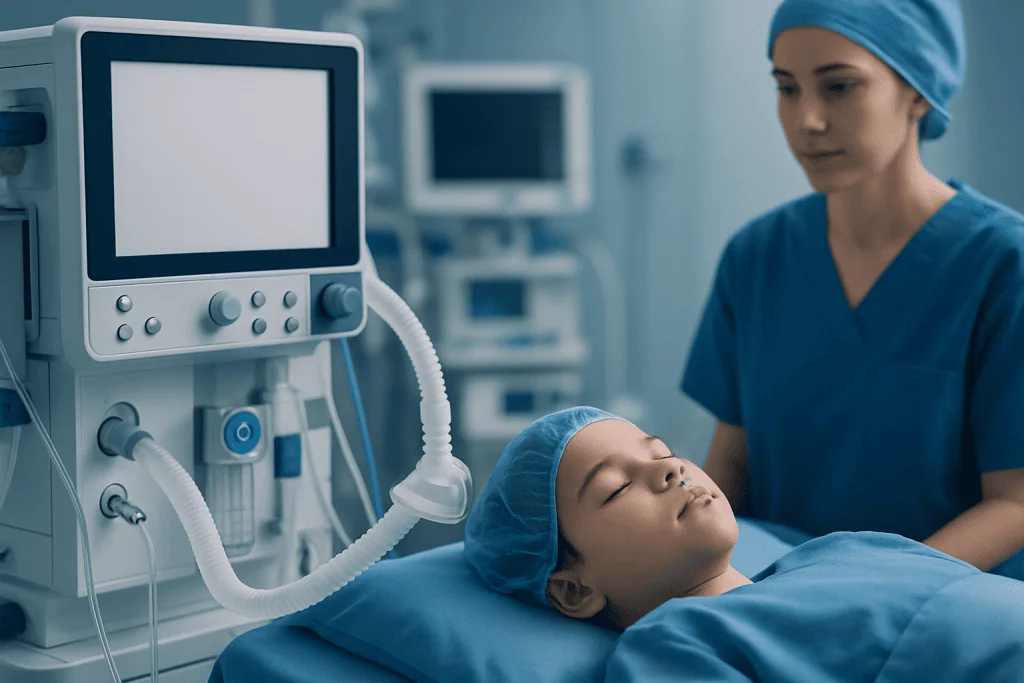
Surgery is typically considered when seizures continue even after appropriate medical treatment. A child may also be evaluated sooner if seizures are very frequent, cause injuries, interfere with development, or arise from a known structural brain problem seen on MRI. In some children, waiting too long may allow seizures to continue affecting attention, language, school progress, and behavior.
Doctors often think about surgery if tests suggest that seizures consistently start in one specific part of the brain. This is sometimes called a seizure focus. If that area can be removed, disconnected, or otherwise treated safely, surgery may offer significant benefit. Children with certain conditions, such as focal cortical dysplasia, benign tumors linked to seizures, scars from prior injury, or some congenital brain abnormalities, may be more likely to benefit.
In other situations, surgery is considered even when complete seizure freedom is unlikely. For example, a procedure may still be helpful if it can reduce dangerous drop attacks, lessen seizure frequency, improve alertness, or make seizures easier to control with medicine afterward. The overall aim is to improve the child’s quality of life and long-term development, not simply to count fewer seizures.
Symptoms and Clues That Prompt Evaluation
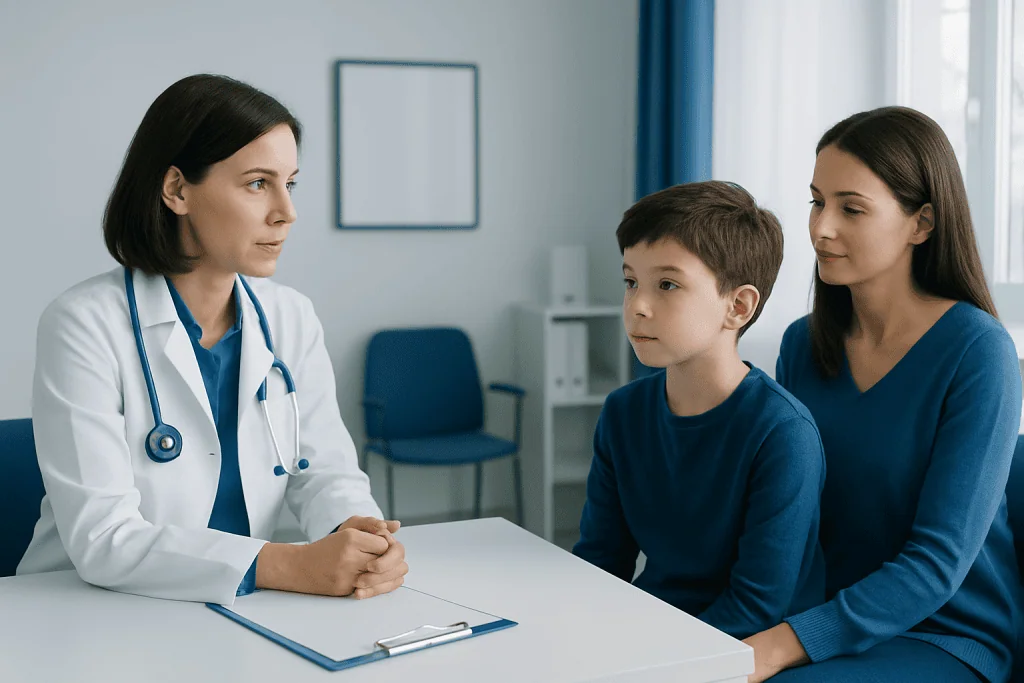
Children can have many different seizure patterns. Some episodes involve staring, lip smacking, brief confusion, or unusual movements of one side of the body. Others cause falls, stiffening, jerking, loss of awareness, or clusters of seizures. In infants and younger children, seizures may be subtle and easy to miss. Parents may notice pauses, repeated head drops, unusual eye movements, or sudden developmental slowing.
Certain warning signs suggest that a child should be assessed by a pediatric neurologist or epilepsy specialist. These include seizures that keep happening despite medicine, side effects from treatment that limit daily life, repeated emergency visits, or loss of developmental skills. Frequent seizures during sleep, sudden falls, or prolonged events also deserve prompt review.
Families may already know the child has epilepsy, but the next step is understanding the exact syndrome and whether it is focal or generalized. This distinction matters because some children are good candidates for epilepsy surgery, while others are better treated with medication changes, dietary therapy, or neuromodulation. Careful seizure history and video recordings from home can sometimes help the medical team understand what is happening.
Causes, Risk Factors, and Who May Benefit
The causes of severe childhood epilepsy are varied. Some children have a structural cause that can be seen on brain MRI, such as cortical malformations, scarring from a stroke, changes after infection, or a small lesion such as a seizure-related tumor. Others have genetic epilepsy syndromes or metabolic disorders. Some children have no obvious cause on early testing, even though a seizure focus may still be present.
Children most likely to benefit from surgery often have focal seizures that begin in one area of the brain and a clear abnormality on MRI or other tests. That said, surgery is not limited to children with one specific pattern. Some children with widespread or difficult seizure types may still benefit from palliative procedures designed to reduce seizure severity or protect safety.
Age alone does not rule out surgery. In fact, very young children may sometimes be considered because uncontrolled seizures can strongly affect brain development. The team weighs the expected benefits against the risks of anesthesia, the operation itself, and the possibility of changes in movement, language, memory, or vision. The best candidates are those in whom the likely gains are meaningful and the functional risks can be acceptably managed.
How Doctors Evaluate a Child Before Surgery
A presurgical evaluation is detailed and highly individualized. It usually begins with a careful medical history, neurological examination, review of seizure videos, and prolonged video-EEG monitoring to record actual seizures. This helps doctors identify where seizures start and how they spread. Brain MRI is also central because it can show structural causes that may guide treatment planning.
Additional tests may include functional imaging, neuropsychological assessment, language and memory testing, and sometimes invasive monitoring if noninvasive tests do not provide enough detail. The purpose is not only to locate the seizure focus, but also to map important functions so treatment can be as safe as possible. For some children, the team may discuss advanced imaging and MRI as part of the workup, along with other specialized studies depending on the center’s expertise.
These cases are usually reviewed by a multidisciplinary team that may include pediatric neurologists, epileptologists, neurosurgeons, neuroradiologists, neuropsychologists, rehabilitation specialists, nurses, and therapists. Families are encouraged to ask what the tests show, what the goals are, and what outcomes are realistically expected. A thoughtful evaluation is one of the most important steps in deciding whether surgery is appropriate.
Treatment Options and Types of Surgery
If a child is a good candidate, the type of treatment depends on the seizure source and the child’s overall condition. Resective surgery removes the area where seizures begin, while disconnective procedures interrupt pathways that allow seizures to spread. In selected children, this may offer the best chance of seizure freedom. Some centers may also use less invasive approaches such as laser-based ablation for carefully chosen lesions.
Not all procedures aim to remove the seizure focus. When seizures arise from areas that cannot be safely removed, doctors may recommend palliative or neuromodulation approaches. These can include vagus nerve stimulation, corpus callosotomy for severe drop attacks, or other strategies intended to reduce seizure burden rather than cure the condition completely. Medicine often remains part of care after surgery, at least for a period of time.
Each option has potential benefits and risks. Benefits may include fewer seizures, better alertness, improved behavior, reduced injury risk, and more stable development. Risks vary by procedure and by the part of the brain involved, but can include infection, bleeding, weakness, vision changes, speech or memory difficulties, and the possibility that seizures may continue. Families should have a clear discussion with the treating team before deciding.
After surgery, follow-up is essential. Children may need rehabilitation, school support, developmental therapy, and ongoing neurology visits. Recovery and progress can take time, and the full benefits may become clearer over months rather than days. In complex cases, treatment planning may overlap with broader neurosurgery care when structural brain abnormalities are involved.
Recovery, Daily Care, and Long-Term Outlook
Recovery depends on the procedure performed, the child’s age, and any underlying neurological condition. Some children leave the hospital within a few days, while others need longer monitoring and therapy. Parents are usually given guidance on wound care, activity limits, medicines, and signs that should prompt urgent medical review. Even when the operation goes well, tiredness and temporary changes in mood or appetite can happen during recovery.
Long-term follow-up looks beyond seizures alone. Doctors monitor school performance, speech, motor skills, sleep, attention, and emotional well-being. Some children improve significantly in these areas when seizures become less frequent. Others still need ongoing educational or therapy support, especially if they had developmental difficulties before surgery.
Families often ask whether surgery means medication can stop immediately. In many cases, anti-seizure medicines are continued for some time and adjusted gradually under specialist guidance. The long-term outlook is highly individual, but earlier seizure control can be important for development. Near the end of the care pathway, some families seek treatment in specialized centers; Acibadem International’s multidisciplinary specialists and JCI-accredited hospitals diagnose and treat children with complex epilepsy for international patients.
When to See a Doctor
A child should be reviewed by a doctor if seizures are new, changing, more frequent, or not controlled with treatment. Specialist assessment is especially important if the child has tried two suitable anti-seizure medicines without success. Early referral to a pediatric epilepsy center can help families understand whether more advanced treatment, including surgery, should be considered.
Urgent medical attention is needed if a seizure lasts longer than the child’s usual pattern, if repeated seizures happen without full recovery, if breathing seems affected, or if an injury occurs. Sudden loss of skills, persistent confusion, severe medication side effects, or frequent night seizures also deserve prompt evaluation.
Parents do not need to decide about surgery on their own. The most helpful step is to speak with a qualified pediatric neurologist or epilepsy specialist, ask whether the child meets criteria for a surgical evaluation, and discuss the expected benefits and risks in clear terms. A second opinion at an experienced center can also be reassuring when decisions are complex.
Frequently asked questions
What does drug-resistant epilepsy mean in a child?
Drug-resistant epilepsy generally means that seizures continue despite trying two appropriate anti-seizure medicines that were suitable for the child’s seizure type. This is often the point at which doctors begin discussing referral for a surgical evaluation.
Can epilepsy surgery cure seizures in children?
Some children become seizure-free after surgery, especially when seizures come from one clearly defined and treatable brain area. However, outcomes vary, and in some cases the goal is to reduce seizure frequency or severity rather than achieve a complete cure.
Is a child too young for epilepsy surgery?
Not necessarily. In selected cases, younger children may be considered because ongoing seizures can interfere with brain development, learning, and behavior. The decision depends more on the type of epilepsy, test results, and expected benefits and risks than on age alone.
What tests are done before pediatric epilepsy surgery?
Most children have video-EEG monitoring and brain MRI as key parts of the evaluation. Depending on the case, doctors may also use neuropsychological testing, functional imaging, and sometimes invasive monitoring to define the seizure source and protect important brain functions.
Will a child still need medicine after epilepsy surgery?
Many children continue anti-seizure medication for a period after surgery. The neurology team reviews seizure control over time and may later decide whether medicines can be reduced, changed, or continued.
What are the risks of epilepsy surgery in children?
Risks depend on the type of procedure and the brain area involved. Possible complications can include infection, bleeding, weakness, changes in speech or vision, memory difficulties, or continued seizures, so each child’s risk is reviewed carefully before surgery.
References
- World Health Organization
- International League Against Epilepsy
- American Epilepsy Society
- National Institute of Neurological Disorders and Stroke
- American Academy of Neurology
This article is for general information only and is not a substitute for professional medical advice. Please consult a qualified doctor about your individual situation.
Pediatric Epilepsy in Turkey — costs, top hospitals & a free quote
JCI-accredited · board-certified surgeons · reply within 24h
Add us as a Preferred Source to see more of our trusted health content across Google Search, AI Overviews and Discover.

Neurology
Diagnosis and treatment of disorders of the brain, spinal cord, nerves and muscles.
51 specialists in this unitMore from the Health Library



Related Specialists

Prof. Dr. Pervin İşeri
Neurology
Dr. Nargiz Ibrahimli
Aesthetic Plastic & Reconstructive Surgery
Assoc. Prof. Dr. Muharrem Koçyiğit
Anesthesiology
Prof. Dr. Fikret Aksoy
General Surgery