Pediatric Orthopedic Surgeon: An Evidence-Based Patient Guide

Pediatric orthopedic surgeons account for a child’s ongoing growth when assessing and treating musculoskeletal conditions. Care may involve monitoring, physical therapy, casting, braces, medicines or surgery, depending on the diagnosis and severity.
Key Takeaways
- Pediatric orthopedic surgeons account for a child’s ongoing growth when assessing and treating musculoskeletal conditions.
- Care may involve monitoring, physical therapy, casting, braces, medicines or surgery, depending on the diagnosis and severity.
- A child should be assessed promptly after a serious injury, inability to bear weight, limb deformity, severe pain, fever with joint pain, or new weakness.
- When surgery is needed, planning includes the child’s age, growth potential, function, comfort and family goals.
- Recovery commonly includes follow-up visits, activity adjustments and rehabilitation tailored to the child’s condition.
A pediatric orthopedic surgeon is a doctor with specialized expertise in diagnosing and treating bone, joint, muscle, spine and movement problems in infants, children and adolescents. Many childhood orthopedic concerns improve with observation, therapy, bracing or casting; surgery is considered only when it is likely to provide a meaningful benefit.
What Does a Pediatric Orthopedic Surgeon Do?
A pediatric orthopedic surgeon is a physician who specializes in conditions affecting the bones, joints, muscles, tendons, ligaments, spine and movement of children. This expertise matters because children are not simply smaller adults: their bones are still growing, their injuries can heal differently, and some alignment or developmental changes are normal at particular ages.
These specialists evaluate concerns present at birth, injuries that occur during play or sport, growth-related conditions and neuromuscular disorders that affect mobility. Their goal is to support comfort, safe movement and long-term function while avoiding unnecessary treatment whenever possible.
Families may be referred by a pediatrician, family doctor, emergency clinician, physiotherapist or another specialist. The consultation provides an opportunity to clarify whether a finding needs treatment, regular monitoring, further tests or reassurance that it is part of typical development.
Conditions a Pediatric Orthopedic Surgeon Treats
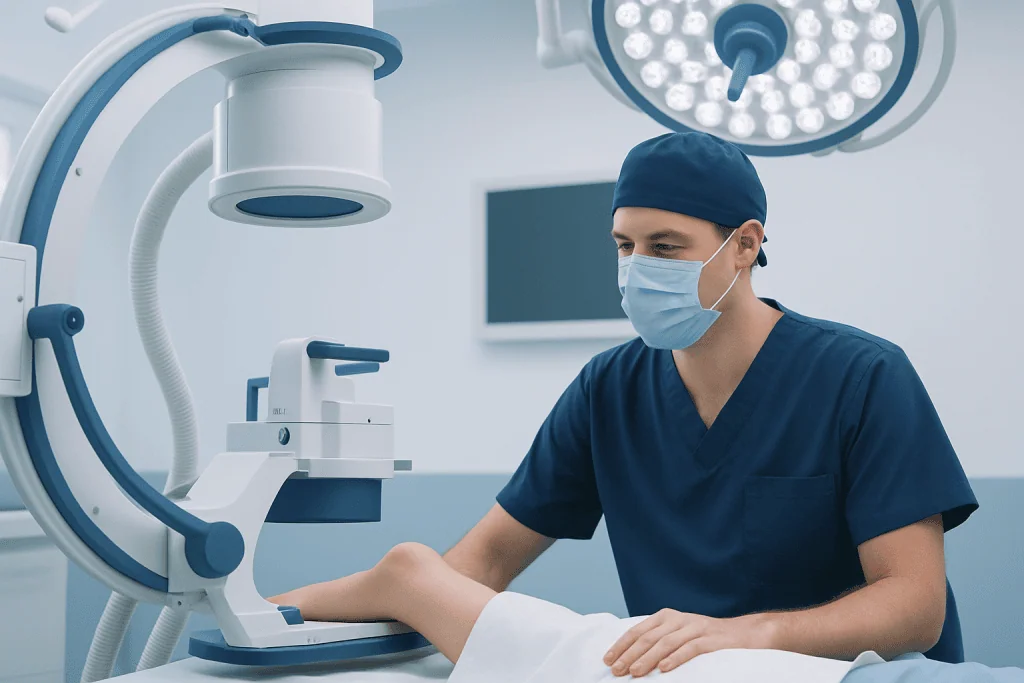
Pediatric orthopedic care covers a broad range of problems. These include fractures, sprains, hip conditions, limb differences, foot and ankle concerns, scoliosis, gait differences, sports injuries and infections involving bones or joints. Some conditions are identified before or soon after birth, while others become apparent as a child grows or becomes more active.
Examples include developmental dysplasia of the hip, clubfoot, in-toeing or out-toeing, flat feet, unequal limb length, bowed legs, knock knees, slipped capital femoral epiphysis and adolescent idiopathic scoliosis. A specialist may also work with children who have cerebral palsy, muscular conditions or other health issues that affect posture and movement.
Not every difference in walking or limb alignment represents a disorder. For example, mild in-toeing, bowing or flat feet can be normal during certain stages of development. A pediatric orthopedic surgeon considers the child’s age, symptoms, family history, examination findings and changes over time before recommending treatment.
- Acute injuries: fractures, dislocations, ligament injuries and growth-plate injuries
- Developmental conditions: hip dysplasia, clubfoot and limb alignment differences
- Spine concerns: scoliosis, kyphosis and back pain requiring assessment
- Overuse problems: stress injuries, tendon pain and sport-related joint symptoms
How an Orthopedic Assessment Works

An appointment usually begins with a detailed history. The clinician may ask when symptoms began, whether there was an injury, what activities worsen or improve the problem, whether pain disrupts sleep or school, and whether there is a family history of bone, joint or spine conditions. For younger children, parents or caregivers provide important observations about development and mobility.
The physical examination is adapted to the child’s age and comfort. It may include observing walking, running, posture and limb alignment; checking joint movement, strength and tenderness; and comparing both sides of the body. A gentle, child-centered approach can help reduce anxiety and allow a more accurate assessment.
Imaging is not always necessary. When it is needed, the doctor may request X-rays, ultrasound, magnetic resonance imaging (MRI) or computed tomography (CT), depending on the suspected condition. Blood tests may be appropriate when infection, inflammation or a metabolic bone problem is being considered. Results are interpreted alongside the clinical examination rather than in isolation.
After assessment, the specialist explains the likely diagnosis, what may happen without treatment, the available options and the expected follow-up. Families should feel able to ask about the purpose of each test or treatment, practical limitations, school and sports participation, and signs that should prompt earlier review.
Treatment Options: From Monitoring to Surgery
Treatment is individualized. Many children need observation only, with review visits to ensure that growth and function remain on track. Depending on the condition, non-surgical care may include activity modification, pain management advised by a clinician, physiotherapy, occupational therapy, stretching programs, casting, splints, braces or orthotic devices.
For fractures, treatment may involve a removable splint, cast or realignment of the bone before immobilization. Some fractures, particularly those involving a joint, growth plate or substantial displacement, may require a procedure to hold the bone in the correct position while it heals. Timely assessment is important because growing bones and growth plates require specific attention.
Surgery is considered when a condition is unlikely to improve sufficiently with non-surgical care, when there is progressive deformity, persistent pain or impaired function, or when an injury needs stabilization. Procedures may correct alignment, repair injured tissues, treat hip or foot conditions, manage spine curvature, or stabilize a fracture. The approach depends on the child’s diagnosis, age and expected remaining growth.
When a procedure is recommended, families can discuss the purpose of surgery, reasonable alternatives, anesthesia, expected restrictions, rehabilitation and follow-up. Pediatric orthopedic surgery may involve coordinated care from pediatric anesthesiologists, rehabilitation professionals, nurses and other specialists.
If Surgery Is Recommended: Candidacy, Steps and Recovery
A child may be a candidate for surgery when the expected benefits outweigh the risks and non-surgical options are not suitable or have not achieved the intended result. The decision is not based on an X-ray alone. It considers symptoms, daily function, progression of the condition, skeletal maturity, medical history and the child’s and family’s circumstances.
Before surgery, the team reviews medical history, medications, allergies and relevant imaging. Some children need preoperative blood tests or assessment by an anesthesiology team. Caregivers receive instructions about eating and drinking before anesthesia, arrival time, medicines and planning for transport and support after discharge.
On the day of the procedure, the child is checked in, prepared for anesthesia and monitored throughout surgery. The surgeon performs the planned repair, correction or stabilization using the least invasive approach appropriate for the condition. Following recovery from anesthesia, the child may go home the same day or remain in hospital, depending on the procedure and individual needs.
Recovery timelines vary widely. A simple injury procedure may allow gradual return to usual activities over weeks, while spine surgery or complex limb reconstruction can require a longer recovery and structured rehabilitation. Follow-up visits monitor wound healing, pain control, movement, bone healing and safe return to school, play and sports. The care team will provide specific guidance for each child.
Benefits, Risks and Supporting Recovery
The potential benefit of pediatric orthopedic treatment is improved comfort, stability, movement, alignment or ability to participate in everyday activities. For some conditions, early treatment may help protect joint development or prevent a problem from worsening. However, the expected benefit differs between diagnoses, and observation can be the best evidence-based option in many cases.
All procedures carry some risk. Possible surgical risks include bleeding, infection, blood clots, reactions to anesthesia, injury to nearby nerves or blood vessels, delayed healing, stiffness, ongoing pain and a need for further treatment. In growing children, the team also considers possible effects on the growth plate and future bone development. The surgeon explains which risks are most relevant to the planned procedure.
Caregivers can support recovery by following instructions for wound care, casts or braces, prescribed activity limits and follow-up appointments. Rehabilitation exercises should be completed as advised, without pushing a child beyond the limits provided by the care team. Good nutrition, sleep and a gradual return to activities can also support healing.
Contact the treating team promptly if there is worsening pain that is not controlled as advised, fever, new swelling, drainage from a wound, numbness, a pale or cold limb, trouble moving fingers or toes, or concerns about a cast or brace. These symptoms do not always indicate a serious complication, but they should be assessed promptly.
When to Seek Medical Care
A child should receive urgent medical evaluation after a significant injury, visible deformity, inability to use an arm or leg, inability to bear weight, severe pain, or a suspected fracture. Urgent assessment is also important for joint pain with fever, redness or swelling, as infection of a bone or joint needs prompt treatment.
A non-urgent appointment with a pediatrician or pediatric orthopedic surgeon may be helpful for persistent limping, repeated joint pain, back pain that does not improve, worsening spinal asymmetry, a noticeable difference in limb length, delayed walking, or concerns about feet or leg alignment. Parents and caregivers know their child’s usual movement best, and it is appropriate to seek advice when something seems persistently different.
Emergency care is appropriate if a child has a serious injury, uncontrolled bleeding, severe weakness, loss of sensation, a limb that becomes blue, pale or cold, or severe pain after a cast or splint is applied. If in doubt, caregivers should contact local emergency services or a qualified healthcare professional.
Acibadem International’s multidisciplinary specialists and JCI-accredited hospitals provide assessment and treatment for pediatric orthopedic conditions for international patients, with care plans coordinated around the child’s diagnosis and follow-up needs.
Frequently asked questions
What is the difference between a pediatric orthopedic surgeon and a general orthopedic surgeon?
A pediatric orthopedic surgeon has additional expertise in musculoskeletal conditions that occur in children and in the effects of growth on bones and joints. Both may treat orthopedic problems, but a pediatric specialist is particularly experienced with developmental conditions, growth plates and child-specific surgical planning.
Does every child referred to a pediatric orthopedic surgeon need surgery?
No. Most children seen by a pediatric orthopedic surgeon do not automatically need an operation. Observation, physiotherapy, casting, bracing, activity changes or reassurance may be appropriate, depending on the diagnosis.
Do children’s fractures heal faster than adult fractures?
Children’s bones often heal relatively quickly because they are still growing and have a good blood supply. Healing time still depends on the child’s age, the bone involved, the type of fracture and whether the growth plate is affected.
Can a pediatric orthopedic surgeon treat scoliosis?
Yes. Pediatric orthopedic surgeons commonly assess and manage scoliosis in children and adolescents. Care may involve monitoring, bracing or surgery, depending on the curve, growth remaining, symptoms and rate of progression.
What should parents bring to a pediatric orthopedic appointment?
It can be helpful to bring previous X-rays or scan reports, a list of medicines and allergies, relevant medical records and notes about symptoms or injury timing. Comfortable clothing that allows the legs, arms or spine to be examined may also be useful.
When can a child return to sports after orthopedic treatment?
Return to sport depends on the injury or procedure, healing progress, strength, movement and the specific sport. A treating clinician should confirm when it is safe to resume activity, usually through a gradual return plan rather than an immediate full return.
References
- American Academy of Orthopaedic Surgeons
- American Academy of Pediatrics
- Pediatric Orthopaedic Society of North America
- National Institute of Arthritis and Musculoskeletal and Skin Diseases
- World Health Organization
This article is for general information only and is not a substitute for professional medical advice. Please consult a qualified doctor about your individual situation.
Joint and spine care in Turkey — expert assessment & treatment
JCI-accredited · board-certified surgeons · reply within 24h
Add us as a Preferred Source to see more of our trusted health content across Google Search, AI Overviews and Discover.