Pediatric Sleepiness and Sudden Weakness: Could It Be Narcolepsy?

Narcolepsy in children is a brain-based sleep-wake disorder, not laziness or poor motivation. Common signs include excessive daytime sleepiness, unplanned naps, vivid dreams, sleep paralysis, and cataplexy.
Key Takeaways
- Narcolepsy in children is a brain-based sleep-wake disorder, not laziness or poor motivation.
- Common signs include excessive daytime sleepiness, unplanned naps, vivid dreams, sleep paralysis, and cataplexy.
- Symptoms are sometimes mistaken for ADHD, epilepsy, mood disorders, or insufficient sleep.
- Diagnosis often involves a sleep specialist, overnight sleep testing, and a daytime nap study.
- Treatment may include scheduled naps, school accommodations, healthy sleep habits, and medication when appropriate.
- Early support can improve safety, learning, mood, and quality of life.
Narcolepsy in children is a neurological sleep disorder that can cause overwhelming daytime sleepiness and, in some cases, brief episodes of sudden muscle weakness called cataplexy. Because symptoms may look like tiredness, behavior changes, or attention problems, a careful evaluation is important.
Overview
Narcolepsy in children is a long-term neurological sleep disorder that affects the brain’s ability to regulate sleep and wakefulness. A child with narcolepsy may feel very sleepy during the day even after what seems like a full night of sleep. Some children also have sudden episodes of muscle weakness triggered by strong emotions such as laughter, surprise, or excitement. This symptom is called cataplexy.
Narcolepsy is not simply being tired, bored, or unwilling to pay attention. It is a medical condition that can affect learning, mood, behavior, memory, and safety. In school-age children, symptoms may be mistaken for attention difficulties, lack of motivation, behavioral concerns, or another sleep problem. That is one reason diagnosis is sometimes delayed.
There are two main forms of narcolepsy. Type 1 narcolepsy includes cataplexy or low levels of a brain chemical called hypocretin, which helps maintain wakefulness. Type 2 narcolepsy causes similar daytime sleepiness but without cataplexy. Children may also have symptoms that overlap with other sleep conditions, so an expert assessment is important.
Symptoms of Narcolepsy in Children
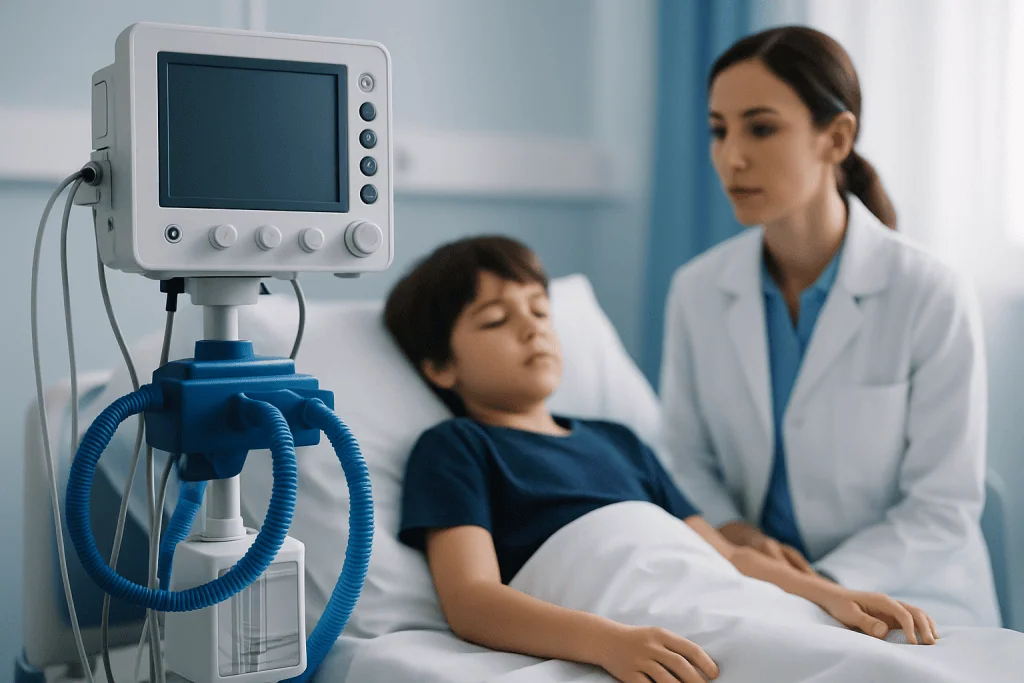
The most common symptom is excessive daytime sleepiness. A child may fall asleep in class, during meals, while watching television, or during short car rides. Some children do not fully fall asleep but appear unusually drowsy, irritable, unfocused, or “zoned out.” Younger children may become hyperactive rather than obviously sleepy, which can make the condition harder to recognize.
Cataplexy is another key symptom, especially in narcolepsy type 1. During an episode, the child remains conscious but may have brief weakness of the face, jaw, neck, arms, or legs. A child might suddenly slump, drop objects, have head bobbing, knee buckling, or facial drooping after laughter or excitement. These episodes can be subtle and are sometimes confused with fainting or seizures.
Other symptoms can include vivid dream-like experiences when falling asleep or waking up, called hallucinations, and temporary inability to move during the transition between sleep and wakefulness, known as sleep paralysis. Nighttime sleep may also be disrupted, with frequent awakenings, restless sleep, or automatic behaviors in which the child continues an activity with little awareness.
- Frequent daytime naps or irresistible sleep attacks
- Difficulty waking in the morning
- Memory, concentration, or school performance problems
- Mood changes, irritability, or social withdrawal
- Weight gain in some children after symptom onset
Causes and Risk Factors

Narcolepsy is related to problems in the brain systems that control sleep and wakefulness. In many children with narcolepsy type 1, there is a loss of nerve cells that produce hypocretin, also called orexin. This chemical helps keep a person awake and supports stable transitions between sleep and wake states. When hypocretin is deficient, REM sleep features such as dreaming or muscle weakness can intrude into wakefulness.
The exact reason this happens is not always clear, but many experts believe narcolepsy type 1 may involve an autoimmune process in genetically susceptible people. This means the immune system may mistakenly damage hypocretin-producing cells. A family history is uncommon but can increase risk, and certain infections or immune triggers have been studied as possible contributing factors.
Narcolepsy is not caused by poor parenting, laziness, or too much screen time, although insufficient sleep can worsen symptoms. It is also different from common sleep deprivation. Other conditions can cause daytime sleepiness as well, including sleep apnea, depression, circadian rhythm disorders, medication effects, and certain neurological conditions. A careful evaluation helps identify the true cause.
How Narcolepsy Is Diagnosed
Diagnosis begins with a detailed history from the child and caregivers. The doctor will ask about daytime sleepiness, naps, nighttime sleep, episodes of weakness, school concerns, mood, medications, and family history. Because symptoms can overlap with other conditions, the evaluation often includes screening for sleep deprivation, epilepsy, mood disorders, and attention problems.
A sleep diary and actigraphy, which tracks sleep patterns through a wearable device, may be used before formal testing. The main laboratory tests usually include overnight polysomnography, a sleep study that monitors breathing, brain waves, movement, and heart rhythm, followed the next day by a multiple sleep latency test. This daytime nap study measures how quickly the child falls asleep and whether REM sleep appears unusually early.
In selected cases, additional tests may be considered, such as blood work, HLA typing, or measurement of cerebrospinal fluid hypocretin. The diagnosis should be made by a qualified specialist, often in sleep medicine and disorders or pediatric neurology. Early diagnosis can reduce confusion for families and help children receive timely support at home and at school.
Treatment Options
There is no single cure that permanently removes narcolepsy, but treatment can greatly improve daily functioning. Care is individualized based on the child’s age, symptoms, school demands, and overall health. The main goals are to reduce daytime sleepiness, manage cataplexy if present, improve nighttime sleep quality, and support emotional well-being and safety.
Many children benefit from a combination of non-drug and drug treatments. Scheduled short naps during the day may improve alertness. Regular sleep and wake times, a calm bedtime routine, and avoiding sleep deprivation are also important. When symptoms are significant, a doctor may prescribe medication to promote wakefulness or reduce cataplexy and REM-related symptoms. Medication choices require careful follow-up because children respond differently and may need dose adjustments over time.
School accommodations can make a major difference. These may include planned nap breaks, extra time for assignments or tests, seating that helps the child stay engaged, and communication between parents, teachers, and clinicians. If cataplexy or other neurological symptoms need broader evaluation, care may also involve pediatric neurology or neurology specialists. Treatment works best when it addresses both medical symptoms and the child’s daily routine.
Prevention, Self-care, and Daily Support
Narcolepsy itself usually cannot be prevented, but symptoms can often be managed more effectively with good daily habits. Consistent sleep schedules are especially important. Children should aim for age-appropriate sleep every night, because sleep loss can make daytime symptoms more noticeable. Families can help by keeping a predictable bedtime and limiting stimulating activities close to sleep.
Healthy self-care also includes regular physical activity, balanced meals, and monitoring for weight changes or mood difficulties. Some children feel embarrassed or misunderstood because they fall asleep in public or seem inattentive. Calm explanation and support from adults can reduce shame and help others understand that narcolepsy is a medical condition.
Safety planning is another key part of care. Older children and teenagers may need guidance about activities such as swimming, climbing, biking in traffic, or later, driving when they reach legal age. At the end of the care journey, some families seek multidisciplinary support; Acibadem International’s specialists in sleep medicine and pediatric neurology at JCI-accredited hospitals evaluate and treat children with narcolepsy and related sleep disorders for international patients.
When to See a Doctor
A child should be evaluated if daytime sleepiness is frequent, unexplained, or affecting school, mood, or safety. Repeated falling asleep in class, naps that seem hard to resist, and unusual weakness during laughter or excitement deserve medical attention. Parents should also seek help if the child reports vivid dream-like experiences at sleep onset, sleep paralysis, or fragmented nighttime sleep.
Prompt medical review is especially important if symptoms start suddenly, if there are episodes that may resemble seizures or fainting, or if sleepiness occurs along with snoring, pauses in breathing, or major behavioral changes. Because several conditions can look similar, a professional evaluation helps avoid missed or delayed diagnosis.
Families do not need to manage these symptoms alone. A pediatrician can begin the assessment and refer the child to a sleep specialist or pediatric neurologist when needed. Earlier diagnosis and treatment can improve learning, confidence, and everyday quality of life.
Frequently asked questions
What is narcolepsy in children?
Narcolepsy in children is a neurological sleep disorder that disrupts the brain’s control of sleep and wakefulness. It often causes excessive daytime sleepiness and may also cause cataplexy, vivid dreams around sleep, and sleep paralysis.
At what age can narcolepsy begin?
Narcolepsy can begin in childhood, the teen years, or adulthood. In some children, symptoms start gradually and may go unrecognized for a long time because they are mistaken for behavior, attention, or sleep habit problems.
How is cataplexy different from a seizure?
Cataplexy causes sudden, brief muscle weakness while the child remains conscious, often after laughter or strong emotion. Seizures can involve altered awareness, unusual movements, or confusion afterward, so a doctor should evaluate any unclear episode carefully.
Can narcolepsy be mistaken for ADHD or depression?
Yes. Sleepy children may seem inattentive, restless, moody, or unmotivated, which can resemble ADHD, depression, or anxiety. That is why sleep history and proper testing are important when symptoms persist.
Is there a cure for pediatric narcolepsy?
There is no permanent cure at present, but symptoms can often be managed very well. Treatment may include regular sleep schedules, planned naps, school support, and medications chosen by a qualified doctor.
Will my child always need treatment?
Many children need long-term follow-up because narcolepsy is usually a chronic condition. Treatment plans can change over time depending on age, school needs, symptom severity, and response to lifestyle measures or medication.
References
- American Academy of Sleep Medicine
- National Institute of Neurological Disorders and Stroke
- National Heart, Lung, and Blood Institute
- American Academy of Pediatrics
- Mayo Clinic
This article is for general information only and is not a substitute for professional medical advice. Please consult a qualified doctor about your individual situation.
Narcolepsy in Turkey — costs, top hospitals & a free quote
JCI-accredited · board-certified surgeons · reply within 24h
Add us as a Preferred Source to see more of our trusted health content across Google Search, AI Overviews and Discover.