

Pediatric Yeast Infection Treatment: How It Works, Results and What to Expect

Yeast infections in children can affect the diaper area, skin folds, mouth or, less commonly, the genital area. A clinician may recommend a topical antifungal medicine; oral treatment is reserved for selected situations.
Key Takeaways
- Yeast infections in children can affect the diaper area, skin folds, mouth or, less commonly, the genital area.
- A clinician may recommend a topical antifungal medicine; oral treatment is reserved for selected situations.
- Symptoms should gradually improve after treatment starts, but complete clearing may take longer than the first signs of relief.
- Persistent, recurrent or severe symptoms need medical review because eczema, irritation, bacterial infection and other conditions may resemble yeast infection.
- Avoid using adult vaginal products or home remedies in children unless a qualified clinician specifically recommends them.
Pediatric yeast infection treatment usually involves confirming the cause of symptoms, using an age-appropriate antifungal medicine when needed, and protecting irritated skin from moisture and friction. Most children improve with the right treatment, but a clinician should assess genital symptoms in prepubertal children because several conditions can look similar to a yeast infection.
Pediatric yeast infection treatment: how it works
Pediatric yeast infection treatment targets an overgrowth of Candida, a yeast that normally lives on the skin and in the body without causing problems. Treatment is selected according to the child’s age, the location of the infection and the severity of symptoms. In many cases, a clinician recommends an antifungal cream or ointment for skin or diaper-area infections, along with measures that keep the area clean and dry.
For oral thrush, a healthcare professional may prescribe an antifungal medicine designed for the mouth. For genital itching or discharge in a prepubertal child, it is especially important not to assume yeast is the cause. Irritant vulvovaginitis, dermatitis, threadworms, bacterial infections and other concerns can produce similar symptoms, so an examination may be needed before treatment.
The goal is not only to reduce yeast but also to restore the skin barrier. Frequent diaper changes, gentle cleansing and avoiding fragranced products can reduce irritation while medicine works. Families should use treatment exactly as advised and complete the recommended course, even if the child appears more comfortable sooner.
Who may need assessment before treatment
Babies commonly develop yeast-related diaper rash after prolonged skin moisture, diarrhea, antibiotic use or irritation from a diaper. The rash may be bright red, affect skin folds and have small separate red spots around the main rash. Oral thrush may appear as creamy white patches in the mouth that do not wipe away easily.
Older children can also develop yeast in warm, moist skin folds. However, a vaginal yeast infection is less common before puberty than many parents expect. A child with genital redness, itching, pain when urinating, odor, discharge, bleeding or repeated symptoms should be evaluated by a pediatrician or another qualified clinician rather than treated with over-the-counter adult products.
Medical assessment is particularly important for children with a weakened immune system, diabetes, frequent antibiotic exposure, significant eczema or repeated infections. These factors do not always mean there is a serious problem, but they can affect the choice of treatment and whether additional evaluation is useful.
What happens during pediatric yeast infection treatment
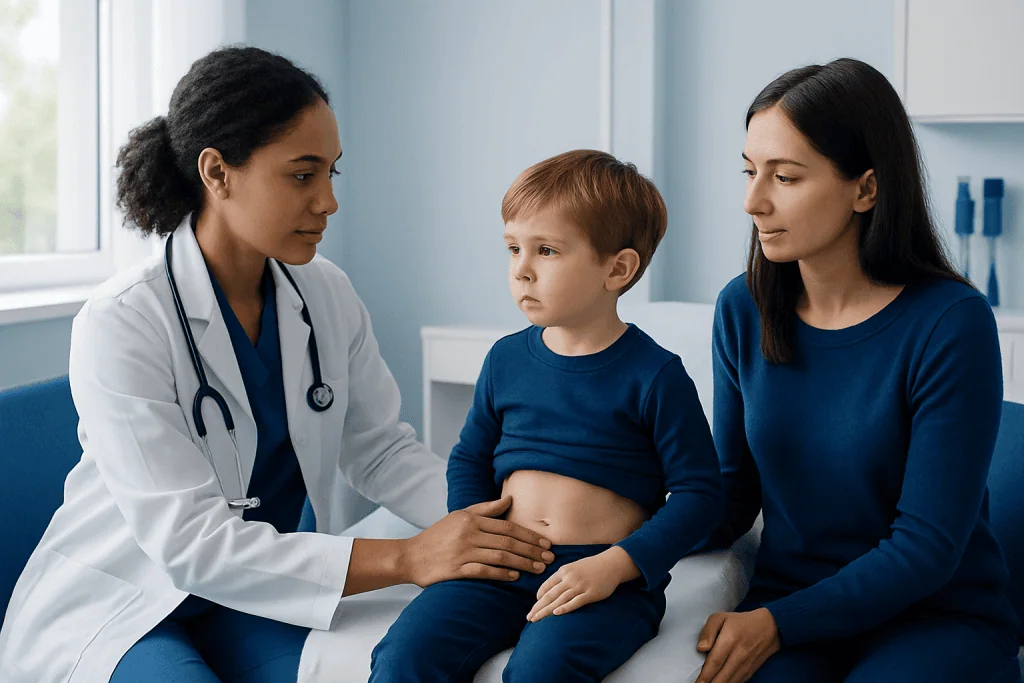
There is usually no procedure in the surgical sense. The first step is a clinical history and examination. A clinician may ask when symptoms started, whether the child has recently taken antibiotics, what skin products are used and whether there are feeding, urination or bowel symptoms. In straightforward cases, the appearance and location of the rash may be enough to guide care.
If the diagnosis is uncertain, the clinician may examine the skin, mouth or genital area carefully and may take a sample in selected cases. This can help distinguish yeast from bacterial infection, contact dermatitis, psoriasis, lichen sclerosus or other causes of inflammation. The examination should always be age-appropriate and explained to the parent and child.
Once yeast is considered likely, treatment may include a topical antifungal applied to clean, dry skin as directed. A barrier ointment may also be advised for diaper-area irritation. Oral antifungal medication may be considered for certain cases, such as more extensive oral thrush or infections that have not responded to local treatment. The prescribing clinician will determine the safest medicine and duration for the child.
Parents should not use leftover prescriptions, scented wipes, douches, talcum powder, essential oils or adult intravaginal antifungal products for a child unless specifically instructed. These products can irritate sensitive tissue, delay correct diagnosis or be unsuitable for the child’s age.
How to tell if yeast infection treatment is working?
The earliest sign that pediatric yeast infection treatment is working is usually less discomfort. A baby may seem less upset during diaper changes or feeds, while an older child may report less itching, burning or soreness. Redness and raised spots should begin to fade gradually rather than spreading.
Improvement is not always immediate. Skin that has been inflamed can remain pink or tender for a short time after the yeast burden starts to decrease. For diaper-area infections, the skin often heals more effectively when antifungal treatment is combined with frequent diaper changes, time out of diapers when practical and a protective barrier recommended by the clinician.
Contact the child’s clinician if symptoms are getting worse, new blisters or open sores develop, fever occurs, the child is in significant pain, or there is no clear improvement within the timeframe the clinician provided. A lack of response can mean the diagnosis needs to be reconsidered, treatment needs adjustment or another condition is present.
What to expect after yeast infection treatment?
After treatment begins, symptoms should generally settle in stages: discomfort often improves first, followed by decreasing redness and gradual healing of the skin or mouth lining. It is important to continue the prescribed or recommended treatment for the full advised duration. Stopping too early may allow symptoms to return.
Some children have temporary sensitive or dry skin after a diaper rash resolves. Gentle, fragrance-free skin care and avoiding unnecessary rubbing can support recovery. If a child has oral thrush, feeding equipment, pacifiers and items that regularly enter the mouth should be cleaned according to the clinician’s guidance to reduce the chance of reinfection.
Recurrence does not mean a parent has done anything wrong. It may follow another course of antibiotics, ongoing moisture, skin sensitivity or an underlying health factor. Repeated episodes should be discussed with a pediatric clinician, who can review possible triggers and ensure that yeast is truly the cause of the symptoms.
How can I treat a yeast infection in my 4-year-old daughter?
A 4-year-old with genital itching, redness, discharge or discomfort should be assessed by a pediatrician before treatment is started. True vaginal yeast infection is not the most common cause of these symptoms before puberty. Irritation from soap, bubble baths, tight clothing, poor wiping habits, pinworms and skin conditions are among the possible alternatives.
Until she is assessed, gentle care can help reduce irritation. The genital area can be rinsed with lukewarm water, patted dry and kept free from fragranced soaps, bubble baths, sprays and wipes. Loose cotton underwear and changing out of wet clothing promptly may also be helpful. Parents should avoid giving oral antifungals or using adult vaginal creams unless a clinician has advised a specific product and plan.
If yeast is confirmed, the clinician will recommend an age-appropriate treatment and explain how to use it. Prompt care is warranted if there is pain, fever, bleeding, urinary difficulty, foul-smelling discharge, abdominal pain, injury concerns or a child who appears unwell.
How long does it take to get rid of a baby yeast infection?
With the correct treatment and careful diaper-area care, many babies show some improvement within a few days. Complete healing can take longer, especially if the rash was extensive, the skin is broken or the area remains frequently moist. The exact timeline depends on the location of the infection, the medicine used and whether another rash condition is also present.
Parents should follow the treatment duration advised by the child’s clinician rather than stopping as soon as redness decreases. Changing diapers promptly, allowing short periods without a diaper when safe and practical, and applying a clinician-recommended barrier product can help protect healing skin.
If the rash is not improving as expected, spreads beyond the diaper area, develops pus, crusting or sores, or is accompanied by fever or poor feeding, the baby should be reviewed. These signs may indicate a different or additional problem requiring another approach.
When to seek medical care
Parents should seek medical advice for a first suspected yeast infection in a young child, especially when symptoms affect the genital area. A clinician can confirm whether yeast is likely and recommend a medicine that is appropriate for the child’s age and medical history. This is also the safest approach when symptoms are recurrent or have not improved with previously advised care.
Urgent medical assessment is appropriate if the child has fever, severe pain, rapidly spreading redness, swelling, blisters, open sores, pus, difficulty urinating, dehydration, poor feeding or unusual sleepiness. Parents should also seek prompt advice for bleeding, abdominal pain or genital discharge with a strong odor.
Acibadem International’s multidisciplinary specialists and JCI-accredited hospitals can assess skin, oral and genital symptoms in children and coordinate appropriate care for international patients. A pediatric consultation can help families understand the likely cause, treatment plan and follow-up needs without relying on self-diagnosis.
Frequently asked questions
Can pediatric yeast infection treatment be bought over the counter?
Some antifungal products are available without prescription in some countries, but suitability depends on the child’s age and where the symptoms are located. Parents should seek clinical advice before treating genital symptoms in a prepubertal child or using adult vaginal products. A clinician can also confirm that yeast, rather than another condition, is causing the symptoms.
Are antibiotics a cause of yeast infections in children?
Antibiotics can sometimes increase the chance of yeast overgrowth because they alter the balance of normal bacteria. This may contribute to diaper-area rash, oral thrush or skin-fold irritation in some children. Antibiotics should not be stopped without speaking to the prescribing clinician.
Can a diaper rash be mistaken for a yeast infection?
Yes. Irritant diaper dermatitis, eczema, bacterial infection and allergic reactions can resemble yeast rash. Yeast-related rash often involves the skin folds and may have small red spots around the edges, but appearance alone is not always enough for a certain diagnosis. Medical review is helpful if the rash is severe, persistent or unusual.
Should parents treat both mother and baby for oral thrush?
If a breastfeeding baby has oral thrush, the breastfeeding parent may also need assessment, particularly if there is nipple pain, redness or itching. Treatment decisions should be made by the relevant healthcare professionals, as both parent and baby may need coordinated care. Cleaning and hygiene advice may also be provided.
Can yeast infections in children be prevented?
Not every infection can be prevented, but reducing prolonged moisture and skin irritation can help. Frequent diaper changes, gentle fragrance-free products, breathable clothing and changing wet clothes promptly are useful measures. Parents can also discuss prevention strategies if infections recur after antibiotics or alongside eczema.
When should recurrent yeast infections be investigated?
A child should be reviewed when infections keep returning, do not respond to appropriate treatment or occur with other concerning symptoms. The clinician may check whether the diagnosis is correct and consider factors such as skin disease, medication exposure, diabetes or immune health when relevant. Most recurrent symptoms still have manageable explanations, but assessment helps guide safe care.
References
- American Academy of Pediatrics
- Centers for Disease Control and Prevention
- National Health Service
- Mayo Clinic
- Merck Manual Consumer Version
This article is for general information only and is not a substitute for professional medical advice. Please consult a qualified doctor about your individual situation.
Explore treatments in Turkey — costs, top hospitals & a free quote
JCI-accredited · board-certified surgeons · reply within 24h
Add us as a Preferred Source to see more of our trusted health content across Google Search, AI Overviews and Discover.

More from the Health Library



Related Specialists

Dr. Burcu Duran Tak
Family Medicine
Dr. Faruk Batur
Inpatient Clinic Physicians
Assoc. Prof. Dr. Aras Şenvar
Otorhinolaryngology
Dr. Mehmet Bilhan Hayırlıoğlu
Anesthesiology