Pelvic Floor: An Evidence-Based Guide for Patients

The pelvic floor supports pelvic organs and helps control bladder and bowel function. Pelvic floor problems can involve weakness, over-tightness, pain, or poor muscle coordination.
Key Takeaways
- The pelvic floor supports pelvic organs and helps control bladder and bowel function.
- Pelvic floor problems can involve weakness, over-tightness, pain, or poor muscle coordination.
- Common symptoms include urine leakage, urgency, constipation, pelvic pressure, and pain during sex.
- Diagnosis is based on medical history, physical examination, and selected tests when needed.
- Treatment often includes pelvic floor physical therapy, bladder or bowel habit changes, and condition-specific medical care.
- People should seek medical advice if symptoms persist, worsen, or affect daily life.
The pelvic floor is a group of muscles and connective tissues that supports the bladder, bowel, and reproductive organs while helping with urination, bowel movements, and sexual function. When these muscles become weak, tight, or poorly coordinated, symptoms such as leakage, pressure, constipation, or pelvic pain can develop, but effective evaluation and treatment are available.
What the pelvic floor is and why it matters
The pelvic floor is a hammock-like layer of muscles, ligaments, and connective tissues at the base of the pelvis. These structures support the bladder, bowel, and, in women, the uterus and vagina; in men, they help support the bladder and bowel and contribute to sexual function. The pelvic floor also works with the abdominal muscles, diaphragm, and back muscles to help stabilize the body.
When people ask about the pelvic floor, they are often really asking why they have symptoms such as leakage, urgency, constipation, pelvic heaviness, or pain. In simple terms, pelvic floor dysfunction happens when the muscles are not doing their job properly. They may be too weak to provide support, too tight to relax, or poorly coordinated, meaning they tighten when they should relax or relax when they should tighten.
Pelvic floor concerns are common and can affect women, men, and children, although the pattern of symptoms differs by age, anatomy, and life events such as pregnancy, childbirth, surgery, or aging. The good news is that many pelvic floor problems improve with a careful diagnosis and a personalized treatment plan rather than a one-size-fits-all approach.
How pelvic floor problems can feel
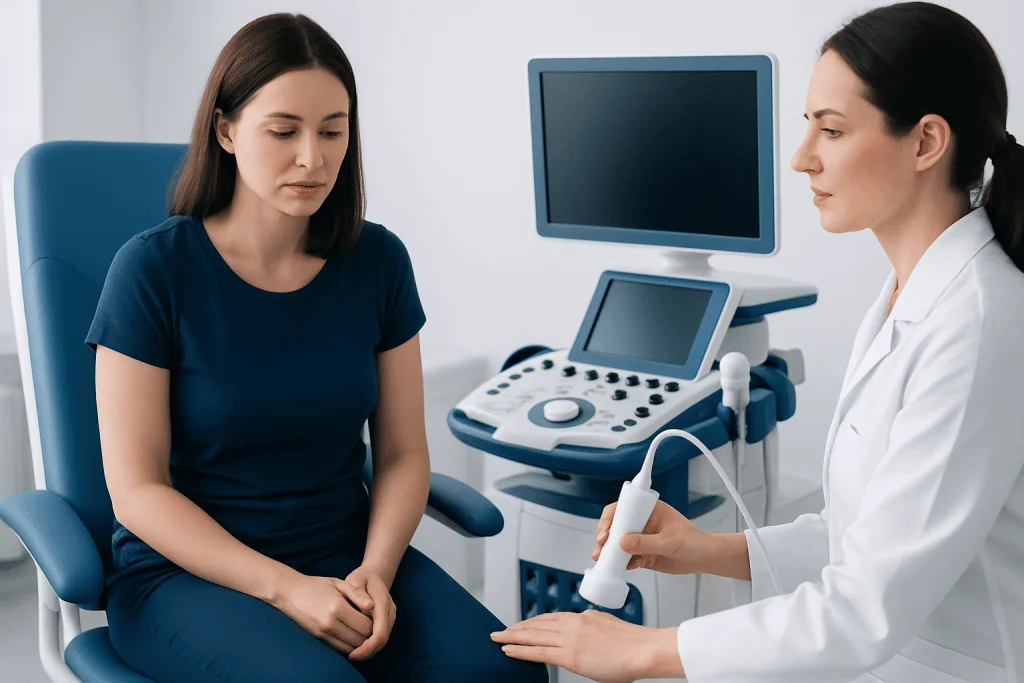
Pelvic floor symptoms vary widely. Some people mainly notice bladder symptoms, while others have bowel problems, discomfort, or a sense of pressure in the pelvis. Symptoms may develop gradually or become more noticeable after childbirth, menopause, prostate treatment, chronic constipation, or repeated heavy lifting.
Common urinary symptoms include leaking urine with coughing, sneezing, laughing, or exercise; sudden urgency; frequent urination; difficulty starting the urine stream; or a feeling of incomplete emptying. In some people, the pelvic floor is involved in urinary incontinence, although leakage can also have other causes that a clinician will consider.
Bowel-related symptoms can include constipation, straining, difficulty passing stool, accidental leakage of stool, or a sensation that the rectum does not empty fully. Some people need to change position, support the perineum, or press around the vagina or rectum to help a bowel movement, which can suggest a coordination problem or pelvic organ support issue.
Other symptoms may include pelvic pressure or a bulge sensation, lower pelvic aching, pain during sex, pain after sex, or discomfort with sitting. Men may notice pelvic pain, urinary symptoms, or sexual symptoms related to overactive or tense pelvic floor muscles. Because these symptoms overlap with bladder, bowel, gynecologic, urologic, and musculoskeletal conditions, proper evaluation matters.
Why pelvic floor dysfunction happens
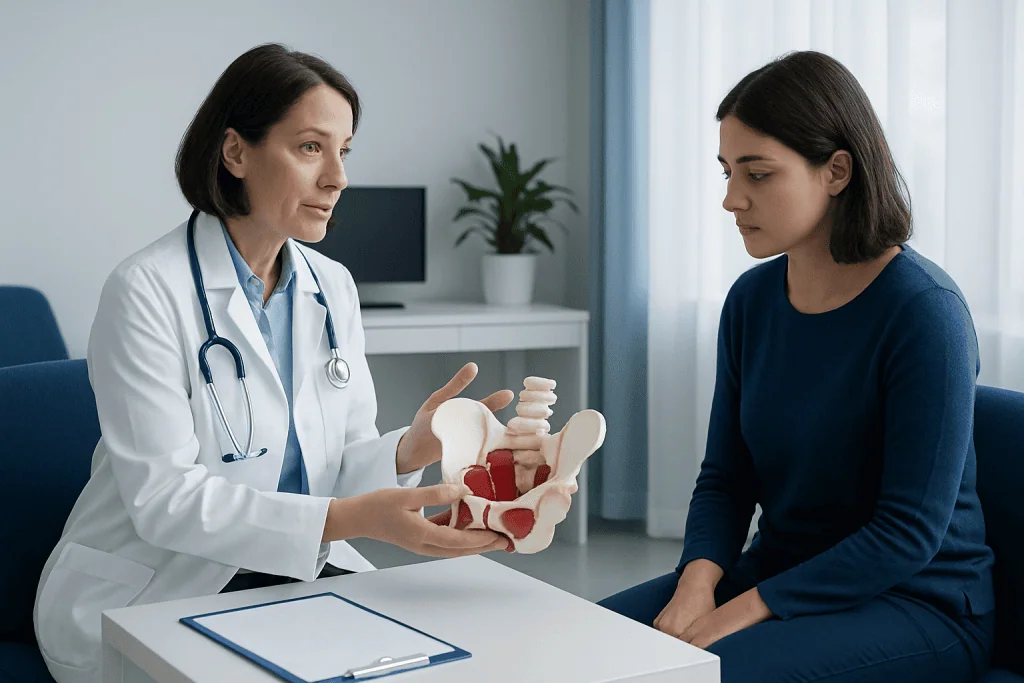
Pelvic floor dysfunction is not a single disease with one cause. It is better understood as a pattern of muscle and support problems that can result from several factors acting alone or together. Some people have primarily weak support tissues, while others have muscle overactivity, scar-related restriction, or impaired nerve and muscle coordination.
Important risk factors include pregnancy and vaginal delivery, especially when the pelvic tissues have been stretched or injured; menopause and age-related tissue changes; chronic constipation and straining; obesity; repeated heavy lifting; chronic coughing; pelvic surgery; and high-impact exercise. In men, prostate surgery or chronic pelvic pain syndromes may contribute to pelvic floor symptoms.
Conditions that place extra pressure on the pelvic floor can also play a role. For example, chronic constipation or recurrent straining can worsen pelvic floor dysfunction over time. A feeling of vaginal bulge or heaviness may be related to pelvic organ prolapse, which can occur alongside muscle weakness. Ongoing pain can be related to tight, tender muscles, previous injury, or irritation in nearby structures such as the bladder, bowel, hips, or spine.
It is also important to know that symptoms are real even when routine imaging looks normal. Pelvic floor function depends on timing and coordination, not just structure. This is one reason symptom history and physical examination are so valuable.
How doctors diagnose pelvic floor conditions
Diagnosis starts with a detailed history. A doctor will ask about bladder and bowel habits, leakage, urgency, pain, sexual symptoms, childbirth history, prior surgeries, medications, fluid intake, and how symptoms affect daily life. Symptom patterns often provide important clues about whether the main issue is weakness, overactivity, prolapse, nerve involvement, or another condition.
A physical examination may include inspection of the abdomen, hips, lower back, and pelvic area. The clinician may assess muscle strength, tenderness, coordination, and whether the muscles can relax appropriately. In women, a pelvic exam may check for support problems or tissue changes. In men, an exam may focus on the pelvic floor, prostate region, and related structures when relevant.
Additional tests are sometimes used, depending on the symptoms. These may include a urine test, bladder diary, post-void residual measurement, ultrasound, defecation studies, or specialized bladder testing. If there is concern about urinary leakage or pelvic support problems, the doctor may also evaluate for bladder control problems or prolapse more specifically.
Because pelvic floor symptoms can overlap with infection, neurological disease, irritable bowel conditions, endometriosis, or structural problems, the goal is not simply to label symptoms but to identify the main drivers and build a targeted care plan.
Treatment options for pelvic floor dysfunction
Treatment depends on the type of dysfunction. Weak pelvic floor muscles may benefit from strengthening and support strategies, while tight or painful muscles often need relaxation, stretching, breathing work, and retraining before strengthening is introduced. This is why starting unsupervised exercises is not always the best first step, especially if symptoms include pain, constipation, or difficulty emptying the bladder.
Pelvic floor physical therapy is a central treatment for many patients. A specially trained therapist can teach muscle awareness, relaxation, coordination, strengthening, posture, breathing, bladder retraining, and bowel-emptying strategies. When appropriate, patients may be referred for pelvic floor physical therapy to improve daily function and reduce symptoms safely.
Medical treatment may also include managing constipation, treating cough, adjusting fluid and bladder habits, addressing menopause-related tissue changes, or using medications for urgency, pain, or bowel symptoms when appropriate. Some patients with significant support problems or persistent leakage may need devices, procedures, or surgery. For selected cases, doctors may discuss options such as urogynecologic evaluation and treatment or urinary incontinence treatment as part of a broader care plan.
If there is substantial prolapse, advanced incontinence, or a structural defect that does not improve with conservative care, surgical treatment may be considered. Surgery is usually tailored to the exact problem and is often combined with rehabilitation and long-term self-care to support lasting improvement.
Self-care, exercise, and prevention
Self-care can make a meaningful difference, but it works best when matched to the person’s specific pattern of symptoms. Healthy bladder and bowel habits are an important foundation. This includes avoiding habitual straining, treating constipation early, staying physically active, and discussing chronic cough or other pressure-increasing conditions with a doctor.
Many people have heard of Kegel exercises, but not every pelvic floor problem should be treated with repeated squeezing. If the muscles are tight, painful, or uncoordinated, extra tightening can worsen symptoms. A clinician or pelvic floor therapist can show whether the person needs strengthening, relaxation, or both in sequence.
Helpful lifestyle measures may include:
- Using good toilet posture and not delaying bowel movements for long periods
- Maintaining a fiber-rich eating pattern and adequate hydration, unless a doctor advises otherwise
- Managing body weight when appropriate
- Learning to exhale during lifting and avoiding unnecessary strain
- Building core and hip strength under guidance if symptoms are exercise-related
- Returning gradually to impact exercise after childbirth or surgery
Prevention is not always possible, especially when life events such as pregnancy or aging change pelvic tissues. Even so, early attention to symptoms often prevents small problems from becoming more disruptive over time.
When to seek medical care
People should seek medical care if pelvic floor symptoms last more than a few weeks, interfere with daily activities, disturb sleep, affect exercise or sexual function, or cause embarrassment that leads them to limit normal life. Leakage, constipation, pelvic pressure, and pain are common reasons to speak with a qualified clinician.
Prompt evaluation is especially important if there is blood in the urine or stool, recurrent urinary tract infections, a new visible bulge, sudden inability to pass urine or stool, severe pelvic pain, unexplained weight loss, or neurological symptoms such as leg weakness or numbness. These symptoms do not always mean a serious condition, but they should not be ignored.
During pregnancy or after childbirth, it is reasonable to mention leakage, heaviness, or pelvic pain early rather than waiting for symptoms to settle on their own. The same is true after pelvic or prostate surgery. Timely support often leads to simpler and more effective treatment.
For international patients who need coordinated assessment, Acibadem International’s multidisciplinary specialists and JCI-accredited hospitals diagnose and treat pelvic floor conditions using individualized plans that may include rehabilitation, urogynecology, urology, colorectal, and imaging support.
Frequently asked questions
What does the pelvic floor do?
The pelvic floor supports the bladder, bowel, and reproductive organs and helps control urination and bowel movements. It also contributes to core stability and sexual function. When these muscles do not work well, symptoms such as leakage, constipation, pressure, or pain can occur.
Can pelvic floor problems happen to men?
Yes. Men can develop pelvic floor dysfunction, especially if they have chronic pelvic pain, urinary symptoms, constipation, or a history of prostate treatment or surgery. Tight or poorly coordinated pelvic floor muscles can affect bladder, bowel, and sexual function in men as well as women.
Are Kegel exercises always helpful?
Not always. Kegels can help when the pelvic floor is weak, but they may worsen symptoms if the muscles are already too tight or painful. A proper assessment helps determine whether strengthening, relaxation, or coordinated retraining is the best approach.
Can pelvic floor dysfunction cause constipation?
Yes. Some people have difficulty relaxing the pelvic floor during a bowel movement, which can lead to straining, incomplete emptying, or chronic constipation symptoms. Treatment often includes bowel habit changes and pelvic floor therapy focused on coordination rather than strength alone.
Does pelvic floor dysfunction go away on its own?
Sometimes mild symptoms improve, especially if they are linked to temporary strain or recent childbirth recovery. However, persistent symptoms often need targeted treatment to improve fully. Early assessment can help prevent ongoing discomfort and reduce the chance of worsening problems.
When should someone see a doctor for pelvic floor symptoms?
A doctor should be consulted if symptoms are persistent, bothersome, or affecting work, sleep, exercise, intimacy, or emotional well-being. Medical care is also important for severe pain, blood in urine or stool, frequent infections, a new bulge, or difficulty emptying the bladder or bowel.
References
- National Institute of Diabetes and Digestive and Kidney Diseases
- American College of Obstetricians and Gynecologists
- International Continence Society
- National Health Service
- Mayo Clinic
This article is for general information only and is not a substitute for professional medical advice. Please consult a qualified doctor about your individual situation.
Persistent digestive symptoms? Get evaluated in Turkey
JCI-accredited · board-certified surgeons · reply within 24h
Add us as a Preferred Source to see more of our trusted health content across Google Search, AI Overviews and Discover.