Pelvic Floor Dysfunction: An Evidence-Based Guide for Patients

Pelvic floor dysfunction affects muscle coordination, strength, or relaxation in the pelvis. Symptoms may involve urination, bowel movements, pelvic pressure, pain, or sexual discomfort.
Key Takeaways
- Pelvic floor dysfunction affects muscle coordination, strength, or relaxation in the pelvis.
- Symptoms may involve urination, bowel movements, pelvic pressure, pain, or sexual discomfort.
- The condition is diagnosed with history, physical examination, and sometimes specialized testing.
- Treatment often includes pelvic floor physical therapy, bladder or bowel habit changes, and symptom-specific care.
- Early medical evaluation can help rule out other conditions and guide effective treatment.
Pelvic floor dysfunction is a problem with how the muscles and connective tissues that support the bladder, bowel, and reproductive organs tighten, relax, or coordinate. It can lead to urinary, bowel, sexual, or pain symptoms, but many people improve with an accurate diagnosis and targeted treatment.
Overview: what pelvic floor dysfunction means
Pelvic floor dysfunction is a broad term for problems involving the muscles, ligaments, and connective tissues at the bottom of the pelvis. These structures help support the bladder, bowel, and reproductive organs, and they also play a key role in urination, bowel movements, sexual function, and core stability. When these muscles are too tight, too weak, poorly coordinated, or not relaxing at the right time, symptoms can develop.
This condition is not a single disease. Instead, it describes a functional problem that may show up in different ways from person to person. Some people mainly notice urine leakage or trouble emptying the bladder. Others have constipation, pelvic pain, pressure, or discomfort during sex. For that reason, pelvic floor dysfunction is best understood as a group of related patterns rather than one fixed disorder.
Pelvic floor dysfunction can affect women and men, although the causes and symptom patterns may differ. It is also common after pregnancy, childbirth, pelvic surgery, chronic straining, or ongoing pain conditions. The reassuring point is that many cases respond well to conservative care, especially pelvic floor physical therapy and treatment tailored to the person’s main symptoms.
Common symptoms and how they may feel
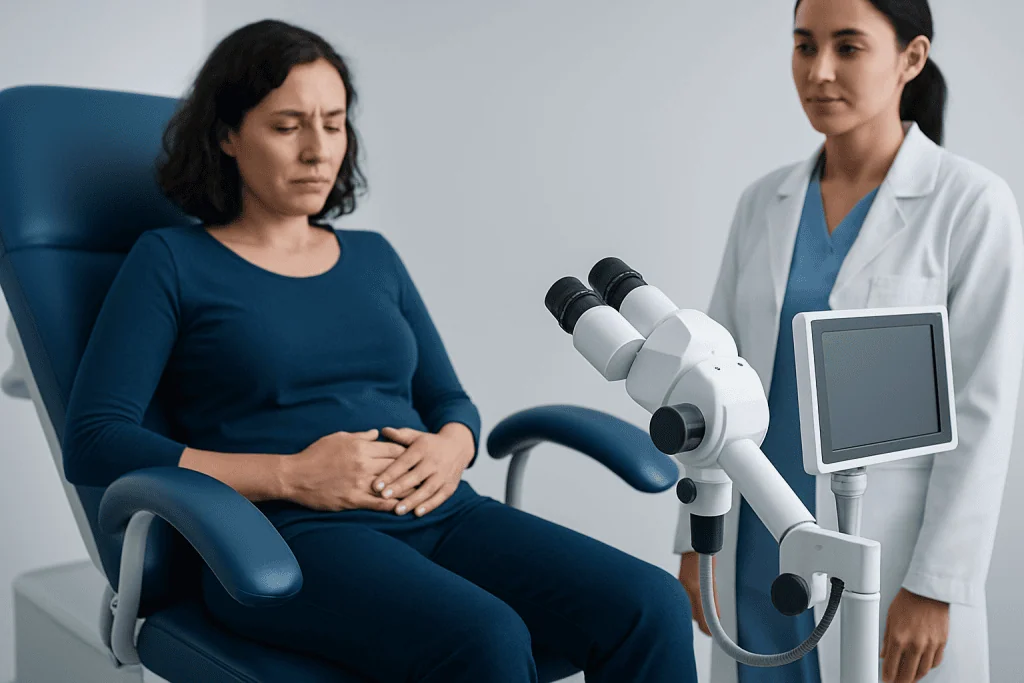
Symptoms of pelvic floor dysfunction can involve the bladder, bowels, pelvis, lower back, and sexual health. Some people have only one symptom, while others experience several at the same time. Symptoms may come and go, or they may gradually become more noticeable during exercise, after long periods of standing, or during times of stress.
Urinary symptoms may include leakage with coughing or exercise, a sudden strong urge to urinate, frequent urination, trouble starting the stream, or a feeling that the bladder does not empty fully. Bowel symptoms may include constipation, straining, incomplete emptying, or difficulty coordinating the muscles needed for a bowel movement. In some cases, people may have fecal urgency or leakage.
Pelvic discomfort is also common. This may be described as pressure, heaviness, aching, spasm, or pain in the lower abdomen, pelvis, perineum, rectum, tailbone, or genitals. Some people notice pain during or after sex, while others develop symptoms linked with related conditions such as urinary incontinence.
- Bladder leakage or urgency
- Constipation or straining
- Pelvic pressure or a bulging sensation
- Pain in the pelvis, lower back, or rectal area
- Painful intercourse or sexual dysfunction
- Difficulty relaxing during urination or bowel movements
Why pelvic floor dysfunction happens

Pelvic floor dysfunction usually develops through a combination of mechanical strain, muscle imbalance, nerve signaling changes, and learned movement patterns. Pregnancy and vaginal childbirth can stretch or injure pelvic floor tissues, but this is only one pathway. Repeated heavy lifting, chronic coughing, obesity, constipation, and long-term straining can also place extra pressure on the pelvic floor over time.
In other people, the main issue is not weakness but overactivity. Tight or guarded pelvic muscles may develop after pain, injury, infection, surgery, endometriosis, trauma, or long periods of holding tension in the abdomen and pelvis. These muscles can become less able to relax when needed, which may lead to pain, urinary difficulty, or obstructed bowel movements. Sometimes symptoms overlap with chronic pelvic pain or other pelvic conditions.
Risk can also rise with aging, menopause, connective tissue weakness, neurologic conditions, pelvic operations, and high-impact physical activity. Still, not everyone with a risk factor develops symptoms. A careful evaluation is important because problems such as pelvic organ prolapse, urinary tract disorders, gastrointestinal disease, or prostate conditions may cause similar complaints and may need different treatment.
How doctors diagnose pelvic floor dysfunction
Diagnosis begins with a detailed conversation about symptoms, daily habits, medical history, pregnancy history, surgeries, medications, and pain patterns. Patients are often asked about voiding frequency, leakage episodes, bowel habits, sexual symptoms, and whether certain movements or positions make symptoms better or worse. A bladder diary or bowel diary can be helpful because it shows practical patterns that may not be obvious during a short visit.
A physical examination may include checking the abdomen, lower back, hips, posture, and pelvic muscles. The clinician may assess whether the pelvic floor can contract and relax appropriately, whether there is tenderness or spasm, and whether there are signs of prolapse or weakness. Depending on the symptom pattern, the doctor may also examine for hemorrhoids, rectal dysfunction, nerve problems, or musculoskeletal causes of pain.
Some patients need additional tests. These can include urine tests, ultrasound, urodynamic studies, anorectal testing, or imaging when the diagnosis is uncertain or another condition is suspected. If symptoms involve difficult urination, recurrent infections, blood in the urine, or bothersome leakage, evaluation by a urologist and tests such as urodynamic testing may be recommended to clarify what is happening.
Treatment options: from therapy to targeted procedures
Treatment depends on the type of pelvic floor dysfunction and the symptoms causing the most disruption. For many people, the cornerstone of care is pelvic floor physical therapy. This differs from simply doing unsupervised Kegel exercises. A trained therapist evaluates whether the muscles need strengthening, relaxation, coordination training, breathing work, posture changes, bladder retraining, bowel habit support, or manual techniques to reduce pain and spasm.
Behavioral and lifestyle measures are often part of treatment. These may include improving toilet posture, avoiding chronic straining, managing constipation, timing fluids sensibly, limiting bladder irritants when relevant, and learning how to coordinate the abdominal wall and diaphragm with the pelvic floor. Pain-focused care may involve relaxation strategies, heat, trigger-point therapy, and treatment of related problems in the hips, spine, or abdominal wall.
When symptoms are linked to a structural problem, treatment may need to address that issue as well. For example, significant prolapse or stress incontinence may require pessary support, medication in selected cases, or surgery. In carefully chosen patients, specialists may discuss options such as pelvic organ prolapse surgery or procedures related to bladder control, depending on the confirmed diagnosis and severity of symptoms.
People with persistent pelvic pain, bowel outlet dysfunction, or mixed urinary and bowel symptoms may benefit from a multidisciplinary approach. This can involve gynecology, urology, colorectal surgery, gastroenterology, pain medicine, and rehabilitation. Near the end of the care pathway, if symptoms remain complex, Acibadem International’s multidisciplinary specialists in JCI-accredited hospitals evaluate and treat pelvic floor disorders for international patients using coordinated diagnostic and treatment plans.
Self-care and everyday habits that support recovery
Self-care does not replace medical treatment, but it can make treatment more effective. One of the most important steps is avoiding unnecessary straining. During bowel movements, allowing the abdomen to stay soft, using a small footstool to improve positioning, and responding to the natural urge instead of delaying too long can reduce pressure on the pelvic floor. Adequate hydration and fiber may help, although the right balance differs from person to person.
For bladder symptoms, it can help to avoid “just in case” urination too often, since this may train the bladder to signal urgency at smaller volumes. Caffeine, alcohol, and carbonated drinks can worsen symptoms in some people, but not everyone needs to eliminate them completely. A symptom diary can help identify personal triggers without becoming overly restrictive.
Gentle movement also matters. Breathing exercises, walking, stretching, and therapist-guided core training may improve coordination between the diaphragm, abdominal wall, and pelvic floor. However, frequent unsupervised Kegels are not always the answer. If the muscles are tight or painful, repeated squeezing can make symptoms worse. That is why individualized guidance is often more helpful than generic online advice.
When to seek medical care
A medical review is appropriate when pelvic floor symptoms are persistent, bothersome, or interfering with daily life. People should seek evaluation if they have ongoing urine leakage, constipation that does not improve, pelvic pressure, pain with sex, difficulty emptying the bladder, or a sensation of bulging from the vagina or rectum. Early assessment can help confirm whether pelvic floor dysfunction is present and whether another condition needs attention.
Prompt medical care is especially important for warning signs such as blood in the urine or stool, repeated urinary tract infections, fever, new severe pelvic pain, progressive weakness, numbness, or sudden inability to urinate or pass stool. These symptoms may have causes other than pelvic floor dysfunction and should not be self-treated.
Patients who are pregnant, recently postpartum, recovering from pelvic surgery, or living with neurologic disease may also benefit from earlier assessment if symptoms appear. In many cases, timely treatment prevents symptoms from becoming more entrenched and helps people return more comfortably to exercise, work, and normal routines.
Frequently asked questions
Is pelvic floor dysfunction the same as a weak pelvic floor?
No. Pelvic floor dysfunction can involve weakness, but it can also involve muscles that are too tight, painful, or poorly coordinated. That is why treatment should be based on an individual assessment rather than assuming strengthening exercises are always needed.
Can pelvic floor dysfunction cause constipation?
Yes. If the pelvic floor does not relax properly during a bowel movement, stool can be difficult to pass even when the urge is present. This pattern is sometimes called a defecation disorder or outlet dysfunction and may improve with pelvic floor therapy and bowel habit training.
Does everyone with pelvic floor dysfunction need surgery?
No. Many people improve with conservative treatment such as pelvic floor physical therapy, bladder or bowel retraining, and management of contributing factors. Surgery is considered only when there is a structural problem or persistent symptoms that have not improved with appropriate non-surgical care.
Can men have pelvic floor dysfunction?
Yes. Men can develop pelvic floor dysfunction, including urinary symptoms, pelvic pain, bowel difficulties, or sexual symptoms. It may occur after prostate treatment, chronic straining, sports-related overuse, pain conditions, or without a single obvious cause.
Are Kegel exercises always helpful for pelvic floor dysfunction?
Not always. Kegels may help some people with weakness, but they may worsen symptoms in people whose pelvic floor muscles are already tense or overactive. A clinician or pelvic floor therapist can determine whether strengthening, relaxation, or coordination training is more appropriate.
How long does treatment usually take?
Recovery time varies depending on the cause, symptom severity, and how long symptoms have been present. Some people notice improvement within weeks, while others need a longer program of therapy and follow-up. Consistency with treatment and addressing contributing factors usually improves results.
This article is for general information only and is not a substitute for professional medical advice. Please consult a qualified doctor about your individual situation.
Persistent digestive symptoms? Get evaluated in Turkey
JCI-accredited · board-certified surgeons · reply within 24h
Add us as a Preferred Source to see more of our trusted health content across Google Search, AI Overviews and Discover.

More from the Health Library
Radiotherapy Radiation Oncology — Explained by Medical Evidence, Not Myths

Thrombus: What Patients Need to Know

Echinacea Purpurea: A Complete Medical Overview

Stages of Heart Failure: An Evidence-Based Guide for Patients

Ocular Migraines: What Patients Need to Know