Pelvic Inflammatory Disease: Early Symptoms, Fertility Risks, and Treatment

Pelvic inflammatory disease can affect the uterus, fallopian tubes, and ovaries. Some people have mild symptoms or no clear symptoms, so prompt evaluation matters.
Key Takeaways
- Pelvic inflammatory disease can affect the uterus, fallopian tubes, and ovaries.
- Some people have mild symptoms or no clear symptoms, so prompt evaluation matters.
- Untreated PID can lead to scarring, chronic pelvic pain, and difficulty becoming pregnant.
- Treatment usually involves antibiotics, and sexual partners may also need evaluation and treatment.
- Safer sex practices, STI testing, and early care for symptoms can help lower risk.
Pelvic inflammatory disease is an infection of the upper female reproductive organs, usually caused by bacteria moving upward from the vagina or cervix. Early diagnosis and treatment can reduce the risk of long-term problems such as chronic pelvic pain, ectopic pregnancy, and infertility.
Overview
Pelvic inflammatory disease, often called PID, is an infection of the upper female reproductive tract. It can involve the uterus, fallopian tubes, ovaries, and surrounding pelvic tissues. In many cases, PID develops when bacteria travel upward from the vagina or cervix into these organs.
Commonly, the bacteria are linked to sexually transmitted infections such as chlamydia and gonorrhea, but PID can also occur from other bacteria that normally live in the vagina. It may develop after childbirth, miscarriage, abortion, or procedures that involve the uterus, especially if bacteria are introduced into the reproductive tract.
PID can be mild or more severe. Some people feel unwell quickly, while others have only subtle symptoms or none at all. Because infection can cause inflammation and scarring over time, early medical attention is important even when symptoms seem minor.
Symptoms and Early Warning Signs
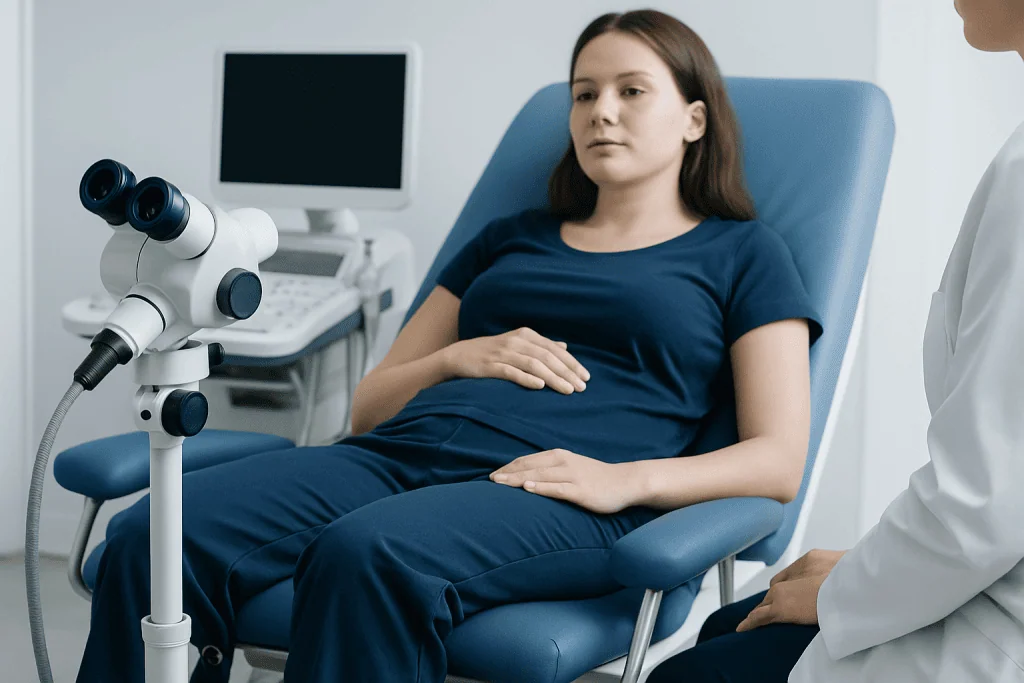
Symptoms of pelvic inflammatory disease can vary widely. Some people have noticeable pelvic pain, while others may only have mild discomfort or changes in vaginal discharge. A person can still develop complications even if symptoms are not dramatic.
Possible symptoms include:
- Lower abdominal or pelvic pain
- Unusual vaginal discharge, sometimes with an unpleasant odor
- Pain during sex
- Bleeding between periods or after sex
- Pain or burning with urination
- Fever, chills, nausea, or feeling generally unwell
- Heavier or more painful menstrual periods
These symptoms are not unique to PID and can overlap with other gynecologic conditions, urinary tract infections, appendicitis, or endometriosis. For that reason, a proper medical assessment is important rather than assuming the cause at home.
Symptoms that begin after unprotected sex, a new sexual partner, or a recent gynecologic procedure deserve prompt attention. Severe pain, vomiting, high fever, fainting, or suspected pregnancy with pelvic pain requires urgent evaluation.
Causes and Risk Factors

PID usually starts when bacteria enter the cervix and spread upward. Chlamydia and gonorrhea are well-known causes, but many cases involve a mixture of organisms. Sometimes no single bacteria is identified, yet the inflammation pattern still fits PID.
Several factors can increase the chance of developing PID. These include being sexually active with a partner who has an untreated sexually transmitted infection, having multiple sexual partners, a history of previous PID, and inconsistent condom use. Younger age can also be a risk factor because the cervix may be more vulnerable to infection.
PID can occasionally follow childbirth, miscarriage, abortion, insertion of an intrauterine device, or procedures involving the uterus, especially in the first few weeks if an infection is already present. Vaginal douching is also discouraged because it may disturb the normal vaginal environment and may help bacteria move upward.
Having one risk factor does not mean a person will definitely develop PID, and some people with PID do not have obvious risk factors. This is one reason regular sexual health care and timely evaluation of symptoms are important.
Why Fertility Risks Matter
The main long-term concern with pelvic inflammatory disease is damage caused by inflammation inside the reproductive organs. When the fallopian tubes become inflamed, healing may leave scar tissue. This scarring can interfere with the movement of an egg through the tubes and affect fertility.
PID may increase the risk of infertility, chronic pelvic pain, and ectopic pregnancy, which is a pregnancy developing outside the uterus, most often in a fallopian tube. The risk tends to rise when treatment is delayed, when infection is severe, or when PID happens more than once.
Not everyone with PID will have trouble becoming pregnant. Many people recover fully, especially when the condition is recognized and treated early. Still, even one episode can have consequences, so ongoing symptoms or repeated infections should be taken seriously.
For people who are trying to conceive after PID, a doctor may recommend evaluation of tubal health and other fertility factors. In some situations, care from specialists in IVF treatment or gynecology care may help clarify options and support future pregnancy planning.
How Pelvic Inflammatory Disease Is Diagnosed
There is no single test that confirms every case of PID. Doctors make the diagnosis using symptoms, pelvic examination findings, medical history, and targeted testing. Because untreated infection can lead to complications, treatment may be started based on clinical suspicion even before all test results return.
An evaluation often includes a pelvic exam to check for tenderness, cervical discharge, or signs of inflammation. Swabs may be taken to test for sexually transmitted infections, especially chlamydia and gonorrhea. Urine testing and a pregnancy test are also common because they help rule out other causes of pain and guide safe treatment decisions.
Blood tests or ultrasound may be used in some cases, particularly when symptoms are severe, the diagnosis is uncertain, or there is concern about an abscess. Imaging may help identify complications or alternative diagnoses such as ovarian cysts or ovarian cysts.
If symptoms are complex or recurrent, a gynecology specialist may be involved. In selected cases, additional procedures are needed to clarify the diagnosis, but many people can be assessed and treated without invasive testing.
Treatment Options
Treatment for pelvic inflammatory disease usually begins with antibiotics. Because more than one type of bacteria may be involved, doctors often prescribe a combination of medicines that covers the most likely organisms. It is important to complete the full course exactly as directed, even if symptoms improve quickly.
Rest, hydration, and pain relief may also be recommended. During treatment, sexual activity is usually avoided until the person has completed therapy, symptoms have improved, and any partners have been evaluated and treated when appropriate. This helps reduce the chance of reinfection.
Hospital treatment may be needed if symptoms are severe, if there is high fever, vomiting, pregnancy, concern for an abscess, or if the diagnosis is uncertain. In these cases, intravenous antibiotics and closer monitoring may be safest. A tubo-ovarian abscess sometimes requires drainage or surgery if it does not respond to medicine.
Follow-up is an important part of care. A doctor may reassess symptoms within a few days to make sure treatment is working. If there are fertility concerns, ongoing pain, or structural complications, referral for laparoscopy or more specialized reproductive evaluation may be considered. Acibadem International’s multidisciplinary specialists in JCI-accredited hospitals also diagnose and treat pelvic inflammatory disease for international patients.
Prevention and Self-care
Prevention focuses on lowering the risk of sexually transmitted infections and seeking treatment early. Using condoms correctly and consistently, limiting exposure to untreated partners, and having regular sexual health checkups can all help. Testing is especially important after unprotected sex, a new partner, or a known STI exposure.
Prompt treatment of chlamydia, gonorrhea, and other genital infections reduces the chance that bacteria will spread upward. It is also important that sexual partners are evaluated and treated when needed. Otherwise, reinfection can occur even after successful treatment.
People should avoid vaginal douching, as it can upset the normal vaginal environment and may increase the risk of infection moving higher into the reproductive tract. After a diagnosis of PID, following the treatment plan carefully and attending follow-up visits can help reduce long-term problems.
Self-care does not replace medical treatment. Home remedies cannot cure PID, and delaying antibiotics may increase the risk of scarring. If symptoms return after treatment, a doctor should be consulted rather than trying to manage the problem alone.
When to See a Doctor
Medical advice should be sought for pelvic pain, abnormal vaginal discharge, bleeding between periods, pain during sex, or burning during urination, especially if these symptoms occur together. Early evaluation is also wise after possible STI exposure or if a partner has been diagnosed with an infection.
Urgent care is needed for severe pelvic or abdominal pain, fever, vomiting, fainting, or signs of pregnancy with pain or bleeding. These symptoms can point to complications or to other conditions that need immediate treatment.
Anyone who has been treated for PID but is not improving should contact a doctor promptly. Ongoing symptoms may mean the infection is not responding, the diagnosis may need to be reconsidered, or a complication such as an abscess may have developed.
People concerned about fertility after PID should discuss this with a gynecologist or fertility specialist. Early guidance can help clarify whether further testing or supportive care is needed before trying to conceive.
Frequently asked questions
Can pelvic inflammatory disease go away on its own?
Pelvic inflammatory disease should not be expected to go away without treatment. Because it is usually caused by infection, antibiotics are typically needed to clear the bacteria and lower the risk of scarring. Delaying care can increase the chance of long-term complications.
Can someone have PID without obvious symptoms?
Yes. Some people with PID have mild symptoms or symptoms that are easy to overlook, such as light pelvic discomfort or slightly unusual discharge. Even when symptoms are subtle, inflammation can still affect the reproductive organs.
Does PID always cause infertility?
No. Many people treated early for PID do not become infertile. However, PID can damage the fallopian tubes, so prompt diagnosis and treatment are important to help protect future fertility.
How soon should treatment start after symptoms begin?
Treatment should begin as soon as a doctor suspects PID. Doctors often start antibiotics based on symptoms and examination findings before all test results are available. Early treatment helps reduce the chance of complications.
Should sexual partners be treated too?
If PID is linked to a sexually transmitted infection or this is suspected, recent sexual partners often need evaluation and treatment. This helps prevent reinfection and also protects the partner’s health. A doctor or sexual health clinic can advise who should be notified.
Can PID come back after treatment?
Yes, PID can recur, especially if a person is exposed again to an untreated infection. Finishing the full antibiotic course, attending follow-up, and making sure partners are treated can help lower this risk.
References
- World Health Organization
- Centers for Disease Control and Prevention
- American College of Obstetricians and Gynecologists
- National Health Service
- Mayo Clinic
This article is for general information only and is not a substitute for professional medical advice. Please consult a qualified doctor about your individual situation.
IVF & fertility treatment in Turkey — success rates and costs
JCI-accredited · board-certified surgeons · reply within 24h
Add us as a Preferred Source to see more of our trusted health content across Google Search, AI Overviews and Discover.