Pelvic Inflammatory Disease Symptoms Explained: Common Triggers and Red Flags

Pelvic inflammatory disease symptoms may be subtle, especially early on. Common signs include pelvic pain, abnormal discharge, bleeding, fever, and pain during sex.
Key Takeaways
- Pelvic inflammatory disease symptoms may be subtle, especially early on.
- Common signs include pelvic pain, abnormal discharge, bleeding, fever, and pain during sex.
- PID usually develops when bacteria spread from the vagina or cervix into the upper reproductive organs.
- Prompt diagnosis and antibiotic treatment can reduce the risk of complications.
- Severe pain, high fever, vomiting, or possible pregnancy need urgent medical assessment.
Pelvic inflammatory disease symptoms commonly include lower abdominal or pelvic pain, unusual vaginal discharge, bleeding between periods, pain during sex, fever, and discomfort with urination. Symptoms can be mild or easy to miss, but early medical evaluation is important because untreated pelvic inflammatory disease can affect reproductive health.
Overview: What pelvic inflammatory disease symptoms usually feel like
Pelvic inflammatory disease symptoms most often involve pain or discomfort in the lower abdomen or pelvis, along with changes in vaginal discharge, bleeding, or fever. Some people also notice pain during sex, burning with urination, or a general sense that something is not normal. In many cases, however, symptoms are mild and may be mistaken for a urinary tract infection, menstrual cramps, or another common gynecologic issue.
Pelvic inflammatory disease, often called PID, is an infection of the upper female reproductive organs. It can affect the uterus, fallopian tubes, ovaries, and nearby pelvic tissues. The condition usually begins when bacteria move upward from the vagina or cervix into deeper reproductive structures.
One reason PID can be difficult to recognize is that symptom intensity does not always match how much inflammation is present. A person may have only mild discomfort but still need treatment. That is why persistent pelvic pain, unusual discharge, or unexplained bleeding should not be ignored.
Common symptoms and red flags to notice
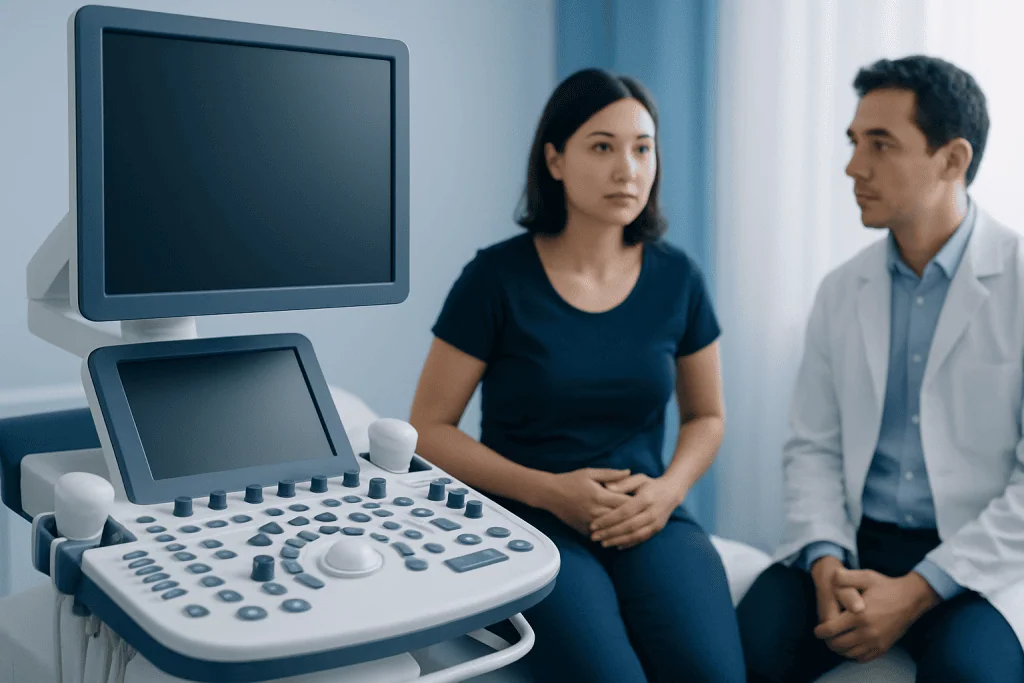
The most common pelvic inflammatory disease symptoms include ongoing or new lower abdominal pain, pelvic tenderness, and unusual vaginal discharge that may have a stronger odor or a different color or texture than usual. Discharge alone does not confirm PID, but it can be an important clue when it appears together with pain, fever, or bleeding.
Bleeding between menstrual periods, bleeding after sex, and heavier or more painful periods can also occur. Some people notice discomfort during sexual intercourse, especially with deep penetration, while others feel burning or pain when urinating. Fever, chills, fatigue, nausea, and a general unwell feeling may appear when the infection is more active.
Symptoms can vary from person to person. Some may have only one or two signs, while others develop a more obvious combination of problems. Red flags that deserve prompt medical attention include:
- Severe pelvic or abdominal pain
- Fever or shaking chills
- Nausea and vomiting
- Fainting, weakness, or dizziness
- Possible pregnancy with pelvic pain or bleeding
- Symptoms that rapidly worsen over hours or days
These warning signs may suggest a more serious infection or another urgent condition, such as appendicitis, an ectopic pregnancy, or an ovarian problem. A doctor may also need to rule out conditions such as ovarian cancer when symptoms are persistent and unexplained.
What causes PID and who is more likely to get it

Pelvic inflammatory disease is usually caused by bacteria ascending from the lower genital tract. Sexually transmitted infections such as chlamydia and gonorrhea are well-known triggers, but PID can also result from a mix of other vaginal or cervical bacteria. In some cases, symptoms begin after a medical event that allows bacteria to move upward more easily, such as childbirth, miscarriage, abortion, or insertion of an intrauterine device, especially if an untreated infection is already present.
Risk is higher in sexually active people who have multiple partners, a partner with a sexually transmitted infection, or a history of prior PID or untreated cervical infection. Younger age can also increase risk because the cervix may be more vulnerable to certain infections. Douching is not recommended, as it can alter the natural vaginal environment and may help bacteria spread upward.
Not everyone with PID has an obvious risk factor. Some people have no clear STI symptoms before pelvic pain begins, and some infections can remain silent for weeks or months. This is one reason clinicians often test for several possible causes instead of relying on symptoms alone.
How doctors diagnose pelvic inflammatory disease
There is no single test that confirms every case of PID, so diagnosis is based on symptoms, medical history, physical examination, and targeted testing. A doctor will usually ask about pelvic pain, discharge, bleeding changes, fever, sexual history, prior infections, contraception, and the timing of symptoms. During a pelvic exam, the clinician checks for cervical motion tenderness, uterine tenderness, or tenderness around the ovaries and fallopian tubes.
Laboratory tests may include vaginal or cervical swabs to check for sexually transmitted infections, urine testing, and sometimes blood tests that look for signs of inflammation or infection. Pregnancy testing is important because ectopic pregnancy can cause symptoms that overlap with PID and needs urgent care.
Imaging may be recommended when the diagnosis is uncertain, symptoms are severe, or complications are suspected. A pelvic MRI or ultrasound can help doctors look for a tubo-ovarian abscess, fluid collections, or other pelvic causes of pain. If symptoms are ongoing and tissue-related causes need closer assessment, doctors may also consider advanced radiology services as part of a broader evaluation plan.
Because PID can resemble other conditions, doctors may also consider endometriosis, appendicitis, urinary tract infection, ovarian cysts, or cervical cancer depending on the full picture. Early assessment helps guide the right treatment and avoid delays.
Treatment options and possible complications
PID is usually treated with antibiotics that target the most likely bacteria. Because waiting for every test result can delay care, treatment often begins as soon as the diagnosis is reasonably suspected. It is important to complete the full course of medicine exactly as prescribed, even if symptoms improve within a few days.
Some people can be treated at home, while others may need hospital care. Admission is more likely if symptoms are severe, pregnancy is possible, vomiting prevents oral treatment, an abscess is suspected, or there is no improvement after initial therapy. In these situations, doctors may use intravenous antibiotics and closer monitoring.
When complications develop, treatment may need to go beyond medication. A pelvic abscess may require drainage, and surgery is sometimes necessary if there is rupture, worsening infection, or another condition that cannot be excluded. Depending on the situation, a specialist may recommend minimally invasive laparoscopy to diagnose or manage pelvic disease.
Untreated or repeated PID can lead to long-term problems, including chronic pelvic pain, scarring of the fallopian tubes, infertility, and ectopic pregnancy. These complications are one reason timely treatment matters, even when symptoms seem mild at first.
Self-care, prevention, and protecting future reproductive health
Self-care during recovery includes resting, staying well hydrated, and following all treatment instructions. Sexual activity is usually avoided until treatment is completed, symptoms have resolved, and a doctor advises that it is safe. If PID is linked to a sexually transmitted infection, sexual partners may also need evaluation and treatment to reduce the chance of reinfection.
Prevention focuses on reducing exposure to infection and identifying problems early. Helpful steps include using barrier protection, having regular sexual health screening when appropriate, avoiding douching, and seeking prompt care for unusual discharge, pelvic pain, or bleeding changes. Anyone with a prior history of PID should mention this during future gynecologic visits.
Reproductive follow-up can matter after recovery, especially if symptoms return or if there are fertility concerns later on. In some cases, a gynecology specialist may discuss further testing to check for scarring or other effects on the reproductive organs. For international patients who need coordinated assessment, Acibadem International’s multidisciplinary specialists in JCI-accredited hospitals diagnose and treat gynecologic infections and their complications.
When to seek medical care
Medical care is appropriate whenever pelvic inflammatory disease symptoms are suspected, especially when pelvic pain appears with unusual discharge, fever, bleeding between periods, or pain during sex. Early treatment can reduce the chance of complications, and a doctor can rule out other conditions that may need different care.
Urgent assessment is important for severe or rapidly worsening pain, high fever, vomiting, fainting, or symptoms during pregnancy. People who do not improve within a few days of starting treatment, or whose symptoms return after treatment, should contact a clinician promptly.
Even mild symptoms deserve attention if they persist. A short delay may allow inflammation to continue quietly, so it is safer to discuss ongoing pelvic discomfort, new discharge, or unexplained bleeding with a qualified doctor rather than waiting for symptoms to pass on their own.
Frequently asked questions
Can pelvic inflammatory disease symptoms be mild?
Yes. Some people have only mild pelvic discomfort, light spotting, or subtle changes in discharge. Even mild symptoms should be assessed because PID can still cause inflammation and complications if left untreated.
How quickly do PID symptoms start?
Symptoms may begin suddenly or develop gradually over days to weeks. In some cases, there are no clear early warning signs, which is why ongoing pelvic pain or unusual discharge should be discussed with a doctor.
Is pelvic inflammatory disease always caused by an STI?
No. Although sexually transmitted infections such as chlamydia and gonorrhea are common causes, other bacteria can also lead to PID. Sometimes the condition develops after a medical or reproductive event that allows bacteria to move upward into the pelvis.
What is the difference between PID and a urinary tract infection?
Both conditions can cause discomfort with urination and lower abdominal pain, but PID more often involves pelvic tenderness, abnormal discharge, bleeding changes, or pain during sex. A doctor may need urine tests, an exam, and STI testing to tell them apart.
Can PID affect fertility?
It can. Repeated or untreated PID may scar the fallopian tubes and increase the risk of infertility or ectopic pregnancy. Prompt treatment lowers the chance of these complications.
Should a person go to the emergency department for PID symptoms?
Emergency care may be needed for severe pelvic pain, high fever, vomiting, fainting, or possible pregnancy with pain or bleeding. These symptoms can signal a serious infection or another urgent condition that needs immediate evaluation.
References
- Centers for Disease Control and Prevention
- American College of Obstetricians and Gynecologists
- National Institute for Health and Care Excellence
- World Health Organization
This article is for general information only and is not a substitute for professional medical advice. Please consult a qualified doctor about your individual situation.
Explore treatments in Turkey — costs, top hospitals & a free quote
JCI-accredited · board-certified surgeons · reply within 24h
Add us as a Preferred Source to see more of our trusted health content across Google Search, AI Overviews and Discover.