Pelvic Tilts: A Complete Medical Overview
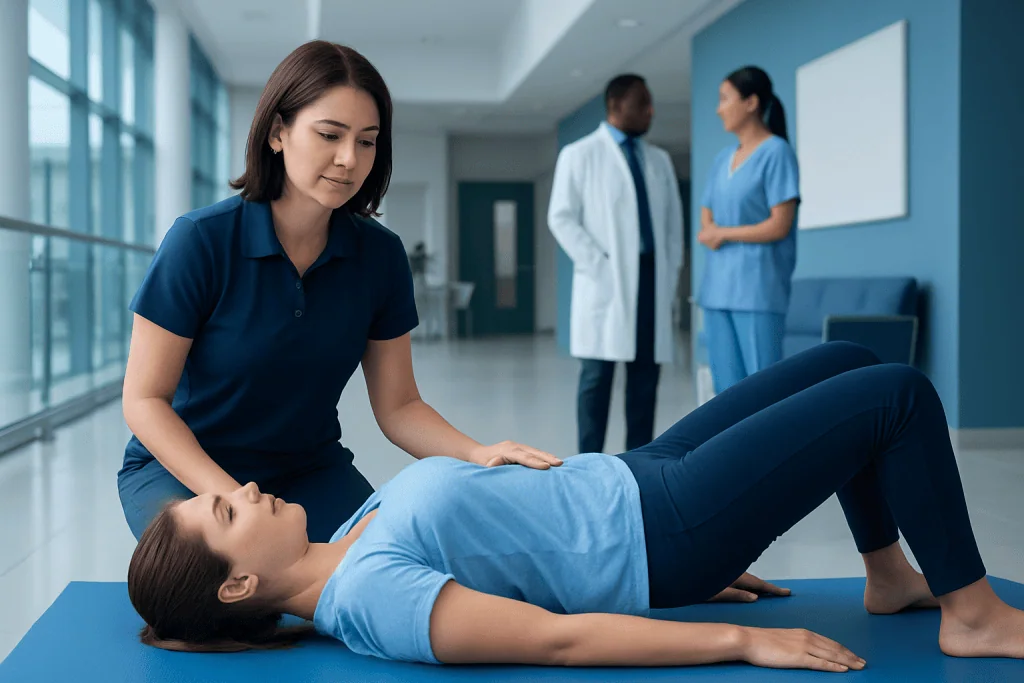
Pelvic tilts are low-impact exercises that gently move the pelvis to improve posture, spinal control, and core activation. They may help with mild low back discomfort, stiffness, and movement retraining when performed correctly.
Key Takeaways
- Pelvic tilts are low-impact exercises that gently move the pelvis to improve posture, spinal control, and core activation.
- They may help with mild low back discomfort, stiffness, and movement retraining when performed correctly.
- Good technique matters more than force; the movement should be slow, comfortable, and coordinated with breathing.
- Pelvic tilts can be done lying down, standing, seated, or on hands and knees depending on comfort and ability.
- Persistent pain, numbness, weakness, or bladder and bowel symptoms should be assessed by a qualified clinician.
Pelvic tilts are simple, controlled movements that help improve awareness of the pelvis and lower spine, support the core, and reduce strain in daily movement. They are commonly used in rehabilitation, pregnancy exercise programs, and general fitness when tailored to a person's symptoms and physical condition.
Overview: what pelvic tilts are and why they are used
Pelvic tilts are gentle exercises that involve rotating the pelvis forward and backward in a controlled way. In practical terms, they help a person find and move between different positions of the lower back and pelvis, often while lightly engaging the abdominal and pelvic floor muscles. Because the movement is small and adaptable, pelvic tilts are widely used in physical therapy, rehabilitation, pregnancy-related exercise, and general conditioning.
Rather than being a single exercise with one fixed method, pelvic tilts are a movement pattern. They can be performed lying on the back with the knees bent, standing against a wall, seated on a chair or exercise ball, or on hands and knees. The best version depends on the person’s goals, pain level, balance, and overall mobility.
Clinicians often recommend pelvic tilts to improve body awareness and help the muscles around the trunk work together more efficiently. This may support everyday activities such as sitting, standing, walking, lifting, and changing position in bed. In people with stiffness or poor postural control, the exercise can serve as a starting point before progressing to more demanding strengthening or flexibility programs.
It is also important to understand what pelvic tilts are not. They are not a cure for all back or pelvic pain, and they should not be forced through pain. When symptoms are related to conditions such as severe lumbar disc problems or significant nerve irritation, a doctor or physical therapist may need to adapt the exercise or recommend a different approach.
Potential benefits and who may benefit most
Pelvic tilts may benefit people who feel stiffness in the lower back, spend long hours sitting, are learning to activate the deep abdominal muscles, or need a low-impact entry point into exercise. They are also commonly used during recovery programs after periods of inactivity, as well as during pregnancy and after childbirth when approved by a clinician.
The main benefit is improved control rather than dramatic strengthening. By learning how the pelvis and lower spine move together, a person may reduce unnecessary muscle tension and distribute load more evenly through the trunk and hips. This can help make movement feel smoother and may lessen mechanical strain during daily tasks.
Pelvic tilts are sometimes included in care plans for people with posture-related back discomfort, early rehabilitation needs, or mild muscle imbalance. They may be part of a broader program that also includes stretching, walking, ergonomic changes, and supervised physical therapy and rehabilitation. In this setting, the exercise is usually one component of treatment rather than the only intervention.
People who may benefit include:
- Adults with mild, non-specific low back discomfort
- Pregnant individuals seeking gentle movement and postural support
- People returning to exercise after illness, injury, or inactivity
- Those with poor core awareness or prolonged sitting habits
- Individuals in guided rehabilitation for spine, hip, or pelvic function
How pelvic tilts work in the body
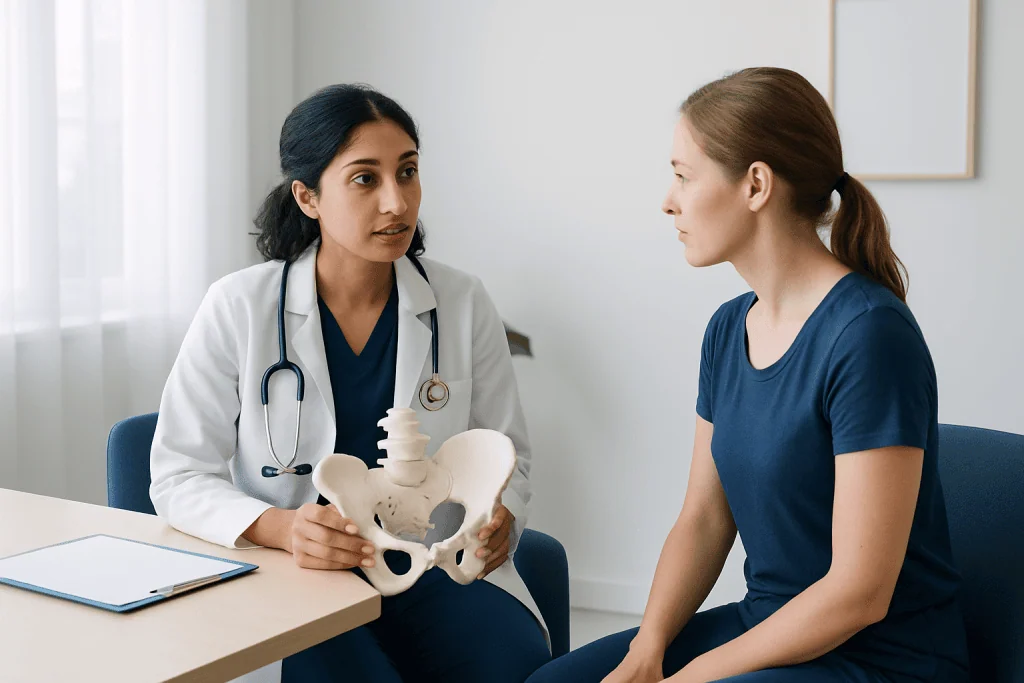
The pelvis acts as a bridge between the spine and the legs. Small changes in pelvic position can change the curve of the lower back, the way weight is distributed through the hips, and how the abdominal and gluteal muscles contribute to movement. Pelvic tilts use this relationship to teach controlled motion and coordinated muscle activity.
During a backward or posterior pelvic tilt, the lower abdomen gently engages and the tailbone subtly tucks under, often flattening the lower back slightly toward the floor when lying down. During a forward or anterior pelvic tilt, the pelvis rotates in the opposite direction and the natural curve of the lower back increases a little. Moving calmly between these positions can improve awareness of neutral spine and help a person recognize positions that feel more supported.
Breathing is an important part of the exercise. Many clinicians cue exhalation during gentle abdominal engagement and encourage relaxed inhalation during release. This can reduce unnecessary bracing and may support pelvic floor coordination. For some patients, especially after pregnancy or during rehabilitation, breathing technique is as valuable as the movement itself.
Pelvic tilts may also be combined with other therapeutic approaches when symptoms involve multiple structures. For example, people with persistent joint or alignment issues may need assessment in a broader orthopedic care pathway, while others may need a spine-specific rehabilitation plan. The aim is to match the exercise to the person rather than assuming one movement fits everyone.
How to do pelvic tilts safely
A common beginner method is the lying pelvic tilt. The person lies on the back with knees bent and feet flat on the floor, about hip-width apart. From this position, they breathe in gently, then exhale and lightly tighten the lower abdominal muscles to flatten the lower back a little toward the floor by tipping the pelvis backward. After a brief pause, they relax and return to a comfortable neutral position. The movement should be smooth and small, not forceful.
Standing pelvic tilts can be useful for people who find floor exercises uncomfortable. Standing with the back against a wall or with hands on the hips, the person slowly shifts the pelvis forward and backward to feel the lower back curve change. Seated or hands-and-knees versions are also common, especially when modifying for comfort, balance, or pregnancy.
General technique principles include moving within a pain-free range, avoiding breath-holding, and focusing on control rather than repetition speed. A person should stop if the exercise causes sharp pain, radiating leg pain, dizziness, or worsening symptoms. Mild muscular effort is expected, but strong pain is not the goal.
Helpful form tips include:
- Keep the shoulders, jaw, and buttocks relaxed
- Use slow breathing to guide the movement
- Start with a small range of motion
- Aim for smooth control, not force
- Progress only when symptoms remain stable
Common mistakes, limits, and possible risks
One of the most common mistakes is turning pelvic tilts into a large, forceful back movement. When the exercise is exaggerated, the hips, rib cage, or buttocks may do most of the work instead of the intended pelvic control. This can make the movement less effective and may increase discomfort in sensitive tissues.
Another frequent issue is over-bracing. Some people tighten the abdomen so strongly that they hold their breath or create pressure rather than coordination. In people with pelvic floor symptoms, recent surgery, or postpartum recovery needs, this may not be helpful. Gentle activation and normal breathing are usually preferred unless a clinician recommends otherwise.
Pelvic tilts are generally safe, but they are not appropriate for every situation without guidance. A person with significant trauma, recent spinal surgery, severe osteoporosis, unexplained pelvic pain, or progressive neurological symptoms should seek professional advice before starting. If pain extends down the leg or there is suspicion of a more serious spinal issue, structured assessment becomes more important than self-directed exercise.
Sometimes pelvic tilts simply do not address the main cause of symptoms. Hip arthritis, inflammatory conditions, severe scoliosis, nerve compression, or abdominal and gynecological conditions can all contribute to pain around the lower trunk or pelvis. In these cases, using pelvic tilts alone may delay a more accurate diagnosis.
When pelvic tilts are part of diagnosis and treatment planning
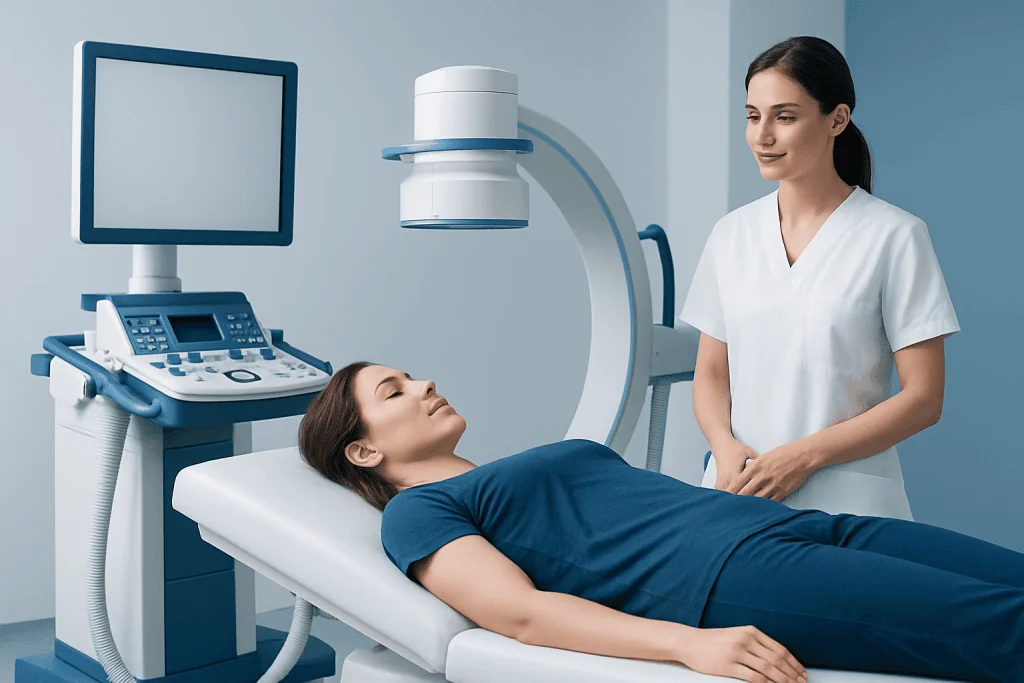
Pelvic tilts themselves are not a diagnostic test, but a clinician may use them during assessment to observe movement quality, pain behavior, posture, muscle coordination, and range of motion. A physical medicine specialist, orthopedist, rehabilitation physician, or physiotherapist may watch how symptoms change with small pelvic movements and use that information to guide treatment.
Diagnosis for ongoing low back or pelvic symptoms usually starts with a medical history and physical examination. The clinician may ask when symptoms began, what makes them better or worse, whether there is pain down the leg, and whether there are bladder, bowel, numbness, or weakness symptoms. Imaging is not always needed, but it may be recommended when warning signs, trauma, persistent symptoms, or suspicion of structural disease are present.
Treatment plans often combine education, activity modification, targeted exercise, and symptom management. Pelvic tilts may be paired with walking, hip mobility work, ergonomic advice, and gradual strengthening of the trunk and gluteal muscles. If a patient has more complex spinal complaints, doctors may consider specialist evaluation, imaging, or additional therapies through services such as neurosurgical assessment when clinically appropriate.
Near the end of the care pathway, the focus usually shifts from symptom relief to long-term function. That means helping the person sit, stand, lift, sleep, and exercise with better control and less fear of movement. At Acibadem International, multidisciplinary specialists in JCI-accredited hospitals evaluate spine, pelvic, and rehabilitation concerns for international patients and tailor treatment plans to individual needs.
Self-care, prevention, and building a balanced routine
Pelvic tilts work best when they are part of a broader movement routine rather than a stand-alone solution. For many people, prevention and self-care include changing positions regularly, avoiding prolonged sitting, improving workstation setup, staying physically active, and building strength in the hips and core over time. Short, consistent sessions are often more useful than occasional intense exercise.
If pelvic tilts feel comfortable, a clinician may gradually add related exercises such as bridges, gentle abdominal control drills, walking, side-lying hip work, or flexibility exercises for the hips and hamstrings. Progression should be paced according to symptoms and personal fitness level. Pain that steadily worsens after exercise suggests the routine may need to be modified.
Weight management, sleep quality, stress reduction, and smoking cessation may also support musculoskeletal health. Stress can increase muscle tension and pain sensitivity, while poor sleep can reduce recovery. A balanced approach that considers overall health often produces better long-term results than focusing on one exercise alone.
People should remember that posture does not need to be rigidly perfect at all times. Comfortable variation and regular movement are usually more helpful than trying to hold one ideal position all day. Pelvic tilts can be a useful tool for awareness and control, but sustainable habits are what protect daily function over time.
When to seek medical care
Pelvic tilts should feel gentle. If the exercise causes significant pain, numbness, tingling, weakness, or pain that travels below the knee, medical review is advisable. These symptoms may suggest nerve involvement or another condition that needs proper assessment.
A person should also seek care if low back or pelvic discomfort lasts more than a few weeks, returns repeatedly, or interferes with sleep, work, walking, or everyday tasks. Fever, unexplained weight loss, recent trauma, cancer history, or persistent pain at night are additional reasons to arrange prompt medical evaluation.
Urgent medical attention is needed for loss of bladder or bowel control, new saddle numbness, severe weakness, or sudden inability to walk normally. Although these problems are uncommon, they can signal a serious spinal or neurological issue and should not be managed with home exercise alone.
Professional guidance can be especially helpful during pregnancy, after childbirth, after surgery, or when symptoms occur alongside known structural conditions. A qualified clinician can confirm whether pelvic tilts are suitable, adapt the technique, and advise whether additional therapy or testing is needed.
Frequently asked questions
What are pelvic tilts used for?
Pelvic tilts are used to improve control of the pelvis and lower spine, gently activate the core, and reduce mechanical strain during movement. They are often included in rehabilitation and exercise programs for mild low back discomfort, posture-related stiffness, pregnancy, and recovery after inactivity.
Can pelvic tilts help low back pain?
They may help some people with mild, non-specific low back discomfort, especially when stiffness, posture, or poor movement control play a role. They are less likely to help if pain is caused by a condition that needs a different treatment approach, so persistent or severe symptoms should be assessed by a clinician.
How often should pelvic tilts be done?
The ideal frequency varies by person, symptoms, and rehabilitation goals. In general, they are often practiced regularly in short sessions with careful attention to form, but a doctor or physiotherapist can recommend the safest plan for an individual's condition.
Are pelvic tilts safe during pregnancy?
Pelvic tilts are commonly used in pregnancy exercise programs because they are gentle and adaptable. However, comfort, trimester, and individual medical factors matter, so pregnant individuals should confirm with their obstetric clinician or physiotherapist which version is most appropriate.
Should pelvic tilts hurt?
No. The movement should feel mild and controlled, with light muscular effort but not sharp or worsening pain. If the exercise triggers strong pain, leg symptoms, numbness, or dizziness, it should be stopped and discussed with a healthcare professional.
What is the difference between a pelvic tilt and a core workout?
A pelvic tilt is mainly a control and awareness exercise, while a core workout usually refers to a broader strengthening routine for the abdominal, back, and hip muscles. Pelvic tilts can be an early step within a larger core program, especially during rehabilitation or when symptoms limit more demanding exercise.
References
- National Institute of Neurological Disorders and Stroke
- National Institute of Arthritis and Musculoskeletal and Skin Diseases
- American Academy of Orthopaedic Surgeons
- American Physical Therapy Association
- MedlinePlus
This article is for general information only and is not a substitute for professional medical advice. Please consult a qualified doctor about your individual situation.
Joint and spine care in Turkey — expert assessment & treatment
JCI-accredited · board-certified surgeons · reply within 24h
Add us as a Preferred Source to see more of our trusted health content across Google Search, AI Overviews and Discover.

More from the Health Library

Muscle Relaxers — Explained by Medical Evidence, Not Myths

Limbic System — Explained by Medical Evidence, Not Myths

Paradoxical Breathing: An Evidence-Based Guide for Patients

Varicose Veins: What Patients Need to Know

Skin Discoloration: An Evidence-Based Guide for Patients