Perforated Eardrum: Causes, Symptoms, and Healing

A perforated eardrum may be caused by ear infections, sudden pressure changes, injury, loud noise, or objects placed in the ear. Common symptoms include ear pain, fluid or blood drainage, muffled hearing, ringing, dizziness, or a sudden relief of pain after an infection drains.
Key Takeaways
- A perforated eardrum may be caused by ear infections, sudden pressure changes, injury, loud noise, or objects placed in the ear.
- Common symptoms include ear pain, fluid or blood drainage, muffled hearing, ringing, dizziness, or a sudden relief of pain after an infection drains.
- Many small ruptures heal on their own within weeks, but the ear should be kept dry and protected during recovery.
- Treatment depends on the cause, size, symptoms, and whether infection or hearing loss is present.
- Urgent medical care is needed for severe dizziness, facial weakness, significant bleeding, sudden hearing loss, or a head injury.
A perforated eardrum is a hole or tear in the thin membrane that separates the outer ear from the middle ear. Most small perforations heal well with proper care, but medical assessment is important to protect hearing and prevent infection.
Overview
A perforated eardrum, also called a ruptured eardrum or tympanic membrane perforation, is a tear or hole in the eardrum. The eardrum is a thin, flexible membrane that vibrates when sound enters the ear. It also helps protect the middle ear from water, bacteria, and foreign material.
When the eardrum is perforated, sound may not be transmitted as efficiently, and the middle ear may be more vulnerable to infection. The condition can affect people of any age, including children, who are more prone to middle ear infections. In many cases, especially when the perforation is small and uncomplicated, the eardrum can heal naturally.
Although the word perforation can sound concerning, many patients recover well with careful ear protection and medical follow-up. The main goals are to identify the cause, prevent infection, monitor hearing, and decide whether any procedure is needed if the opening does not close by itself.
Symptoms of a Perforated Eardrum
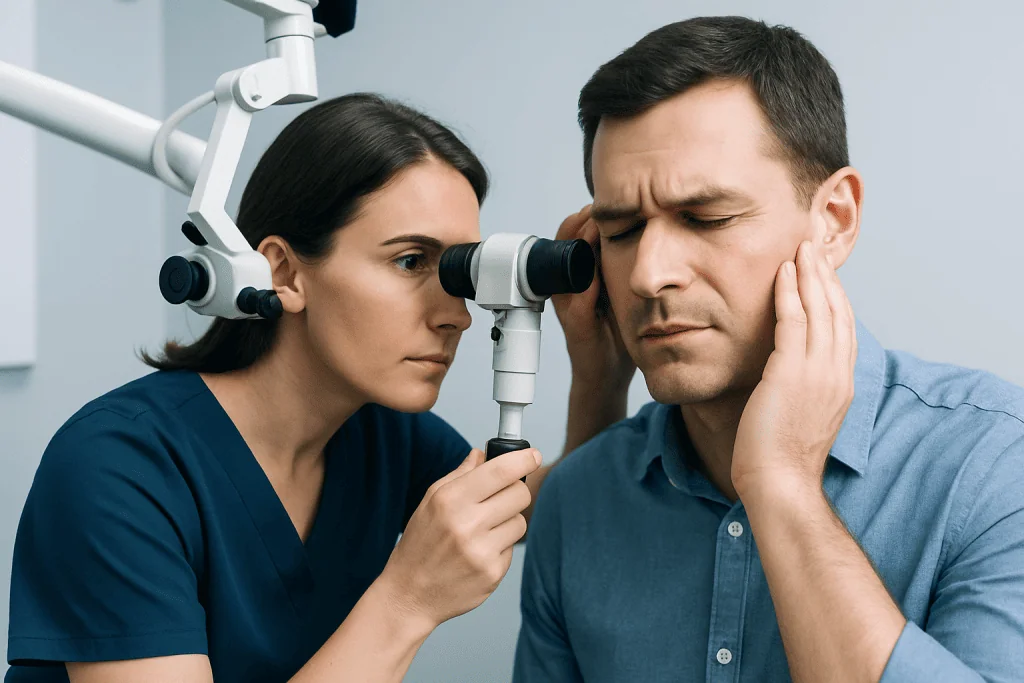
Symptoms vary depending on the cause and size of the perforation. Some people notice a sudden sharp ear pain followed by drainage and relief of pressure, especially if a middle ear infection has caused the eardrum to rupture. Others may have only mild discomfort or a feeling that the ear is blocked.
Possible symptoms include:
- Ear pain that may be sudden or may improve after fluid drains
- Clear, pus-like, or bloody fluid coming from the ear
- Muffled hearing or temporary hearing loss in the affected ear
- Ringing or buzzing in the ear, known as tinnitus
- A feeling of fullness or pressure in the ear
- Dizziness, imbalance, or nausea in some cases
Children may show symptoms differently. A child may tug at the ear, become irritable, sleep poorly, develop fever with an ear infection, or not respond normally to sounds. Any drainage from a child’s ear should be assessed by a healthcare professional.
Causes and Risk Factors

The most common cause of a perforated eardrum is a middle ear infection. Fluid and pressure can build up behind the eardrum, and if the pressure becomes high enough, the membrane may tear. After rupture, pain may decrease because the pressure is released, but drainage and hearing changes can continue.
Sudden pressure changes, known as barotrauma, can also injure the eardrum. This may happen during air travel, scuba diving, a forceful blow to the ear, or an explosion-like sound wave. The risk increases when the Eustachian tube is not working well, such as during a cold, sinus infection, or allergy flare.
Other causes include inserting cotton swabs, hairpins, or other objects into the ear canal; ear trauma; skull fracture; and very loud noise close to the ear. Risk factors include repeated ear infections, previous ear surgery, chronic Eustachian tube problems, and activities with rapid pressure changes.
Diagnosis
An ear, nose, and throat specialist or another qualified clinician can usually diagnose a perforated eardrum by looking into the ear with an otoscope or microscope. The doctor checks the ear canal, the eardrum, and any drainage. If discharge is present, it may need to be gently cleaned so the eardrum can be seen clearly.
Hearing evaluation may be recommended, especially if hearing loss is noticeable, the perforation is large, symptoms persist, or there is a history of repeated infections. Tests may include audiometry to measure hearing levels and tympanometry to assess eardrum movement, although tympanometry may not be suitable in every acute situation.
In selected cases, additional tests are needed. For example, a culture may be taken if drainage suggests infection that is not improving. Imaging may be considered after significant trauma, suspected complications, or when deeper ear structures may be affected. The diagnostic plan is individualized and should be guided by a healthcare professional.
Treatment Options and Healing
Treatment depends on the cause, the size and location of the perforation, the degree of hearing change, and whether infection is present. Many small eardrum perforations heal without surgery. During this time, the ear is usually kept dry, and the patient is advised not to insert anything into the ear canal.
If an infection is suspected or confirmed, a doctor may prescribe appropriate ear drops or other medication. It is important not to use over-the-counter ear drops unless a clinician has confirmed they are safe for a perforated eardrum, because some products can irritate the middle ear or may not be suitable when the eardrum is open.
If the perforation does not close after a period of observation, an ENT specialist may discuss procedures to repair it. A small perforation may sometimes be treated with an eardrum patch in the clinic. Larger or persistent perforations may require tympanoplasty, a surgical repair using the patient’s own tissue or another suitable graft material. The aim is to close the opening, reduce infections, and improve hearing when possible.
Prevention and Self-care
Protecting the ear while it heals is important. Patients are commonly advised to keep water out of the affected ear during bathing and hair washing, using methods recommended by their doctor. Swimming should usually be avoided until the clinician confirms it is safe.
Safe self-care measures include avoiding cotton swabs and other objects in the ear, not trying to remove drainage deep in the canal, and following prescribed medication instructions exactly. If pain relief is needed, patients should ask a doctor or pharmacist which options are appropriate for their age, medical history, and other medications.
Prevention focuses on reducing avoidable causes. Treat ear infections promptly, manage allergies or nasal congestion when advised, and use pressure-equalizing techniques during flights only if appropriate. Divers should avoid diving with active congestion or ear symptoms and should follow safe diving practices. Protecting the ears from loud noise and avoiding slaps or direct pressure to the ear can also reduce risk.
When to See a Doctor
A medical assessment is recommended if there is ear drainage, sudden hearing loss, persistent ear pain, ringing, dizziness, or symptoms after a blow to the head or ear. Even when symptoms are mild, confirming the diagnosis helps patients avoid unsafe ear drops or activities that could delay healing.
Urgent care is needed for severe dizziness, repeated vomiting, facial weakness, significant bleeding, high fever, severe headache, confusion, or suspected head injury. These symptoms are not typical of a simple small perforation and may require prompt evaluation.
Follow-up is also important if hearing does not return to normal, drainage continues, or the ear has not healed as expected. For international patients, Acibadem International’s multidisciplinary ENT specialists and JCI-accredited hospitals can evaluate and treat perforated eardrums as part of individualized care planning.
Frequently asked questions
Can a perforated eardrum heal on its own?
Yes, many small perforated eardrums heal naturally, often over several weeks. Healing depends on the size of the hole, the cause, infection control, and whether the ear is protected from water and further injury. A doctor should monitor healing and hearing recovery.
Is a ruptured eardrum painful?
It can be painful, especially when caused by a middle ear infection or sudden injury. Some people feel sharp pain followed by drainage and relief of pressure. Others have mild discomfort, blocked-ear sensation, or hearing changes without severe pain.
Can someone fly with a perforated eardrum?
Some people may tolerate flying with a perforated eardrum, but the underlying cause matters. If there is an active infection, severe pain, dizziness, or recent trauma, medical advice should be obtained before travel. An ENT doctor can give guidance based on the ear examination.
Should ear drops be used for a perforated eardrum?
Ear drops should only be used if prescribed or approved by a healthcare professional. Some drops are safe for middle ear exposure, while others may not be suitable when the eardrum is open. Using the wrong product can irritate the ear or complicate treatment.
Will hearing return after the eardrum heals?
Hearing often improves when the eardrum closes and any infection or fluid resolves. If hearing loss persists, further testing may be needed to check the middle ear bones, inner ear, or chronic infection. Persistent hearing changes should be evaluated by an ENT specialist.
How can the ear be kept dry during healing?
Patients should follow their doctor’s instructions, which may include avoiding swimming and protecting the ear during bathing. Water should not be directed into the ear canal. A clinician can advise safe methods based on the patient’s age, ear condition, and treatment plan.
References
- American Academy of Otolaryngology-Head and Neck Surgery
- Mayo Clinic
- National Institute on Deafness and Other Communication Disorders
- Cleveland Clinic
- Merck Manual Professional Edition
This article is for general information only and is not a substitute for professional medical advice. Please consult a qualified doctor about your individual situation.
Explore treatments in Turkey — costs, top hospitals & a free quote
JCI-accredited · board-certified surgeons · reply within 24h
Add us as a Preferred Source to see more of our trusted health content across Google Search, AI Overviews and Discover.

Related Treatments
Related Conditions
More from the Health Library



Related Specialists

Prof. Dr. Nazim Korkut
Otorhinolaryngology
Prof. Dr. Hasan M. Tanyeri
Ear Nose & Throat
Prof. Dr. Güler Berkiten
Otorhinolaryngology
Assoc. Prof. Dr. A. Erdem Kilavuz
Ear Nose & Throat