Peri Edema: What Patients Need to Know

Peri edema means swelling related to extra fluid in the tissues. It may be temporary, but persistent or worsening swelling should be evaluated.
Key Takeaways
- Peri edema means swelling related to extra fluid in the tissues.
- It may be temporary, but persistent or worsening swelling should be evaluated.
- Common causes include medications, venous problems, heart, kidney, or liver disease, and lymphatic blockage.
- Diagnosis focuses on where the swelling occurs, associated symptoms, and possible underlying conditions.
- Treatment depends on the cause and may include lifestyle measures, treating the medical condition, or specialist care.
- Urgent care is needed if swelling comes with shortness of breath, chest pain, or sudden one-sided leg swelling.
Peri edema refers to swelling caused by fluid collecting in tissues, often noticed around the eyes, legs, ankles, or other soft areas. It can happen for harmless reasons such as salt intake or long periods of standing, but it may also point to heart, kidney, liver, vein, lymphatic, or inflammatory conditions that need medical assessment.
Overview: what peri edema means
Peri edema is a general term used to describe swelling that happens when excess fluid collects in the tissues around an area of the body. Patients may notice puffiness around the eyes, swelling in the feet and ankles, tight skin, or a feeling that rings, shoes, or clothing fit more snugly than usual. In many cases, the swelling is mild and short-lived, but in others it is a clue to an underlying medical condition.
Edema is not a disease by itself. It is a sign that fluid balance in the body has changed. This can happen because fluid leaks from blood vessels, the lymphatic system is not draining well, the body is holding onto salt and water, or pressure in the veins is higher than normal. The location of swelling often helps doctors understand what may be causing it.
For example, swelling around the eyes may be more noticeable in the morning, while swelling in the legs may become worse later in the day after standing or sitting for long periods. Some forms are soft and leave an indentation when pressed, called pitting edema. Others feel firmer and may be linked to lymphatic or long-standing tissue changes.
Because peri edema can range from minor fluid retention to a sign of more serious illness, it is best understood in context. Symptoms, medical history, medications, and the pattern of swelling all matter when deciding whether simple self-care is enough or whether formal medical evaluation is needed.
Common symptoms and where swelling appears
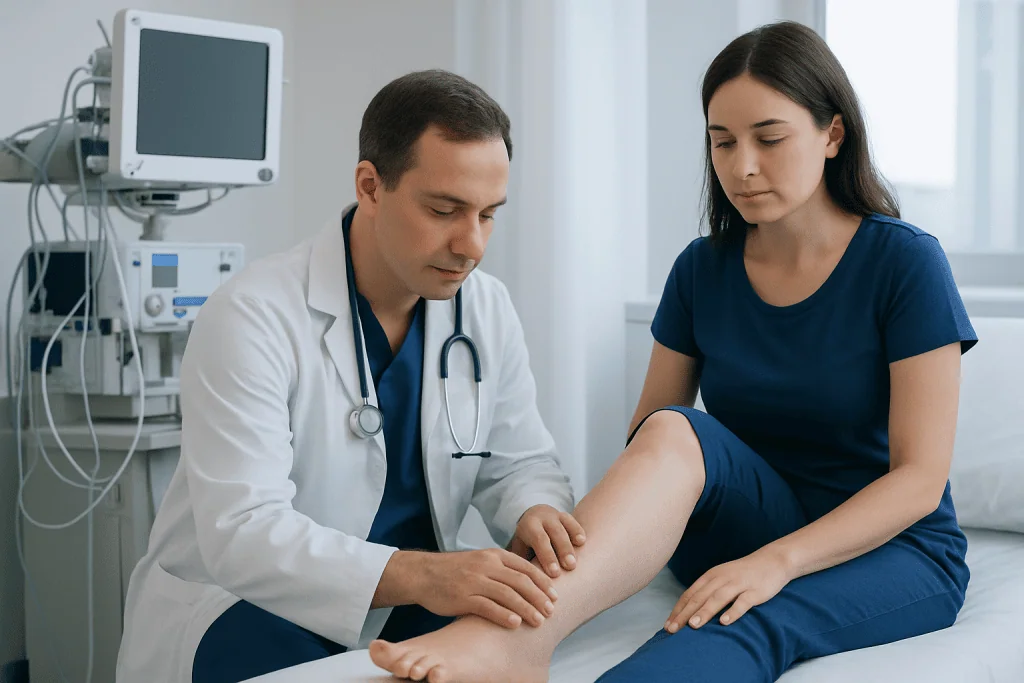
The most obvious symptom of peri edema is visible swelling. The area may look puffy, stretched, or fuller than usual. Some patients describe heaviness, tightness, stiffness, or reduced flexibility in the affected body part. Mild edema may come and go, while more significant swelling can persist and interfere with comfort or movement.
Swelling can affect many parts of the body. Common patterns include:
- Feet, ankles, and lower legs, especially after prolonged sitting or standing
- Hands and fingers, sometimes noticed when rings feel tight
- Face or around the eyes, often more visible in the morning
- Abdomen, when fluid builds up inside the abdominal cavity
- One arm or one leg, which may suggest lymphatic or venous blockage
Depending on the cause, peri edema may occur with other symptoms. These can include weight gain over a short period, skin that looks shiny or feels stretched, aching in the legs, reduced urine output, fatigue, or breathlessness. If infection or inflammation is involved, the area may also be warm, red, or tender.
Doctors also look at whether swelling is symmetrical or one-sided, sudden or gradual, and whether pressing a finger into the skin leaves a temporary dent. These details can help distinguish simple fluid retention from conditions such as vein disease, lymphatic swelling, allergic reactions, or organ-related causes.
Causes and risk factors
Peri edema develops when the body’s usual fluid regulation is disrupted. Sometimes the cause is temporary and relatively harmless, such as hot weather, long travel, a high-salt meal, pregnancy, or spending many hours on the feet. In these situations, the swelling often improves with rest, leg elevation, movement, or reduced sodium intake.
Medications are another common reason for edema. Certain blood pressure medicines, anti-inflammatory drugs, hormone treatments, steroids, and some diabetes medicines may contribute to fluid retention. A doctor may review medication timing and recent changes if swelling begins after a new prescription or dose adjustment.
Swelling may also signal an underlying medical problem. Conditions affecting the heart can reduce the body’s ability to move blood efficiently, allowing fluid to back up into tissues. Kidney disorders may impair salt and water balance. Liver disease can lower the proteins that help keep fluid inside blood vessels. Problems in the veins, such as varicose veins, can make fluid pool in the lower legs, while lymphatic obstruction can lead to longer-lasting swelling.
Risk factors include older age, obesity, pregnancy, reduced mobility, chronic vein disease, prior surgery or radiation involving lymph nodes, and long-distance travel. In some cases, edema can also be linked to endocrine disorders, allergic reactions, infection, or inflammation. Because there are many possible causes, persistent peri edema should not be self-diagnosed.
How doctors diagnose peri edema
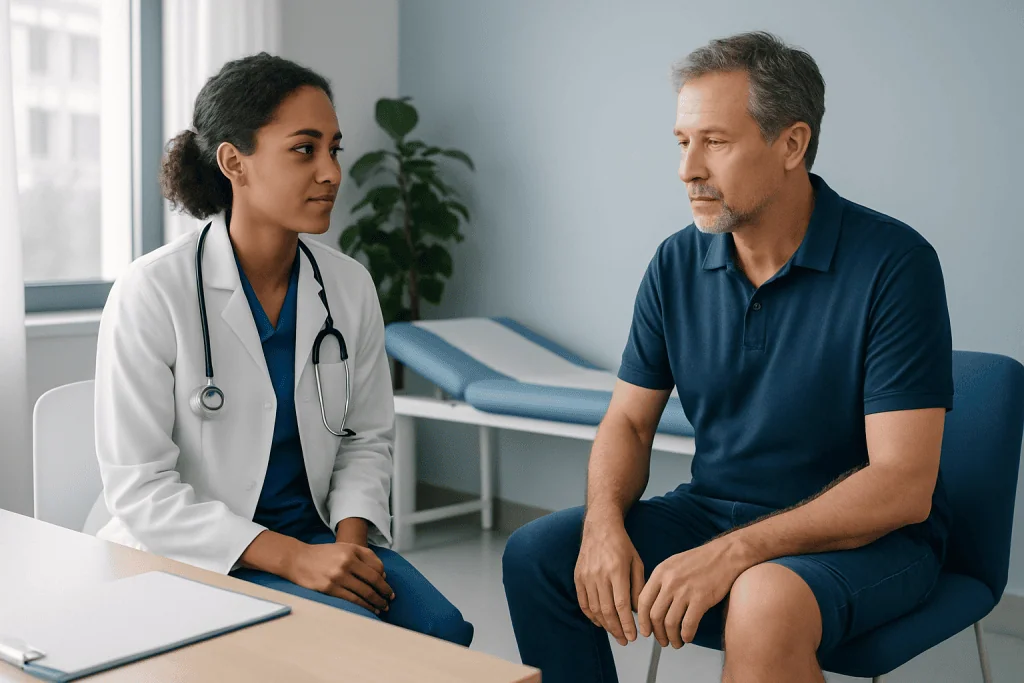
Diagnosis begins with a careful clinical history and physical examination. A doctor will ask when the swelling began, whether it changes through the day, whether it affects one or both sides, and whether there are symptoms such as shortness of breath, pain, fever, rash, or decreased urination. Medical conditions, pregnancy, travel, and medications are also important clues.
During the exam, the doctor assesses the location, extent, and texture of the swelling. They may check for pitting, skin color changes, tenderness, varicose veins, signs of infection, or symptoms suggesting heart, kidney, or liver involvement. Blood pressure, weight changes, and lung and heart findings may also guide the evaluation.
Testing depends on the suspected cause. Blood and urine tests may help assess kidney function, liver function, protein levels, thyroid function, and inflammation. Imaging studies can be helpful when a structural cause is suspected. For example, vascular ultrasound may be used to look for vein problems or a blood clot, while other scans may be considered if lymphatic or organ-related disease is a concern.
The aim is not only to confirm that edema is present but to identify why it is happening. This is important because treatment for simple fluid retention differs from treatment for chronic venous insufficiency, kidney disease, heart failure, or lymphedema. A targeted diagnosis helps avoid unnecessary treatment and supports safer long-term management.
Treatment options and medical management
Treatment for peri edema depends on its cause, severity, and how much it affects daily life. If swelling is mild and due to lifestyle factors, doctors may recommend reducing salt intake, increasing movement, elevating the legs, staying hydrated, and avoiding long periods of sitting or standing. These measures often help the body clear extra fluid more effectively.
When medication is contributing to swelling, the prescribing doctor may consider adjusting the treatment plan. Patients should not stop a prescribed medicine on their own. If an underlying condition such as heart, kidney, liver, or thyroid disease is present, treating that condition is the most important step in improving edema.
For venous causes, compression stockings, exercise, and vein-focused treatment may be advised. Some patients may benefit from specialist evaluation for varicose veins treatment if chronic vein disease is playing a major role. If lymphatic drainage is impaired, approaches such as compression, specialized massage techniques, skin care, and supervised therapy may be part of care.
Doctors sometimes prescribe medicines to help the body remove extra fluid, but these are not suitable for every type of edema and must be used carefully. Ongoing or unexplained swelling may also require coordinated care between internal medicine, cardiology, nephrology, vascular medicine, or other specialties. Near the end of the care pathway, some international patients choose centers such as Acibadem International, where multidisciplinary specialists in JCI-accredited hospitals evaluate and treat edema-related conditions based on the underlying diagnosis.
Self-care and prevention strategies
Not all peri edema can be prevented, but healthy daily habits can reduce the chance of fluid buildup and ease mild symptoms. Gentle movement helps calf muscles and circulation work more effectively, especially during travel or desk-based work. Short walking breaks, ankle flexing, and avoiding sitting still for very long periods can be useful.
Simple self-care steps may include:
- Elevating the legs above heart level when resting, if leg swelling is present
- Limiting excess dietary sodium
- Maintaining a healthy body weight
- Wearing properly fitted compression garments when advised by a doctor
- Protecting the skin from dryness, injury, and infection
- Tracking whether swelling is linked to menstrual cycles, travel, heat, or medication changes
Hydration is also important. Some patients assume that drinking less water will reduce swelling, but dehydration can sometimes worsen fluid balance. A doctor can advise on fluid intake if there is a kidney, heart, or liver condition. Patients with chronic edema may benefit from keeping a symptom diary, including weight, swelling pattern, and triggers.
It is also wise to pay attention to skin changes. Long-standing edema can make the skin more delicate and prone to irritation or infection. If swelling is recurrent in the lower limbs, evaluation for chronic vein disease or deep vein thrombosis risk may be appropriate, particularly if symptoms are one-sided or painful.
When to seek medical care
Medical care is appropriate if peri edema does not improve, keeps returning, or is accompanied by other symptoms. A routine medical appointment is recommended when swelling lasts more than a few days without a clear reason, steadily worsens, affects daily activity, or appears after starting a new medication. Recurrent morning puffiness, ongoing leg swelling, or abdominal swelling should also be assessed.
Prompt evaluation is especially important when swelling affects only one leg or one arm, or when it is associated with redness, warmth, or tenderness. These features can suggest a blood clot, infection, or local blockage that should not be ignored. A specialist assessment may include cardiology evaluation or vascular review when symptoms point toward circulatory causes.
Urgent care is needed if swelling occurs with shortness of breath, chest pain, fainting, blue lips, severe weakness, sudden confusion, or a rapid increase in body swelling. These symptoms may indicate a serious heart, lung, kidney, or allergic problem. Sudden facial swelling with difficulty breathing or swallowing is also an emergency.
While edema is common and often manageable, it is safest to let a qualified doctor decide whether the swelling is temporary or a sign of a larger health issue. Early evaluation can bring reassurance, identify treatable causes, and help prevent complications.
Frequently asked questions
Is peri edema the same as edema?
Peri edema is generally used to describe swelling related to fluid collecting around tissues or in a particular area. Edema is the broader medical term for swelling caused by excess fluid. In practice, the key issue is identifying where the swelling is and what is causing it.
Can peri edema go away on its own?
Yes, mild swelling can improve on its own when it is related to heat, long travel, standing for long periods, or temporary dietary factors such as high salt intake. Rest, movement, and elevation may help. If it keeps happening or does not improve, a doctor should assess it.
What causes swelling around the eyes?
Swelling around the eyes can happen from allergies, lack of sleep, crying, sinus issues, infection, or fluid retention. It may also be seen with kidney problems or thyroid disease. A doctor can help if it is persistent, painful, or associated with vision changes or general body swelling.
When is leg swelling a warning sign?
Leg swelling is more concerning when it is sudden, affects one leg more than the other, is painful, or comes with redness or warmth. It also needs prompt care if it is associated with shortness of breath or chest pain. These symptoms can point to a blood clot or a heart or lung problem.
Do diuretics treat all types of peri edema?
No. Diuretics can be helpful in some cases, especially when the body is retaining extra fluid due to certain medical conditions. However, they are not suitable for every cause of edema, such as some lymphatic or venous problems, and should only be used under medical supervision.
Can diet affect peri edema?
Yes. Eating too much sodium can encourage the body to hold onto fluid, which may worsen swelling. A balanced diet, good hydration, and weight management can help reduce mild fluid retention, although diet alone will not treat a serious underlying medical cause.
This article is for general information only and is not a substitute for professional medical advice. Please consult a qualified doctor about your individual situation.
Explore treatments in Turkey — costs, top hospitals & a free quote
JCI-accredited · board-certified surgeons · reply within 24h
Add us as a Preferred Source to see more of our trusted health content across Google Search, AI Overviews and Discover.
Check your numbers in seconds
BMI, calories, due date, blood pressure and 30+ more clinical calculators — free, instant, doctor-reviewed ranges.

More from the Health Library

Beauty Sleep — Explained by Medical Evidence, Not Myths

Sinus Pressure Points: What Patients Need to Know

Neoplastic: A Complete Medical Overview
Small Blisters on Fingers: What Patients Need to Know

Understanding the Health Context of a 130 kg Weight