Perimenopause: Cycle Changes, Hot Flashes, and Symptom Relief

Perimenopause can begin several years before menopause and is marked by changing estrogen and progesterone patterns. Irregular periods, hot flashes, night sweats, sleep disruption, mood changes, vaginal dryness, and changes in sexual comfort are common.
Key Takeaways
- Perimenopause can begin several years before menopause and is marked by changing estrogen and progesterone patterns.
- Irregular periods, hot flashes, night sweats, sleep disruption, mood changes, vaginal dryness, and changes in sexual comfort are common.
- A diagnosis is usually based on age, menstrual history, and symptoms; testing may be used to rule out pregnancy, thyroid disease, anemia, or other conditions.
- Treatment is individualized and may include lifestyle changes, non-hormonal medicines, hormone therapy for suitable candidates, and vaginal treatments.
- Heavy bleeding, bleeding after menopause, severe pain, or symptoms affecting daily life should be discussed with a doctor.
Perimenopause is the natural transition leading up to menopause, when hormone levels fluctuate and periods, sleep, temperature control, and mood may change. Many symptoms can be eased with lifestyle measures, medical treatments, and guidance from a qualified clinician.
Overview
Perimenopause means “around menopause.” It is the transition phase before menopause, which is defined as 12 consecutive months without a menstrual period. During perimenopause, the ovaries gradually change how they produce estrogen and progesterone. These shifts do not happen in a straight line, so symptoms may come and go or vary in intensity from month to month.
For many people, perimenopause begins in the 40s, although it can start earlier or later. The transition may last a few years, but the timing is individual. Some women notice only mild cycle changes, while others experience hot flashes, sleep disruption, mood changes, or vaginal and urinary symptoms that affect quality of life.
Perimenopause is a normal life stage, not an illness. Still, symptoms deserve attention when they interfere with sleep, work, relationships, sexual comfort, or emotional well-being. A clinician can help confirm whether symptoms fit the menopause transition and offer safe, personalized relief options.
Cycle Changes During Perimenopause
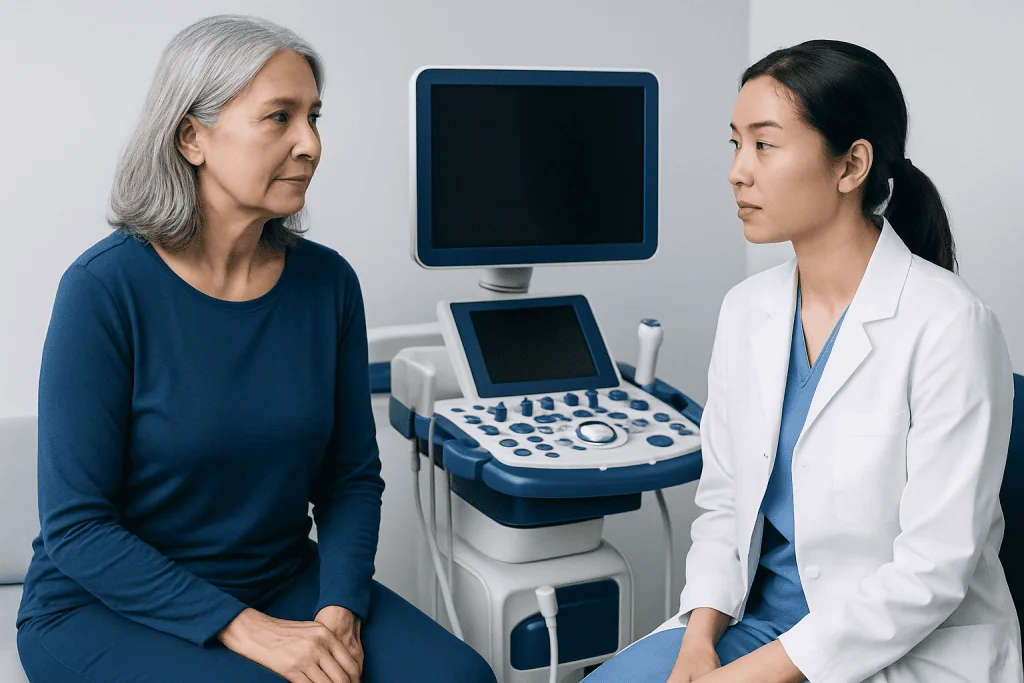
Menstrual changes are often the first sign of perimenopause. Cycles may become shorter, longer, lighter, or heavier. A person may skip a period and then have bleeding again. These changes happen because ovulation becomes less predictable, and hormone levels fluctuate more than they did earlier in reproductive life.
Common cycle patterns include periods that arrive closer together, periods that are delayed by several weeks, spotting before or after bleeding, or changes in flow. Some months may feel like usual cycles, while others feel noticeably different. Even when periods are irregular, pregnancy is still possible until menopause is complete, so contraception may still be needed if pregnancy is not desired.
Not all bleeding changes should be assumed to be perimenopause. Very heavy bleeding, bleeding that soaks through pads or tampons quickly, bleeding after sex, bleeding between periods that is persistent, or any bleeding after menopause should be medically assessed. Conditions such as fibroids, polyps, thyroid disorders, medication effects, pregnancy complications, and endometrial changes can also cause abnormal bleeding.
Hot Flashes, Night Sweats, and Other Symptoms

Hot flashes are sudden feelings of heat that may affect the face, neck, chest, or whole body. They can be accompanied by sweating, flushing, a fast heartbeat, or chills afterward. When they occur during sleep, they are called night sweats and can lead to waking, fatigue, and reduced concentration the next day.
Other perimenopause symptoms may involve several body systems. Sleep may become lighter or more interrupted. Mood can feel less steady, with increased irritability, anxiety, or low mood in some people. Changes in vaginal tissue may cause dryness, burning, itching, discomfort with sex, or more frequent urinary urgency and urinary tract infections.
Some women also report headaches, joint or muscle aches, changes in skin and hair, weight distribution changes, bloating, breast tenderness, or changes in sexual desire. These symptoms can have more than one cause, so it is important to look at the full picture rather than attributing every new symptom to hormones.
- Vasomotor symptoms: hot flashes and night sweats.
- Menstrual symptoms: irregular timing, heavier or lighter flow, skipped periods.
- Genitourinary symptoms: vaginal dryness, urinary urgency, discomfort with sex.
- General symptoms: sleep disruption, mood changes, fatigue, headaches, aches, and changes in libido.
Causes and Risk Factors
The main cause of perimenopause is the natural aging of the ovaries. As the number and responsiveness of ovarian follicles decline, ovulation becomes less regular. Estrogen and progesterone levels may rise and fall unpredictably before gradually settling into the lower levels typical of postmenopause.
Several factors can influence the timing and experience of perimenopause. Family history often plays a role in when menopause occurs. Smoking is associated with earlier menopause. Certain medical treatments, such as chemotherapy, pelvic radiation, or surgery involving the ovaries, may also affect ovarian function. Some autoimmune or genetic conditions can contribute to earlier ovarian insufficiency.
Stress, sleep habits, body weight, alcohol use, and overall health may influence how symptoms are felt, although they do not fully determine the transition. Existing conditions such as thyroid disease, depression, migraine, endometriosis, fibroids, or metabolic disorders can overlap with perimenopause and may need separate evaluation and treatment.
Diagnosis and Medical Evaluation
Perimenopause is usually diagnosed based on age, symptoms, and menstrual history. A doctor may ask about cycle length, bleeding pattern, hot flashes, sleep, mood, medications, medical history, sexual health, and contraception needs. Keeping a simple symptom and cycle diary for two to three months can make the consultation more productive.
Hormone blood tests are not always required because estrogen and follicle-stimulating hormone levels can vary widely during perimenopause. A single test may not give a clear answer. However, testing may be helpful in selected situations, such as symptoms before age 40, unclear menstrual changes, suspected thyroid disease, possible pregnancy, anemia from heavy bleeding, or symptoms that suggest another condition.
Depending on the symptoms, evaluation may include a pregnancy test, thyroid function tests, blood count, pelvic examination, cervical screening if due, pelvic ultrasound, or endometrial sampling in certain bleeding patterns. The goal is not to over-medicalize a natural transition, but to ensure that treatable or important causes are not missed.
Treatment Options for Symptom Relief
Treatment depends on symptom type, severity, medical history, and personal preferences. Some women need only reassurance and self-care strategies, while others benefit from medical treatment. The best plan is individualized and regularly reviewed, because symptoms and health needs can change during the transition.
Menopausal hormone therapy can be an effective option for hot flashes and night sweats in suitable candidates. It may also help sleep when sleep disruption is driven by vasomotor symptoms. The type of therapy depends on whether a person has a uterus, medical history, age, time since menopause, and risk factors. Hormone therapy is not appropriate for everyone, including some people with a history of certain cancers, blood clots, stroke, liver disease, or unexplained vaginal bleeding.
Non-hormonal medicines may be considered when hormone therapy is not suitable or not preferred. Certain antidepressants, nerve-pain medicines, blood pressure medicines, or newer non-hormonal therapies may reduce hot flashes for some people. These medications should be chosen with a clinician to account for other conditions, side effects, and drug interactions.
For vaginal dryness, burning, or discomfort with sex, moisturizers and lubricants can help. If symptoms persist, low-dose vaginal estrogen or other local therapies may be recommended for suitable patients. Unlike systemic hormone therapy, local vaginal treatments are designed to act mainly on vaginal and urinary tissues, but they should still be discussed with a healthcare professional.
Prevention, Self-care, and Daily Comfort
Perimenopause cannot be prevented, but many daily habits can reduce symptom burden and support long-term health. Regular physical activity, including both aerobic exercise and strength training, helps maintain bone, muscle, heart, and metabolic health. A balanced eating pattern with adequate protein, calcium-rich foods, vitamin D as recommended, fiber, and healthy fats can support energy and well-being.
Hot flashes may improve when common triggers are identified and managed. Triggers vary, but may include warm rooms, alcohol, spicy foods, stress, hot drinks, or poor sleep. Dressing in layers, using breathable bedding, keeping the bedroom cool, and practicing paced breathing or relaxation techniques may help some people feel more in control.
Sleep care is especially important. A consistent sleep schedule, reduced evening caffeine and alcohol, limited screen use before bed, and a relaxing bedtime routine can improve sleep quality. If anxiety, low mood, or irritability are prominent, counseling, cognitive behavioral therapy, mindfulness-based approaches, or treatment for mood disorders may be helpful.
Bone and heart health also become important during the menopause transition. Doctors may discuss blood pressure, cholesterol, diabetes risk, weight changes, smoking cessation, alcohol intake, and bone density assessment when appropriate. Preventive care during this stage can support health well beyond the final menstrual period.
When to See a Doctor
A medical visit is recommended if symptoms are difficult to manage, if hot flashes or night sweats disrupt sleep, or if mood changes interfere with daily life. It is also important to seek care for very heavy bleeding, bleeding after sex, bleeding between periods that persists, pelvic pain, new severe headaches, unexplained weight changes, or any bleeding after 12 months without a period.
People under 40 with skipped or stopped periods, hot flashes, or symptoms suggestive of menopause should be evaluated for primary ovarian insufficiency and other causes. Anyone with a history of breast cancer, blood clots, stroke, significant liver disease, migraine with aura, or complex medical conditions should discuss treatment choices carefully before using hormonal therapies.
A qualified gynecologist, primary care physician, or menopause-focused clinician can help separate normal transition symptoms from other conditions and create a safe plan. For international patients, Acibadem International’s multidisciplinary specialists and JCI-accredited hospitals diagnose and treat perimenopause-related concerns as part of comprehensive women’s health care.
Frequently asked questions
How do people know they are in perimenopause?
Perimenopause is often suspected when a person in the typical age range develops irregular periods along with symptoms such as hot flashes, night sweats, sleep changes, or vaginal dryness. Diagnosis is usually based on menstrual history and symptoms rather than a single hormone test. A doctor may order tests if symptoms start unusually early or if bleeding patterns need further evaluation.
Can pregnancy happen during perimenopause?
Yes. Ovulation becomes less predictable during perimenopause, but it can still occur. Pregnancy remains possible until menopause is confirmed, which means 12 consecutive months without a period. Anyone who does not wish to become pregnant should discuss contraception options with a healthcare professional.
Are hot flashes dangerous?
Hot flashes are usually not dangerous, but they can be uncomfortable and disruptive, especially when they disturb sleep. Frequent night sweats can affect daytime energy, mood, and concentration. If symptoms are severe or new symptoms such as fever, unexplained weight loss, chest pain, or persistent palpitations occur, medical assessment is recommended.
Is hormone therapy safe for perimenopause symptoms?
Hormone therapy can be effective for hot flashes and night sweats in appropriately selected patients, but it is not suitable for everyone. Safety depends on age, personal and family medical history, the type of therapy, and individual risk factors. A clinician can explain the potential benefits and risks and review non-hormonal alternatives if needed.
What can help with vaginal dryness during perimenopause?
Regular vaginal moisturizers and lubricants during sexual activity can reduce dryness and discomfort for many people. If symptoms continue, a doctor may discuss local vaginal treatments such as low-dose vaginal estrogen or other prescription options. Persistent pain, bleeding with sex, or recurrent urinary symptoms should be evaluated.
When is irregular bleeding not normal in perimenopause?
Some irregularity is common, but very heavy bleeding, bleeding that lasts much longer than usual, bleeding after sex, or frequent bleeding between periods should be assessed. Any bleeding after menopause, meaning after 12 months without a period, also needs medical evaluation. These checks help rule out conditions such as fibroids, polyps, endometrial changes, or other causes.
References
- American College of Obstetricians and Gynecologists
- The Menopause Society
- National Institute on Aging
- World Health Organization
- National Institute for Health and Care Excellence
This article is for general information only and is not a substitute for professional medical advice. Please consult a qualified doctor about your individual situation.
Explore treatments in Turkey — costs, top hospitals & a free quote
JCI-accredited · board-certified surgeons · reply within 24h
Add us as a Preferred Source to see more of our trusted health content across Google Search, AI Overviews and Discover.
Check your numbers in seconds
BMI, calories, due date, blood pressure and 30+ more clinical calculators — free, instant, doctor-reviewed ranges.

More from the Health Library



Related Specialists

Dr. Emel Özveren
Anesthesiology
Prof. Dr. Tufan Bilgin
Gynecology & Obstetrics
Prof. Dr. Serap Gençer
Infectious Diseases & Clinical Microbiology
Assoc. Prof. Dr. Sabri Berkem Ökten
Gynecology & Obstetrics