Period Explained: Causes, Management, and When to See a Doctor

A period is part of the menstrual cycle and often changes over time, especially during adolescence, after pregnancy, and near menopause. Normal periods vary in length, flow, and symptoms, but very heavy bleeding, severe pain, or missed periods may need medical assessment.
Key Takeaways
- A period is part of the menstrual cycle and often changes over time, especially during adolescence, after pregnancy, and near menopause.
- Normal periods vary in length, flow, and symptoms, but very heavy bleeding, severe pain, or missed periods may need medical assessment.
- Common causes of period changes include stress, hormonal shifts, weight changes, thyroid problems, polycystic ovary syndrome, and uterine conditions.
- Treatment depends on the cause and may include lifestyle measures, pain relief, hormonal treatment, or evaluation for underlying conditions.
- Urgent care is important for very heavy bleeding, fainting, pregnancy-related bleeding, or severe sudden pelvic pain.
A period is the monthly shedding of the uterine lining, usually lasting a few days and varying somewhat from person to person. Changes in timing, flow, or pain are often manageable, but some patterns can signal a medical issue that deserves evaluation.
What a period is and what is usually normal
A period is the monthly bleeding that happens when the body sheds the lining of the uterus because pregnancy has not occurred. It is one phase of the menstrual cycle, which is guided by changing hormone levels. For many people, a period begins during the teenage years and continues until menopause, although the pattern can differ at different life stages.
There is a wide range of what is considered normal. A menstrual cycle is often counted from the first day of one period to the first day of the next. Some people bleed for only a few days, while others bleed a little longer. Flow may be light, moderate, or heavier on some days, and symptoms such as mild cramping, breast tenderness, tiredness, or mood changes are common.
Periods are not always identical from month to month. Stress, illness, travel, sleep disruption, exercise changes, and shifts in body weight can affect timing and symptoms. During the first few years after periods begin and in the years leading up to menopause, cycles can be especially variable because hormone patterns are still maturing or changing.
Understanding a personal baseline can be helpful. Tracking the start date, duration, flow, pain level, and any other symptoms can make it easier to recognize when a period change is simply a normal variation and when it may be worth discussing with a doctor.
Common period symptoms and how they can feel
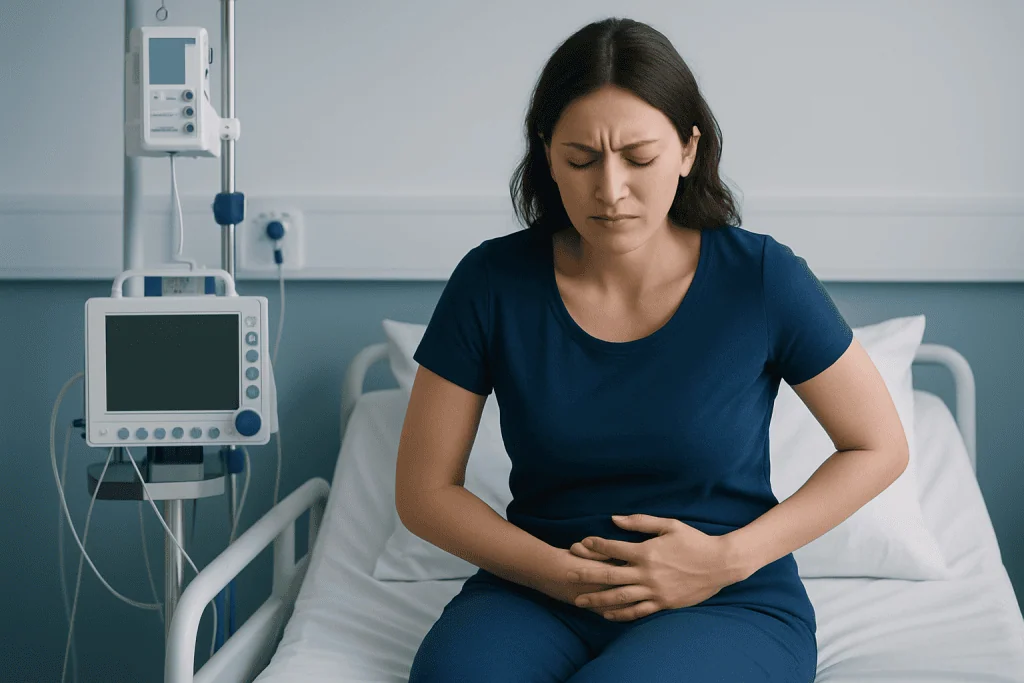
Many people experience some physical and emotional symptoms before or during a period. Mild to moderate lower abdominal cramps are among the most common. These cramps happen because the uterus contracts to help shed its lining. The discomfort may spread to the lower back or thighs and may come and go over the first few days of bleeding.
Other common symptoms include bloating, breast soreness, fatigue, headaches, loose stools, food cravings, acne flares, and mood shifts such as irritability or feeling more emotional. These symptoms can be uncomfortable, but they are often manageable and tend to follow a similar pattern from cycle to cycle.
Symptoms may become more noticeable if bleeding is heavy or if a person has an underlying condition affecting the uterus or hormones. Severe cramps that interfere with school, work, or sleep are not something a person has to simply endure. Pain that is steadily worsening over time or symptoms that appear suddenly after years of easier periods deserve medical attention.
It can also help to separate period-related symptoms from symptoms that may point to another issue. For example, fever, unusual vaginal discharge, strong odor, pain during sex, or pain that is not linked to the menstrual cycle may suggest an infection or another gynecologic condition rather than a typical period pattern.
Why periods change: causes and risk factors

Period changes can happen for many reasons, and not all of them are serious. Hormonal fluctuations are the most common explanation. Adolescence, the months after childbirth, breastfeeding, and the years before menopause can all affect how often periods come, how heavy they are, and how painful they feel.
Stress, major exercise changes, eating disorders, rapid weight loss, obesity, poor sleep, and some medications can also affect the menstrual cycle. Medical conditions may play a role as well. Examples include thyroid disorders, polycystic ovary syndrome, bleeding disorders, endometriosis, and uterine growths such as uterine fibroids. In some cases, very heavy or frequent bleeding may be linked with endometriosis or other conditions affecting the pelvis.
Pregnancy should always be considered when a period is late or unusual, even if cycles are often irregular. Bleeding in early pregnancy can have different causes and should not automatically be assumed to be a normal period. Perimenopause is another common reason for changes in timing and flow in adults approaching menopause.
Risk factors for troublesome periods depend on the pattern. A family history of heavy bleeding, diagnosed hormone disorders, uterine abnormalities, clotting problems, and long-standing irregular cycles can all increase the chance that period symptoms will need evaluation. A doctor looks at the whole picture rather than one symptom alone.
How doctors evaluate period problems
When periods are painful, heavy, infrequent, absent, or unpredictable, evaluation begins with a detailed history. A doctor may ask about cycle timing, bleeding amount, clots, pain, sexual activity, possible pregnancy, medications, past pregnancies, and family history. A symptom diary or period-tracking app can be very helpful at this stage.
A physical exam may be recommended depending on age, symptoms, and medical history. Doctors often look for signs of anemia, thyroid disease, hormone imbalance, or pelvic tenderness. Laboratory tests can include pregnancy testing and blood work to check blood counts, iron status, thyroid function, or other hormone-related markers when appropriate.
Imaging may be used if a structural cause is suspected. Pelvic ultrasound is commonly used to assess the uterus and ovaries and can help identify fibroids, ovarian cysts, or other abnormalities. In selected situations, the evaluation may include pelvic ultrasound or MRI to clarify the cause of bleeding or pain.
The goal of diagnosis is not only to explain symptoms but also to guide treatment. A clinician may distinguish between primary period pain, which happens without another pelvic disease, and secondary pain, which is linked to an underlying condition. This difference matters because the treatment approach can be different.
Treatment and management options
Treatment for period concerns depends on the symptoms, the person’s age and reproductive plans, and the underlying cause. For common cramping, doctors often recommend practical symptom relief such as rest, a heating pad, regular movement, hydration, and over-the-counter pain relief when appropriate. These measures can be enough for many people with mild to moderate discomfort.
If symptoms are more disruptive, hormonal treatments may be considered to regulate cycles, reduce bleeding, or ease pain. These can include options that contain estrogen and progestin or progestin-only methods, depending on individual health factors. When heavy bleeding causes low iron, treatment may also include iron replacement under medical guidance.
When a condition such as fibroids, ovarian cysts, or endometriosis is involved, care focuses on the specific diagnosis. Depending on findings, a doctor may discuss further gynecologic assessment or procedures. In selected cases, evaluation and treatment may involve gynecology care or minimally invasive laparoscopy to diagnose or manage the source of pain or bleeding.
For international patients who need coordinated assessment, Acibadem International’s multidisciplinary specialists and JCI-accredited hospitals diagnose and treat menstrual and gynecologic conditions with individualized care plans. The best treatment approach is the one matched to the cause, symptoms, and the patient’s overall health.
Self-care, tracking, and prevention of symptom flare-ups
Not every period problem can be prevented, but good self-care can make symptoms easier to manage and may help reveal patterns. Keeping a simple menstrual record can show whether cycles are shortening, becoming farther apart, or getting heavier. It is useful to note the number of days of bleeding, pad or tampon changes, clots, pain level, and symptoms such as dizziness or fatigue.
Lifestyle habits may also support menstrual health. Regular physical activity, balanced meals, adequate sleep, and stress management can help some people have more predictable cycles and less severe symptoms. People with heavy periods may benefit from discussing iron intake with a clinician, especially if they feel tired or short of breath.
Self-care steps for cramps and discomfort may include:
- Using a heating pad or warm bath
- Staying hydrated
- Gentle stretching or walking
- Planning rest if symptoms are strongest on certain days
- Taking medicines only as directed by a healthcare professional or the product label
It is also important to avoid normalizing severe symptoms. Missing school, work, sports, or social activities every month because of pain or bleeding is a sign that more support may be needed. Early evaluation can improve quality of life and help identify treatable causes.
When to seek medical care
A doctor should evaluate periods that become much heavier, more painful, or more irregular than usual. Medical care is also important if a person bleeds between periods, after sex, or after menopause, or if periods stop unexpectedly without a clear reason such as pregnancy or menopause.
Prompt medical attention is recommended for signs of significant blood loss, including fainting, marked weakness, chest discomfort, shortness of breath, or needing to change pads or tampons very frequently for several hours. Severe sudden pelvic pain, fever, or vomiting also needs urgent evaluation, especially if the pain is one-sided or different from typical cramps.
Bleeding during pregnancy should always be discussed with a healthcare professional. While some causes are minor, pregnancy-related bleeding is not the same as a regular period and should not be assumed to be normal without assessment. A late or unusual period can be a reason to take a pregnancy test and seek advice.
Anyone uncertain about what is normal for them should feel comfortable asking for guidance. A period may be a routine part of life, but troublesome changes are worth checking because effective help is often available.
Frequently asked questions
How long does a normal period last?
A period often lasts a few days, but there is a normal range from person to person. What matters most is whether the pattern is fairly consistent for that individual and whether bleeding or pain is becoming more disruptive over time.
What counts as a heavy period?
Heavy bleeding generally means more blood loss than is typical for that person or bleeding that interferes with daily life. Passing large clots, soaking through menstrual products very quickly, or developing dizziness and fatigue are signs that a doctor should assess it.
Are painful periods normal?
Mild to moderate cramping is common during a period. However, severe pain that causes missed activities, does not improve with usual measures, or gets worse over time should be evaluated for conditions such as endometriosis or fibroids.
Why is a period late or missed?
A period can be late because of stress, illness, travel, major exercise changes, weight changes, hormonal conditions, pregnancy, or perimenopause. If periods are repeatedly missed or suddenly stop, a doctor can help identify the cause.
Can stress affect a period?
Yes. Stress can influence hormone signaling between the brain and ovaries, which may delay ovulation and change the timing or symptoms of a period. If cycle changes continue even after stress improves, medical advice is sensible.
When should someone worry about period symptoms?
Medical advice is important for very heavy bleeding, severe pain, bleeding between periods, bleeding after menopause, or symptoms of anemia such as fatigue and dizziness. Urgent care is needed for fainting, severe sudden pelvic pain, or bleeding during pregnancy.
References
- American College of Obstetricians and Gynecologists
- Office on Women's Health
- National Institute for Health and Care Excellence
- Centers for Disease Control and Prevention
- World Health Organization
This article is for general information only and is not a substitute for professional medical advice. Please consult a qualified doctor about your individual situation.
Explore treatments in Turkey — costs, top hospitals & a free quote
JCI-accredited · board-certified surgeons · reply within 24h
Add us as a Preferred Source to see more of our trusted health content across Google Search, AI Overviews and Discover.

More from the Health Library



Related Specialists

Assoc. Prof. Dr. Murat Urkan
General Surgery
Prof. Dr. Emine Nur Tozan
Treatment of Pain Algology
Prof. Dr. Nazan Bengüdeniz Erda
Ophthalmology
Dr. Haldun Şentürk
Emergency Service