Peripheral Artery Disease: Leg Pain, Poor Circulation, and When Angioplasty Helps

Peripheral artery disease (PAD) usually results from atherosclerosis, a buildup of fatty deposits in the arteries. A common symptom is leg pain or cramping during walking that improves with rest, called claudication.
Key Takeaways
- Peripheral artery disease (PAD) usually results from atherosclerosis, a buildup of fatty deposits in the arteries.
- A common symptom is leg pain or cramping during walking that improves with rest, called claudication.
- PAD is both a leg circulation problem and a warning sign of increased risk for heart attack and stroke.
- Diagnosis often includes a physical exam and an ankle-brachial index test that compares blood pressure in the ankle and arm.
- Treatment may include smoking cessation, exercise therapy, medicines, and in selected cases angioplasty or other revascularization procedures.
- New foot wounds, pain at rest, or sudden worsening symptoms should be assessed promptly by a doctor.
Peripheral artery disease is a circulation problem caused by narrowed arteries that reduce blood flow, most often to the legs. It can cause leg pain when walking, cold feet, slow-healing wounds, or no symptoms at all, and treatment ranges from lifestyle changes and medication to procedures such as angioplasty.
Overview of peripheral artery disease
Peripheral artery disease, often called PAD, develops when arteries outside the heart and brain become narrowed and cannot carry enough blood to the limbs. It most commonly affects the legs. In many people, the narrowing is caused by atherosclerosis, the same process that can lead to coronary artery disease.
Blood carries oxygen and nutrients to the muscles and skin. When leg muscles do not receive enough blood during activity, they may become painful, tight, or tired. Some people notice symptoms only when walking uphill or climbing stairs, while others have more advanced disease that causes pain even at rest.
PAD is important not only because it affects mobility and quality of life, but also because it can be a sign of widespread artery disease. A person with PAD may also have a higher risk of heart attack, stroke, or other cardiovascular problems. For this reason, treatment focuses on both leg symptoms and long-term vascular health.
Symptoms and warning signs
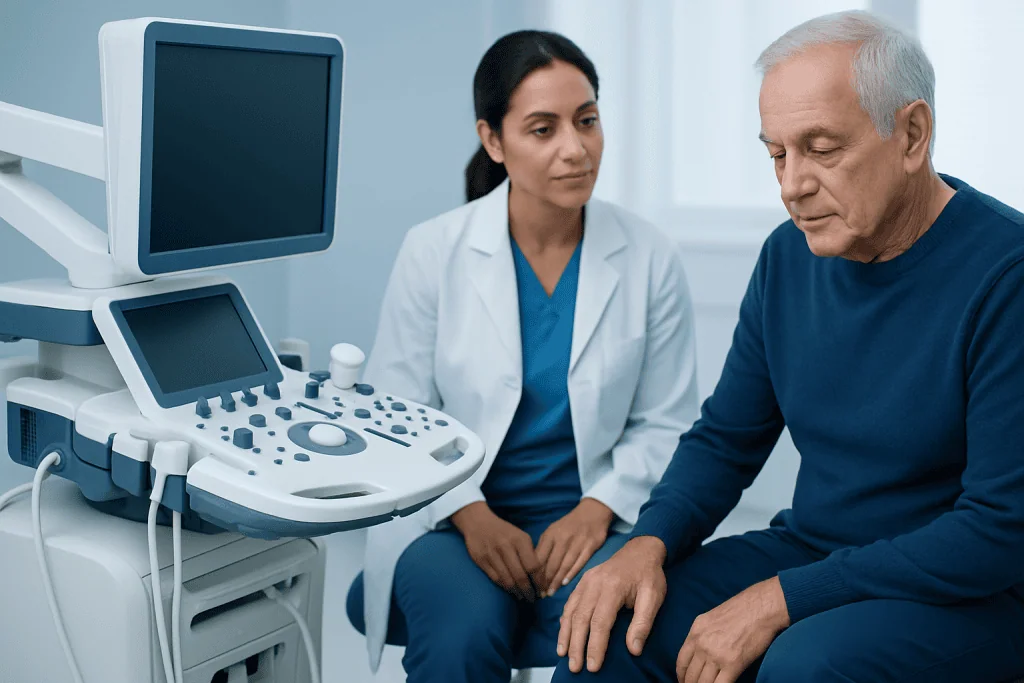
The most typical PAD symptom is claudication, which means aching, cramping, heaviness, or fatigue in the calf, thigh, or buttock during walking that improves with rest. The location of the discomfort can suggest which artery is narrowed. Symptoms often begin gradually, and some people mistakenly attribute them to aging, arthritis, or poor fitness.
Not everyone with PAD has classic leg pain. Some people report reduced walking distance, leg weakness, numbness, one foot feeling colder than the other, or slow recovery after activity. Others may have no symptoms at all, especially in early disease.
When blood flow becomes more severely reduced, additional signs may appear, including:
- Foot or toe wounds that heal slowly
- Shiny skin or loss of hair on the legs
- Changes in skin color
- Pain in the feet or toes while resting, especially at night
- Weak or absent pulses in the feet
These more advanced symptoms need medical attention because they may indicate critical limb ischemia, a serious reduction in blood supply that can threaten tissue health if not treated.
Causes and risk factors
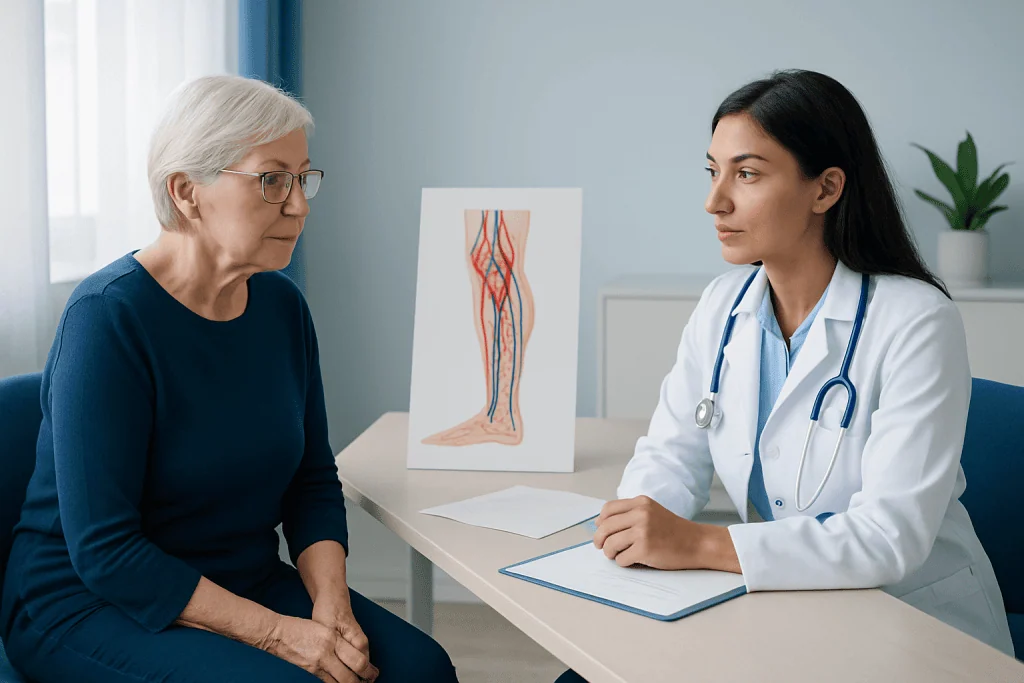
The most common cause of PAD is atherosclerosis. In this process, fatty deposits, cholesterol, calcium, and inflammatory material build up in the artery wall, making it narrower and less flexible. This can reduce blood flow gradually over time. Less common causes include inflammation of blood vessels, injury, unusual anatomy, or prior radiation treatment.
Several factors increase the chance of developing PAD. Smoking is one of the strongest and most important risk factors because it damages blood vessels and accelerates plaque buildup. Diabetes also greatly raises risk, especially when blood sugar has been difficult to control over time.
Other important risk factors include older age, high cholesterol, high blood pressure, obesity, kidney disease, and a family history of vascular disease. People who have high blood pressure or other cardiometabolic conditions often have overlapping vascular risks. PAD is also more common in people who already have heart disease, carotid artery disease, or a history of stroke.
Because the same risk factors affect arteries throughout the body, PAD is often part of a broader cardiovascular picture rather than an isolated leg problem.
How PAD is diagnosed
Diagnosis usually starts with a medical history and physical examination. A doctor will ask about walking-related leg discomfort, smoking history, diabetes, wound healing, and any prior cardiovascular disease. The examination may include checking pulses in the groin, behind the knee, and at the feet, as well as looking for skin changes or ulcers.
A key test for PAD is the ankle-brachial index, or ABI. This simple, noninvasive test compares blood pressure measured at the ankle with blood pressure in the arm. A lower pressure in the ankle can suggest a narrowed artery in the leg. In some people, additional exercise ABI testing is used if symptoms occur mainly during walking.
If more detail is needed, doctors may order vascular ultrasound, CT angiography, or MR angiography to see where the narrowing is and how severe it is. In some cases, catheter-based angiography is performed, particularly when a procedure is being considered. This can help guide interventional cardiology or endovascular treatment planning.
Diagnosis also often includes checking cholesterol, blood sugar, kidney function, and other markers that help assess overall cardiovascular risk and treatment needs.
Treatment options, including when angioplasty helps
Treatment for PAD depends on symptoms, how much blood flow is reduced, the location of the blockage, and the person’s overall health. The goals are to relieve symptoms, improve walking ability, help wounds heal, protect the limb, and reduce the risk of heart attack and stroke.
Initial treatment often includes lifestyle measures and medication. Stopping smoking is one of the most effective steps. A supervised walking program is also a cornerstone of care because regular, structured exercise can improve how far a person can walk before pain starts. Doctors may also prescribe medicines to lower cholesterol, manage blood pressure, reduce clotting risk, and support symptom control when appropriate.
Angioplasty may help when symptoms significantly limit daily life despite exercise and medication, or when blood flow is so reduced that there is rest pain, tissue loss, or a nonhealing wound. During angioplasty, a doctor uses a thin catheter to reach the narrowed artery and inflate a small balloon to widen it. In some cases, a stent is placed to help keep the artery open. This is part of minimally invasive endovascular surgery and may be considered for selected blockages, including some forms of chronic occlusion.
Not all patients need or benefit from angioplasty. Some are better treated with exercise therapy and medicine alone, while others may need surgical bypass if the blockage is long, complex, or not suitable for a catheter-based approach. A vascular specialist or cardiologist will weigh the expected benefits, risks, and durability of each option before recommending a plan.
Prevention and self-care
Preventing PAD and slowing its progression rely largely on improving vascular health. If a person smokes or uses tobacco, stopping is one of the most powerful ways to protect the arteries. Quitting can lower the chance of symptom worsening, procedures, and cardiovascular events over time.
Regular activity is also important. Many people with PAD benefit from a structured walking routine in which they walk until moderate discomfort begins, rest, and then repeat the cycle for a set period. Over time, this can improve endurance and reduce symptoms. A doctor can advise whether supervised exercise therapy is appropriate.
Healthy eating, weight management, diabetes control, and treatment of cholesterol and blood pressure are all part of self-care. Some people may also benefit from rehabilitation and supervised risk-factor management when exercise and cardiovascular prevention need a structured plan.
Foot care matters, especially for people with diabetes. Daily inspection for cuts, blisters, color changes, or sores can help identify problems early. Well-fitting shoes, skin care, and prompt attention to minor injuries may reduce the risk of complications.
When to see a doctor
A doctor should evaluate leg pain that appears predictably with walking, especially if it improves with rest. Even mild symptoms deserve attention because PAD can affect mobility and may signal a higher risk of other cardiovascular disease. Early diagnosis can help prevent progression and support better long-term outcomes.
Prompt medical care is especially important for foot sores that do not heal, pain in the feet or toes at rest, sudden worsening of walking distance, or one leg becoming noticeably colder or paler. Severe or sudden symptoms may indicate a more urgent circulation problem.
People with diabetes, a smoking history, or known cardiovascular disease should be particularly alert to circulation symptoms in the legs. At Acibadem International, multidisciplinary specialists in JCI-accredited hospitals evaluate PAD with imaging, medical therapy, and catheter-based or surgical treatment options for international patients when needed.
Frequently asked questions
What is peripheral artery disease?
Peripheral artery disease is a condition in which narrowed arteries reduce blood flow to the limbs, most often the legs. It is usually caused by atherosclerosis, the buildup of plaque inside the artery walls.
What does PAD leg pain feel like?
PAD often causes cramping, aching, heaviness, or tiredness in the calf, thigh, or buttock during walking. The discomfort typically improves within a few minutes of rest, which is a classic pattern called claudication.
Can someone have PAD without symptoms?
Yes. Many people with PAD have mild symptoms, unusual symptoms, or no symptoms at all. Even without noticeable leg pain, PAD can still increase the risk of heart attack and stroke, so it is worth evaluating in people with risk factors.
How is peripheral artery disease diagnosed?
Doctors often begin with a physical exam and an ankle-brachial index test, which compares blood pressure in the ankle and arm. Ultrasound or other imaging tests may be used to locate the blockage and plan treatment if needed.
When is angioplasty used for PAD?
Angioplasty is usually considered when symptoms interfere with daily activities despite exercise and medication, or when there are more serious problems such as rest pain or nonhealing wounds. It can help reopen narrowed arteries and improve blood flow in selected patients.
Can lifestyle changes really help PAD?
Yes. Stopping smoking, walking regularly, controlling diabetes, lowering cholesterol, and managing blood pressure can make a meaningful difference. These steps may improve symptoms, slow disease progression, and lower the risk of cardiovascular complications.
Is peripheral artery disease the same as a blood clot in the leg?
No. PAD is usually caused by chronic narrowing of the arteries, while a blood clot in the leg often refers to a clot in a vein, such as deep vein thrombosis. Both need medical attention, but they affect different blood vessels and are treated differently.
References
- American Heart Association
- National Heart, Lung, and Blood Institute
- Society for Vascular Surgery
- European Society of Cardiology
- Centers for Disease Control and Prevention
This article is for general information only and is not a substitute for professional medical advice. Please consult a qualified doctor about your individual situation.
Explore treatments in Turkey — costs, top hospitals & a free quote
JCI-accredited · board-certified surgeons · reply within 24h
Add us as a Preferred Source to see more of our trusted health content across Google Search, AI Overviews and Discover.
Check your numbers in seconds
BMI, calories, due date, blood pressure and 30+ more clinical calculators — free, instant, doctor-reviewed ranges.

Cardiology Department
Diagnosis and treatment of heart and vascular conditions, from prevention to advanced interventional procedures.
90 specialists in this unit