Peripheral Edema: A Complete Medical Overview

Peripheral edema means fluid buildup in the body's outer tissues, usually the lower limbs. Common causes include prolonged sitting or standing, medications, vein problems, heart, kidney, or liver disease, and lymphatic blockage.
Key Takeaways
- Peripheral edema means fluid buildup in the body's outer tissues, usually the lower limbs.
- Common causes include prolonged sitting or standing, medications, vein problems, heart, kidney, or liver disease, and lymphatic blockage.
- Swelling in one leg, sudden swelling, or edema with chest pain or shortness of breath needs prompt medical attention.
- Diagnosis focuses on the pattern of swelling, medical history, examination, and tests that look for the underlying cause.
- Treatment works best when it addresses the reason for the swelling, along with practical self-care such as movement, leg elevation, and reducing excess salt.
Peripheral edema is swelling caused by excess fluid collecting in tissues, most often in the legs, ankles, feet, or sometimes the hands. It can be temporary and mild, but it may also signal an underlying medical condition, so evaluation depends on the pattern of swelling and any associated symptoms.
Overview: What Peripheral Edema Means
Peripheral edema is the medical term for swelling caused by extra fluid collecting in tissues away from the center of the body, especially the legs, ankles, feet, and sometimes the hands. Many people notice shoes feeling tighter, sock marks that stay on the skin, or a feeling of heaviness in the legs. In some cases, pressing a finger into the swollen area leaves a temporary dent, called pitting edema.
This symptom is common and does not always mean a serious illness. It may happen after standing for a long time, during hot weather, or during pregnancy. However, peripheral edema can also develop when the body is retaining salt and water, when veins are not returning blood efficiently, or when the heart, kidneys, liver, or lymphatic system are not working as they should.
Rather than being a disease itself, peripheral edema is often a sign that helps doctors look for an underlying cause. The most useful clues are where the swelling occurs, how quickly it started, whether it affects one side or both, and whether other symptoms are present. This approach helps separate common, temporary swelling from edema that needs more urgent evaluation.
Common Symptoms and How It Can Feel
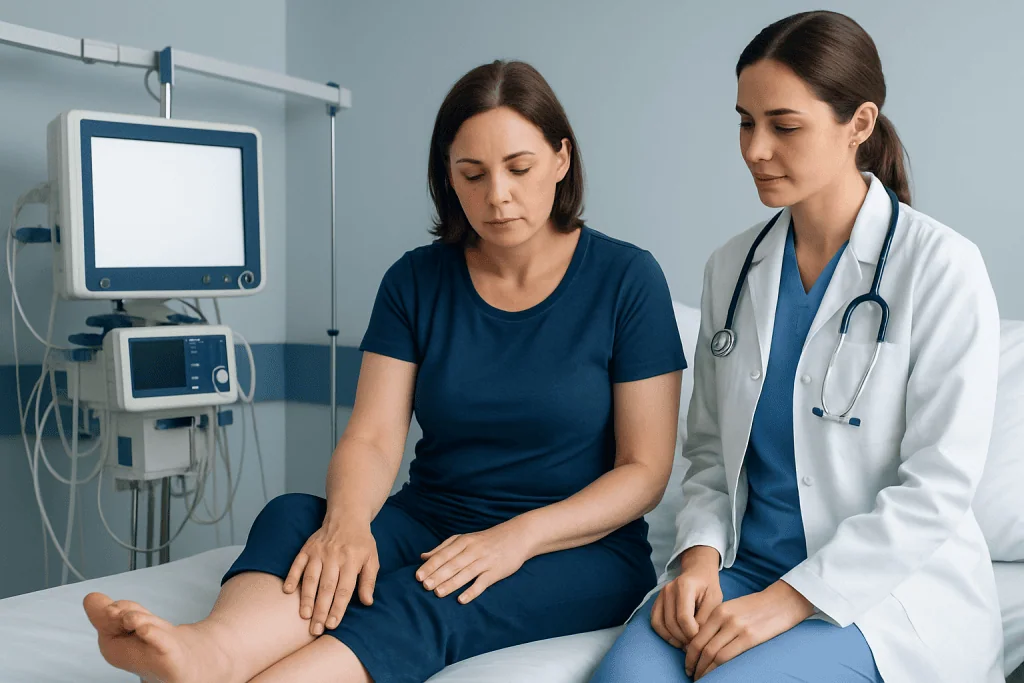
The most typical symptom is visible swelling in the feet, ankles, lower legs, or hands. The skin may look shiny or stretched, and rings, watches, socks, or shoes may feel unusually tight. Some people describe a heavy, full, or tight sensation rather than pain.
Peripheral edema may be mild at first and become more noticeable later in the day, especially after long periods of sitting or standing. It often improves overnight or after raising the legs. Swelling that affects both legs is often linked to fluid retention or circulation problems, while swelling in only one leg may point to a local issue such as vein blockage, infection, injury, or lymphatic obstruction.
Other features can help guide medical assessment. These may include:
- Pitting, where a finger press leaves a temporary indentation
- Warmth, redness, or tenderness
- Skin thickening or a feeling of tightness
- Reduced flexibility in the ankles or fingers
- Rapid weight gain from fluid retention
- Shortness of breath, fatigue, or abdominal swelling, which may suggest a wider body fluid imbalance
Even when the swelling itself is not painful, persistent edema can irritate the skin, make walking less comfortable, and increase the risk of skin breakdown over time. That is why ongoing or unexplained swelling deserves attention.
Why Peripheral Edema Happens

Fluid normally moves in and out of blood vessels and tissues in a carefully balanced way. Peripheral edema develops when that balance shifts so that more fluid leaves the bloodstream than returns to it, or when the lymphatic system cannot drain fluid effectively. This may happen because of increased pressure in veins, changes in blood proteins, inflammation, or impaired lymph drainage.
Some causes are temporary and relatively straightforward. These include standing or sitting for long periods, high salt intake, hot weather, pregnancy, and recovery after an injury. Certain medicines can also contribute, including some blood pressure medications, steroids, hormones, anti-inflammatory drugs, and medicines used for diabetes or pain. A doctor may review all prescription and nonprescription medicines when swelling appears.
Other causes involve medical conditions that affect circulation or fluid balance. Vein-related problems such as chronic venous insufficiency can allow fluid to collect in the lower legs. Disorders involving the heart, kidneys, or liver can lead to more generalized swelling because the body holds on to salt and water or because pressure within blood vessels changes. Conditions such as heart failure or kidney failure are examples in which edema may be one part of a broader clinical picture.
Lymphedema is another important cause. In this condition, lymphatic drainage is reduced, leading to persistent swelling that may feel firmer and may not pit as easily over time. It can follow surgery, radiation therapy, infection, or other conditions affecting lymph vessels or nodes. A careful diagnosis matters because treatment for venous edema, fluid-retention edema, and lymphedema is not exactly the same.
How Doctors Evaluate Peripheral Edema
Diagnosis begins with a detailed history and physical examination. Doctors usually ask when the swelling started, whether it is new or recurrent, whether one or both limbs are involved, and what makes it better or worse. They also ask about breathlessness, chest discomfort, reduced urine output, recent travel, injuries, pregnancy, infections, and medication use.
The physical examination looks at the location and severity of swelling, whether it pits, skin temperature and color, pulses, and signs of vein or lymphatic disease. The doctor may also examine the heart, lungs, abdomen, and neck veins to look for evidence that fluid retention is part of a wider problem.
Tests are chosen based on the suspected cause. Blood and urine tests may check kidney function, liver function, protein levels, thyroid status, or signs of inflammation. Imaging can be especially helpful. For example, Doppler ultrasound may be used to assess blood flow and look for vein problems or a blood clot, while heart tests may be arranged if cardiac causes are suspected. In selected cases, doctors may evaluate for related conditions such as deep vein thrombosis if swelling is sudden, one-sided, or painful.
The goal is not only to confirm that edema is present, but also to identify why it is happening. That step guides safe treatment and helps avoid using the wrong approach for the wrong cause.
Treatment Options and Underlying Cause Management
Treatment for peripheral edema depends on the reason for the swelling. If edema is linked to prolonged standing, heat, or temporary fluid shifts, simple measures may be enough. If it results from a medical condition, the main treatment is to manage that condition. For example, edema related to venous disease, heart disease, kidney disease, or lymphatic problems usually improves most when the underlying disorder is treated properly.
Practical treatments often include leg elevation, regular movement, and compression therapy when suitable. Compression stockings may help reduce venous pooling and support circulation, but they should be used with medical guidance, especially if there is arterial disease or significant pain. In some situations, doctors may recommend varicose veins treatment if chronic vein problems are contributing to persistent lower-leg swelling.
Medications may be adjusted if a drug side effect is suspected. In selected patients, doctors may prescribe diuretics to help the body remove extra fluid, especially when edema is related to heart, kidney, or liver conditions. These medicines are not appropriate for every type of swelling, so self-medicating is not recommended.
When swelling reflects a more complex circulation issue, specialist care may be helpful. Evaluation by cardiology, nephrology, vascular medicine, or internal medicine may be part of the plan. If the clinician suspects a heart-related cause, tests such as echocardiography may help assess heart structure and function as part of a broader workup.
Self-Care, Prevention, and Daily Habits
Not all peripheral edema can be prevented, but healthy daily habits can reduce the chance of fluid pooling and can ease mild swelling. Regular walking and ankle movement help the calf muscles pump blood back toward the heart. Avoiding long periods of sitting or standing in one position is especially helpful during work, travel, or recovery after illness.
Leg elevation is a simple and effective step for many people. Raising the legs above heart level for short periods during the day can reduce fluid buildup. Choosing comfortable footwear, maintaining a healthy body weight, and limiting excess dietary salt may also help, especially in people who retain fluid easily.
Skin care matters when edema is ongoing. Moisturizing dry skin, checking for pressure marks or irritation, and treating small cuts promptly can lower the risk of skin problems. People with diabetes, poor circulation, or reduced sensation in the feet should be especially careful and seek professional advice early if the skin changes.
Compression garments can be useful for some individuals, but they are not a one-size-fits-all solution. A doctor may advise the right type and level of compression after assessing circulation and identifying the likely cause of the swelling.
When to Seek Medical Care
Medical care is important when peripheral edema is new, persistent, unexplained, or getting worse. A clinician should also assess swelling that affects daily activities, causes skin changes, or returns repeatedly. Even when the cause turns out to be minor, proper evaluation can rule out conditions that need treatment.
Urgent medical attention is needed if swelling comes with shortness of breath, chest pain, fainting, severe weakness, confusion, or blue lips. These symptoms can suggest a serious heart or lung problem. Sudden swelling in one leg, especially if it is painful, red, or warm, also needs prompt assessment because a blood clot may need to be ruled out.
People who are pregnant, older adults, and those with known heart, kidney, liver, or vascular disease should be more cautious about new edema. If there is rapid weight gain, reduced urination, or swelling spreading to the abdomen or face, timely review is advisable.
For international patients who need further assessment, Acibadem International’s multidisciplinary specialists and JCI-accredited hospitals evaluate and treat peripheral edema by investigating the underlying cause and tailoring care to the individual.
Frequently asked questions
Is peripheral edema the same as general swelling?
Peripheral edema is a specific type of swelling caused by fluid buildup in tissues, usually in the legs, ankles, feet, or hands. General swelling can refer to many kinds of enlargement, including swelling from injury, inflammation, or infection. The term peripheral edema emphasizes fluid retention in the body's outer parts.
What is the most common place for peripheral edema to appear?
It most often appears in the feet, ankles, and lower legs because gravity encourages fluid to collect there. People who sit or stand for long periods often notice it more in these areas. Hands can also be affected, but lower-limb swelling is more typical.
Can peripheral edema go away on its own?
Yes, mild peripheral edema may improve on its own when it is related to heat, prolonged standing, travel, or temporary fluid shifts. Rest, leg elevation, and moving around can help. If the swelling is persistent, recurrent, one-sided, or linked to other symptoms, medical assessment is important.
Does peripheral edema always mean heart failure?
No, peripheral edema does not always mean heart failure. It can have many causes, including vein problems, medication side effects, pregnancy, kidney or liver disease, or lymphatic blockage. Heart failure is one possible cause, but diagnosis depends on the overall pattern and associated symptoms.
When is leg swelling an emergency?
Leg swelling needs urgent attention if it starts suddenly, affects one leg, or comes with pain, redness, warmth, chest pain, or shortness of breath. These features may suggest a blood clot or another serious circulation problem. Emergency care is also needed if swelling is accompanied by severe breathing difficulty or fainting.
Are diuretics always used to treat peripheral edema?
No, diuretics are not the right treatment for every case. They may be helpful when the body is retaining fluid due to conditions such as heart, kidney, or liver disease, but they are less useful for some venous or lymphatic causes. Treatment should match the underlying reason for the swelling.
References
- National Heart, Lung, and Blood Institute
- National Institute of Diabetes and Digestive and Kidney Diseases
- American Heart Association
- MedlinePlus
- Mayo Clinic
This article is for general information only and is not a substitute for professional medical advice. Please consult a qualified doctor about your individual situation.
Explore treatments in Turkey — costs, top hospitals & a free quote
JCI-accredited · board-certified surgeons · reply within 24h
Add us as a Preferred Source to see more of our trusted health content across Google Search, AI Overviews and Discover.
Check your numbers in seconds
BMI, calories, due date, blood pressure and 30+ more clinical calculators — free, instant, doctor-reviewed ranges.

More from the Health Library
Tissue Transglutaminase Iga — Explained by Medical Evidence, Not Myths

Mais Syrup: An Evidence-Based Guide for Patients
RBC Ua in Urine: An Evidence-Based Guide for Patients

Aloe Vera for Hair — Explained by Medical Evidence, Not Myths

Punctate: Symptoms, Causes, and Treatment — Complete Patient Guide