Peripheral Vision — Explained by Medical Evidence, Not Myths

Peripheral vision supports balance, navigation, driving, and awareness of surroundings. A gradual or sudden change in side vision can be linked to eye disease, nerve problems, brain conditions, or injury.
Key Takeaways
- Peripheral vision supports balance, navigation, driving, and awareness of surroundings.
- A gradual or sudden change in side vision can be linked to eye disease, nerve problems, brain conditions, or injury.
- Glaucoma is a well-known cause of peripheral vision loss, but it is not the only one.
- Testing may include a full eye exam, visual field testing, imaging, and review of medical history.
- Sudden loss of peripheral vision, especially with headache, weakness, flashes, or pain, needs urgent medical care.
Peripheral vision is the ability to see objects to the side without moving the eyes or head. It is essential for safe movement, driving, reading the environment, and noticing changes around the body, and any new change in it deserves proper medical evaluation.
What Peripheral Vision Means
Peripheral vision is the part of sight that detects what is outside the center of direct gaze. In simple terms, it is a person’s side vision. Even when someone looks straight ahead, the eyes and brain still gather visual information from the outer edges of the visual field, helping them notice movement, obstacles, and changes in the surrounding space.
This function matters in everyday life more than many people realize. Peripheral vision helps with walking through a crowded place, climbing stairs, driving, playing sports, and maintaining spatial awareness. It also supports balance and orientation because the brain uses side visual input to understand where the body is in relation to the environment.
Peripheral vision is not as sharp as central vision. Reading fine print or recognizing facial details mainly depends on the center of the retina, while side vision is better at detecting motion and broader shapes. Because of this difference, a person may still read clearly while having an unnoticed problem in the outer visual field.
Changes in peripheral vision should not be dismissed as a normal part of tiredness or aging without assessment. Some causes are temporary or manageable, while others may need prompt treatment to protect sight and address a broader eye, nerve, or brain condition.
How Peripheral Vision Works
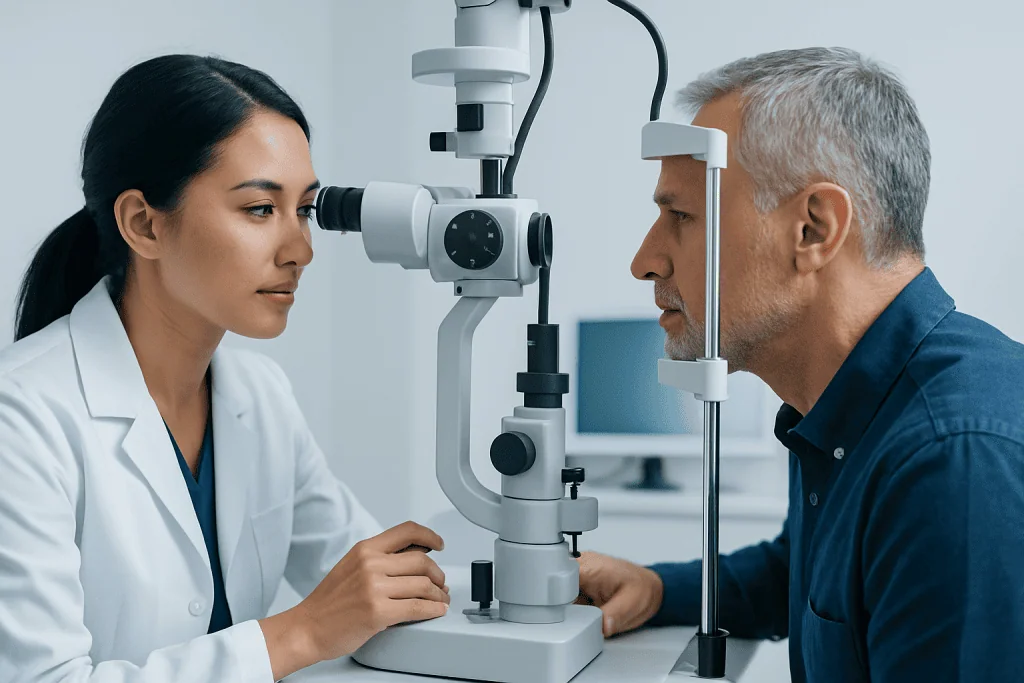
Peripheral vision depends on healthy structures in both the eye and the nervous system. Light enters the eye and reaches the retina, the light-sensitive layer at the back of the eye. Signals from the retina travel through the optic nerve and visual pathways to the brain, where they are interpreted as sight.
The outer parts of the retina contribute more to side vision than to detailed central vision. These areas are particularly good at detecting movement and low-light changes. That is why a person may notice something moving beside them before they can identify exactly what it is.
Normal peripheral vision also depends on teamwork between both eyes and the brain. If one eye is covered, the field of view narrows. If there is damage to the retina, optic nerve, or the parts of the brain that process visual information, blind spots or a broader loss of side vision can develop.
Because peripheral vision reflects both eye health and neurological function, it can be affected by conditions ranging from common eye diseases to strokes, migraines, head injuries, and inherited retinal disorders. This is one reason a careful medical evaluation is important when symptoms appear.
What Problems Can Affect Peripheral Vision
Peripheral vision can change in different ways. Some people describe “tunnel vision,” where the outer field gradually narrows and central vision remains relatively clearer. Others notice missing areas, shadows, difficulty seeing approaching objects from the side, bumping into door frames, or trouble driving because vehicles or pedestrians seem to appear unexpectedly.
In some cases, the change happens gradually and is easy to overlook. This is especially true in conditions such as glaucoma, where side vision may be affected before central vision. Because the brain adapts well, some people do not realize they have lost part of their visual field until formal testing is done.
Other changes are sudden. A person may experience abrupt peripheral vision loss in one or both eyes, flashes of light, floating spots, a curtain-like shadow, eye pain, or symptoms such as weakness or speech difficulty. Sudden symptoms are more concerning because they may point to a retinal emergency, reduced blood flow, or a neurological event.
Visual field problems are not always caused by the eye itself. The same symptom can result from disease of the optic nerve, pressure from a mass, inflammation, vascular disease, or brain pathway involvement. For that reason, peripheral vision loss should be treated as a symptom that needs a diagnosis rather than a condition to self-treat.
Common Causes and Risk Factors
A number of eye conditions can affect peripheral vision. Glaucoma is one of the most recognized causes because increased pressure or other optic nerve damage can slowly reduce the outer visual field. Retinal detachment, retinal tears, and some inherited retinal diseases can also impair side vision. In some people, cataract may cause generalized visual blur and reduced contrast that makes side awareness feel poorer, though it is not a classic cause of true visual field loss.
Neurological causes are also important. Migraine with aura can create temporary visual disturbances, including blind spots or shimmering areas. Stroke, transient ischemic events, traumatic brain injury, brain tumors, and inflammation of the optic nerve can disrupt how visual information is carried or processed, leading to partial side vision loss.
General health conditions may increase risk as well. Diabetes, high blood pressure, vascular disease, autoimmune disorders, infections, and smoking can affect the blood vessels or nerves involved in vision. A family history of glaucoma or inherited retinal disease may also raise the likelihood of developing peripheral vision problems.
Age is one factor, but it is only part of the picture. Regular eye care is important because some causes begin without pain or obvious symptoms. People with known risk factors, previous eye surgery or trauma, or chronic illnesses that affect circulation and nerves may benefit from closer monitoring.
How Doctors Diagnose Peripheral Vision Changes
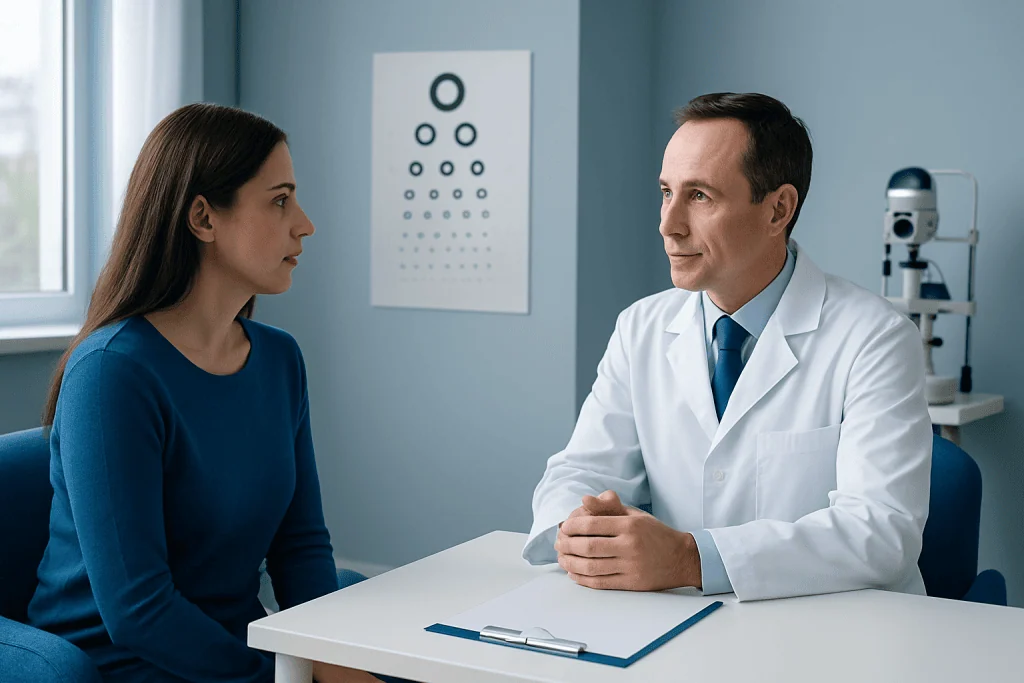
Evaluation usually begins with a detailed history. The doctor asks when the symptoms started, whether the change is sudden or gradual, whether one or both eyes are involved, and whether there are related symptoms such as eye pain, flashes, headache, weakness, numbness, or imbalance. This timing and pattern can help narrow the likely cause.
A complete eye examination may include checking visual acuity, eye pressure, pupil reactions, eye movements, and the health of the retina and optic nerve after the pupils are dilated. Visual field testing is especially important because it maps areas of reduced or missing vision that a person may not notice in daily life.
Depending on the findings, the doctor may recommend imaging or specialized testing. Optical coherence tomography can assess retinal and optic nerve structures. If a neurological cause is suspected, brain or orbital imaging may be needed. Some patients may also need blood tests or referral to a neuro-ophthalmologist, neurologist, or retina specialist.
The goal of diagnosis is not only to confirm that peripheral vision has changed, but also to identify why. This distinction matters because treatment differs widely. Some conditions call for careful monitoring, some need medication or procedures, and some require urgent intervention to prevent further sight loss.
Treatment Options and Long-Term Management
Treatment for peripheral vision loss depends on the underlying cause. If glaucoma is responsible, care may focus on lowering eye pressure to protect the optic nerve, sometimes with medicated eye drops, laser therapy, or glaucoma treatment. If a retinal tear or detachment is found, urgent retinal care may be needed to preserve vision.
When cataract is contributing to reduced visual function, doctors may consider cataract surgery if it is appropriate for the person’s overall eye health and symptoms. If the problem arises from a neurological condition, management may involve treating migraine, inflammation, vascular disease, or another underlying disorder in partnership with the relevant specialist.
Not every type of peripheral vision loss can be reversed, especially if nerve tissue has been permanently damaged. Even so, early diagnosis can often slow progression, prevent complications, or improve safety and quality of life. Vision rehabilitation strategies may help some people learn to scan more effectively and adapt to a narrowed field of view.
For patients with complex visual symptoms, multidisciplinary assessment can be helpful. Near the end of the care pathway, some individuals may benefit from specialized evaluation at centers such as Acibadem International, where multidisciplinary specialists and JCI-accredited hospitals diagnose and treat eye and vision-related conditions for international patients.
Self-Care, Prevention, and Protecting Vision
There is no single way to prevent every cause of peripheral vision loss, but routine eye examinations remain one of the best protective steps. This is particularly true for adults over a certain age, people with diabetes or high blood pressure, anyone with a family history of glaucoma, and those who have had prior eye injury or surgery. Conditions that affect the visual field can progress quietly, so regular checkups matter even when vision seems normal.
Managing overall health supports eye health as well. Keeping blood sugar, blood pressure, and cholesterol within a healthy range may reduce damage to blood vessels and nerves. Avoiding smoking, using protective eyewear during work or sports, and following treatment plans for existing medical conditions can also help lower risk.
People who already have reduced peripheral vision may benefit from practical safety measures. These can include turning the head more often to scan the environment, improving home lighting, reducing trip hazards, and discussing driving safety with a doctor if side vision is limited. Activities that require wide visual awareness may need adjustment until the cause is understood.
Self-care should not replace professional evaluation. Eye exercises, supplements, or online visual training programs should not be assumed to correct true peripheral vision loss unless a qualified clinician has recommended them for a specific purpose. New or worsening symptoms should always be assessed properly.
When to Seek Medical Care
Medical care is advisable for any unexplained change in peripheral vision, even if it seems mild or comes on gradually. It is especially important when a person notices tunnel vision, repeated bumping into objects, missing areas to the side, or difficulty driving or walking safely in busy spaces. These symptoms may reflect an eye disease that benefits from early treatment.
Urgent evaluation is needed if peripheral vision loss happens suddenly or is accompanied by flashes of light, a curtain-like shadow, many new floaters, severe eye pain, sudden headache, weakness, confusion, trouble speaking, or numbness. These symptoms can point to problems such as retinal detachment, acute eye pressure issues, or a neurological emergency.
Children and older adults should also be assessed promptly if there are unexplained visual behavior changes, clumsiness, new falls, or trouble noticing objects on one side. Sometimes the person affected cannot clearly describe the vision problem, and family members are the first to notice it.
If a doctor suspects a structural eye problem, tests and treatment may include referral for a comprehensive eye examination and further specialist care. Seeking timely attention gives the best chance of identifying the cause accurately and protecting vision whenever possible.
Frequently asked questions
Is peripheral vision the same as side vision?
Yes. Peripheral vision refers to the visual information seen outside the center of direct gaze, which people often call side vision. It helps a person notice movement, objects, and changes around them without turning the head.
Can peripheral vision loss happen without affecting central vision?
Yes, that is possible. Some conditions, especially glaucoma, may reduce outer visual fields while reading vision and central sharpness remain relatively preserved in the early stages. That is why people may not notice a problem until formal testing is done.
Is peripheral vision loss always permanent?
Not always. Some causes are temporary or treatable, while others may cause lasting changes if nerve or retinal tissue is damaged. The outcome depends on the cause, how severe it is, and how quickly treatment begins.
How is peripheral vision tested?
Doctors often use visual field testing to map what a person can see in the center and at the edges. This is usually combined with a full eye examination and, if needed, imaging or neurological assessment.
Can migraines affect peripheral vision?
Yes. Migraine aura can cause temporary visual symptoms such as shimmering patterns, blind spots, or areas of reduced vision that may involve the side field. However, not every visual change is due to migraine, so new or unusual symptoms should still be assessed.
Should a person go to the emergency department for sudden peripheral vision loss?
Yes, sudden peripheral vision loss should be treated as urgent, especially if it is accompanied by eye pain, flashes, floaters, weakness, speech changes, or a severe headache. Immediate medical evaluation can help rule out sight-threatening eye conditions and neurological emergencies.
This article is for general information only and is not a substitute for professional medical advice. Please consult a qualified doctor about your individual situation.
Explore treatments in Turkey — costs, top hospitals & a free quote
JCI-accredited · board-certified surgeons · reply within 24h
Add us as a Preferred Source to see more of our trusted health content across Google Search, AI Overviews and Discover.

More from the Health Library

Cryptogenic Stroke: An Evidence-Based Guide for Patients

Peppermint Tea for Bloating — Explained by Medical Evidence, Not Myths

Ionic Foot Detox — Explained by Medical Evidence, Not Myths

Dexlansoprazole: What Patients Need to Know

Single Leg Squat: What Patients Need to Know