Persistent Headaches: When a Second Opinion May Be Worth It

Most persistent headaches are not caused by a dangerous condition, but ongoing or changing symptoms deserve medical review. A second opinion may be helpful when headaches are difficult to diagnose, treatments are not working, or red-flag symptoms appear.
Key Takeaways
- Most persistent headaches are not caused by a dangerous condition, but ongoing or changing symptoms deserve medical review.
- A second opinion may be helpful when headaches are difficult to diagnose, treatments are not working, or red-flag symptoms appear.
- Careful history, neurological examination, and selected tests can help identify the headache type and rule out other causes.
- Treatment depends on the cause and may include lifestyle measures, acute medicines, preventive therapies, and treatment of underlying conditions.
- Urgent medical attention is needed for sudden severe headache, neurological symptoms, fever with neck stiffness, or headache after head injury.
Persistent headaches are common, but they should not be ignored when they become frequent, change in pattern, or stop responding to usual care. A second opinion can help confirm the diagnosis, look for less obvious causes, and guide more effective treatment.
Overview
Persistent headaches are headaches that continue over time, return frequently, or become part of daily life. They may include migraine, tension-type headache, cervicogenic headache, medication-overuse headache, and other primary or secondary headache disorders. For many people, the main concern is not only pain itself, but also uncertainty about why it keeps happening.
In many cases, persistent headaches are related to a primary headache disorder, meaning the headache is the condition rather than a symptom of another disease. Still, some headaches are secondary, meaning they are linked to another problem such as infection, high blood pressure, sinus disease, sleep problems, vision strain, or less commonly a structural problem in the brain or blood vessels.
A second opinion may be worth considering when the diagnosis is unclear, symptoms have changed, or treatment has not brought enough relief. Another clinician may confirm the original assessment, suggest a different headache subtype, or look for contributing factors that were not obvious at first. This process can be reassuring as well as clinically useful.
Symptoms and Headache Patterns to Notice
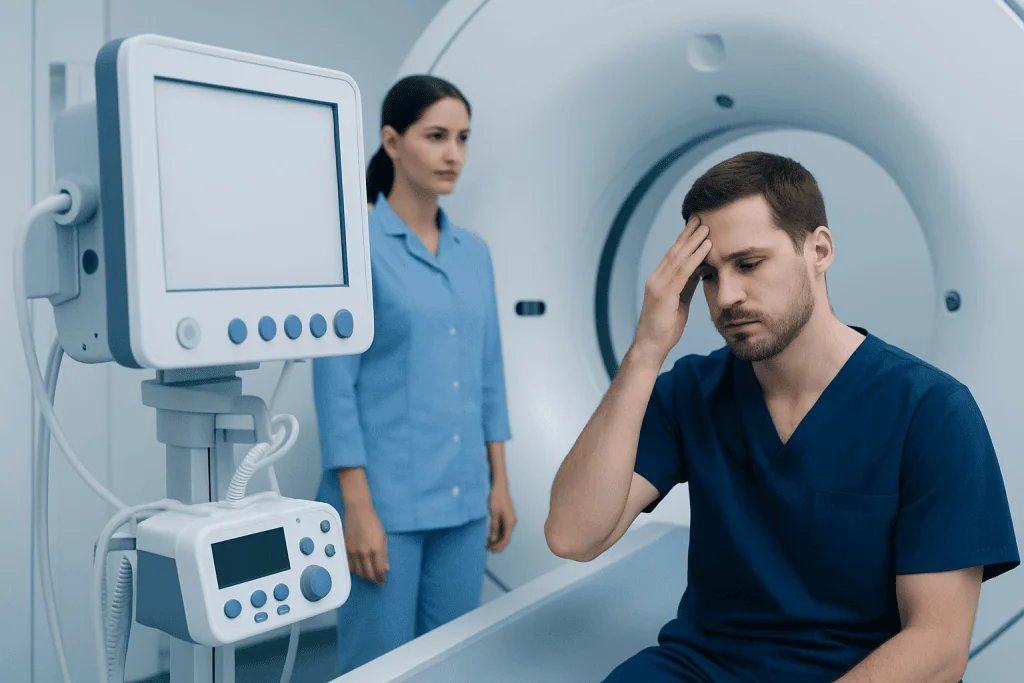
Headaches vary widely from person to person. Some feel like pressure or tightness on both sides of the head, while others cause throbbing pain, nausea, light sensitivity, or worsening with activity. Persistent headaches may occur on most days, last for many hours, or come in repeated attacks over weeks or months.
Keeping track of the pattern can be very helpful. Important details include where the pain is felt, how strong it is, how long it lasts, what symptoms come with it, and whether anything triggers or relieves it. Patterns such as headache on waking, pain related to posture, headache linked to the menstrual cycle, or symptoms after frequent pain-relief use can offer important clues.
Symptoms that deserve special attention include headaches that are steadily becoming more frequent, headaches that feel different from previous ones, or headaches associated with vomiting, weakness, numbness, confusion, or vision changes. Although these symptoms do not always mean a serious condition, they should prompt a careful medical review.
- Pressure-like, band-like pain may suggest tension-type headache.
- Throbbing pain with nausea or light sensitivity may suggest migraine.
- Headache that worsens after regular use of pain medicine may suggest medication-overuse headache.
- Neck-related pain may point to a musculoskeletal or cervicogenic cause.
Why Persistent Headaches Happen

The causes of persistent headaches can be grouped into primary and secondary disorders. Primary headaches include migraine, tension-type headache, cluster headache, and other headache syndromes. These can be strongly influenced by genetics, stress, sleep disruption, hormonal changes, dehydration, certain foods or drinks, and sensory triggers such as bright light or strong smells.
Secondary headaches are caused by another health issue. Common examples include sinus inflammation, eye strain, sleep apnea, temporomandibular joint problems, medication side effects, and blood pressure problems. Less common but important causes include infection, inflammatory disease, bleeding, stroke, or a brain mass. This is why the patient history and the overall clinical picture matter so much.
Risk factors for persistent headaches include a personal or family history of migraine, anxiety or depression, poor sleep, irregular meals, excess caffeine, frequent painkiller use, and chronic neck or jaw tension. Some patients have more than one contributing factor at the same time, which can make headaches harder to control until each one is recognized and addressed.
When headaches are frequent and severe, doctors may also consider related conditions such as migraine or chronic pain disorders. In some cases, what seems like one type of headache may actually overlap with another, making specialist evaluation especially valuable.
When a Second Opinion May Be Worth It
A second opinion can be helpful when persistent headaches do not fit a clear pattern or when symptoms have been labeled in a general way without enough improvement. It is reasonable to seek another evaluation if the current diagnosis remains uncertain, if prescribed treatment is not helping, or if side effects from treatment are difficult to manage.
It may also be worth asking for another opinion when headaches change in character. This includes pain becoming much more severe, occurring more often, waking a person from sleep, or appearing with new neurological symptoms. Another specialist may recommend a more detailed neurological assessment, review previous scans, or decide whether further testing is needed.
Patients often benefit from a second opinion if they have had repeated emergency or urgent care visits without a clear long-term plan. A fresh review can help identify overlooked triggers, medication overuse, sleep issues, hormonal factors, or neck and posture problems. It can also help confirm whether the headache is primary or whether another condition needs attention.
Seeking another medical opinion is not a sign of mistrust. It is a normal part of healthcare when symptoms are persistent, disruptive, or unclear. For many people, the biggest benefit is a clearer explanation of what is happening and a more structured treatment plan.
How Doctors Diagnose Persistent Headaches
Diagnosis begins with a detailed discussion of the headache history. Doctors usually ask when the headaches started, how often they occur, where the pain is located, what the pain feels like, what symptoms come with it, and what medicines have been used. A headache diary can be especially useful because it provides real-world information about frequency, triggers, and response to treatment.
A physical and neurological examination helps look for signs that suggest a secondary cause. The clinician may check blood pressure, vision, neck movement, balance, reflexes, muscle strength, sensation, and coordination. Depending on the symptoms, an eye examination or review by another specialist may also be helpful.
Brain imaging is not needed for every headache, but it may be recommended when red flags are present or when the pattern is unusual. In selected cases, doctors may use MRI or other imaging to look for structural causes. Blood tests or other investigations may also be used if infection, inflammation, hormonal issues, or other medical problems are suspected.
The goal of diagnosis is not only to rule out serious causes, but also to identify the exact headache type. That matters because effective treatment for one disorder may be different from what works for another. A precise diagnosis often leads to better symptom control and fewer unnecessary medications.
Treatment Options
Treatment for persistent headaches depends on the underlying cause and the headache type. For primary headaches, care often includes both acute treatment for attacks and preventive treatment to reduce frequency over time. Acute options may include headache-specific medicines or general pain relief, while preventive care may involve daily or scheduled therapies chosen by a doctor.
Non-drug strategies are also important. Regular sleep, hydration, balanced meals, exercise, stress management, limiting excess caffeine, and avoiding known triggers can all make a meaningful difference. Some patients benefit from relaxation training, physical therapy, posture work, or behavioral approaches, especially when muscle tension, neck pain, or stress play a role.
If headaches are linked to another condition, treatment focuses on that cause. For example, doctors may address sinus disease, sleep apnea, uncontrolled blood pressure, or jaw dysfunction. Some patients with structural or neurological findings may need further specialist care, such as neurology evaluation or advanced imaging review. If symptoms suggest another nervous system disorder, a broader assessment for brain tumor or other secondary causes may be appropriate, depending on the clinical picture.
For international patients with complex headache symptoms, Acibadem International’s multidisciplinary specialists and JCI-accredited hospitals provide diagnosis and treatment planning tailored to the suspected cause. In selected cases, supportive services such as comprehensive check-up may help assess contributing health factors in a coordinated way.
Prevention and Self-care
Self-care cannot replace medical evaluation for persistent headaches, but it can support treatment and reduce the burden of symptoms. One of the most helpful tools is a headache diary that records timing, intensity, associated symptoms, foods, stress levels, sleep quality, and medicines taken. Over time, this can reveal patterns that are otherwise easy to miss.
Healthy routines often matter more than any single trigger. Going to sleep and waking at regular times, drinking enough fluids, not skipping meals, and taking breaks from screens can help stabilize the body’s natural rhythms. People who suspect caffeine or alcohol as a trigger may benefit from discussing gradual adjustments with a clinician rather than making abrupt changes on their own.
It is also important to use over-the-counter pain medicines carefully. Frequent use can sometimes lead to medication-overuse headache, in which the treatment itself keeps the headache cycle going. A doctor or pharmacist can advise on safer use and whether preventive therapy might be a better option.
- Keep a headache diary for at least several weeks.
- Prioritize regular sleep, meals, hydration, and physical activity.
- Limit frequent self-medication unless advised by a doctor.
- Seek support for stress, anxiety, or mood symptoms if they are contributing factors.
When to See a Doctor Urgently
Most persistent headaches are not medical emergencies, but some situations need urgent evaluation. A sudden, severe headache that reaches maximum intensity within seconds or minutes should be assessed immediately. Urgent care is also needed for headache with weakness, trouble speaking, seizures, fainting, confusion, or major vision loss.
Other warning signs include fever with neck stiffness, headache after a head injury, or a new headache in someone with cancer, immune suppression, or pregnancy-related complications. A headache that is steadily worsening, especially in an older adult or someone who has never had a similar headache before, also deserves prompt medical attention.
For non-urgent but ongoing headaches, a scheduled medical appointment is still worthwhile if symptoms persist, interfere with work or sleep, or require frequent pain medicine. A careful review can help reduce uncertainty, improve symptom control, and identify when a second opinion may be useful.
Frequently asked questions
Are persistent headaches usually serious?
Most persistent headaches are not caused by a life-threatening problem. However, headaches that are new, changing, unusually severe, or linked to neurological symptoms should be assessed by a doctor.
When should someone get a second opinion for headaches?
A second opinion may be helpful if the diagnosis is unclear, treatment is not working, or the headache pattern has changed. It can also be useful after repeated urgent visits without a clear long-term plan.
What tests might be needed for persistent headaches?
Not everyone needs testing. Depending on the symptoms and examination findings, a doctor may recommend blood tests, an eye exam, or imaging such as MRI to rule out secondary causes.
Can taking painkillers too often make headaches worse?
Yes. Frequent use of some pain medicines can lead to medication-overuse headache, where headaches become more frequent or harder to treat. A doctor can help create a safer plan for symptom control.
What information should be brought to a headache appointment?
A headache diary is very helpful, including frequency, duration, triggers, associated symptoms, and what medicines were taken. Bringing previous test results and a list of current medications can also make the visit more useful.
Can lifestyle changes really help persistent headaches?
For many people, yes. Regular sleep, hydration, meals, exercise, and stress management can reduce headache frequency and improve response to treatment, especially when combined with medical care.
References
- World Health Organization
- International Headache Society
- National Institute of Neurological Disorders and Stroke
- American Migraine Foundation
- National Health Service
This article is for general information only and is not a substitute for professional medical advice. Please consult a qualified doctor about your individual situation.
Explore treatments in Turkey — costs, top hospitals & a free quote
JCI-accredited · board-certified surgeons · reply within 24h
Add us as a Preferred Source to see more of our trusted health content across Google Search, AI Overviews and Discover.
Check your numbers in seconds
BMI, calories, due date, blood pressure and 30+ more clinical calculators — free, instant, doctor-reviewed ranges.