Physical Medicine and Rehabilitation: How It Differs From Standard Physical Therapy
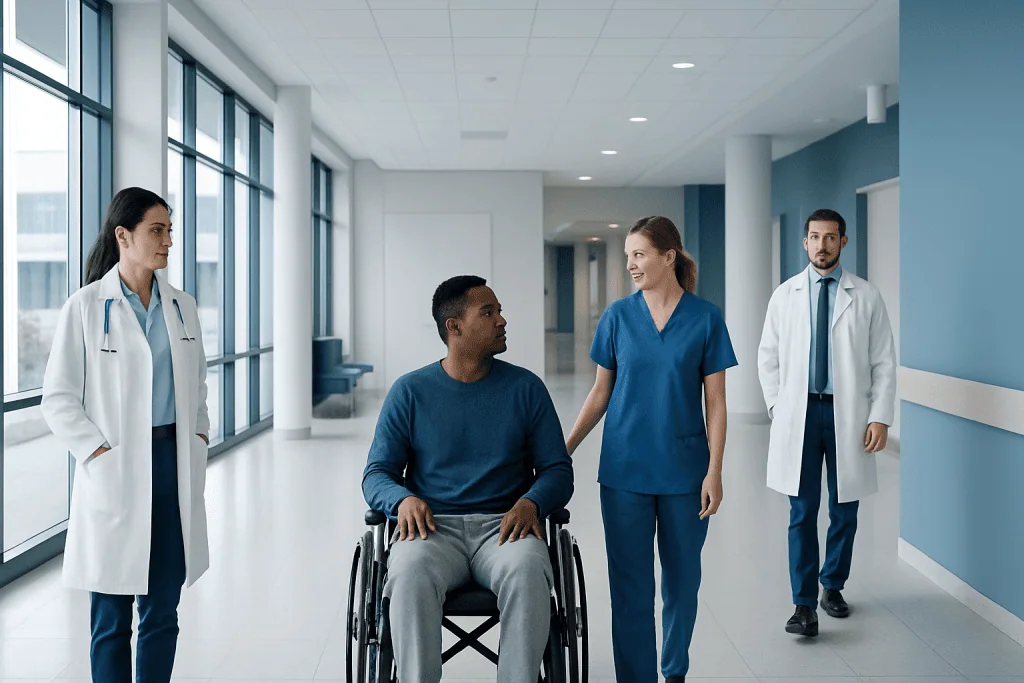
Physical medicine and rehabilitation, also called physiatry, is a doctor-led specialty focused on function and quality of life. Standard physical therapy is one important part of rehabilitation, but rehabilitation medicine is broader and may include medications, procedures, assistive devices, and team-based care.
Key Takeaways
- Physical medicine and rehabilitation, also called physiatry, is a doctor-led specialty focused on function and quality of life.
- Standard physical therapy is one important part of rehabilitation, but rehabilitation medicine is broader and may include medications, procedures, assistive devices, and team-based care.
- People with stroke, spinal problems, sports injuries, chronic pain, arthritis, nerve conditions, or recovery needs after surgery may benefit from this specialty.
- Treatment plans are individualized and often involve physiatrists, physical therapists, occupational therapists, and other specialists.
- The main goals are to reduce pain, improve mobility, restore daily function, and help patients return to work, school, sport, or home life safely.
Physical medicine and rehabilitation is a medical specialty focused on improving function, easing pain, and supporting independence after injury, illness, or disability. It differs from standard physical therapy because it is led by a physician who evaluates the whole person and coordinates a broader rehabilitation plan.
Overview: What Physical Medicine and Rehabilitation Means
Physical medicine and rehabilitation, often shortened to PM&R, is a medical specialty that helps people regain or improve movement, function, comfort, and independence. The doctors in this field are called physiatrists. They care for people with problems affecting muscles, bones, joints, nerves, the brain, and the spinal cord, as well as people recovering after surgery, injury, or serious illness.
The specialty looks beyond a single painful area and focuses on how a condition affects daily life. For example, instead of treating only back pain, a physiatrist also considers walking, sleep, work, exercise, balance, and the ability to manage personal care. This whole-person view is one of the most important differences between rehabilitation medicine and more limited symptom-based care.
PM&R may be used for short-term recovery, such as after a fracture or joint surgery, or for long-term conditions such as arthritis, nerve injury, stroke, or chronic pain. Treatment often combines medical evaluation with rehabilitation therapies, exercise planning, lifestyle guidance, and assistive strategies to help the person function as well as possible.
How It Differs From Standard Physical Therapy
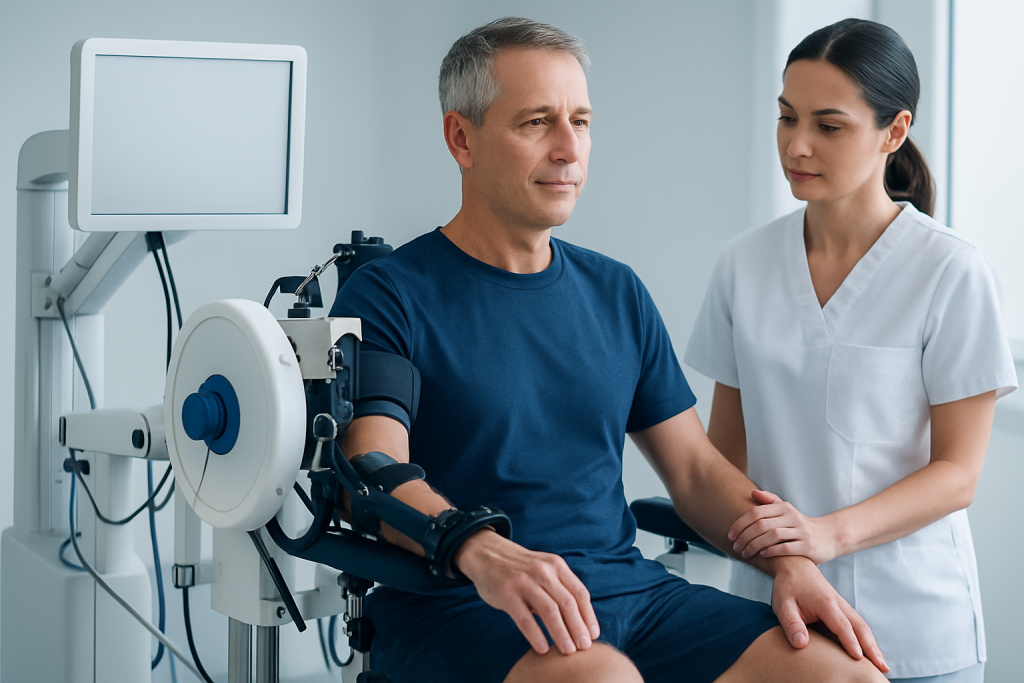
Standard physical therapy is usually provided by a licensed physical therapist and focuses on improving movement, strength, flexibility, balance, and pain control through exercise, manual techniques, and functional training. Physical therapy is highly valuable, but it is only one part of rehabilitation care.
Physical medicine and rehabilitation is broader because it is directed by a physician trained to diagnose medical causes of pain or disability, order imaging or nerve tests when needed, prescribe medicines, recommend bracing or other devices, and coordinate care across different specialties. A physiatrist may also decide when someone needs physical therapy, occupational therapy, speech therapy, interventional pain procedures, or specialist referral.
Another difference is the scope of the goals. Physical therapy often addresses a specific movement problem, such as shoulder stiffness or weakness after surgery. PM&R may address the same issue, but also considers related concerns such as nerve symptoms, spasticity, fatigue, bladder or bowel function in neurologic illness, return to work, home safety, and long-term prevention of re-injury.
In many cases, PM&R and physical therapy work together. The physiatrist performs the medical assessment and leads the treatment plan, while the physical therapist delivers targeted rehabilitation strategies over time. This team approach can be especially helpful when recovery is complex or when several body systems are involved.
Who May Benefit From Rehabilitation Medicine
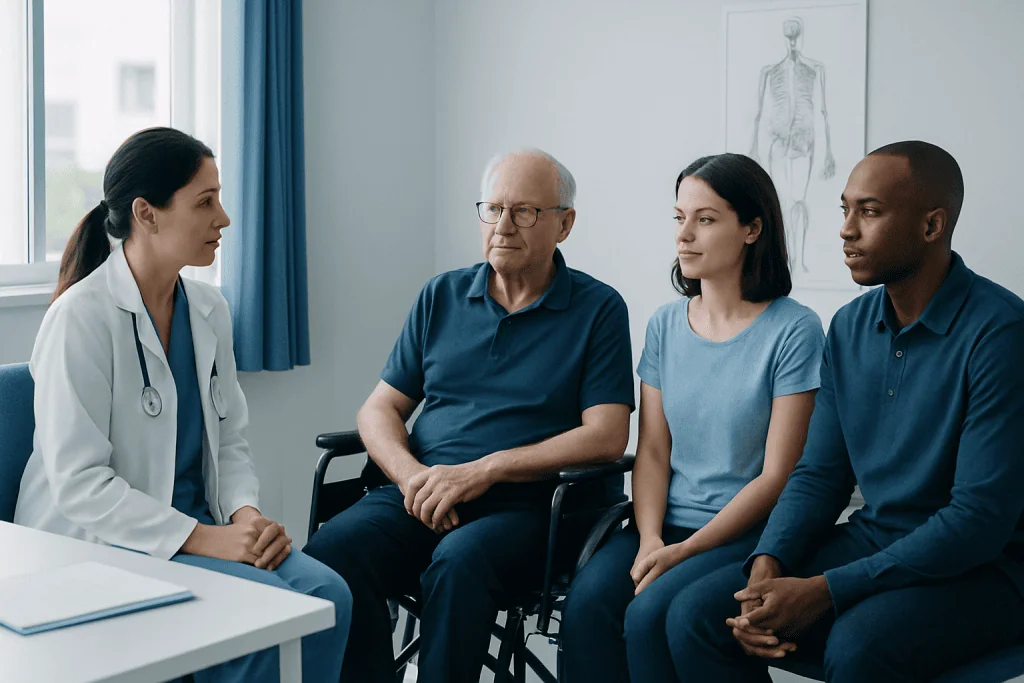
Physical medicine and rehabilitation can help people of many ages and activity levels. Some need care after a sudden event, such as a sports injury, accident, or surgery. Others need support for a chronic condition that affects movement, comfort, stamina, or independence.
Common reasons for referral include neck or back pain, joint pain, arthritis, tendon injuries, nerve compression, balance problems, recovery after stroke, spinal cord injury, traumatic brain injury, amputation, and weakness after a long hospital stay. PM&R may also support people with overuse injuries, pelvic issues, postural problems, and certain chronic pain syndromes.
A person may benefit from a physiatry consultation when symptoms persist despite rest or standard therapy, when pain interferes with daily life, or when a condition affects more than one area of function. It can also be useful when the diagnosis is unclear and a more detailed functional and neurologic assessment is needed.
- Musculoskeletal problems such as tendon, joint, and spine conditions
- Neurologic conditions affecting movement, strength, or coordination
- Recovery after orthopedic or neurologic surgery
- Chronic pain that limits work, exercise, or sleep
- Loss of mobility, balance, endurance, or independence
Symptoms and Signs That Suggest a Broader Rehabilitation Evaluation
Not every ache or strain requires specialist rehabilitation care, but some symptoms suggest that a broader evaluation may be helpful. These include pain that lasts longer than expected, weakness that affects walking or lifting, repeated falls, numbness or tingling, reduced range of motion, and difficulty returning to normal activities after treatment or surgery.
People may also notice practical problems such as trouble climbing stairs, standing for long periods, driving, dressing, cooking, or sleeping comfortably. In older adults, a gradual loss of confidence with movement can be as important as pain itself. In athletes or active individuals, repeated flare-ups during training may signal the need for a more complete functional assessment.
When neurologic symptoms are present, the rehabilitation evaluation may be especially important. Issues such as poor coordination, muscle tightness, fatigue, or changes in speech and swallowing often require care beyond simple exercise instruction. In these situations, a doctor-led rehabilitation plan can help identify the cause and set safe goals for recovery.
How Diagnosis and Assessment Are Done
A physiatrist begins with a detailed medical history and physical examination. The visit usually explores when symptoms started, what makes them better or worse, prior injuries, surgeries, daily activity levels, work demands, exercise habits, and how symptoms affect sleep and routine tasks. The doctor also evaluates strength, reflexes, flexibility, posture, gait, balance, joint motion, and nerve function.
One of the main goals of the assessment is to identify both the diagnosis and the functional impact. Two people may have the same imaging result, such as a disc problem in the spine, but very different levels of pain and disability. Rehabilitation medicine uses both medical findings and real-life function to guide treatment decisions. When spine-related symptoms are involved, a physician may also evaluate for conditions such as herniated disc or other causes of nerve irritation.
Additional tests are ordered only when helpful. These may include X-rays, MRI, ultrasound, or electrodiagnostic studies to assess nerve and muscle function. The results are combined with the physical examination rather than being used alone, because symptoms and functional limitations do not always match imaging findings exactly.
Assessment may also involve other professionals. A physical therapist can measure gait and movement patterns in detail, an occupational therapist can assess hand use and daily activities, and a speech therapist may evaluate communication or swallowing if neurologic illness is present. This team-based process helps build a realistic, personalized care plan.
Treatment Options in Physical Medicine and Rehabilitation
Treatment depends on the underlying problem, the person’s goals, and the level of function they want to regain. Many care plans combine exercise-based rehabilitation with medical treatment. Physical therapy remains central for mobility, strength, flexibility, and balance, while occupational therapy can improve self-care, hand function, and return to work or home routines.
A physiatrist may also recommend medications for pain, inflammation, or nerve-related symptoms, along with strategies to improve sleep and activity pacing. In selected cases, braces, orthotics, walking aids, or adaptive equipment can reduce strain and support safer movement. For people recovering from neurologic injury, treatment may include spasticity management, gait training, and home modifications to promote independence.
Some patients benefit from interventional procedures when pain is limiting rehabilitation progress. Depending on the diagnosis, this may include image-guided pain management approaches or other non-surgical treatments. If a structural problem in the spine is contributing to ongoing symptoms, a specialist may discuss options related to spine surgery when conservative care is not enough, although many patients improve without surgery.
Rehabilitation may also play an important role before and after operations. For example, people preparing for or recovering from knee replacement often use rehabilitation to improve strength, movement, confidence, and return to daily activities. The main aim is not simply to reduce symptoms, but to help the person function better in everyday life.
Prevention, Self-care, and Long-Term Recovery
Rehabilitation medicine does not end when pain becomes more manageable. Long-term recovery often depends on continuing healthy movement patterns, maintaining strength, and preventing new strain. This usually includes a home exercise program, gradual return to activity, attention to posture and body mechanics, and realistic pacing during work, sport, and household tasks.
Self-care strategies may also include weight management, supportive footwear, stretching, ergonomic adjustments, and sleep habits that reduce discomfort. For chronic conditions, it can be helpful to think in terms of long-term management rather than a quick fix. Regular follow-up may be needed to adjust exercises, update braces or supports, and respond early if symptoms begin to return.
Good communication within the care team is important. When people understand the purpose of each part of treatment, they are often better able to stay active and confident during recovery. Near the end of the rehabilitation process, some may transition from supervised therapy to community exercise, sports training, or wellness programs that support lasting function.
For international patients who need coordinated evaluation and rehabilitation, Acibadem International’s multidisciplinary specialists and JCI-accredited hospitals diagnose and treat a wide range of musculoskeletal and neurologic conditions with individualized care planning.
When to See a Doctor
It is sensible to seek medical advice if pain, weakness, numbness, balance problems, or limited motion persist, keep returning, or interfere with work, self-care, sleep, or exercise. A rehabilitation physician can be especially helpful when standard treatment has not led to enough progress or when symptoms involve both pain and loss of function.
Urgent medical assessment is important if symptoms are accompanied by sudden severe weakness, new loss of bladder or bowel control, major trauma, fever with back pain, unexplained weight loss, or rapidly worsening neurologic symptoms. These signs do not always mean a serious problem, but they need prompt evaluation to rule out causes that require immediate treatment.
Early assessment can sometimes prevent a short-term problem from becoming a long-term limitation. When questions arise about the right specialist, a primary care doctor, orthopedic doctor, neurologist, or physiatrist can help guide the next step based on the person’s symptoms and recovery goals.
Frequently asked questions
Is physical medicine and rehabilitation the same as physical therapy?
No. Physical therapy is a rehabilitation treatment delivered by a physical therapist, while physical medicine and rehabilitation is a physician-led medical specialty. A physiatrist diagnoses the condition, oversees the overall plan, and may combine therapy with medications, procedures, or referrals to other specialists.
What does a physiatrist do?
A physiatrist evaluates pain, weakness, mobility problems, and functional limitations related to injury, illness, or disability. The doctor focuses on improving how the body functions in daily life and may coordinate physical therapy, occupational therapy, bracing, medications, or other rehabilitation treatments.
When should someone see a rehabilitation doctor instead of just starting physical therapy?
A rehabilitation doctor may be helpful when symptoms are complex, the diagnosis is unclear, or pain and disability involve more than one body area or system. It is also a good idea to seek this type of evaluation when progress has stalled, symptoms keep returning, or neurologic signs such as numbness, weakness, or balance problems are present.
Can rehabilitation medicine help with chronic pain?
Yes. PM&R often helps people with chronic pain by combining functional assessment, targeted exercise, lifestyle guidance, and medical pain management. The goal is usually to improve activity and quality of life, not only to reduce pain scores.
Do all patients in PM&R need surgery or injections?
No. Many people improve with exercise-based rehabilitation, education, activity modification, assistive devices, and medication when appropriate. Procedures or surgery are considered only in selected cases, based on the cause of symptoms and the person's response to conservative care.
How long does rehabilitation take?
Recovery time varies widely depending on the diagnosis, severity, age, general health, and personal goals. Some people need only a few weeks of structured care, while others with neurologic conditions or major injuries may benefit from longer-term rehabilitation and follow-up.
References
- World Health Organization
- American Academy of Physical Medicine and Rehabilitation
- National Institute of Neurological Disorders and Stroke
- National Institute of Arthritis and Musculoskeletal and Skin Diseases
- American Physical Therapy Association
This article is for general information only and is not a substitute for professional medical advice. Please consult a qualified doctor about your individual situation.
Joint and spine care in Turkey — expert assessment & treatment
JCI-accredited · board-certified surgeons · reply within 24h
Add us as a Preferred Source to see more of our trusted health content across Google Search, AI Overviews and Discover.