Pill Rolling Tremor: What It Treats, How It Works, and What to Watch For

Pill rolling tremor is usually a resting tremor, meaning it is most noticeable when the hand is relaxed and supported. It is classically associated with Parkinson’s disease, but it is not enough on its own to confirm a diagnosis.
Key Takeaways
- Pill rolling tremor is usually a resting tremor, meaning it is most noticeable when the hand is relaxed and supported.
- It is classically associated with Parkinson’s disease, but it is not enough on its own to confirm a diagnosis.
- Some medicines can cause or worsen parkinsonism-like symptoms, so a full medication review is important.
- Evaluation commonly includes a neurological examination and discussion of symptom timing, function, medical history and medicines.
- Treatment focuses on the underlying cause, symptom impact and each person’s goals; not everyone needs medication immediately.
- New, sudden or rapidly worsening shaking, especially with weakness, speech changes or confusion, needs urgent medical attention.
A pill rolling tremor is a rhythmic movement in which the thumb and finger appear to roll a small object between them. It does not treat a condition or result from a medicine working; instead, it is a clinical sign that may occur in Parkinson’s disease and other situations and deserves professional assessment.
What is a pill rolling tremor?
A pill rolling tremor is a repetitive movement of the thumb against the index finger, sometimes involving other fingers, that can look as though a person is rolling a pill or small object. It most often occurs when the hand is at rest, such as when it lies in the lap or hangs by the side. The movement may reduce temporarily when the person deliberately uses the hand.
The term describes the appearance of a tremor; it is not a treatment, medication effect to aim for, or diagnosis by itself. It is a well-known possible feature of Parkinson’s disease, a condition affecting movement, but similar movements can also require consideration of medication effects and other neurological causes.
A tremor can be distressing or embarrassing, yet the presence of a pill rolling movement does not automatically mean that someone has Parkinson’s disease. A qualified clinician can assess the pattern of shaking alongside other symptoms, examination findings and medical history to determine what it may mean.
How this tremor differs from other shaking
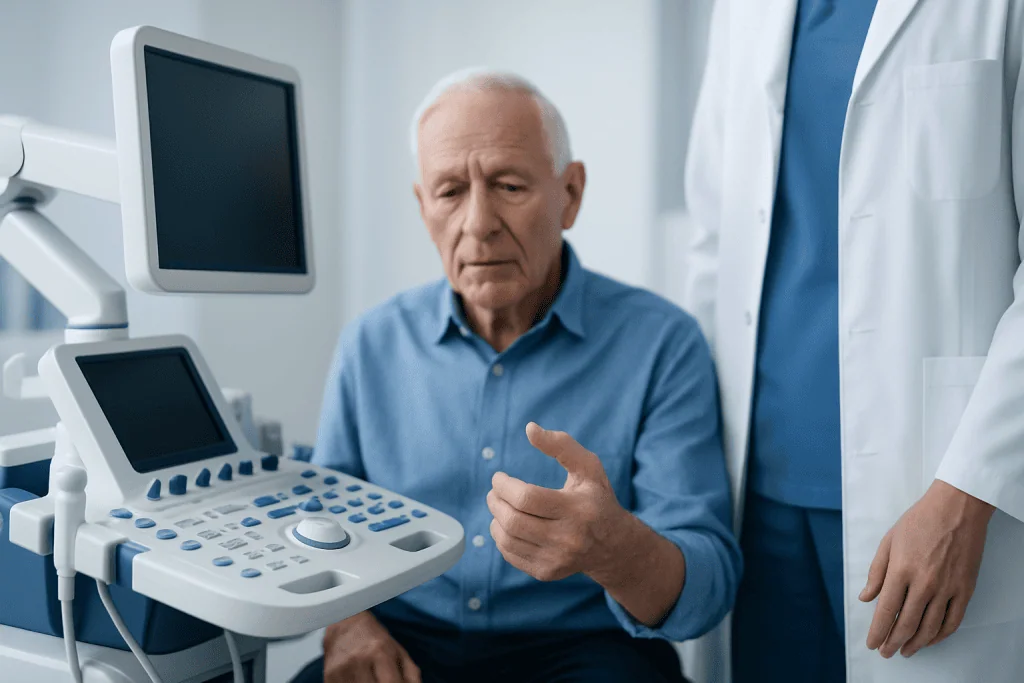
Tremors are commonly described by when they occur. A resting tremor is most apparent when a body part is relaxed and not being used. In Parkinson’s disease, it often starts on one side of the body, frequently in a hand, and may become less obvious during purposeful movement or sleep. Emotional stress, tiredness or anxiety can make any existing tremor more noticeable.
By contrast, an action tremor occurs while holding a posture or performing a task, such as holding a cup, writing or reaching for an item. Essential tremor is a common action tremor that often affects both hands and can run in families. It has a different typical pattern from the resting, pill rolling-type tremor associated with Parkinson’s disease.
Shaking can also be related to stimulants, excess thyroid hormone, low blood sugar, alcohol withdrawal, some medicines or other health conditions. Looking closely at the timing, location, speed and circumstances of the movement helps clinicians distinguish among these possibilities.
- Resting tremor: happens mainly when the limb is relaxed.
- Action tremor: happens during movement or while maintaining a position.
- Intention tremor: becomes more pronounced as the hand approaches a target, such as a cup or a button.
Possible causes and associated symptoms

Parkinson’s disease is the condition most often associated with a pill rolling resting tremor. It is a progressive neurological disorder involving changes in brain pathways that use dopamine, a chemical messenger important for smooth and coordinated movement. Not every person with Parkinson’s disease develops tremor, and tremor severity does not necessarily reflect the overall stage or impact of the condition.
When Parkinson’s disease is present, a tremor may occur alongside slowness of movement, muscle stiffness, smaller handwriting, reduced arm swing when walking, softer speech, changes in facial expression or difficulties with balance later in the condition. Some people also experience non-movement symptoms, including constipation, sleep changes, low mood or reduced sense of smell. These symptoms have many possible causes, so they must be interpreted by a clinician.
Medication-induced parkinsonism is another important consideration. Medicines that block dopamine signaling, including certain antipsychotic medicines and some medicines used for nausea, can cause slowness, stiffness and tremor in some people. Symptoms may affect both sides of the body, though patterns vary. A person should not stop a prescribed medicine suddenly without speaking to the clinician who prescribed it.
Less commonly, other neurological disorders may cause parkinsonism or a resting tremor. A careful assessment is especially useful when symptoms progress quickly, begin after a medication change, occur with early falls or involve unusual changes in eye movements, thinking or autonomic functions such as blood pressure control.
How clinicians assess a pill rolling tremor
Diagnosis begins with a detailed medical history and neurological examination. A clinician may ask when the tremor first appeared, whether it began on one side, whether it changes with activity, and how it affects daily tasks. They will also ask about walking, balance, stiffness, sleep, mood, family history, alcohol or caffeine use, and all prescription, over-the-counter and herbal products.
During the examination, the clinician may observe the hands at rest, when held out and during tasks such as writing, drawing spirals or touching a target. They may assess movement speed, muscle tone, gait, posture, coordination and reflexes. Video recorded at home can sometimes help show a tremor that is intermittent, provided it is shared securely with the healthcare team.
There is no single blood test that confirms Parkinson’s disease. Blood tests may be used to look for other contributors when appropriate, such as thyroid problems or metabolic causes. Brain imaging is not routinely needed for every person with a typical presentation, but MRI or other tests may be considered when symptoms are unusual or another diagnosis needs to be excluded.
In selected cases, a specialist may recommend dopamine transporter imaging to help distinguish certain causes of parkinsonism from conditions such as essential tremor. This scan supports, rather than replaces, clinical evaluation. A movement-disorder neurologist is often well placed to interpret uncertain or complex symptoms.
Treatment options and medication safety
Treatment depends on the underlying cause, the severity of symptoms and how much tremor affects independence, work, comfort and quality of life. If a tremor is mild and does not interfere with daily activities, a clinician may recommend observation, education and regular follow-up rather than immediate medication. Occupational therapy, physical therapy and exercise programs can help support mobility, hand function, confidence and overall wellbeing.
For Parkinson’s disease, clinicians may use medicines that improve dopamine-related signaling or reduce certain movement symptoms. Levodopa-based medicines are commonly used for motor symptoms, while other medicine groups may be considered depending on age, symptoms, other health conditions and potential side effects. Tremor may respond differently from stiffness or slowness, and treatment is individualized.
Label-listed and clinically important side effects of Parkinson’s medicines can include nausea, dizziness, sleepiness, low blood pressure on standing, hallucinations, confusion, involuntary movements and behavior changes in some people. Risks differ by medicine and by person. Interactions may occur with other prescription drugs, non-prescription products and supplements, so every clinician and pharmacist should have an up-to-date medication list.
If a clinician suspects medication-induced parkinsonism, they may review whether the suspected medicine remains necessary and whether a safer alternative is appropriate. Changes must be supervised, particularly for antipsychotic medicines, because abruptly stopping them can be harmful. Questions about exact dosing, missed doses, interactions or stopping a medicine should be directed to the prescribing clinician or pharmacist rather than managed independently.
Daily strategies and preparing for appointments
Simple practical steps can make a tremor easier to manage while assessment or treatment is underway. Using a cup with a lid, choosing clothing with easier fastenings, resting the forearms while eating, allowing extra time for fine-motor tasks and organizing commonly used items within easy reach may reduce frustration. An occupational therapist can suggest tailored adaptations for home, work and self-care.
Regular physical activity suited to the person’s abilities can support strength, flexibility, balance and mood. Good sleep habits, hydration and regular meals may also help general health. Limiting excess caffeine and avoiding non-prescribed stimulant products may be sensible if they appear to worsen shakiness, although they do not explain every tremor.
Before an appointment, it can be helpful to note when the tremor occurs, which body parts are affected, whether it changes with stress or movement, and any associated symptoms. Bringing all medication containers or a complete written list, including vitamins and herbal supplements, supports a safe review. A family member or trusted companion may help describe changes that the person has not noticed.
When to seek medical care
A person should arrange a non-urgent medical appointment for a new tremor, a tremor that persists, or shaking that interferes with writing, eating, work, sleep or confidence. Evaluation is also appropriate when tremor occurs with stiffness, slowed movement, changes in walking, repeated falls or a noticeable decline in daily function. Early assessment can clarify the cause and guide supportive care.
Urgent medical attention is needed if shaking begins suddenly with facial drooping, weakness or numbness on one side, trouble speaking, severe headache, loss of coordination, fainting, new confusion or a major change in consciousness. These symptoms can indicate a medical emergency and should not be attributed to a routine tremor.
People who develop movement symptoms after starting or changing a medicine should contact the prescribing clinician promptly. They should continue taking medication as directed unless a clinician advises otherwise. Acibadem International’s multidisciplinary specialists and JCI-accredited hospitals assess and treat movement disorders for international patients, with care plans based on individual clinical needs.
Frequently asked questions
Is a pill rolling tremor always Parkinson’s disease?
No. A pill rolling tremor is classically associated with Parkinson’s disease, but it cannot confirm the diagnosis on its own. A clinician considers the tremor pattern, other movement and non-movement symptoms, medication history and examination findings.
Why is it called a pill rolling tremor?
The name comes from the movement’s appearance. The thumb repeatedly rubs against the index finger, which can look like rolling a small pill or object between the fingers. It does not mean the person has taken a pill or needs a particular medicine.
Can anxiety cause a pill rolling tremor?
Stress and anxiety can make an existing tremor more visible or bothersome. However, they do not usually explain a persistent pill rolling resting tremor by themselves. New or ongoing tremor should be discussed with a healthcare professional.
Can medications cause a tremor like Parkinson’s disease?
Yes. Some medicines, particularly certain antipsychotic medicines and anti-nausea medicines that affect dopamine pathways, can cause parkinsonism-like symptoms. A clinician should review all medicines, but a person should not stop a prescribed drug without medical guidance.
Does a pill rolling tremor go away with treatment?
It may improve when the underlying cause is treated, but response varies. In Parkinson’s disease, medicines and rehabilitation can help many motor symptoms, though tremor may not respond in the same way for every person. Treatment decisions are based on symptoms, safety and daily functioning.
What tests are used for pill rolling tremor?
A neurological examination and medication review are the main parts of assessment. Blood tests or brain imaging may be used when the history or examination suggests another possible cause. Some people with uncertain symptoms may be referred for specialized imaging or movement-disorder evaluation.
References
- National Institute of Neurological Disorders and Stroke
- Parkinson's Foundation
- American Academy of Neurology
- National Health Service
- U.S. Food and Drug Administration
This article is for general information only and is not a substitute for professional medical advice. Please consult a qualified doctor about your individual situation.
Tremor in Turkey — costs, top hospitals & a free quote
JCI-accredited · board-certified surgeons · reply within 24h
Add us as a Preferred Source to see more of our trusted health content across Google Search, AI Overviews and Discover.
Check your numbers in seconds
BMI, calories, due date, blood pressure and 30+ more clinical calculators — free, instant, doctor-reviewed ranges.