Pna medical abbreviation: Symptoms, Causes, and Treatment — Complete Patient Guide

PNA usually means pneumonia in medical notes, imaging reports, or hospital documentation. Pneumonia can cause cough, fever, fatigue, chest pain, and shortness of breath, but symptoms may vary by age and overall health.
Key Takeaways
- PNA usually means pneumonia in medical notes, imaging reports, or hospital documentation.
- Pneumonia can cause cough, fever, fatigue, chest pain, and shortness of breath, but symptoms may vary by age and overall health.
- Bacteria, viruses, and less commonly fungi can all cause pneumonia.
- Diagnosis may include a physical exam, pulse oximetry, chest imaging, and laboratory tests.
- Treatment depends on the cause and severity and may range from rest and fluids to antibiotics, antiviral care, oxygen, or hospital treatment.
- Older adults, young children, pregnant people, and those with chronic illness should seek medical advice early if pneumonia is suspected.
PNA medical abbreviation most often stands for pneumonia, a common infection that inflames the air sacs in one or both lungs. Understanding what PNA means, its symptoms, causes, and treatment options can help patients know when home care may be enough and when prompt medical evaluation is important.
What does PNA mean in medical terms?
PNA medical abbreviation most commonly refers to pneumonia. In everyday clinical practice, doctors, nurses, and radiology reports may use PNA as a shorthand term when documenting a suspected or confirmed lung infection. This is why a patient might see “PNA” in discharge papers, emergency notes, or test results and wonder what it means.
Pneumonia is an infection that causes inflammation in the tiny air sacs of the lungs, called alveoli. These air sacs can fill with fluid or pus, which makes breathing less comfortable and may reduce how well oxygen moves into the bloodstream. Pneumonia can range from mild to serious, depending on the germ involved, a person’s age, and whether they have other health conditions.
Although PNA usually means pneumonia, medical abbreviations can sometimes vary by setting. For that reason, patients should always ask their doctor or care team to confirm the exact meaning of any abbreviation in their chart. When PNA does refer to pneumonia, the next important step is understanding the symptoms, likely causes, and how the diagnosis is confirmed.
How pneumonia affects the lungs
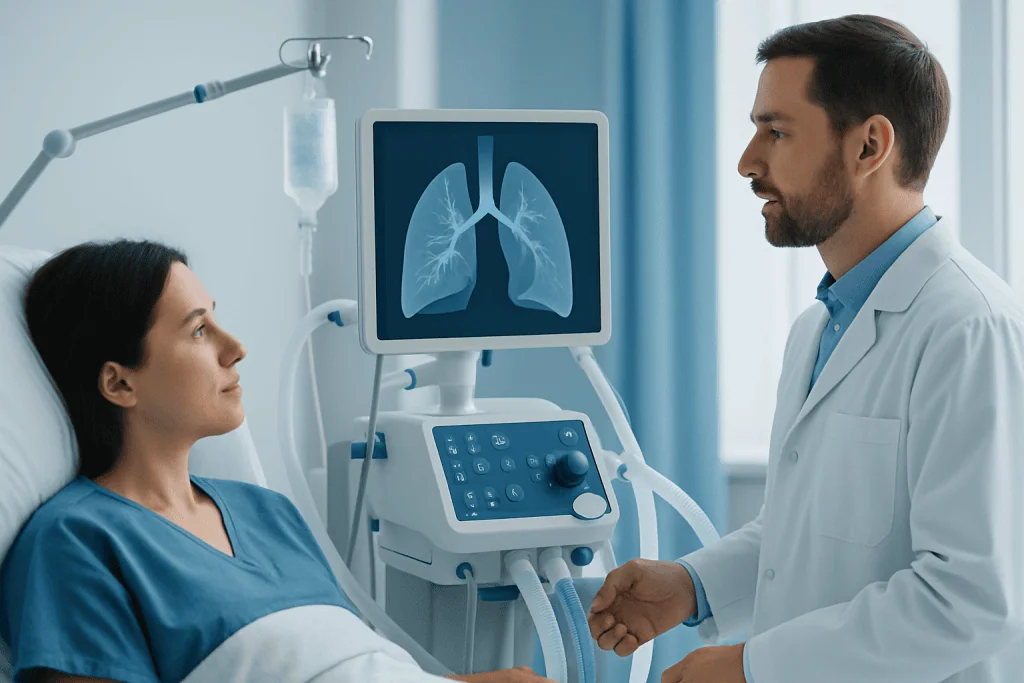
The lungs normally bring oxygen into the body and remove carbon dioxide. In pneumonia, infection and inflammation make this process less efficient. Swollen air sacs and extra mucus or fluid can lead to coughing, a heavy feeling in the chest, and breathlessness, especially during activity.
Pneumonia may affect a small part of one lung or involve multiple areas in one or both lungs. Some cases begin suddenly with fever and chills, while others develop more gradually. Symptoms may be more subtle in older adults or in people whose immune system is weaker.
Pneumonia is not the same as a common cold, although the two can overlap at the beginning. Some patients may first think they have a lingering viral illness, only to develop more concerning breathing symptoms later. When pneumonia is part of a broader lung problem, doctors may also evaluate related respiratory conditions such as lung conditions or other causes of persistent cough and chest symptoms.
Symptoms of PNA (pneumonia)

The symptoms of pneumonia can vary widely. Some people have only mild cough and tiredness, while others develop high fever, shaking chills, shortness of breath, or confusion. Symptoms often depend on the cause of infection, the person’s age, and whether they already have heart, lung, or immune system problems.
Common symptoms include:
- Cough, with or without mucus
- Fever or feeling feverish
- Chills or sweating
- Shortness of breath
- Chest pain that worsens with breathing or coughing
- Fatigue or unusual weakness
- Loss of appetite
- Nausea or vomiting in some cases
Children may breathe fast, seem less active than usual, or have poor feeding. Older adults may not always develop a high fever; instead, they may show confusion, drowsiness, or a sudden decline in function. Any new or worsening breathing difficulty should be taken seriously, particularly in people with chronic respiratory disease, heart disease, or diabetes.
Symptoms can overlap with other chest infections such as bronchitis, which may also cause cough and chest discomfort. A medical evaluation helps distinguish between these conditions and guides the right treatment.
Causes and risk factors
Pneumonia can be caused by different germs. Bacterial pneumonia is a common form and may sometimes occur after a cold or flu. Viral pneumonia can develop from viruses such as influenza, RSV, or other respiratory viruses. Fungal pneumonia is less common and is more likely in certain environments or in people with weakened immune systems.
Doctors may also describe pneumonia by where it was acquired. Community-acquired pneumonia develops outside the hospital or shortly after admission. Hospital-acquired and healthcare-associated pneumonias may involve different germs and can be more complex to treat. Aspiration pneumonia happens when food, liquid, saliva, or stomach contents accidentally enter the lungs.
Several factors can increase the risk of pneumonia:
- Age older than 65 or very young age
- Smoking or regular exposure to lung irritants
- Asthma, COPD, heart disease, diabetes, or kidney disease
- Weakened immune system due to illness or treatment
- Recent viral respiratory infection
- Difficulty swallowing or conditions that increase aspiration risk
- Long hospital stays or time in intensive care
Not everyone with these risk factors will develop pneumonia, but they can make infection more likely or symptoms more severe. Knowing a patient’s medical history is important because it affects both the diagnostic approach and the treatment plan.
How pneumonia is diagnosed
Diagnosis starts with a conversation about symptoms and a physical examination. A doctor will ask when the illness began, whether the cough produces mucus, and whether breathing has become more difficult. Listening to the lungs with a stethoscope may reveal crackles, reduced breath sounds, or other findings that suggest infection.
Additional tests are often used to confirm the diagnosis and assess severity. These may include a pulse oximetry check to measure oxygen levels, blood tests, and a chest X-ray. In some situations, a chest CT scan, sputum testing, or viral testing may also be recommended, especially if the diagnosis is unclear or symptoms are more severe. Imaging such as chest X-ray is a standard tool for evaluating suspected pneumonia.
Doctors also look for signs that a patient may need closer monitoring, such as low oxygen levels, dehydration, rapid breathing, low blood pressure, or confusion. This helps determine whether treatment at home is reasonable or whether hospital care is safer. In more complex cases, respiratory support and further evaluation by pulmonary specialists may be needed.
Treatment options for PNA
Treatment depends on the cause of pneumonia, how severe it is, and the patient’s overall health. Bacterial pneumonia is usually treated with antibiotics prescribed by a doctor. Viral pneumonia does not improve with antibiotics unless there is also a bacterial infection, so care may focus on rest, hydration, fever control, and monitoring breathing.
Some people can recover at home, while others need hospital treatment. Hospital care may include intravenous fluids, oxygen therapy, breathing support, or medicines tailored to the suspected germ. If there is significant breathing difficulty, a specialist may recommend additional pulmonary care such as bronchoscopy in selected cases to help investigate airway blockage or persistent infection.
Self-care during recovery often includes drinking enough fluids, getting adequate rest, and avoiding smoking or secondhand smoke. Patients should take medicines exactly as prescribed and follow up if symptoms are not improving as expected. Recovery can take time, and tiredness or cough may continue for several weeks even after the infection begins to clear.
When pneumonia causes worsening oxygen levels or severe respiratory distress, advanced evaluation may be required in a hospital setting. At the end of the care pathway, some international patients may seek assessment in centers where multidisciplinary chest specialists are available; Acibadem International’s JCI-accredited hospitals diagnose and treat pneumonia and related respiratory conditions for international patients.
Prevention and self-care during recovery
Many cases of pneumonia cannot be prevented completely, but several practical steps can lower risk. Vaccination plays an important role, especially for influenza and pneumococcal disease in eligible groups. Good hand hygiene, avoiding close contact with people who are ill, and covering coughs and sneezes also help reduce the spread of respiratory infections.
Stopping smoking is one of the most helpful steps for lung health. Smoking weakens the airways’ natural defense system and raises the risk of infection and complications. People with chronic lung disease or repeated respiratory infections may also benefit from specialist assessment, and in selected situations doctors may arrange tests such as pulmonary function tests to evaluate baseline lung health.
During recovery, patients should pace activity and not expect an instant return to normal energy levels. It is sensible to rest, stay well hydrated, and attend follow-up visits if advised. If symptoms return after initial improvement, or if new fever or breathlessness develops, further medical review is important because complications or another diagnosis may need to be considered.
When to seek medical care
Anyone who suspects pneumonia and has breathing symptoms that are worsening should contact a qualified healthcare professional. Early evaluation is especially important for infants, older adults, pregnant people, and patients with chronic heart or lung disease, diabetes, cancer, or weakened immunity. These groups can become unwell more quickly and may need treatment sooner.
Prompt medical care is recommended if there is shortness of breath, chest pain, bluish lips, confusion, dehydration, persistent high fever, or symptoms that do not improve after several days. A severe cough that prevents sleep, fast breathing, or low oxygen readings on a home monitor should also be assessed. If symptoms are sudden or severe, emergency care may be the safest option.
Patients should also seek follow-up if they were diagnosed with pneumonia but are not improving as expected, cannot keep fluids down, or develop new symptoms. The purpose of review is not only to confirm recovery but also to make sure other causes of cough or chest changes are not being missed. Timely care helps tailor treatment and supports a safer recovery.
Frequently asked questions
Does PNA always mean pneumonia?
In most medical records, PNA usually means pneumonia. However, abbreviations can vary between hospitals, specialties, and countries, so patients should ask their healthcare team to confirm what it means in their specific report.
Is pneumonia contagious?
Some infections that cause pneumonia can spread from person to person, especially viral and certain bacterial illnesses. Whether it is contagious depends on the germ involved rather than the word pneumonia itself.
Can pneumonia go away on its own?
Some mild viral cases may improve with rest, fluids, and time, but pneumonia should not be assumed to be harmless. Because symptoms can worsen and bacterial pneumonia often needs antibiotics, medical advice is important when pneumonia is suspected.
How long does recovery from pneumonia take?
Recovery time varies. Some people feel much better within a week or two, while cough, reduced stamina, and tiredness may last several weeks, especially after a more severe infection.
Do all patients with pneumonia need antibiotics?
No. Antibiotics are used for bacterial pneumonia, but they do not treat viral pneumonia. A doctor decides the most appropriate treatment based on symptoms, examination findings, imaging, and sometimes laboratory tests.
What is the difference between pneumonia and bronchitis?
Bronchitis mainly affects the airways that carry air into the lungs, while pneumonia affects the air sacs within the lungs themselves. Both can cause cough, but pneumonia is more likely to cause fever, shortness of breath, and changes seen on chest imaging.
References
- World Health Organization
- Centers for Disease Control and Prevention
- National Heart, Lung, and Blood Institute
- American Lung Association
- National Institute for Health and Care Excellence
This article is for general information only and is not a substitute for professional medical advice. Please consult a qualified doctor about your individual situation.
Explore treatments in Turkey — costs, top hospitals & a free quote
JCI-accredited · board-certified surgeons · reply within 24h
Add us as a Preferred Source to see more of our trusted health content across Google Search, AI Overviews and Discover.