Pneumonia: Early Symptoms, Diagnosis, and When Hospital Care Is Needed

Pneumonia is a lung infection caused by bacteria, viruses, or less commonly fungi. Common symptoms include cough, fever, chills, chest pain, fatigue, and shortness of breath.
Key Takeaways
- Pneumonia is a lung infection caused by bacteria, viruses, or less commonly fungi.
- Common symptoms include cough, fever, chills, chest pain, fatigue, and shortness of breath.
- Diagnosis often includes a physical exam, pulse oximetry, and sometimes chest imaging or laboratory tests.
- Some people recover at home, but infants, older adults, and people with chronic illness may need hospital care.
- Prevention includes vaccination, hand hygiene, avoiding smoking, and managing underlying health conditions.
Pneumonia is an infection that inflames the air sacs in one or both lungs. It can range from mild to serious, so recognizing symptoms early and knowing when medical care is needed can help support safer, faster recovery.
Overview
Pneumonia is an infection of the lungs that causes inflammation in the tiny air sacs, called alveoli. These air sacs may fill with fluid or pus, making it harder for oxygen to move into the bloodstream. As a result, a person may develop cough, fever, breathing discomfort, and tiredness that can range from mild to severe.
Pneumonia can affect people of all ages, but it tends to be more serious in babies, older adults, pregnant people, and those with chronic medical conditions or weakened immune systems. It may develop after a cold, influenza, or another respiratory infection, or it can begin more suddenly.
Different germs can cause pneumonia. Bacteria are a common cause, especially in adults, while viruses are also frequent and may include influenza, respiratory syncytial virus, and other seasonal viruses. Less commonly, fungi may cause pneumonia, particularly in people with immune suppression or certain environmental exposures.
Early evaluation matters because the best treatment depends on the cause, the severity of symptoms, and the person’s overall health. Many cases improve with rest, fluids, and medicine prescribed by a doctor, while others require oxygen therapy, intravenous treatment, or close monitoring in the hospital.
Symptoms of Pneumonia
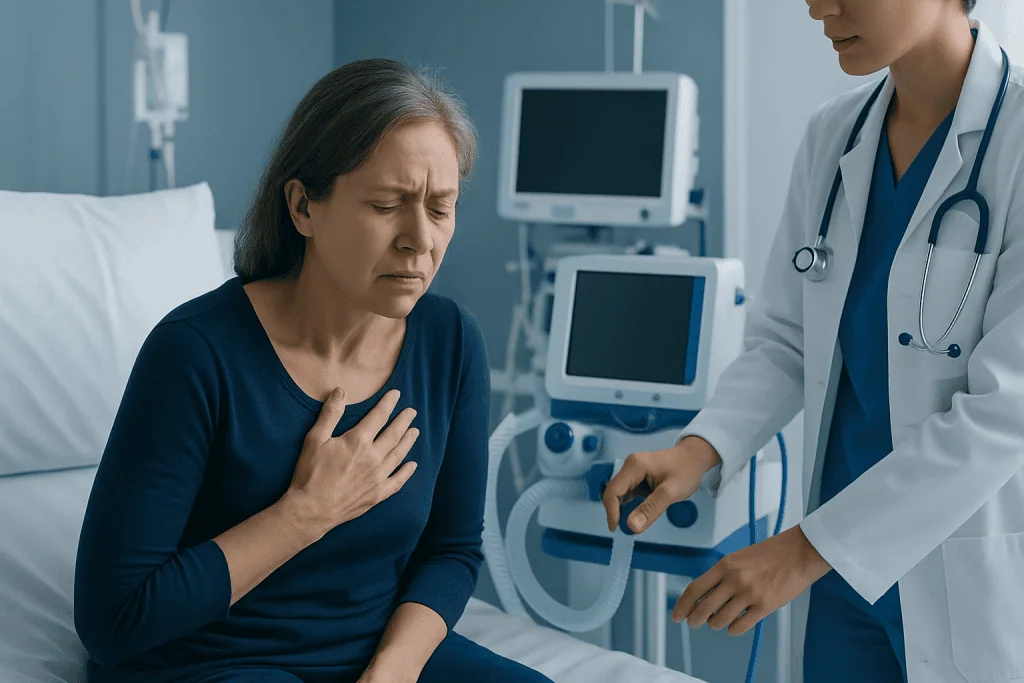
Pneumonia symptoms can begin suddenly or develop over several days. A cough is one of the most common signs and may produce mucus, although some people have a dry cough. Fever, chills, sweating, fatigue, and a general feeling of illness are also common.
Breathing symptoms are especially important. A person may notice shortness of breath, rapid breathing, or chest pain that gets worse when taking a deep breath or coughing. Some people feel unable to carry out normal daily activities because breathing feels more difficult than usual.
Symptoms can vary by age and health status. Older adults may have less obvious signs, such as confusion, weakness, reduced appetite, or lower-than-normal body temperature rather than a high fever. Infants and young children may breathe quickly, flare their nostrils, seem unusually sleepy, or feed poorly.
- Persistent cough with or without mucus
- Fever, chills, or sweating
- Shortness of breath or fast breathing
- Chest discomfort when breathing or coughing
- Fatigue, weakness, or reduced appetite
- Confusion, especially in older adults
Causes and Risk Factors
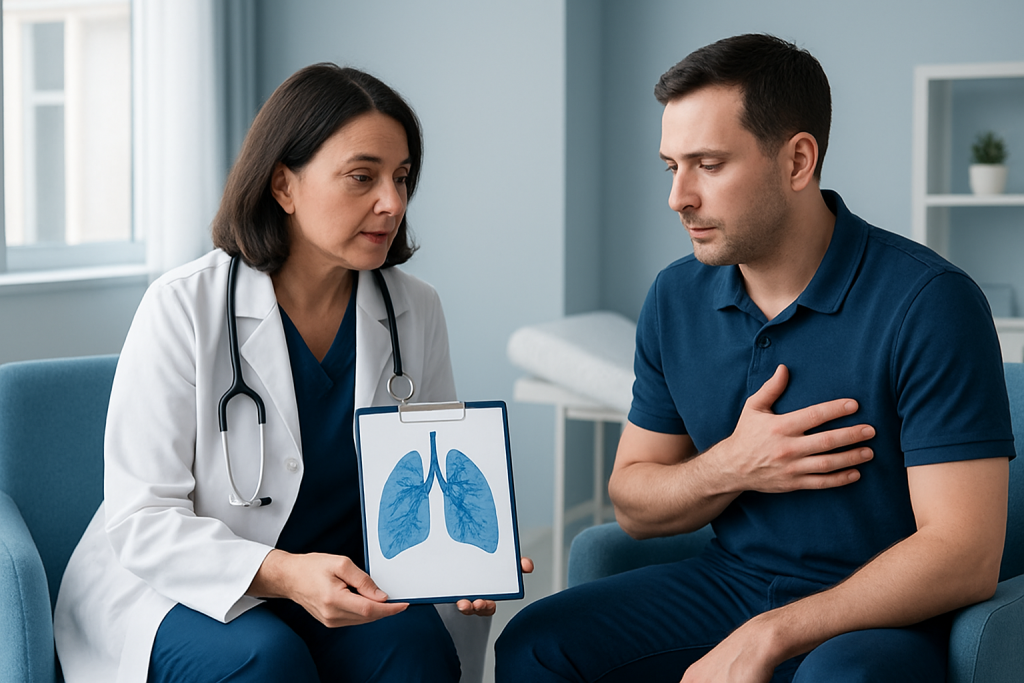
Pneumonia develops when germs enter the lungs and the body’s immune response causes inflammation. Community-acquired pneumonia occurs outside the hospital, while hospital-acquired and healthcare-associated pneumonia can occur during or after medical care. Aspiration pneumonia can happen when food, liquid, saliva, or vomit enters the lungs instead of being swallowed normally.
Bacterial pneumonia may follow a viral infection or appear on its own. Viral pneumonia can be caused by influenza and other respiratory viruses. Some infections may start like a common cold and then worsen, while others begin with high fever, cough, and chest symptoms from the start.
Certain factors increase the chance of getting pneumonia or developing a more serious illness. Smoking damages the lungs’ natural defenses, and chronic conditions such as asthma, chronic obstructive pulmonary disease, heart disease, diabetes, kidney disease, liver disease, and neurological disorders can raise risk. Weakened immunity due to cancer treatment, organ transplant, HIV infection, or certain medications also makes pneumonia more likely.
Age matters as well. Babies and older adults have a higher risk of complications because their immune systems or lung function may be less resilient. People with swallowing difficulties, recent surgery, prolonged bed rest, or heavy alcohol use may also be more vulnerable, especially to aspiration-related lung infection.
How Pneumonia Is Diagnosed
Doctors diagnose pneumonia by combining the medical history, symptom pattern, and physical examination. They ask about fever, cough, mucus, breathing difficulty, recent illnesses, smoking, travel, chronic diseases, and possible exposure to infection. During the exam, they listen to the lungs for crackles, decreased breath sounds, or other signs of inflammation.
Pulse oximetry, a small finger device that measures oxygen levels, is commonly used to assess how well the lungs are working. Low oxygen saturation can suggest more severe disease and may help determine whether a person needs emergency evaluation or hospital treatment.
A chest X-ray is often used to confirm pneumonia or look for complications, especially when symptoms are moderate to severe or the diagnosis is uncertain. Depending on the situation, the doctor may also order blood tests, sputum testing, viral tests, or imaging such as a CT scan if a more detailed lung assessment is needed.
In some cases, additional evaluation helps identify related conditions or rule out other causes of shortness of breath, such as asthma or worsening chronic obstructive pulmonary disease. If breathing problems are significant, tests such as pulmonary function tests may be considered later in recovery rather than during the acute infection.
Treatment Options
Treatment depends on the cause of pneumonia, symptom severity, age, and other medical conditions. Bacterial pneumonia is typically treated with antibiotics, while viral pneumonia does not improve with antibiotics unless there is also a bacterial infection. Supportive care is important in all cases and may include rest, fluids, fever control, and monitoring symptoms closely.
Some people can recover safely at home with oral medicines and follow-up from their doctor. Others may need oxygen, intravenous fluids, breathing support, or medicines given in the hospital. Cough medicines are not always appropriate, because coughing can help clear mucus from the lungs, so any medication plan should be guided by a clinician.
If pneumonia leads to worsening oxygen levels or heavy mucus buildup, doctors may recommend hospital-based respiratory care. In selected patients, tools such as bronchoscopy may be used to examine the airways or obtain samples, especially when the diagnosis is unclear, there is concern about blockage, or symptoms do not improve as expected.
Recovery time varies. Fever may settle within a few days of proper treatment, but cough and tiredness can last longer. It is important to finish prescribed medicines, avoid smoking, drink enough fluids unless a doctor advises otherwise, and return for review if symptoms fail to improve or start to worsen.
When Hospital Care Is Needed
Hospital care may be needed when pneumonia causes low oxygen levels, severe breathing difficulty, dehydration, confusion, or signs that the infection is affecting the whole body. Doctors also consider age, pregnancy, underlying illnesses, blood pressure, heart rate, and the ability to eat, drink, and take medicine safely at home.
Warning signs that need urgent medical attention include blue lips or fingertips, severe shortness of breath, chest pain that is significant or persistent, drowsiness, new confusion, fainting, or inability to keep fluids down. In infants, urgent signs include grunting, marked chest retractions, poor feeding, limpness, or unusual sleepiness. These signs do not always mean a life-threatening emergency, but they should be assessed without delay.
In the hospital, treatment may include oxygen therapy, intravenous antibiotics or antiviral treatment when appropriate, fluids, fever control, and close monitoring of breathing and circulation. Some people need care in a higher-dependency or intensive care setting if the lungs are not providing enough oxygen or if blood pressure becomes unstable.
For international patients who need specialist evaluation, Acibadem International’s multidisciplinary teams in JCI-accredited hospitals diagnose and treat pneumonia and related respiratory conditions with individualized care plans. The exact setting of care depends on the severity of illness and the patient’s overall health needs.
Prevention and Self-care
Prevention starts with reducing infection risk and supporting lung health. Vaccination is one of the most effective measures. Depending on age and medical history, doctors may recommend vaccines against influenza, COVID-19, pneumococcal disease, and other preventable respiratory infections.
Everyday habits also matter. Regular handwashing, covering coughs and sneezes, improving indoor ventilation, and avoiding close contact with people who are acutely ill can lower the chance of infection. Not smoking is especially important, because tobacco smoke weakens the lungs’ natural defenses and increases the risk of severe respiratory illness.
Good self-care during recovery helps the body heal. Rest, adequate fluids, healthy meals, and following the prescribed treatment plan are key. It is usually wise to avoid strenuous activity until fever has resolved and breathing has improved. People with chronic respiratory conditions such as bronchitis should also keep their routine medical care up to date.
Anyone who is recovering at home should pay attention to changes in symptoms. A rising fever after initial improvement, worsening cough, increasing shortness of breath, dizziness, or confusion should prompt medical advice. Follow-up may be recommended, especially for older adults, smokers, or people with persistent symptoms.
Frequently asked questions
What is the first sign of pneumonia?
There is no single first sign for everyone, but cough, fever, chills, and unusual tiredness are common early symptoms. Some people first notice shortness of breath or chest discomfort, while older adults may develop confusion or weakness instead of a high fever.
Can pneumonia go away on its own?
Some mild viral cases can improve with rest and supportive care, but pneumonia should not be assumed to resolve safely without medical advice. Bacterial pneumonia often needs antibiotics, and even mild symptoms can become more serious in people at higher risk.
How is pneumonia different from a cold or the flu?
A cold usually affects the nose and throat more than the lungs, while pneumonia involves infection and inflammation in the air sacs of the lungs. Influenza can sometimes lead to pneumonia, especially if symptoms worsen with increasing breathlessness, chest pain, or persistent fever.
When should someone with pneumonia go to the hospital?
Hospital assessment is important if there is severe shortness of breath, low oxygen, blue lips, chest pain, confusion, dehydration, or inability to take fluids or medicines. Babies, older adults, pregnant people, and those with serious chronic illness may need earlier evaluation even with less dramatic symptoms.
Is pneumonia contagious?
The germs that cause some types of pneumonia can spread from person to person, especially viruses and certain bacteria. However, not everyone exposed will develop pneumonia, because risk also depends on immune health, age, and underlying medical conditions.
How long does it take to recover from pneumonia?
Recovery varies widely. Some people begin to feel better within several days of starting treatment, but cough and fatigue may continue for weeks, especially after a more severe infection. A doctor should review persistent or worsening symptoms.
References
- World Health Organization
- Centers for Disease Control and Prevention
- National Heart, Lung, and Blood Institute
- American Thoracic Society
- NHS
This article is for general information only and is not a substitute for professional medical advice. Please consult a qualified doctor about your individual situation.
Pneumonia in Turkey — costs, top hospitals & a free quote
JCI-accredited · board-certified surgeons · reply within 24h
Add us as a Preferred Source to see more of our trusted health content across Google Search, AI Overviews and Discover.