Pneumonia While Pregnant: A Complete Clinical Guide for Patients

Pneumonia is an infection of the lung tissue that may be caused by bacteria, viruses, or less commonly fungi. Fever, cough, shortness of breath, chest discomfort, and unusual fatigue during pregnancy should be discussed with a clinician promptly.
Key Takeaways
- Pneumonia is an infection of the lung tissue that may be caused by bacteria, viruses, or less commonly fungi.
- Fever, cough, shortness of breath, chest discomfort, and unusual fatigue during pregnancy should be discussed with a clinician promptly.
- Chest imaging and laboratory tests can be used safely when medically needed; delaying diagnosis may pose greater risk than appropriate testing.
- Treatment depends on the likely cause and may include pregnancy-compatible antibiotics, antiviral medicines, oxygen, fluids, and hospital monitoring when needed.
- Vaccination, hand hygiene, avoiding smoking, and early assessment of respiratory symptoms can help lower risk.
Pneumonia while pregnant is a lung infection that should be assessed promptly, as pregnancy increases the body’s demand for oxygen and can make breathing illness more difficult. With timely diagnosis, pregnancy-appropriate treatment, and follow-up, most people recover well.
Overview: Why Pneumonia Needs Attention During Pregnancy
Pneumonia while pregnant is an infection that causes inflammation in one or both lungs. The air sacs can fill with fluid or inflammatory material, making it harder to move oxygen into the bloodstream. It can be caused by bacteria, viruses such as influenza or COVID-19, and, less often, other organisms.
Pregnancy changes how the heart, lungs, and immune system work. As the uterus grows, there is less room for the lungs to expand fully, while the body also needs more oxygen to support the pregnancy. These normal changes do not mean that every cough is dangerous, but they are why suspected pneumonia deserves early medical assessment.
Many cases can be managed successfully, particularly when care begins early. A clinician will consider both the pregnant person’s condition and fetal well-being, selecting investigations and treatments that are appropriate for the stage of pregnancy and the likely cause of infection.
Symptoms That May Suggest Pneumonia
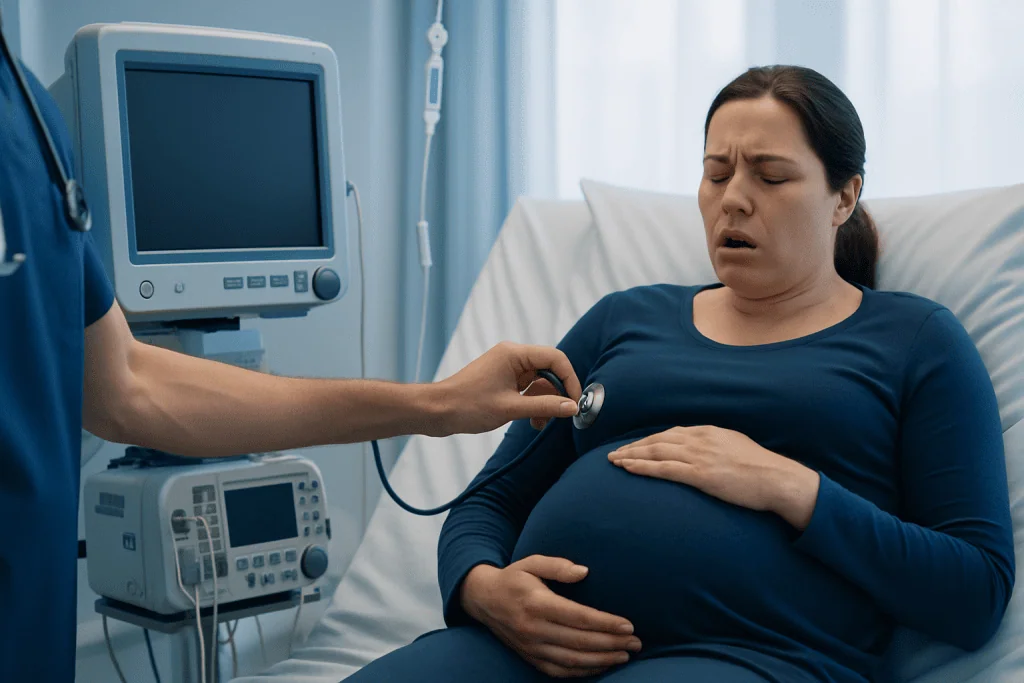
Pneumonia can begin after what seems like a cold or flu, or it may develop more suddenly. Symptoms vary according to the organism causing the infection, general health, and how much of the lung is affected. Some people have prominent cough and fever, while others mainly notice worsening breathlessness or marked exhaustion.
- Cough, which may be dry or bring up mucus
- Fever, chills, sweating, or feeling feverish
- Shortness of breath, fast breathing, or difficulty catching the breath
- Chest pain or discomfort, especially when breathing deeply or coughing
- Unusual weakness, dizziness, reduced appetite, nausea, or body aches
- Wheezing, palpitations, or a feeling of being generally much more unwell than with a routine cold
Breathlessness can occur normally later in pregnancy, but new, rapidly worsening, or persistent shortness of breath should not automatically be attributed to pregnancy. A healthcare professional can assess oxygen levels, listen to the lungs, and look for other possible causes.
Causes and Factors That Can Increase Risk

Community-acquired pneumonia is often caused by bacteria that spread through respiratory droplets or live harmlessly in the upper airways before moving into the lungs. Viral infections can also cause pneumonia directly or make it easier for a bacterial infection to follow. Influenza and COVID-19 are important examples because pregnancy may increase the likelihood of severe illness from these infections.
Anyone can develop pneumonia, including people with no previous health concerns. Risk may be higher in those with asthma or another chronic lung condition, heart disease, diabetes, anemia, immune suppression, obesity, or a history of smoking or vaping. Recent influenza-like illness, close contact with people who are unwell, and inadequate vaccination may also contribute.
Rarely, aspiration pneumonia can occur when stomach contents enter the airways, for example after severe vomiting or impaired swallowing. Pregnancy-related nausea and reflux are common, but aspiration is not a routine consequence of either. A clinician will consider the person’s symptoms and medical history to identify the most likely cause.
How Clinicians Diagnose Pneumonia in Pregnancy
Diagnosis begins with a careful history and physical examination. The clinician may ask when symptoms started, whether there has been exposure to flu or COVID-19, what medicines are being used, and whether there are medical conditions that may affect treatment. Temperature, pulse, blood pressure, respiratory rate, and oxygen saturation are important measures of severity.
A chest X-ray may be recommended to confirm pneumonia or rule out other causes of symptoms. When clinically necessary, chest imaging can be performed during pregnancy using appropriate shielding and optimized techniques. The amount of radiation from a standard chest X-ray is very low, and identifying a significant lung infection promptly is usually more important than avoiding a needed test.
Additional tests may include blood tests, nasal or throat swabs for respiratory viruses, or a sample of mucus if one can be produced. In more serious illness, clinicians may carry out blood cultures, repeat oxygen measurements, or use other imaging. Obstetric assessment may also be included, especially when the illness is moderate to severe or the pregnancy is further along.
Treatment Options and Pregnancy-Safe Care
Treatment is tailored to the suspected cause, symptom severity, allergies, stage of pregnancy, and any underlying conditions. If bacterial pneumonia is likely, a doctor may prescribe an antibiotic with an established safety record in pregnancy. Antibiotics do not treat viral infections, but they may still be used when bacterial infection cannot be excluded or develops alongside a viral illness.
For certain viral infections, antiviral treatment may be advised, particularly if influenza is suspected or confirmed. The benefit of treatment is often greatest when started early, so pregnant people should contact a healthcare professional promptly if flu-like symptoms occur. Supportive care can include rest, adequate fluids, measures to reduce fever recommended by the clinician, and monitoring for deterioration.
Hospital treatment may be needed if oxygen levels are low, breathing is difficult, dehydration is significant, symptoms are rapidly progressing, or there are medical risk factors. Care may include oxygen, intravenous fluids, medicines given through a vein, respiratory support, and monitoring of both parent and baby as appropriate. Treatment should not be stopped early simply because symptoms improve; the prescribed plan should be completed or reviewed with the treating clinician.
Acibadem International’s multidisciplinary specialists and JCI-accredited hospitals can assess and treat respiratory infections in pregnancy for international patients when coordinated hospital care is needed.
Supporting Recovery and Reducing Future Risk
Recovery time differs from person to person. Fever and acute symptoms may begin improving within days of effective treatment, while cough, tiredness, and reduced stamina can take longer to settle. Rest, regular fluids, nourishing meals as tolerated, and avoiding smoking, vaping, alcohol, and second-hand smoke support recovery.
It is important to attend follow-up appointments and report symptoms that are not improving as expected. A clinician may recommend repeat assessment, especially after a severe infection, if a cough persists, or if there are ongoing breathing concerns. People should check with their maternity team or pharmacist before using over-the-counter cough, cold, herbal, or pain-relief products during pregnancy.
Vaccination is one of the most effective preventive measures. Seasonal influenza vaccination and COVID-19 vaccination are recommended in many national programs for pregnant people, though local guidance should be followed. Handwashing, avoiding close contact with people who have active respiratory symptoms when possible, good ventilation, and management of long-term conditions such as asthma can also reduce risk.
When to Seek Medical Care
Pregnant people should contact a doctor, maternity unit, or urgent care service the same day for fever, a persistent or worsening cough, new shortness of breath, chest discomfort, flu-like illness, or feeling significantly more unwell than expected. Early review is especially important for people with asthma, diabetes, heart or lung disease, or immune system conditions.
Emergency medical care is needed for severe difficulty breathing, blue or grey lips or face, confusion, fainting, severe chest pain, coughing up blood, inability to keep fluids down, or a rapidly worsening condition. Reduced fetal movements after they have previously been felt should also be assessed urgently according to the maternity team’s instructions.
Not every respiratory symptom is pneumonia, and some symptoms may have other pregnancy-related or medical causes. However, professional assessment provides the safest way to determine whether testing or treatment is needed and to protect both maternal health and the pregnancy.
Frequently asked questions
Can pneumonia harm the baby during pregnancy?
Pneumonia can affect pregnancy if it causes low oxygen levels, high fever, dehydration, or serious maternal illness. Prompt assessment and treatment help protect maternal oxygenation and reduce the chance of complications. Most people recover well with appropriate care and monitoring.
Is a chest X-ray safe when pregnant?
A chest X-ray may be used during pregnancy when it is medically needed to diagnose pneumonia or another serious condition. The radiation dose to the fetus from a standard chest X-ray is very low, and techniques are used to minimize exposure. A clinician will explain why the test is recommended and discuss any concerns.
Which antibiotics are safe for pneumonia during pregnancy?
Several antibiotics can be used during pregnancy, but the best choice depends on the likely infection, allergy history, medical conditions, and trimester. A doctor will choose a medicine with an appropriate pregnancy safety profile. People should not use leftover antibiotics or start antibiotics without medical advice.
Can influenza cause pneumonia during pregnancy?
Yes. Influenza can cause viral pneumonia or lead to a secondary bacterial lung infection. Because pregnancy can increase the risk of complications from influenza, flu-like symptoms should be discussed with a healthcare professional promptly, particularly if there is fever or breathing difficulty.
How long does pneumonia recovery take during pregnancy?
The acute infection may begin to improve within several days after effective treatment, but fatigue and cough can last for weeks. Recovery varies with the cause and severity of illness and with any underlying health conditions. Follow-up is important if symptoms persist, worsen, or return.
Can pneumonia be prevented during pregnancy?
Not every case can be prevented, but vaccination, hand hygiene, avoiding smoking and vaping, and managing chronic conditions can lower risk. Influenza and COVID-19 vaccination may be particularly important during pregnancy according to local health guidance. Seeking care early for significant respiratory symptoms can also prevent illness from becoming more severe.
References
- American College of Obstetricians and Gynecologists
- Centers for Disease Control and Prevention
- National Health Service
- World Health Organization
- Royal College of Obstetricians and Gynaecologists
This article is for general information only and is not a substitute for professional medical advice. Please consult a qualified doctor about your individual situation.
Pneumonia in Turkey — costs, top hospitals & a free quote
JCI-accredited · board-certified surgeons · reply within 24h
Add us as a Preferred Source to see more of our trusted health content across Google Search, AI Overviews and Discover.
Check your numbers in seconds
BMI, calories, due date, blood pressure and 30+ more clinical calculators — free, instant, doctor-reviewed ranges.