Pneumonitis vs Pneumonia: Key Differences and How Doctors Tell Them Apart

Pneumonitis is usually noninfectious lung inflammation; pneumonia is usually a lung infection. Both can cause cough, shortness of breath, fever, and chest discomfort, so medical evaluation is often needed.
Key Takeaways
- Pneumonitis is usually noninfectious lung inflammation; pneumonia is usually a lung infection.
- Both can cause cough, shortness of breath, fever, and chest discomfort, so medical evaluation is often needed.
- Doctors tell them apart using the history of symptoms, physical exam, imaging, blood tests, and sometimes sputum or bronchoscopy tests.
- Treatment differs: pneumonia may need antibiotics or antiviral care, while pneumonitis is managed by removing the trigger and reducing inflammation.
- Urgent care is important for breathing difficulty, low oxygen, confusion, chest pain, or symptoms that rapidly worsen.
Pneumonitis vs pneumonia can sound similar, but they are not the same problem. Pneumonitis usually means inflammation in the lungs caused by irritation or an immune reaction, while pneumonia is most often an infection of the air sacs in the lungs caused by bacteria, viruses, or fungi.
Overview: pneumonitis vs pneumonia at a glance
Pneumonitis and pneumonia both affect the lungs and can cause very similar symptoms, which is why people often confuse them. The key difference is the underlying cause. Pneumonitis usually refers to inflammation of lung tissue that happens because of an irritant, a medication, radiation, an inhaled substance, or an overactive immune response. Pneumonia usually refers to an infection in the lungs, commonly caused by bacteria or viruses, and less often by fungi.
That difference matters because treatment is not the same. An infection may need antibiotics or other infection-focused care, while pneumonitis is treated by identifying and removing the trigger, supporting breathing, and sometimes using anti-inflammatory medicine. In practice, clinicians do not rely on one symptom alone. They look at the whole picture, including how the illness started, whether there was a recent exposure, what scans show, and whether signs of infection are present.
A simple side-by-side comparison can help:
- Main process: Pneumonitis = inflammation; Pneumonia = infection
- Common triggers: Pneumonitis = medications, radiation, mold, chemicals, autoimmune disease; Pneumonia = bacteria, viruses, fungi
- Fever: Can happen in both, but infection-related fever is especially common in pneumonia
- Cough: Common in both; pneumonia may produce more mucus, but this is not always true
- Imaging: Both can cause abnormal chest X-ray or CT findings
- Treatment: Pneumonitis = remove trigger, reduce inflammation; Pneumonia = treat infection and support recovery
Because there is overlap, a person should not try to self-diagnose based on symptoms alone. Medical assessment helps doctors decide whether the lungs are reacting to a harmful exposure or fighting an infection such as pneumonia.
Symptoms: where they overlap and where they differ
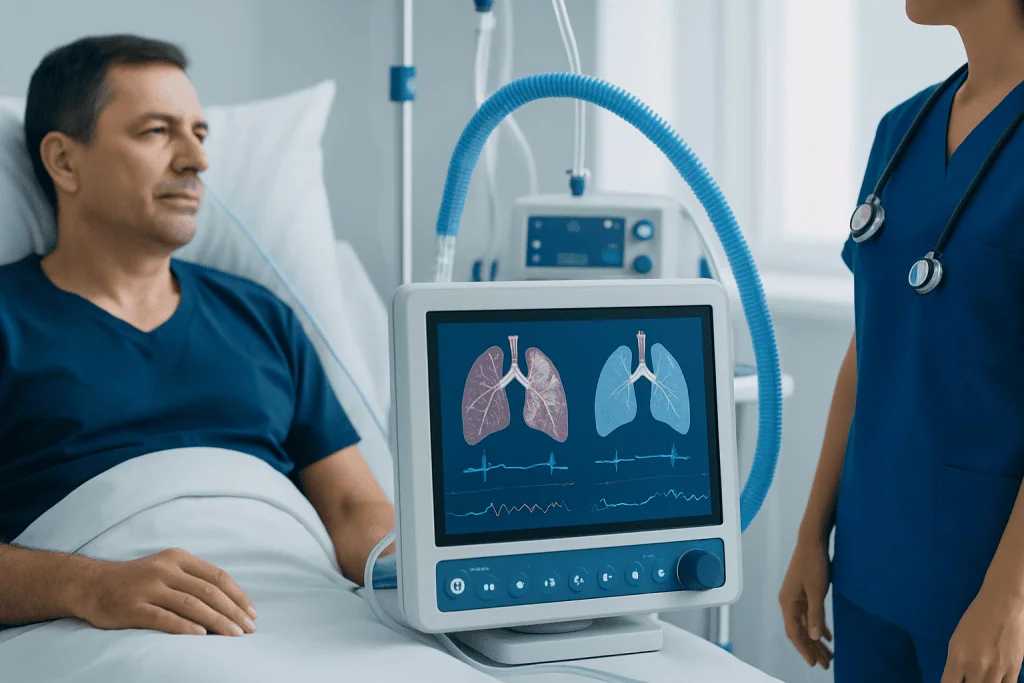
The symptoms of pneumonitis and pneumonia often overlap. Both can cause cough, shortness of breath, fatigue, fever, chills, and chest discomfort that may feel worse when breathing deeply. Some people also notice low energy, faster breathing, or lower exercise tolerance. In older adults, symptoms may be less typical and may include weakness, sleepiness, poor appetite, or confusion.
Pneumonia is more likely to begin as an acute illness, especially after a viral infection or exposure to someone who is sick. It may cause productive cough with phlegm, high fever, body aches, and a general sense of being unwell. However, not every person with pneumonia has mucus or a high temperature, especially if the infection is viral, mild, or occurring in someone with a weaker immune system.
Pneumonitis can be more gradual, although it may also start suddenly after a significant exposure. People sometimes notice symptoms after starting a new medication, receiving chest radiation, being around birds, mold, hay, dust, or industrial chemicals, or after repeated inhalation of irritating particles. Dry cough and worsening breathlessness can be more prominent than thick mucus production.
Symptoms alone cannot reliably separate these two conditions. For example, fever can occur with inflammatory lung reactions, and dry cough can occur with pneumonia. This is why doctors focus on timing, triggers, medical history, and test results rather than trying to label the condition from one symptom pattern.
Causes and risk factors

Pneumonia is usually caused by infection. Bacteria such as Streptococcus pneumoniae are a common cause, but viruses, including influenza and other respiratory viruses, can also lead to pneumonia. Fungal pneumonia is less common and is more likely in people with weakened immune systems or in certain environmental exposures. Risk tends to be higher in very young children, older adults, people with chronic heart or lung disease, smokers, and those with reduced immunity.
Pneumonitis, by contrast, usually happens when lung tissue becomes inflamed without a typical infection. Examples include hypersensitivity pneumonitis from inhaling organic dusts, bird proteins, or mold; radiation pneumonitis after cancer treatment to the chest; and drug-induced pneumonitis related to certain chemotherapy, immunotherapy, or other medicines. Some autoimmune diseases and connective tissue disorders can also inflame the lungs.
Another important consideration is aspiration, which happens when food, liquid, or stomach contents enter the airways. Aspiration can irritate the lungs and cause chemical pneumonitis, but it can also lead to infection and aspiration pneumonia. In real life, those processes may overlap, which is one reason diagnosis can be challenging.
Doctors also consider related lung conditions when weighing symptoms and imaging findings, including lung cancer or chronic inflammatory diseases. The goal is not just to name the problem, but to identify what is driving it so treatment is targeted and safe.
How doctors tell them apart
Clinicians usually begin with the history. They ask when symptoms started, whether they came on suddenly or gradually, and whether there was a recent cold, flu-like illness, sick contact, hospitalization, travel, new medication, radiation treatment, autoimmune disease, or exposure to mold, birds, dust, chemicals, or smoke. That context often provides the first clues.
The physical exam is also important. A doctor checks temperature, oxygen level, breathing rate, heart rate, and listens to the lungs for crackles or other abnormal sounds. Low oxygen, signs of dehydration, or respiratory distress help determine how urgent the situation is, but they do not by themselves distinguish pneumonitis from pneumonia.
Imaging is a major part of the evaluation. A chest X-ray may show areas of inflammation or consolidation, but a CT scan often gives a clearer pattern. Certain CT findings may suggest infection, while others are more compatible with drug-related, radiation-related, or hypersensitivity pneumonitis. Even so, imaging findings can overlap, so the scan is interpreted together with symptoms and history.
Laboratory tests may include blood work for markers of inflammation, oxygen-related measurements, and tests that look for infection. Sputum testing may help identify bacteria or fungi in some cases. If the diagnosis remains unclear, specialists may recommend more advanced evaluation such as pulmonary function testing, bronchoscopy, or bronchoscopy to collect samples from the airways. In some patients, especially when detailed imaging is needed, a doctor may also request a CT scan.
Treatment: what to do for each case
Treatment depends on the cause, severity, and the person’s overall health. Pneumonia treatment is directed at the infection and may include antibiotics for bacterial cases, supportive care for viral illness, oxygen if levels are low, fluids, fever control, and rest. Some people can recover at home, while others need hospital care if they have low oxygen, dehydration, or other complications. If pneumonia is severe or recurrent, the team may look more closely for a blocked airway or another underlying condition.
Pneumonitis treatment focuses first on removing or avoiding the trigger. That may mean stopping an offending medication under medical guidance, reducing exposure to molds or birds, or managing effects after radiation. Depending on the cause and severity, doctors may recommend observation, oxygen support, or anti-inflammatory treatment such as corticosteroids. The exact plan varies because pneumonitis is a broad term covering several distinct disorders.
When the diagnosis is uncertain, doctors may begin supportive treatment while test results are still coming in. In some cases, both infection and inflammation are considered until the picture becomes clearer. This is especially relevant after aspiration, in immunocompromised patients, or when imaging findings overlap.
If there is concern about a structural problem in the lungs or if a tissue diagnosis is needed, clinicians may consider further procedures. Depending on the case, this might include lung biopsy or specialist evaluation of lung function and imaging patterns. Care is individualized to avoid unnecessary treatment and to address the true cause as early as possible.
Prevention and self-care
Prevention looks different for pneumonia and pneumonitis. To lower the risk of pneumonia, routine vaccination, good hand hygiene, avoiding tobacco smoke, and managing chronic conditions are helpful. People at higher risk should speak with a clinician about recommended vaccines, including those for influenza and pneumococcal disease when appropriate.
To reduce the risk of pneumonitis, the priority is limiting exposure to known triggers. This may mean improving ventilation, using protective equipment in dusty or chemical environments, addressing mold problems at home or work, and reviewing medication side effects with a doctor. People who have reacted to a substance before may need a more careful long-term plan to avoid repeated exposure.
Self-care should support recovery but should not replace medical evaluation. Rest, hydration, avoiding smoking or vaping, and following prescribed treatment are sensible steps. It is best not to start or stop prescription medication without guidance, especially if drug-induced pneumonitis is being considered.
After recovery, some people need follow-up imaging or breathing tests to make sure inflammation has resolved and lung function is improving. At Acibadem International, multidisciplinary specialists in JCI-accredited hospitals evaluate and treat respiratory conditions for international patients when more advanced assessment is needed.
When to seek medical care
Medical care is important if a person has cough, fever, or shortness of breath that is persistent, worsening, or interfering with normal activity. A clinician should also evaluate symptoms that begin after a new medication, chest radiation, a significant inhalation exposure, or an episode of choking or aspiration.
Urgent medical attention is needed for trouble breathing, bluish lips, chest pain, confusion, severe weakness, high fever that does not improve, or oxygen levels that are low if a home pulse oximeter is available. People with cancer treatment, immune suppression, advanced age, or major heart or lung disease should seek help sooner because complications can develop more quickly.
It is also reasonable to seek medical advice if symptoms seem mild but are not improving within a few days, or if cough and breathlessness return after initial treatment. Early evaluation can help distinguish infection from inflammation and reduce the chance of delayed or mismatched treatment.
Frequently asked questions
Is pneumonitis the same as pneumonia?
No. Pneumonitis usually means inflammation of the lungs that is not primarily caused by infection, while pneumonia usually means a lung infection. Because symptoms can overlap, a doctor may need tests to tell them apart.
Can pneumonitis turn into pneumonia?
They are different processes, but they can sometimes overlap. For example, aspiration can first irritate the lungs and later lead to infection, or a person with inflamed lungs may become more vulnerable to complications. A clinician can assess whether one, the other, or both may be present.
Which is more serious, pneumonitis or pneumonia?
Either can be mild or serious depending on the cause, how much of the lung is affected, and the person's age and general health. Problems become more urgent when breathing is difficult, oxygen is low, or symptoms are worsening quickly. Prompt evaluation helps reduce risk.
Do antibiotics treat pneumonitis?
Not usually, because pneumonitis is often not caused by bacteria. Antibiotics may be used if pneumonia is suspected or confirmed, or if the diagnosis is still uncertain early on. Treatment for pneumonitis usually focuses on removing the trigger and managing inflammation.
Can a chest X-ray tell the difference between pneumonitis and pneumonia?
A chest X-ray can show that something is wrong in the lungs, but it may not fully distinguish between infection and noninfectious inflammation. Doctors often use the X-ray together with symptoms, medical history, blood tests, and sometimes CT imaging or bronchoscopy. The full clinical picture is what guides diagnosis.
What does recovery usually look like?
Recovery depends on the cause and severity. Some people improve within days to weeks, while others, especially with significant pneumonitis or severe pneumonia, may need a longer period of follow-up. Doctors may repeat imaging or breathing tests to confirm that the lungs are healing.
References
- American Thoracic Society
- Centers for Disease Control and Prevention
- National Heart, Lung, and Blood Institute
- Mayo Clinic
- Merck Manual Consumer Version
This article is for general information only and is not a substitute for professional medical advice. Please consult a qualified doctor about your individual situation.
Pneumonia in Turkey — costs, top hospitals & a free quote
JCI-accredited · board-certified surgeons · reply within 24h
Add us as a Preferred Source to see more of our trusted health content across Google Search, AI Overviews and Discover.