Postmenopausal Bleeding: Causes, Tests, and Why It Should Be Checked

Any vaginal bleeding after menopause should be medically evaluated. Common causes include vaginal thinning, polyps, hormone therapy, and changes in the lining of the uterus.
Key Takeaways
- Any vaginal bleeding after menopause should be medically evaluated.
- Common causes include vaginal thinning, polyps, hormone therapy, and changes in the lining of the uterus.
- Tests may include a pelvic exam, transvaginal ultrasound, and endometrial biopsy.
- Most cases are not caused by cancer, but cancer must be ruled out promptly.
- Early assessment often leads to simpler treatment and greater peace of mind.
Postmenopausal bleeding means any vaginal bleeding that happens after menopause. It is not considered normal, and although many causes are benign, it should always be assessed by a doctor to rule out conditions that need treatment.
Overview
Postmenopausal bleeding is any vaginal bleeding, spotting, or blood-stained discharge that occurs after a woman has gone through menopause. Menopause is usually defined as 12 consecutive months without menstrual periods. After that point, bleeding is no longer expected and should be checked by a healthcare professional.
Bleeding after menopause can range from a few spots on underwear to bleeding that seems similar to a light period. Some women notice pink, brown, or red discharge instead of obvious bleeding. Even very light spotting matters, because it can sometimes be the first sign of a condition affecting the vagina, cervix, uterus, or the lining of the uterus.
In many cases, the cause is not serious. Common explanations include thinning of the vaginal tissues, small growths called polyps, or side effects of certain medicines. However, postmenopausal bleeding can also be linked to endometrial hyperplasia or cancer of the uterine lining, so timely evaluation is important.
The good news is that there are clear, effective ways to investigate the cause. A doctor will usually ask about symptoms, examine the pelvis, and recommend tests based on the bleeding pattern, age, medical history, and risk factors.
Symptoms and What Counts as Abnormal
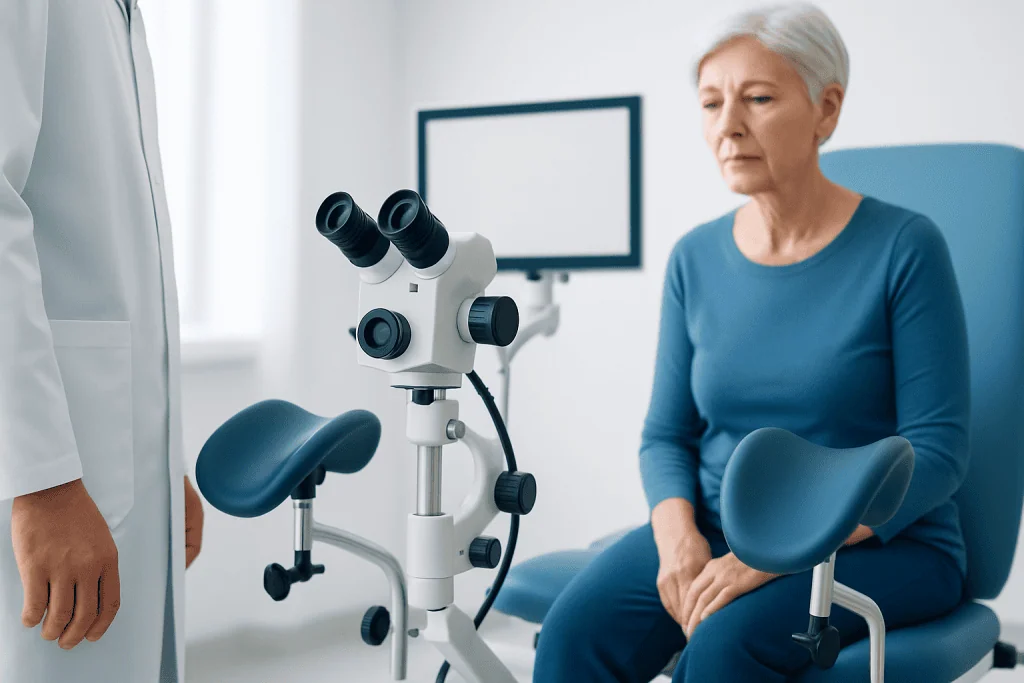
The main symptom is any bleeding after menopause. This includes a single episode of spotting, repeated episodes of light bleeding, heavier flow, or bleeding that happens after sex. Brown or pink discharge can also count as postmenopausal bleeding, especially if it appears repeatedly or is clearly blood-stained.
Some women have no other symptoms. Others may notice vaginal dryness, discomfort during sex, pelvic pressure, unusual discharge, or cramping. These added symptoms do not confirm a cause, but they can help guide the evaluation.
It can be helpful to keep track of what happened before the appointment. Useful details include when the bleeding started, how much blood there was, whether it happened once or more than once, and whether there is pain, fever, or discharge. Information about hormone therapy, blood-thinning medication, and previous gynecologic conditions is also important.
Bleeding is not considered a normal part of aging after menopause. Even if it stops on its own, it still deserves medical attention, because some causes are easier to treat when found early.
Causes and Risk Factors

One of the most common causes of postmenopausal bleeding is atrophy, which means thinning and fragility of the tissues of the vagina or the lining of the uterus after estrogen levels fall. These tissues can become dry, delicate, and more likely to bleed with friction or irritation. This may also cause burning, itching, or pain during intercourse.
Other possible causes include endometrial or cervical polyps, which are usually benign growths, as well as hormone replacement therapy, some fertility or hormone-related medicines, and blood thinners. Infection, inflammation, and trauma can also lead to bleeding. In some women, the bleeding comes from a source outside the vagina, such as the urinary tract or rectum, which is why careful assessment matters.
A more important cause to rule out is thickening of the uterine lining, called endometrial hyperplasia, which can sometimes lead to cancer. Postmenopausal bleeding may also be related to cancers of the endometrium, cervix, vagina, or less commonly the ovaries. Doctors may consider related conditions such as uterine cancer or cervical cancer depending on the symptoms and examination findings.
Risk factors for more serious causes can include obesity, diabetes, high blood pressure, use of tamoxifen, a family history of certain cancers, late menopause, never having been pregnant, and conditions that expose the uterine lining to estrogen without enough progesterone. Still, women without these risk factors can also develop important conditions, so the presence or absence of risk factors does not replace testing.
How Doctors Diagnose Postmenopausal Bleeding
Evaluation usually begins with a conversation about symptoms and medical history. The doctor may ask when menopause occurred, whether there has been any recent bleeding before this episode, what medicines are being taken, and whether there are symptoms such as pain, discharge, weight loss, or urinary problems. A pelvic examination is often the next step.
During the pelvic exam, the doctor checks the vulva, vagina, and cervix for signs of atrophy, infection, polyps, or visible lesions. A speculum exam helps identify whether the blood is coming from the vagina or cervix. Depending on the situation, a cervical screening test may be reviewed or repeated if it is due or if there are concerning findings.
A common imaging test is a transvaginal ultrasound, which uses a small probe placed in the vagina to look at the uterus, ovaries, and the thickness of the endometrium, the lining of the uterus. This can help identify fibroids, polyps, fluid in the uterus, or thickening of the lining that may need further investigation. If a growth or structural change is suspected, a doctor may recommend hysteroscopy to examine the inside of the uterus more closely.
Many women also need a sample of the uterine lining, called an endometrial biopsy. This helps check for hyperplasia or cancer. In some cases, tissue sampling may be done in the clinic; in others, a doctor may recommend a procedure such as dilatation and curettage or a targeted biopsy during hysteroscopy. The exact tests depend on age, ultrasound findings, amount of bleeding, and the overall clinical picture.
Treatment Options
Treatment depends entirely on the cause. If bleeding is due to vaginal or endometrial atrophy, a doctor may recommend moisturizers, lubricants, or local estrogen treatment when appropriate. If hormone therapy is contributing to the bleeding, the regimen may need adjustment under medical supervision.
Polyps in the uterus or cervix may be removed, especially if they are causing repeated bleeding or look unusual. If fibroids or other structural problems are found, treatment may range from observation to procedures depending on symptoms, size, and location. Infections are treated according to the specific cause.
If the biopsy shows endometrial hyperplasia, treatment may involve medication, close follow-up, or surgery depending on whether abnormal cells are present. When cancer is diagnosed, care is planned by specialists and may include surgery, radiation therapy, chemotherapy, or a combination of treatments. Some women may need advanced care pathways such as gynecologic oncology treatment or, when appropriate, robotic surgery.
Management is individualized. Age, overall health, symptoms, test results, and personal preferences all matter. The aim is not only to stop the bleeding but also to treat the underlying cause safely and effectively.
Prevention and Self-care
Not all causes of postmenopausal bleeding can be prevented, but certain habits can support gynecologic health. Attending routine check-ups, keeping cervical screening up to date when advised, and discussing any new symptoms promptly can help detect problems earlier.
Maintaining a healthy weight, staying physically active, and managing conditions such as diabetes and high blood pressure may reduce the risk of some endometrial problems. Medicines should be reviewed regularly, especially hormone therapy, tamoxifen, and blood thinners, because these can affect bleeding patterns.
For women with vaginal dryness or discomfort, non-hormonal moisturizers and lubricants can help reduce irritation. It is best to avoid self-treating postmenopausal bleeding without medical advice, even if dryness seems likely. Bleeding should not be assumed to be harmless before it has been assessed.
Self-care also includes observing symptoms carefully. Writing down the amount of bleeding, when it occurs, and any associated symptoms can make the medical visit more productive and help doctors choose the right tests.
When to See a Doctor
A doctor should be contacted for any bleeding after menopause, even if it happens only once or seems very light. Early assessment is the safest approach because the cause cannot be identified based on appearance alone. Prompt evaluation can rule out serious conditions and often leads to faster reassurance.
Urgent medical attention is particularly important if bleeding is heavy, if there is severe pelvic pain, dizziness, weakness, fever, or if the woman feels unwell. These symptoms may point to a problem that needs more immediate care. Bleeding in someone taking blood thinners should also be discussed promptly.
If tests have already been done and bleeding returns, a follow-up visit is still needed. Recurring or persistent bleeding may require further evaluation, even if an earlier test was reassuring. Ongoing communication with a gynecologist is important when symptoms continue.
For women seeking specialist care, Acibadem International’s multidisciplinary teams in JCI-accredited hospitals evaluate and treat postmenopausal bleeding for international patients, with diagnosis tailored to the underlying cause.
Frequently asked questions
Is postmenopausal bleeding always cancer?
No. Many cases are caused by non-cancerous conditions such as vaginal thinning, polyps, or medication effects. Even so, cancer must be ruled out, which is why any bleeding after menopause should be checked.
How much bleeding is considered postmenopausal bleeding?
Any amount counts, including light spotting, a few drops of blood, brown staining, or heavier bleeding. There is no minimum amount that is considered safe to ignore after menopause.
What tests are usually done for bleeding after menopause?
Doctors often begin with a pelvic examination and a review of symptoms and medicines. Common tests include transvaginal ultrasound and an endometrial biopsy, and some women may need hysteroscopy or other procedures depending on the findings.
Can hormone replacement therapy cause bleeding after menopause?
Yes, some forms of hormone therapy can cause bleeding or spotting, especially when treatment is started or adjusted. However, bleeding should still be discussed with a doctor, because it should not automatically be assumed to be a medication side effect.
What is an endometrial biopsy like?
An endometrial biopsy is a test that takes a small sample from the lining of the uterus. It is often done without major surgery, and while it can cause brief cramping or discomfort, it usually does not take long.
If the bleeding stops, do I still need to see a doctor?
Yes. A single episode that goes away can still be important. Because some underlying causes do not produce continuous bleeding, medical evaluation is still recommended even if symptoms stop.
References
- World Health Organization
- American College of Obstetricians and Gynecologists
- National Institute for Health and Care Excellence
- Mayo Clinic
- Royal College of Obstetricians and Gynaecologists
This article is for general information only and is not a substitute for professional medical advice. Please consult a qualified doctor about your individual situation.
Explore treatments in Turkey — costs, top hospitals & a free quote
JCI-accredited · board-certified surgeons · reply within 24h
Add us as a Preferred Source to see more of our trusted health content across Google Search, AI Overviews and Discover.
Check your numbers in seconds
BMI, calories, due date, blood pressure and 30+ more clinical calculators — free, instant, doctor-reviewed ranges.

More from the Health Library



Related Specialists

Prof. Dr. Belgin Selam
Gynecology & Obstetrics
Dr. Tahir Ateş
Gynecology & Obstetrics
Dr. Dilara Akman
Infectious Diseases & Clinical Microbiology
Prof. Dr. M. Nadir Şener
Orthopedic Surgery & Traumatology