Prenatal Care in Turkey: How International Patients Can Plan Pregnancy Checkups

Prenatal care includes scheduled visits, blood tests, ultrasounds, and monitoring of maternal and fetal health. International patients benefit from planning appointments around pregnancy stage, travel timing, and medical records.
Key Takeaways
- Prenatal care includes scheduled visits, blood tests, ultrasounds, and monitoring of maternal and fetal health.
- International patients benefit from planning appointments around pregnancy stage, travel timing, and medical records.
- Care plans are personalized based on age, medical history, previous pregnancies, and any current symptoms or risks.
- Urgent symptoms such as bleeding, severe pain, fluid leakage, or reduced fetal movement need prompt medical attention.
- Good communication with an obstetric team helps coordinate follow-up before, during, and after travel.
Prenatal care helps protect the health of both mother and baby through regular checkups, screening tests, and guidance throughout pregnancy. For international patients traveling to Turkey, planning ahead can make pregnancy care more organized, comfortable, and medically consistent.
Overview of Prenatal Care
Prenatal care, also called antenatal care, is the routine medical care a woman receives during pregnancy. Its main goal is to support a healthy pregnancy by monitoring the mother’s wellbeing, checking the baby’s growth and development, and identifying concerns early. Regular follow-up can also provide reassurance, education, and practical support as pregnancy progresses.
A typical prenatal care plan includes medical history review, physical examinations, blood pressure monitoring, laboratory tests, urine checks, and ultrasound scans. Depending on the stage of pregnancy, the doctor may also discuss nutrition, supplements, exercise, vaccinations, birth planning, and warning signs that should not be ignored.
For international patients, prenatal care in Turkey can be especially helpful when there is a need for a well-organized assessment during travel, a second opinion, or continued follow-up after care has started elsewhere. The key is continuity: bringing previous records and understanding which tests have already been done helps avoid unnecessary repetition and supports a more complete evaluation.
Why Pregnancy Checkups Matter
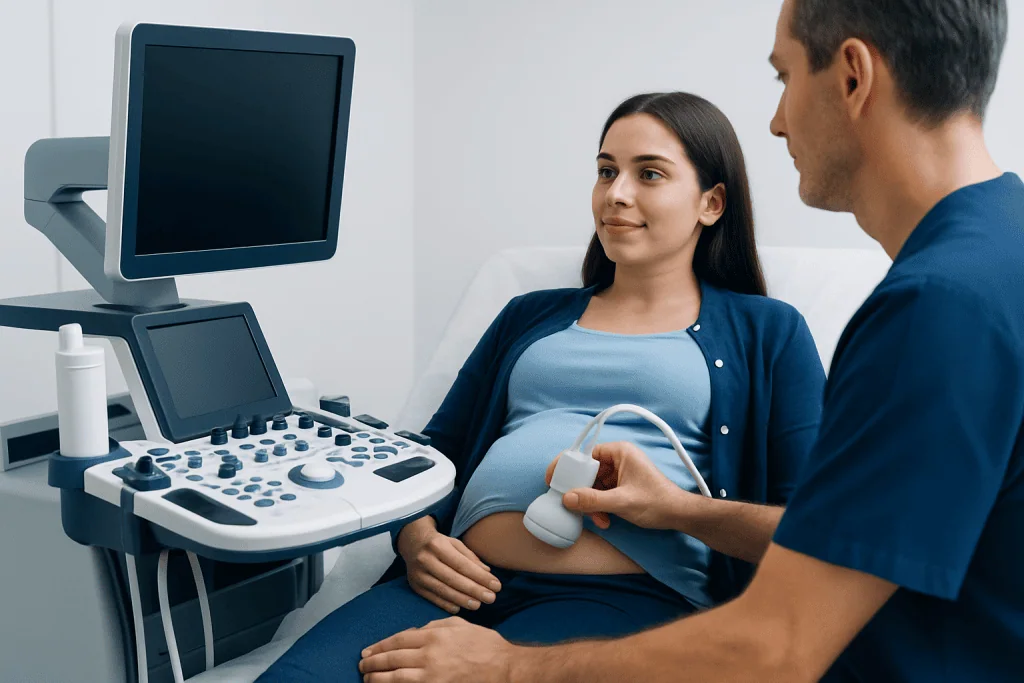
Pregnancy checkups do more than confirm that a pregnancy is ongoing. They help detect conditions that may affect the mother, the baby, or both. These can include anemia, high blood pressure, gestational diabetes, thyroid problems, infections, growth concerns, and placental issues. Early recognition often allows earlier treatment or closer monitoring.
Routine visits are also important because some pregnancy-related problems do not cause obvious symptoms at first. A woman may feel generally well while blood pressure rises or blood sugar becomes abnormal. Prenatal appointments provide structured monitoring, which is one of the reasons they are considered a central part of modern maternity care.
Checkups also create time for questions. Common topics include nausea, fatigue, weight changes, travel safety, work, medications, intimacy, and delivery options. For first-time parents especially, regular visits can make pregnancy feel more understandable and less overwhelming.
- They monitor maternal health, including blood pressure and general wellbeing.
- They track fetal growth, heartbeat, and development.
- They screen for conditions that may need treatment or specialist care.
- They offer practical advice for each trimester and preparation for birth.
What International Patients Should Plan Before Traveling

Planning ahead is one of the most important parts of arranging prenatal care abroad. The first step is to know the current stage of pregnancy, including the first day of the last menstrual period, estimated due date, and any previous scan dates. This helps the care team schedule the most appropriate tests and avoids missing time-sensitive screening windows.
It is helpful to gather all available records before traveling. These may include previous ultrasound reports, blood test results, prenatal screening results, medication lists, vaccination records, and notes about past pregnancies or miscarriages. If a woman has chronic conditions such as diabetes, hypertension, thyroid disease, or autoimmune illness, records related to those conditions are also important.
Travel plans should be discussed with a doctor, especially in higher-risk pregnancies or later gestation. While many women travel safely during pregnancy, individual advice depends on symptoms, obstetric history, and the reason for travel. International patients may also wish to ask in advance about appointment length, imaging availability, language support, and whether same-day laboratory testing is possible.
In some cases, care may involve related services such as fertility and early pregnancy follow-up or assessment by specialists in obstetrics and gynecology. When there has been a previous diagnosis affecting the pregnancy, records from that condition should be shared with the treating team.
Common Tests and Scans During Prenatal Care
Prenatal testing is usually guided by gestational age. Early visits often include confirmation of the pregnancy, estimation of due date, blood group and Rh status, complete blood count, urine testing, and screening for infections according to clinical guidelines. The doctor may also review current medications and discuss folic acid, iron, and other supplements when appropriate.
Ultrasound is a key part of pregnancy care. Depending on timing, scans may be used to confirm the pregnancy location, check the number of fetuses, assess heartbeat, measure growth, evaluate anatomy, and examine the placenta and amniotic fluid. Some women may also be offered first-trimester or second-trimester screening for chromosomal conditions, based on local practice and individual preference.
Later in pregnancy, routine care may include repeat blood tests, screening for gestational diabetes, monitoring of blood pressure and weight, and checking the baby’s growth and position. If there are concerns about fetal growth, maternal symptoms, or placental function, additional ultrasound or fetal monitoring may be recommended.
Not every patient needs the same tests at the same time. A woman carrying twins, having a prior cesarean birth, or living with a chronic medical condition may need more frequent monitoring. Patients who have had previous losses or a high-risk pregnancy may also need follow-up tailored to those circumstances, including assessment for conditions such as high-risk pregnancy.
How Care Is Personalized for Different Pregnancies
Prenatal care is never exactly the same for every woman. Doctors consider age, personal health, family history, previous pregnancies, current symptoms, and the findings of early tests. A healthy first pregnancy may follow a standard schedule, while a more complex pregnancy may require more frequent reviews or input from several specialists.
Certain situations can influence the care plan. These include maternal age over 35, multiple pregnancy, previous preterm birth, a history of miscarriage, high blood pressure, diabetes, thyroid disease, kidney disease, obesity, or autoimmune conditions. Some pregnancies also become higher risk because of issues that develop during follow-up, such as bleeding, fetal growth restriction, or gestational diabetes.
When needed, the obstetrician may coordinate care with other specialties, such as endocrinology, cardiology, genetics, neonatology, or radiology. If symptoms suggest a problem in early pregnancy, evaluation may include assessment for issues like ectopic pregnancy, which requires urgent diagnosis. Personalized care aims to match monitoring and treatment to the woman’s specific needs rather than using a one-size-fits-all approach.
Treatment, Follow-Up, and Support During Pregnancy
Prenatal care is not only about testing; it also includes treatment and support when concerns arise. If blood tests show anemia, the doctor may recommend iron and dietary changes. If blood pressure becomes elevated, follow-up may become more frequent and additional tests may be arranged. If gestational diabetes is diagnosed, nutrition advice, glucose monitoring, and specialist review may be needed.
Supportive care is also an important part of healthy pregnancy management. Doctors often discuss common symptoms such as nausea, constipation, reflux, back pain, swelling, sleep difficulties, and mood changes. Many of these are manageable with practical measures, but symptoms should still be reviewed to make sure a more serious cause is not being missed.
Some patients need targeted procedures or more advanced imaging, especially when there are questions about fetal development, placental position, or maternal health conditions. Depending on the case, care may involve detailed pregnancy ultrasound or hospital-based maternal-fetal assessment. A structured follow-up plan is particularly valuable for international patients who may continue part of their care at home after visiting Turkey.
Near the end of pregnancy, appointments usually focus more on fetal growth, the baby’s position, signs of labor, and birth planning. Discussions may include pain relief options, cesarean indications if relevant, and what to do if labor starts or membranes rupture before a scheduled review.
Self-Care, Prevention, and Travel Considerations
Good daily habits support formal medical care. A balanced diet, adequate hydration, appropriate physical activity, and enough rest all play a role in pregnancy wellbeing. The doctor may advise prenatal vitamins or supplements based on dietary needs and blood test results. Smoking, alcohol, and non-prescribed drugs should be avoided, and any medicine used during pregnancy should be reviewed by a qualified clinician.
During travel, comfort and safety matter. Staying hydrated, moving regularly during long trips, and knowing where to seek medical help if symptoms develop can make travel safer. Women with complicated pregnancies should ask for individualized travel advice, because recommendations vary depending on gestational age and clinical risk.
It is also sensible to keep copies of key medical records accessible while traveling. These include blood group information, current medications, allergy history, previous scan reports, and emergency contact details. Clear documentation can be especially helpful if urgent care is needed away from home.
For international patients seeking coordinated pregnancy services, Acibadem International’s multidisciplinary specialists and JCI-accredited hospitals provide diagnosis and treatment planning for maternal and fetal care, including perinatology when a pregnancy needs closer specialist monitoring.
When to See a Doctor Urgently
Some symptoms during pregnancy should be checked promptly, even if a recent visit was normal. Vaginal bleeding, severe abdominal pain, suspected fluid leakage, fever, severe headache, visual changes, chest pain, fainting, or shortness of breath all need timely medical assessment. In later pregnancy, reduced or absent fetal movements should also be taken seriously.
Urgent review is also important if there is persistent vomiting with dehydration, sudden swelling of the face or hands, painful contractions before term, or signs of infection such as burning with urination. While many symptoms have non-serious causes, pregnancy is a time when early evaluation is usually the safest approach.
International patients should ask before leaving the clinic how to access urgent care after hours and whom to contact if symptoms arise during travel. Knowing where to go in an emergency can reduce stress and prevent delays in treatment.
Frequently asked questions
When should prenatal care start?
Prenatal care should ideally begin as soon as pregnancy is confirmed. Early visits help establish the due date, review medical history, and arrange time-sensitive blood tests and screening. Starting early also gives the doctor a chance to discuss medications, supplements, and any risks.
How often are pregnancy checkups needed?
The schedule depends on the stage of pregnancy and whether there are any risk factors. In general, visits are spaced farther apart early on and become more frequent later in pregnancy. Women with twins, chronic illness, or pregnancy complications may need additional appointments.
What records should international patients bring to prenatal appointments in Turkey?
It is helpful to bring ultrasound reports, blood test results, prenatal screening results, a list of medications, and records of past pregnancies or medical conditions. Blood group information and allergy history are also useful. Having complete records supports safer and more efficient care.
Can prenatal tests be repeated if they were already done in another country?
Sometimes yes, but not always. A doctor will usually review previous reports first to decide whether they are recent, complete, and clinically acceptable. Repeat testing may be needed if results are unclear, if pregnancy has advanced, or if new symptoms have appeared.
Is it safe to travel during pregnancy for checkups?
Many women can travel safely during pregnancy, but this depends on gestational age, symptoms, and medical history. Women with bleeding, preterm labor risk, high blood pressure, or other complications should seek personalized advice before traveling. A doctor can help weigh the benefits and risks.
What symptoms during pregnancy need urgent medical attention?
Bleeding, severe abdominal pain, fluid leakage, fever, severe headache, visual changes, chest pain, fainting, and breathing difficulty should be assessed promptly. In later pregnancy, reduced fetal movement is also an important warning sign. If there is any doubt, medical advice should be sought without delay.
References
- World Health Organization
- American College of Obstetricians and Gynecologists
- Royal College of Obstetricians and Gynaecologists
- National Health Service
- Centers for Disease Control and Prevention
This article is for general information only and is not a substitute for professional medical advice. Please consult a qualified doctor about your individual situation.
Explore treatments in Turkey — costs, top hospitals & a free quote
JCI-accredited · board-certified surgeons · reply within 24h
Add us as a Preferred Source to see more of our trusted health content across Google Search, AI Overviews and Discover.
Check your numbers in seconds
BMI, calories, due date, blood pressure and 30+ more clinical calculators — free, instant, doctor-reviewed ranges.

More from the Health Library



Related Specialists

Prof. Dr. Emre Özker
Varicose Vein Treatment
Prof. Dr. Hamdi Karakayalı
General Surgery
Assoc. Prof. Dr. Özgüç Takmaz
Gynecology & Obstetrics
Assoc. Prof. Dr. Tuna Bilecik
General Surgery