Preparing for a Memory Clinic Appointment: Tests, Records, and Questions to Bring

A memory clinic visit often includes a medical history, physical exam, and brief thinking or memory tests. Bringing medication lists, prior test results, and examples of symptoms can help the specialist make a more accurate assessment.
Key Takeaways
- A memory clinic visit often includes a medical history, physical exam, and brief thinking or memory tests.
- Bringing medication lists, prior test results, and examples of symptoms can help the specialist make a more accurate assessment.
- A family member or trusted companion is often helpful because they can describe changes that the patient may not notice.
- Many causes of memory problems are treatable, so evaluation should not be delayed.
- Preparing written questions in advance can help patients and families understand next steps and support options.
A memory clinic appointment helps doctors understand changes in memory, thinking, behavior, or daily function and look for possible causes. Good preparation can make the visit more useful, less stressful, and more likely to lead to a clear care plan.
Overview: What a Memory Clinic Appointment Is For
A memory clinic appointment is a specialist evaluation for concerns about memory, attention, language, problem-solving, mood, or changes in everyday functioning. These clinics are designed to assess symptoms carefully and look for possible explanations, which may include normal aging, medication effects, sleep problems, depression, vitamin deficiencies, stroke, or neurodegenerative conditions.
The goal of the visit is not simply to give a label. It is to understand what has changed, how quickly it has changed, how it affects daily life, and whether there are reversible or manageable causes. This usually involves more than one type of assessment, combining information from the patient, a family member or caregiver, and the medical team.
Many people feel nervous before a memory evaluation. That is understandable, but preparation can help. Bringing clear records and realistic examples of symptoms gives the clinician a fuller picture and may reduce the need to repeat information later.
Who Should Consider a Memory Evaluation
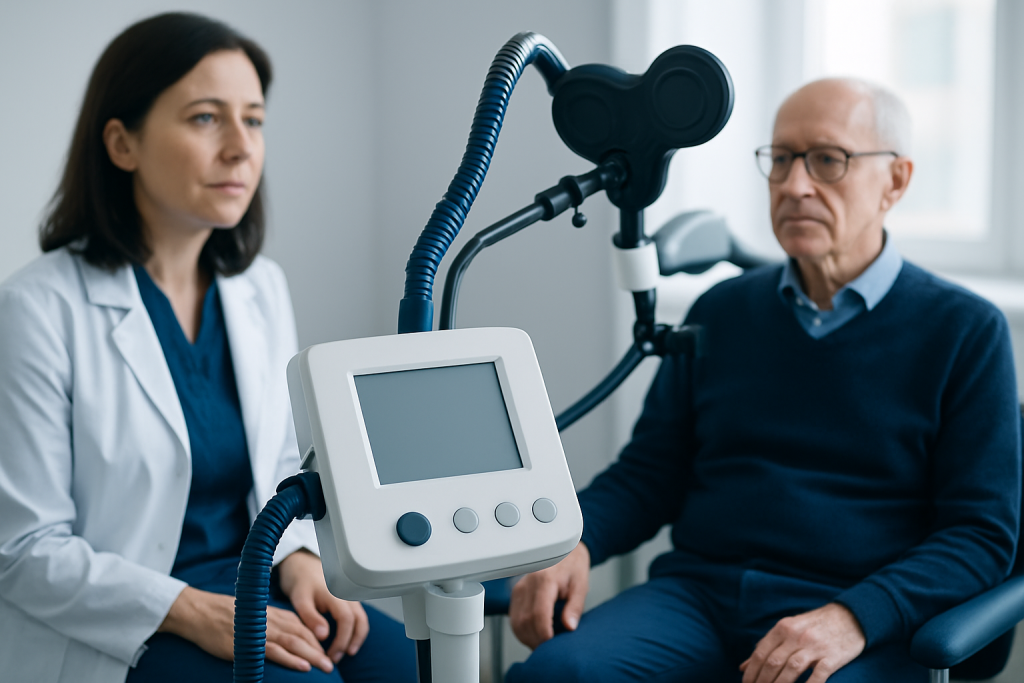
A memory clinic visit may be helpful when memory lapses are becoming more frequent, are getting worse over time, or are affecting work, finances, medication management, driving, household tasks, or social relationships. Difficulty finding words, repeating questions, getting lost in familiar places, or becoming less organized can also be reasons to seek an assessment.
Not every memory complaint means dementia. Stress, anxiety, poor sleep, hearing loss, infection, alcohol use, thyroid problems, and some medications can all affect thinking. Even so, persistent concerns deserve attention, especially when family members notice changes that the person does not fully recognize.
Earlier evaluation often helps with planning and treatment. If symptoms are due to a treatable condition, prompt care may improve them. If the cause is a progressive disorder such as Alzheimer’s disease, early diagnosis can help patients and families understand options, support daily safety, and plan future care.
Tests You May Have During the Appointment

A memory clinic appointment often begins with a detailed interview. The specialist may ask when symptoms started, whether they began suddenly or gradually, and whether they affect memory, attention, language, mood, personality, sleep, balance, or everyday tasks. A companion may be asked to share observations, because they may notice patterns that the patient does not.
Brief cognitive tests are also common. These may include questions or exercises that check orientation, recall, language, attention, visuospatial skills, and problem-solving. They are not pass-or-fail exams. Instead, they help the doctor understand strengths and weaknesses and decide whether more formal neuropsychological testing would be useful.
A physical and neurological examination may follow. This can include checks of walking, balance, reflexes, vision, hearing, coordination, and signs of stroke or Parkinsonism. Depending on the case, the doctor may also recommend blood tests or brain imaging such as MRI to look for structural changes, vascular disease, tumors, or other causes of cognitive symptoms.
Some patients may be advised to have additional evaluations, such as sleep assessment, hearing testing, or mood screening. If symptoms suggest another neurological problem, the team may also consider conditions such as vascular dementia or other causes of cognitive decline.
Records and Information to Bring
Bringing the right information can make the appointment much more efficient. A written medication list is especially important. It should include prescription medicines, over-the-counter products, vitamins, herbal supplements, and any recent changes. Some medicines can affect alertness, memory, or balance, so complete information matters.
It is also helpful to bring copies of relevant medical records if available. These can include previous clinic notes, hospital discharge summaries, brain scans, laboratory results, hearing or vision test reports, and information about past strokes, head injuries, depression, or sleep disorders. If there is a known family history of dementia, Parkinson’s disease, or other neurological illness, that should be mentioned as well.
A simple symptom timeline can be very useful. Patients or caregivers can write down when changes were first noticed, whether symptoms are worsening, and examples such as missed bills, forgotten appointments, repeated conversations, confusion while driving, or difficulty using familiar appliances. Specific examples often help more than general statements like “memory is worse.”
People should also bring practical items: eyeglasses, hearing aids, a list of allergies, identification, and contact information for other doctors involved in care. If language support is needed, arranging an interpreter in advance can make communication clearer and more comfortable.
Questions to Prepare Before the Visit
Writing down questions ahead of time can help patients and families make the most of the consultation. Common questions include: What might be causing these symptoms? Are they consistent with normal aging, mild cognitive impairment, or dementia? What tests are needed, and what can they show? What warning signs would need more urgent attention?
It is also reasonable to ask about treatment and follow-up. Patients may want to know whether symptoms could improve, whether any medications should be changed, and what therapies or lifestyle measures might help. Depending on the findings, clinicians may discuss monitoring over time, specialist referrals, rehabilitation, or support for caregivers.
Questions about daily safety are often important. Families may ask about driving, cooking, managing finances, medication safety, falls, or living alone. If the diagnosis is uncertain or complex, the team may recommend further assessment through a dedicated neurology evaluation or additional testing over time.
- What is the most likely cause of the memory changes?
- Do these symptoms need further testing or imaging?
- Could medications, sleep, mood, or hearing be contributing?
- Is it safe to drive, manage money, or live alone?
- What changes should be monitored before the next visit?
How to Prepare Emotionally and Practically
Preparing for a memory clinic appointment is not only about paperwork. It can also help to talk beforehand about the purpose of the visit. Framing it as a way to understand symptoms and support independence may feel less intimidating than focusing only on a possible diagnosis. A calm, respectful approach is especially helpful if the patient feels defensive or worried.
Many clinics encourage a family member, close friend, or caregiver to attend. This person can help provide history, take notes, and remember instructions. It is often useful for the companion to share concerns honestly but gently, using concrete examples rather than criticism.
Practical planning can also reduce stress. Patients should allow enough time for travel, arrive early if forms need to be completed, eat and hydrate normally unless told otherwise, and bring any mobility aids they use. If fatigue is a problem, a morning appointment may be easier than a late-day visit.
What Happens After the Appointment
After the visit, the specialist may be able to explain the likely cause of symptoms right away, or they may need more information before giving an opinion. Additional blood tests, imaging, formal cognitive assessment, or follow-up visits may be recommended. In some cases, diagnosis depends on tracking changes over time rather than a single appointment.
Treatment depends on the cause. If a reversible factor is found, care may focus on adjusting medications, treating sleep or mood problems, correcting nutritional deficiencies, or managing hearing and vision issues. If the person has mild cognitive impairment or dementia, the plan may include symptom management, safety strategies, routines, cognitive support, and caregiver education.
Families should expect practical advice as well as medical recommendations. This may include making the home safer, organizing medications, setting reminders, creating a driving plan, and discussing legal or financial planning when appropriate. Near the end of the care journey, some families seek multidisciplinary support; Acibadem International’s specialists in JCI-accredited hospitals evaluate and treat memory-related conditions for international patients.
When to Seek Medical Attention Sooner
Some memory symptoms need faster medical review rather than a routine clinic appointment. Sudden confusion, abrupt memory loss, new weakness, trouble speaking, severe headache, fainting, fever, or a major change after a fall can signal an urgent problem. These symptoms may be related to stroke, infection, head injury, or other acute illness and should be assessed promptly.
Medical attention is also important if memory problems are leading to unsafe situations. Examples include getting lost, leaving the stove on, missing important medicines, repeated falls, or major changes in judgment. Severe depression, hallucinations, agitation, or thoughts of self-harm also deserve urgent evaluation.
Even when symptoms are milder, it is wise not to wait too long if changes are persistent. An earlier assessment often gives patients and families more time to understand the condition, start appropriate support, and plan the next steps with confidence.
Frequently asked questions
What should a person bring to a memory clinic appointment?
It is helpful to bring a full medication list, previous test results, brain scans if available, and a written summary of symptoms. Glasses, hearing aids, allergy information, and contact details for other doctors can also be useful. A family member or trusted friend is often an important part of the visit.
Will a memory clinic diagnose dementia at the first visit?
Sometimes the specialist can give an early impression, but not always a final diagnosis at the first appointment. Some people need blood tests, brain imaging, or formal cognitive testing before the picture becomes clearer. In certain cases, follow-up over time is the best way to understand what is happening.
Are memory tests difficult or stressful?
Most memory tests used in clinic are short, structured, and designed to understand how the brain is functioning. They are not school-style exams and do not have a simple pass-or-fail result. The doctor interprets them together with symptoms, medical history, and examination findings.
Can memory problems be caused by something other than dementia?
Yes. Memory and concentration can be affected by sleep problems, depression, anxiety, thyroid disease, vitamin deficiencies, hearing loss, infections, alcohol, and medication side effects. That is why a careful medical evaluation is important before making conclusions.
Why is it useful to bring a family member or caregiver?
A companion may notice changes in memory, judgment, or daily functioning that the patient does not fully recognize. They can also help remember the doctor’s advice and assist with planning next steps. Their observations often make the assessment more complete.
Should a person be worried if they are referred to a memory clinic?
A referral does not automatically mean dementia. It means the doctor wants a more detailed assessment of memory or thinking symptoms. Many causes of cognitive change are treatable or manageable, and early evaluation can be helpful.
References
- World Health Organization
- National Institute on Aging
- Alzheimer's Association
- American Academy of Neurology
- National Health Service
This article is for general information only and is not a substitute for professional medical advice. Please consult a qualified doctor about your individual situation.
Explore treatments in Turkey — costs, top hospitals & a free quote
JCI-accredited · board-certified surgeons · reply within 24h
Add us as a Preferred Source to see more of our trusted health content across Google Search, AI Overviews and Discover.

More from the Health Library



Related Specialists

Dt. Yiğitcan Candaner
Oral & Dental Health
Prof. Dr. Şükrü Yazar
Aesthetic Plastic & Reconstructive Surgery
Assoc. Prof. Dr. Tayfun Yoldaş
General Surgery
Assoc. Prof. Dr. Hakan Hasdemir
Cardiology